START HERE
Why visit Hong Kong
A complete Hong Kong guide for harbor views, markets, dim sum, ferries, neighborhoods, and surprisingly accessible hikes. Hong Kong works best for travelers interested in skyline views, dim sum, ferries, markets, design, islands, and accessible hiking, and becomes easier when Tsim Sha Tsui, Victoria Harbour and Star Ferry, and Central and Sheung Wan are scheduled by area and current Hong Kong conditions. A first visit should connect Victoria Harbour and Star Ferry, Central and Sheung Wan, and Victoria Peak while keeping transfers between Tsim Sha Tsui and Victoria Harbour and Star Ferry realistic. Tsim Sha Tsui suits harbor views and first visits, Central or Sheung Wan works for island transport and dining, and Causeway Bay or Wan Chai is strongest for shopping and local food. Hong Kong planning links Hong Kong International (HKG) and mtr to Tsim Sha Tsui, Victoria Harbour and Star Ferry, a six-row HKD budget, and the route below. In Hong Kong, the route leaves room for a meal near Tsim Sha Tsui, weather changes around Victoria Harbour and Star Ferry, and unplanned Hong Kong time. Keep arrival near Tsim Sha Tsui, place Victoria Harbour and Star Ferry in the strongest booking or weather window, and leave the final Hong Kong day light enough for departure. Tsim Sha Tsui gives the Hong Kong route a practical rhythm around Victoria Harbour and Star Ferry, with a delay buffer before the final connection. Before leaving for Hong Kong, verify current opening days, mtr, and reservation rules for Victoria Harbour and Star Ferry.
AT A GLANCE
Hong Kong quick travel summary
Hong Kong prices are planning ranges rather than quotes. Check the cancellation rule and full inclusions before booking Central and Sheung Wan; small surcharges can materially change the total.
WHEN TO GO
Best time to visit
Early year (January–March)
Across Hong Kong, expect hot, humid conditions with frequent showers or thunderstorms; conditions near Victoria Harbour and Star Ferry can vary. Demand is steady around school and festival dates. The main advantages are museums, food, gardens, and flexible city days; the main trade-off is that downpours and heat make indoor breaks important. typhoons, extreme heat, heavy rain, steep trails, crowd pressure, and severe-weather operating changes can affect a carefully planned day. Recheck official Hong Kong conditions shortly before any exposed outing or fixed booking, especially Victoria Harbour and Star Ferry.
Late spring (April–June)
Across Hong Kong, expect high humidity, strong sun, and short heavy rain; conditions near Central and Sheung Wan can vary. Demand is moderate to high around holidays. The main advantages are early outdoor visits and air-conditioned cultural stops; the main trade-off is that lightning and afternoon heat can interrupt exposed plans. typhoons, extreme heat, heavy rain, steep trails, crowd pressure, and severe-weather operating changes can affect a carefully planned day. Recheck official Hong Kong conditions shortly before any exposed outing or fixed booking, especially Victoria Harbour and Star Ferry.
Mid year (July–September)
Across Hong Kong, expect warm weather with shifting wind patterns and periodic storms; conditions near Victoria Peak can vary. Expect busy family-travel weeks. The main advantages are neighborhood exploration and evening attractions; the main trade-off is that local storm warnings must control exposed activities. typhoons, extreme heat, heavy rain, steep trails, crowd pressure, and severe-weather operating changes can affect a carefully planned day. Recheck official Hong Kong conditions shortly before any exposed outing or fixed booking, especially Victoria Harbour and Star Ferry.
Late year (October–December)
Across Hong Kong, expect humid weather and seasonally heavier rainfall; conditions near Kowloon food and markets can vary. Expect holiday demand and premium room pricing. The main advantages are festive events, dining, and indoor attractions; the main trade-off is that flood-prone routes and storms require extra travel time. typhoons, extreme heat, heavy rain, steep trails, crowd pressure, and severe-weather operating changes can affect a carefully planned day. Recheck official Hong Kong conditions shortly before any exposed outing or fixed booking, especially Victoria Harbour and Star Ferry.
ARRIVING
How to get there
Hong Kong International (HKG) anchors the arrival plan; choose a connection that reaches Tsim Sha Tsui with a real luggage buffer. Choose a documented connection from Hong Kong International (HKG) that still operates at the arrival hour and reaches the booked Hong Kong base without an improvised final leg. In Hong Kong, Tsim Sha Tsui arrivals should compare luggage and traffic with the total Hong Kong fare. Use an official operator for the long-distance Hong Kong leg, then recheck its final departure and connection buffer.
MOVING AROUND
Getting around
MTR, public bus, tram, ferry, taxi, funicular, and walking form the practical transport mix in Hong Kong. Give Victoria Harbour and Star Ferry its own compact Hong Kong area; move to Central and Sheung Wan only when that transfer stays short in Hong Kong. Protect the best weather or reservation window for Victoria Harbour and Star Ferry, then combine Central and Sheung Wan with nearby stops. typhoons, extreme heat, heavy rain, steep trails, crowd pressure, and severe-weather operating changes can alter the Hong Kong route; keep Central and Sheung Wan as the usable alternative. Accessible Hong Kong planning should check the mtr boarding point, restroom access, and final approach to Victoria Harbour and Star Ferry.
CHOOSE A BASE
Where to stay
Tsim Sha Tsui — best for harbor views and first visits
Ferries, MTR, museums, and Kowloon food make a practical base. A Tsim Sha Tsui label in Hong Kong is not enough: compare the final walk, room entry, and quiet hours.
Central or Sheung Wan — best for island transport and dining
Ferries, trams, hillside districts, and Airport Express create strong logistics. In Central or Sheung Wan, check the precise Hong Kong street, room access, evening noise, and late-arrival route.
Causeway Bay or Wan Chai — best for shopping and local food
MTR, tram, markets, and broad hotel choice suit city stays. Causeway Bay or Wan Chai varies block by block in Hong Kong; verify luggage access, nighttime transport, noise, and refunds.
PLAN YOUR DAYS
Best things to do
Victoria Harbour and Star Ferry
A public ferry crossing and waterfront walk reveal skyline geography. Allow 2–4 hours. Cross in daylight and near evening. Confirm Victoria Harbour and Star Ferry access, reservation rules, and inclusions through the responsible Hong Kong source. Victoria Harbour and Star Ferry should remain only if it fits the same Hong Kong area without rushing another priority.
Central and Sheung Wan
Markets, temples, escalators, galleries, and urban layers reward a slow walk. Allow half day. Use downhill routing. Confirm Victoria Harbour and Star Ferry access, reservation rules, and inclusions through the responsible Hong Kong source. Central and Sheung Wan should remain only if it fits the same Hong Kong area without rushing another priority.
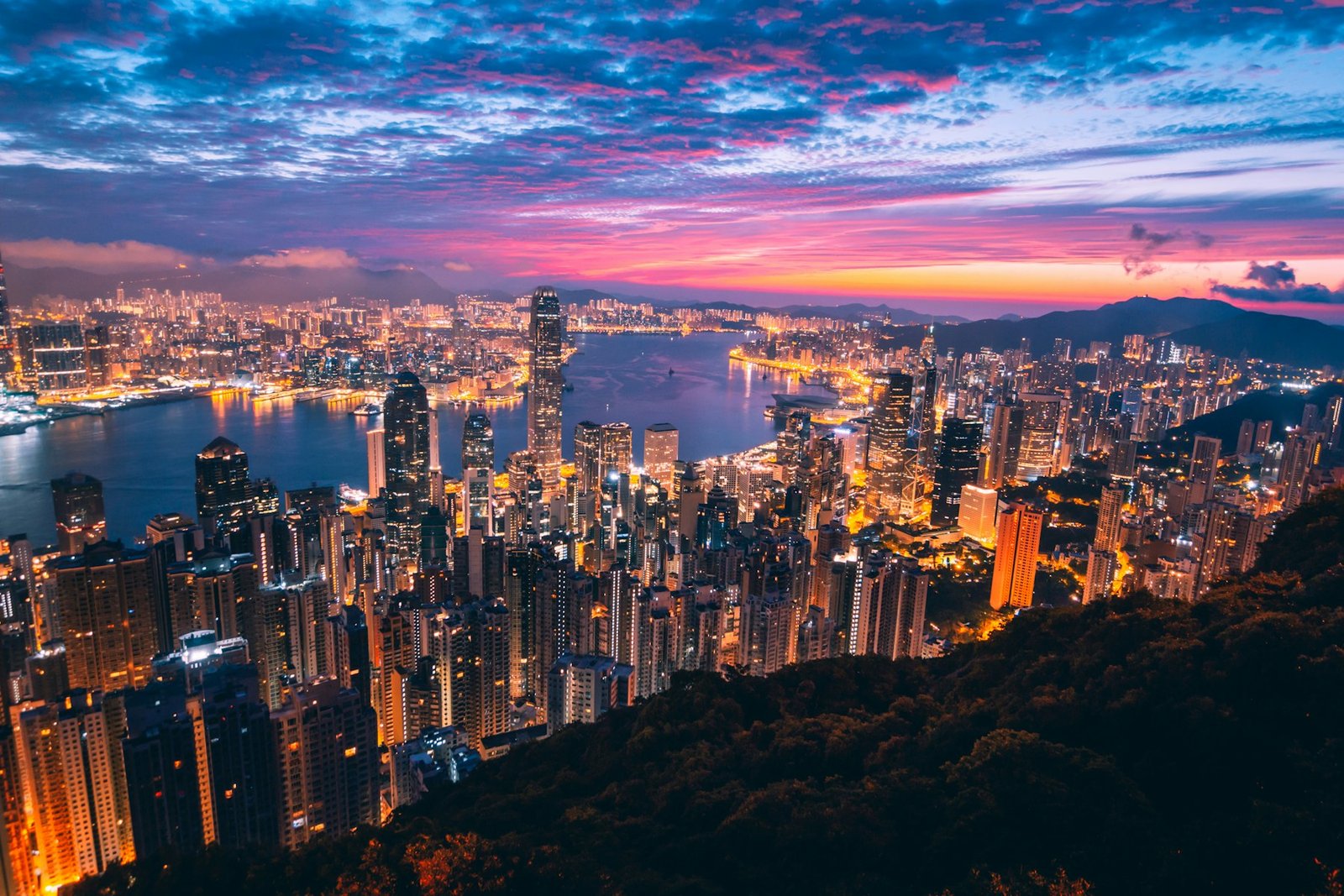
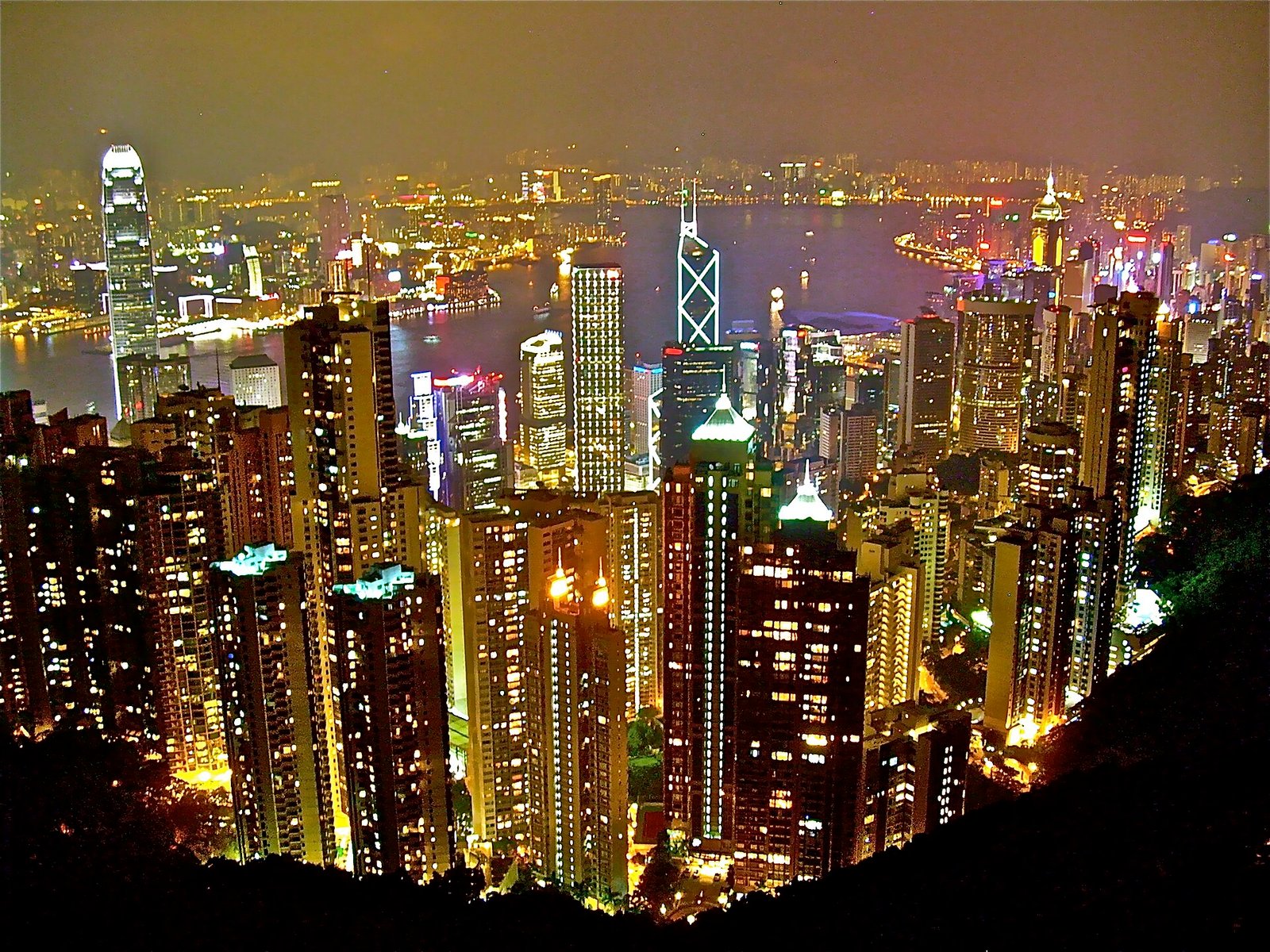
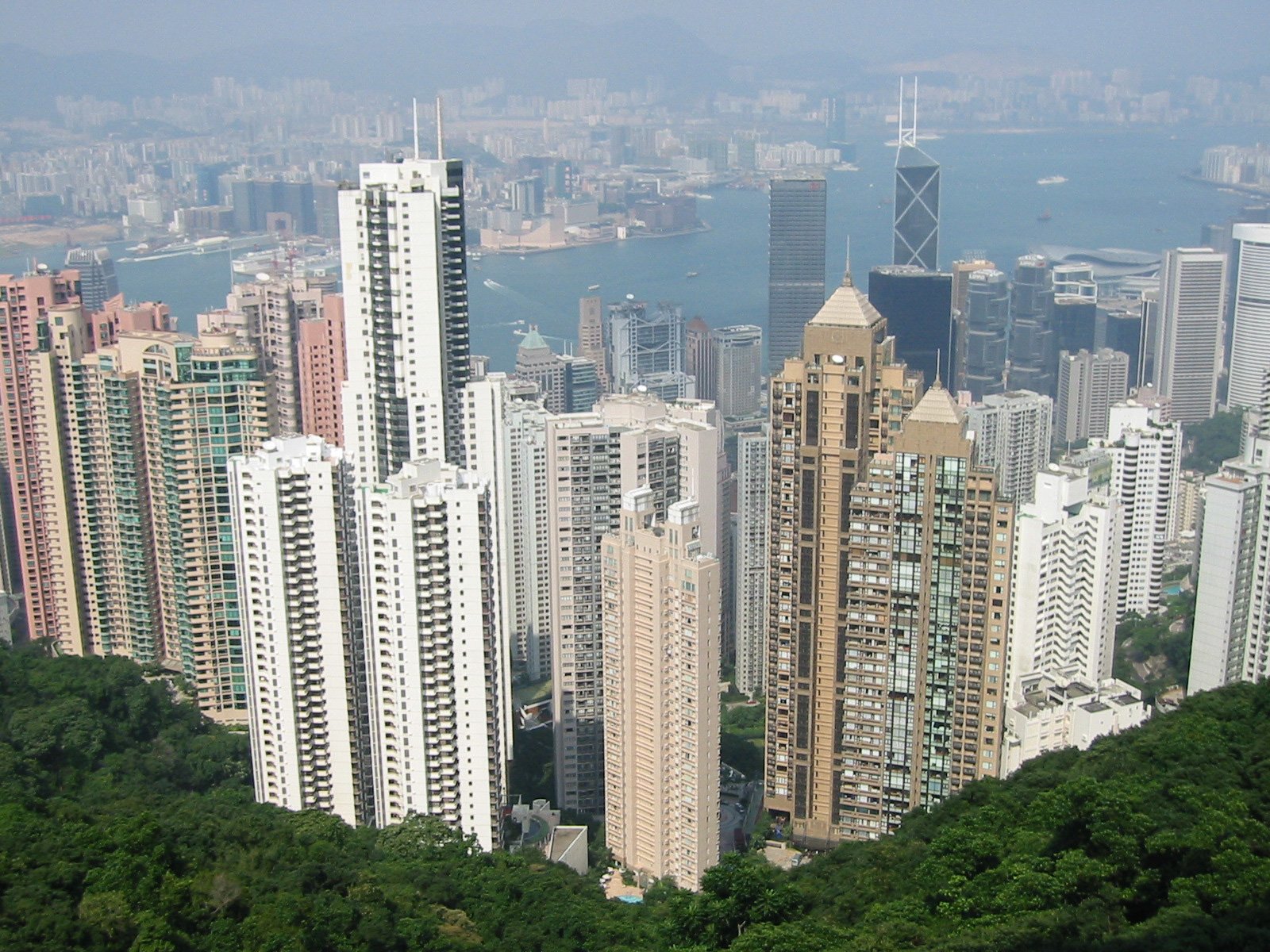
Victoria Peak
A high viewpoint explains the relationship between harbor, mountains, and development. Allow 2–4 hours. Check visibility and queues. Confirm Victoria Harbour and Star Ferry access, reservation rules, and inclusions through the responsible Hong Kong source. On a short Hong Kong trip, keep Victoria Peak only when the day’s access and energy support it.
Kowloon food and markets
Focused districts reveal food, craft, and neighborhood commerce. Allow half day. Choose one district. Confirm Victoria Harbour and Star Ferry access, reservation rules, and inclusions through the responsible Hong Kong source. On a short Hong Kong trip, keep Kowloon food and markets only when the day’s access and energy support it.
Dragon’s Back or island hike
Signed trails place beaches and ridges surprisingly close to the city. Allow half to full day. Check heat and storm warnings. Confirm Victoria Harbour and Star Ferry access, reservation rules, and inclusions through the responsible Hong Kong source. If weather or energy deteriorates, drop Dragon’s Back or island hike before compressing the rest of the Hong Kong route.
A PRACTICAL ROUTE
Suggested itinerary
Arrive and orient
Settle into Tsim Sha Tsui and orient around Tsim Sha Tsui; leave Victoria Harbour and Star Ferry for its planned day.
Victoria Harbour and Star Ferry
Start Victoria Harbour and Star Ferry in its strongest Hong Kong window; keep the rest of that day near Tsim Sha Tsui.
Central and Sheung Wan
Build the day around this experience and Victoria Peak, allowing a real meal and transport buffer.
Kowloon food and markets
Explore this geographic cluster and keep the evening close to Central or Sheung Wan rather than crossing Hong Kong again.
Flexible Hong Kong day
Use the remaining conditions for Dragon’s Back or island hike, revisit a favorite area, or preserve this as a disruption buffer.
REALISTIC BUDGET
Estimated travel costs
Hong Kong costs move most with October–December, booking timing, taxes, and the precise location of a room in Tsim Sha Tsui. For Hong Kong, let the final HKD total control the decision. For Hong Kong, its August 1, 2026 dollar conversion may differ at checkout.
TRAVEL WELL
Practical travel tips
- Check Observatory warnings before ferries or hikes
- Use downhill routes where possible
- Keep an Octopus or compatible payment option
- Do not hike in severe heat, thunderstorms, or typhoons
- Keep screenshots of the Hong Kong accommodation address, official bookings, and last dependable transport.
- Recheck typhoons, extreme heat, heavy rain, steep trails, crowd pressure, and severe-weather operating changes before every exposed or long-distance day in Hong Kong.
- Use documented Hong Kong transport and share any late return or remote visit to Victoria Harbour and Star Ferry with someone you trust.
- Protect one flexible block in the Hong Kong itinerary instead of filling every hour with reservations.
COMMON QUESTIONS
Hong Kong travel FAQ
How many days do you need in Hong Kong?
4–5 days is a practical first-visit range for Hong Kong. A trip shorter than 4–5 days should prioritize one base and Victoria Harbour and Star Ferry; use additional days for rest, weather changes, or transport delays.
Is Hong Kong expensive?
A realistic daily planning range is HK$650–HK$1,100 (about US$83–141) budget; HK$1,600–HK$3,000 (about US$205–384) mid-range, per person. Room choice and reserved transport matter more to the Hong Kong total than small savings on meals or local fares.
Do you need a car in Hong Kong?
No car is needed. MTR, buses, trams, ferries, taxis, and walking create a comprehensive network.
What is the best month to visit Hong Kong?
November usually combines lower humidity, clearer hiking conditions, and comfortable evenings.
Is Hong Kong safe for solo female travelers?
Hong Kong can work well for prepared solo women. For Hong Kong, document the ride to Victoria Harbour and Star Ferry, carry valuables discreetly, share remote plans, and follow current advice.
What should you book in advance for Hong Kong?
Reserve peak-date hotels, special restaurants, exhibitions, and limited island or hiking experiences.
KEEP EXPLORING
Related The Wander Muse guides
PLAN WITH CURRENT INFORMATION
Official resources
For Hong Kong, opening hours, fares, permits, weather rules, and transport arrangements can change. Use the linked authorities to recheck Hong Kong access, opening times, and transport before departure.