START HERE
Why visit Bhutan
Bhutan combines Himalayan valleys, living Buddhist institutions, fortress-monasteries, forests, village culture, and tightly managed tourism designed to control impact rather than maximize visitor volume. It suits buddhist culture, hiking, photography, slow travel, mountains, festivals, and guided journeys and works best when Paro Taktsang, Tiger’s Nest and Punakha Dzong stay on separate compact days. A first visit works best when Paro Taktsang, Tiger’s Nest, Punakha Dzong, and Thimphu cultural circuit are arranged around realistic transport and weather windows. Thimphu provides services and contemporary context, Punakha offers warmer valley history, and Paro is essential for the airport and Tiger’s Nest hike. Bhutan planning connects Paro International Airport (PBH) or authorized land entry points, licensed bhutanese guide, Thimphu, and Paro Taktsang, Tiger’s Nest with the six-row Bhutanese ngultrum (BTN), pegged to the Indian rupee budget and 7–10 days route below. Before booking Bhutan, use the linked authorities to verify opening days, licensed bhutanese guide, and any timed entry for Paro Taktsang, Tiger’s Nest.
AT A GLANCE
Bhutan quick travel summary
Bhutan prices are planning ranges rather than quotes. For Bhutan, compare the final checkout total—not only the advertised price—and verify every transfer or ticket inclusion.
WHEN TO GO
Best time to visit
Early summer (June–July)
Across Bhutan, expect long daylight, fresh green valleys, and trails opening progressively; conditions near Paro Taktsang, Tiger’s Nest can vary. Crowds and prices are high around headline viewpoints. For Bhutan, this window favors Paro Taktsang, Tiger’s Nest. Schedule it only after accounting for the fact that in Bhutan, snow may remain on high routes and lift schedules can change. Monsoon rain, snow on high passes, flight visibility, festival dates, permit rules, altitude, and road works determine route feasibility. Recheck Bhutan weather and the operating status of Paro Taktsang, Tiger’s Nest shortly before any weather-sensitive or reservation-dependent day.
Late summer (August–September)
Across Bhutan, expect generally stable hiking weather with cooler nights later; conditions near Punakha Dzong can vary. For Bhutan, crowds and prices are high in August, then easing into September. This period creates better conditions for Punakha Dzong in Bhutan; the main drawback is that in Bhutan, afternoon storms and sold-out transport still require planning. Monsoon rain, snow on high passes, flight visibility, festival dates, permit rules, altitude, and road works determine route feasibility. Recheck Bhutan weather and the operating status of Paro Taktsang, Tiger’s Nest shortly before any weather-sensitive or reservation-dependent day.
Shoulder season (May and October)
Across Bhutan, expect rapidly changing conditions between valley and summit; conditions near Thimphu cultural circuit can vary. Crowds and prices are lower, though fewer services operate. Thimphu cultural circuit is the most practical Bhutan focus during this period. The limitation is that in Bhutan, some lifts, roads, and trails close between seasons. Monsoon rain, snow on high passes, flight visibility, festival dates, permit rules, altitude, and road works determine route feasibility. Recheck Bhutan weather and the operating status of Paro Taktsang, Tiger’s Nest shortly before any weather-sensitive or reservation-dependent day.
Winter (November–April)
Across Bhutan, expect snow, short daylight, and true mountain weather; conditions near Dochula Pass can vary. For Bhutan, crowds and prices are highest during ski weeks and holidays. For Bhutan, this window favors Dochula Pass. Schedule it only after accounting for the fact that in Bhutan, summer itineraries cannot simply be repeated in winter. Monsoon rain, snow on high passes, flight visibility, festival dates, permit rules, altitude, and road works determine route feasibility. Recheck Bhutan weather and the operating status of Paro Taktsang, Tiger’s Nest shortly before any weather-sensitive or reservation-dependent day.
ARRIVING
How to get there
Most international visitors arrive at Paro on the limited airlines authorized to serve the mountain airport. Flights are weather-sensitive, and connections through regional gateways need a buffer. Eligible land routes and border hours must be checked through Bhutan’s official immigration and tourism authorities. Visitors generally need an approved visa or permit process and must pay the current Sustainable Development Fee under rules applicable to nationality and status. Book through official systems or a licensed Bhutanese operator, verify what is included, and never rely on an unofficial promise to obtain permits after arrival.
MOVING AROUND
Getting around
A licensed driver and guide are the practical choice for a seven-day valley circuit, even when current rules allow greater booking flexibility. Mountain roads are slow, winding, and vulnerable to works and landslides. Public buses do not create a realistic fast sightseeing itinerary. Domestic flights can reduce long eastern drives but add weather risk. Walking is central inside dzongs, towns, and monasteries, with stairs and uneven paths. Build acclimatization before Tiger’s Nest and do not cross high passes or begin long hikes when symptoms or weather remove the margin. For a 7–10 days visit, group Paro Taktsang, Tiger’s Nest with Punakha Dzong, then protect Thimphu cultural circuit for the strongest weather or access window. Paro Taktsang, Tiger’s Nest and Punakha Dzong belong on separate compact Bhutan stages; that leaves room for a delayed licensed bhutanese guide connection. Accessible Bhutan planning needs four checks: licensed bhutanese guide boarding, surfaces, restrooms, and the final approach to Paro Taktsang, Tiger’s Nest.
CHOOSE A BASE
Where to stay
Thimphu — best for first-time context
Museums, crafts, markets, government institutions, restaurants, and medical services introduce contemporary Bhutan. It lacks Paro’s immediate mountain-airport scenery and traffic has grown.
Punakha — best for valley scenery and history
A lower, warmer valley, rivers, villages, and major dzong create a slower cultural stay. Reaching it requires pass travel and seasonal road conditions.
Paro — best for airport and hiking
Airport access, traditional architecture, museums, and the Tiger’s Nest trail make it essential. Popular hotels and trail days fill during festivals and peak trekking months.
PLAN YOUR DAYS
Best things to do
Paro Taktsang, Tiger’s Nest
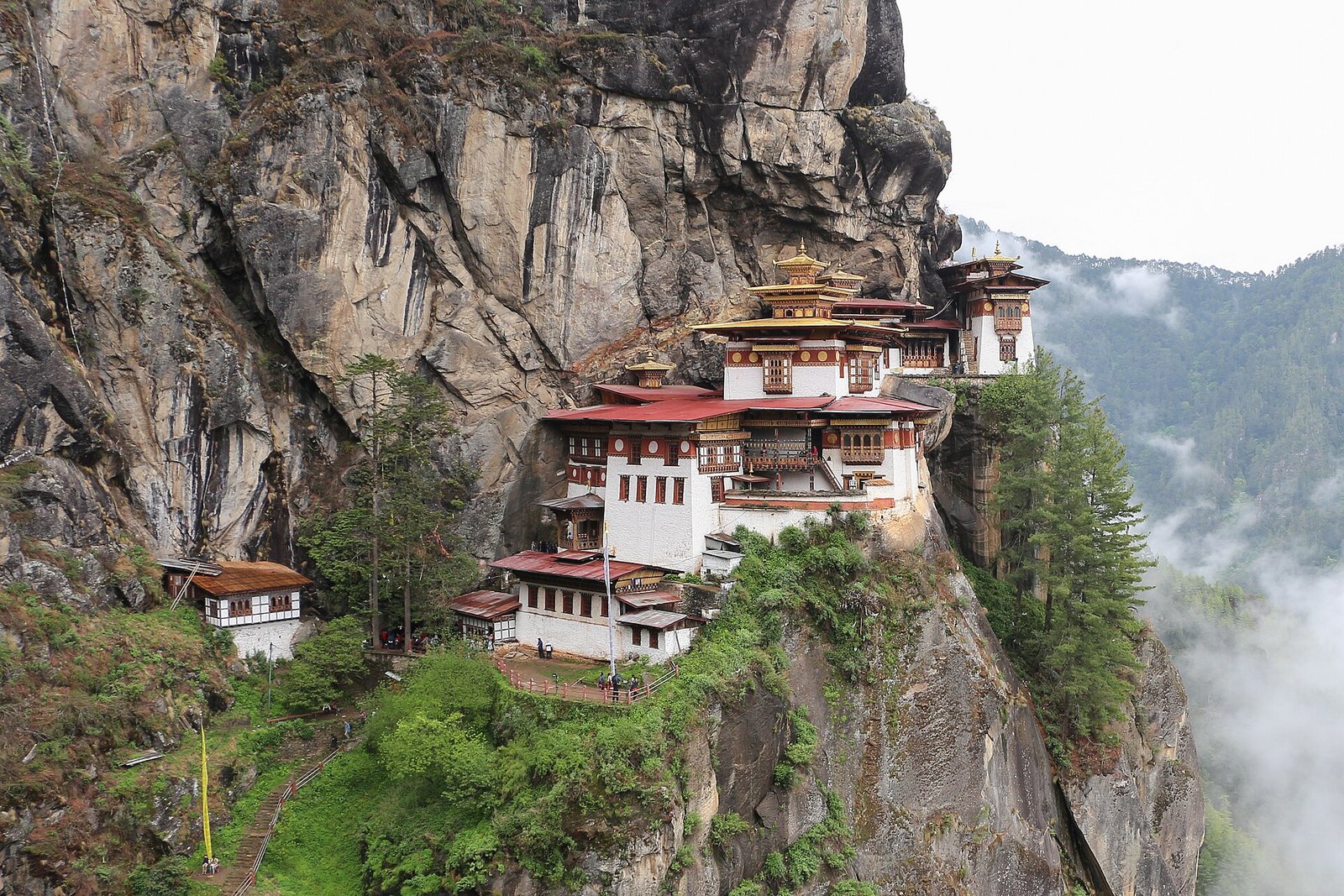
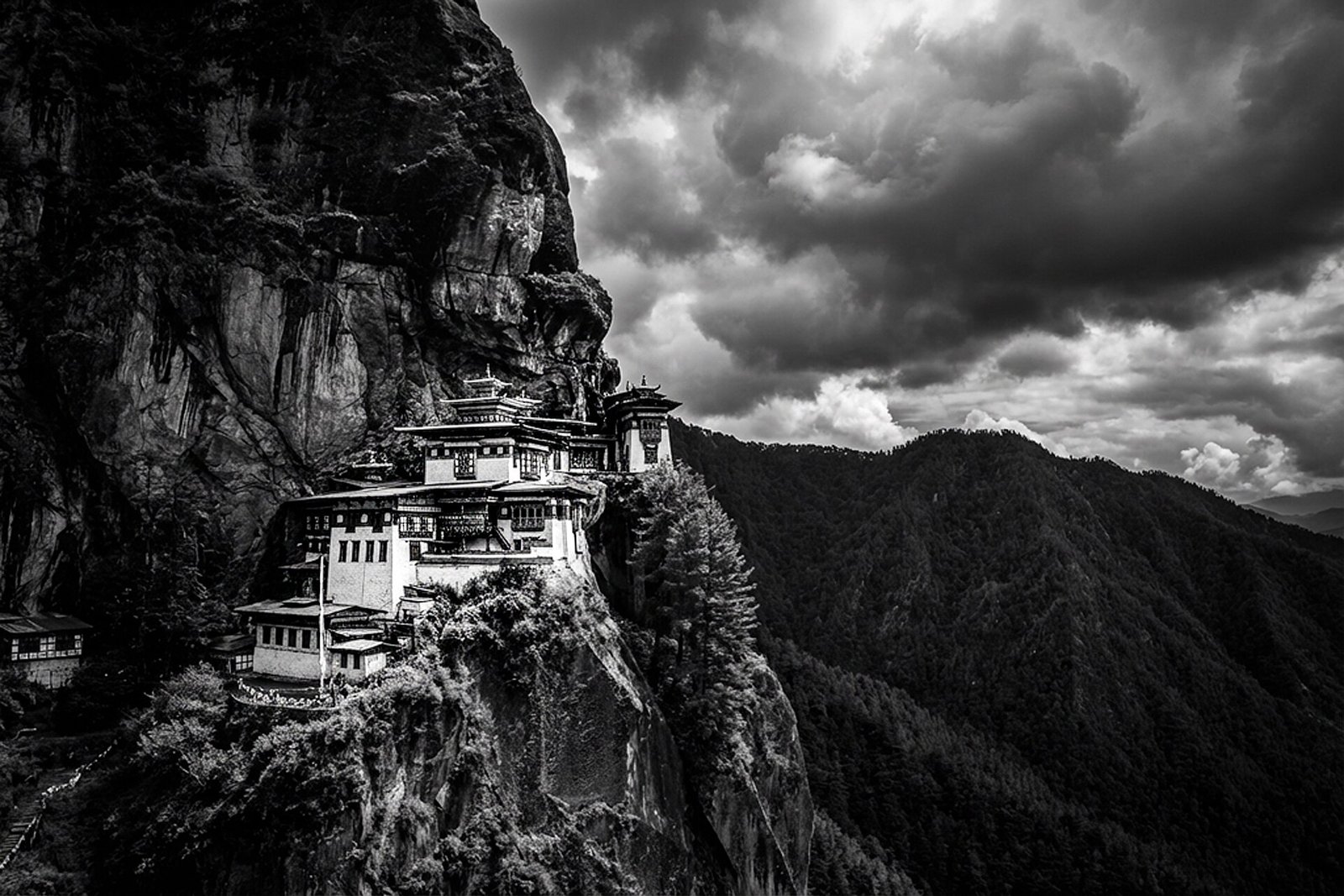
The monastery clings to a forested cliff and connects sacred history, pilgrimage, architecture, and a substantial ascent. Allow 5–7 hours. Start early after acclimatization in dry, stable conditions. Official permit and guide arrangements should be confirmed. Site admission, guide, transport, and optional horse use vary by package. Walk at a sustainable pace and never use horses beyond authorized safe points. It is best suited to fit cultural travelers; visitors with little time should retain Paro Taktsang, Tiger’s Nest only if it stays near another priority.
Punakha Dzong
A riverside fortress-monastery remains an important religious and administrative monument with exceptional architecture. Allow 2–3 hours. Visit with the guide outside major ceremonies when access is allowed. Current visitor and dress rules are handled through official guidance. Admission is normally part of the official site-fee structure. Remove shoes and follow all photography and prayer-space instructions. It is best suited to history and architecture travelers; on a short stay, keep Punakha Dzong only when access and geography suit that day.
Thimphu cultural circuit
Museums, textile and craft institutions, markets, and memorial sites provide context beyond postcard monasteries. Allow Full day. Use official opening days and group sites geographically. Some institutions may require guide-arranged entry. Individual admissions and donations vary. Buy crafts from transparent local producers rather than wildlife or antique sellers. It is best suited to culture and first-time visitors; On a short Bhutan visit, Thimphu cultural circuit should not force a cross-destination transfer.
Dochula Pass
Chortens, forest, and possible Himalayan views make a logical route stop between Thimphu and Punakha. Allow 1–2 hours. Use clear morning conditions without delaying the full road day. No normal reservation is required. Public viewpoint access is generally included in transport. Dress warmly and do not promise mountain views in cloud. It is best suited to photographers and road-trip travelers; time-limited visitors should add Dochula Pass only when it fits the same area and current conditions.
A responsible village or valley walk
Farm landscapes, irrigation, temples, and local life can add depth when the visit is invited and fairly compensated. Allow 3–6 hours. Choose a route through the guide based on season and community schedule. Advance local arrangements are recommended. Guide, meal, transport, and community fees vary. Ask before entering homes or photographing people and avoid staged poverty narratives. It is best suited to slow, cultural, and hiking travelers; visitors with little time should retain A responsible village or valley walk only if it stays near another priority.
A PRACTICAL ROUTE
Suggested itinerary
Paro arrival
Use the weather buffer, meet the licensed team, exchange money, and take only a gentle walk.
Thimphu
Drive the short valley route and use museums, crafts, and contemporary institutions for orientation.
Thimphu depth
Visit a market or cultural center around real opening hours and avoid stacking a long hike.
Punakha via Dochula
Cross the pass in daylight, stop briefly, and reach the lower valley before evening.
Punakha
Visit the dzong and one responsible village or valley walk.
Return to Paro
Drive back with a road buffer, then prepare equipment and timing for Tiger’s Nest.
Tiger’s Nest
Hike early at a conservative pace and keep the final night in Paro before the flight.
REALISTIC BUDGET
Estimated travel costs
Bhutan costs move most with March–May or October–November, booking timing, taxes, and the exact position of a room in Thimphu. Recalculate Bhutan’s dollar comparison when booking. The figures here convert Bhutanese ngultrum (BTN), pegged to the Indian rupee at August 1, 2026 reference rates and exclude later card charges.
TRAVEL WELL
Practical travel tips
- Confirm visa or permit, Sustainable Development Fee, guide, driver, and inclusions through official or licensed channels.
- Leave a flight buffer because Paro operations depend on mountain visibility and regional connections.
- Acclimatize before Tiger’s Nest and seek medical guidance for relevant altitude or heart conditions.
- Dress modestly, remove shoes where instructed, and obey all monastery photography rules.
- Carry ngultrum for small purchases; Indian rupee acceptance has denomination and policy limits that should be checked.
- Do not buy antiques, wildlife products, or sacred objects without clear legal provenance.
- Reserve festival-season flights, licensed teams, rooms, and domestic connections early.
- Solo women commonly use licensed tours; verify the guide and driver, share the route, and retain official contacts.
COMMON QUESTIONS
Bhutan travel FAQ
How many days do you need in Bhutan?
7–10 days is a practical first-visit range for Bhutan. If 7–10 days is not available, keep one compact Bhutan base and Paro Taktsang, Tiger’s Nest; additional days are most useful as weather and transport buffers.
Is Bhutan expensive?
In Bhutan, a realistic daily planning range is BTN 11,600–19,400 (about US$120–200) budget-style organized plan; BTN 24,200–48,400 (about US$250–500) mid-range, per person including the daily sustainable-development levy where applicable. Costs rise fastest when a Bhutan trip combines the most convenient base with peak-season rooms and privately arranged outings.
Do you need a car in Bhutan?
A self-drive rental is not the practical choice. Use a licensed Bhutanese driver and guide for valley roads, permits, and cultural access.
What is the best month to visit Bhutan?
October often combines clear mountain views with popular festivals, while April offers spring color; both require early booking.
Is Bhutan safe for solo female travelers?
Bhutan is generally comfortable for solo women using licensed arrangements. Verify the guide and driver, share the itinerary, and keep official contacts. Recheck official travel advice for Bhutan, then compare it with the latest conditions affecting Paro Taktsang, Tiger’s Nest.
What should you book in advance for Bhutan?
Reserve the visa or permit process, Sustainable Development Fee, regional flights, licensed guide and driver, festival rooms, and treks.
KEEP EXPLORING
Related The Wander Muse guides
PLAN WITH CURRENT INFORMATION
Official resources
For Bhutan, opening hours, fares, permits, weather rules, and transport arrangements can change. Before leaving for Bhutan, confirm the details that affect Paro Taktsang, Tiger’s Nest directly with the official links below.