START HERE
Why visit Amazon Rainforest
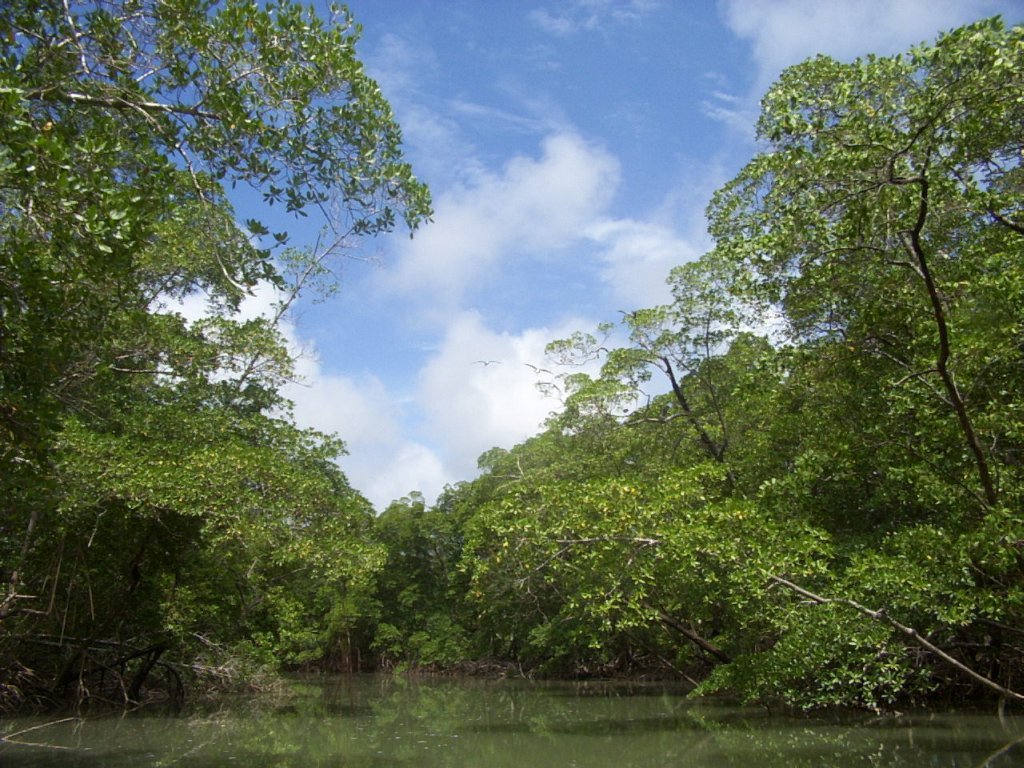
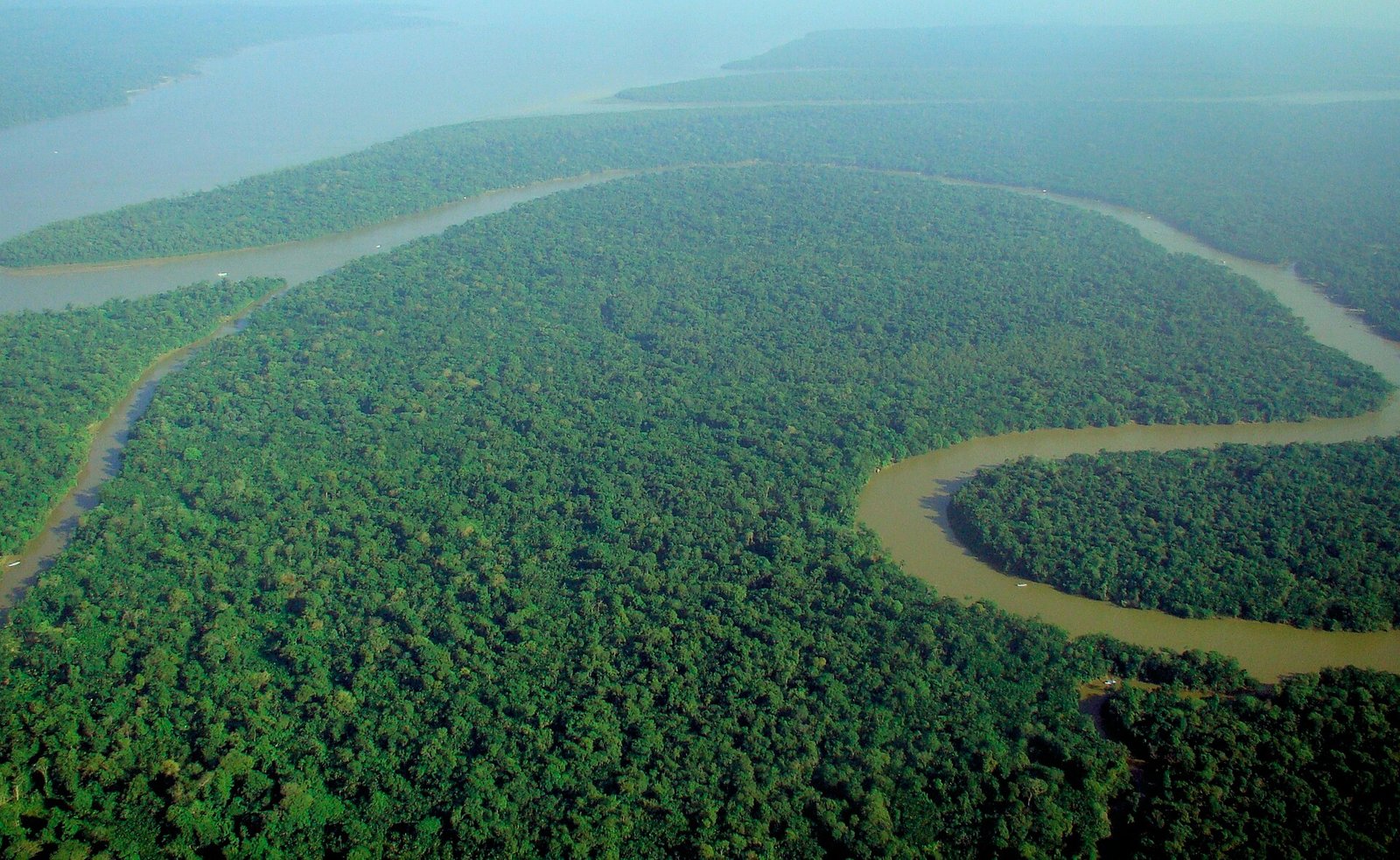
Amazon Rainforest rewards travelers who combine vast rivers, flooded forest, canopy life, Indigenous knowledge, and wildlife heard as often as it is seen with enough time for hammock time, dawn listening, community-led interpretation, and unhurried boat travel shaped by water level. It is especially rewarding for rainforest, wildlife, boating, photography, families with preparation, and responsible adventure. Operator quality, river stage, heat, insects, limited medical access, boat safety, and long transfers matter more than a checklist of species. Manaus center or modern hotel district is the most balanced first base, A reputable forest lodge offers guided immersion, and A small licensed expedition vessel suits visitors prioritizing moving river access. Amazon Rainforest planning links Manaus Eduardo Gomes (MAO), licensed boat, Manaus center or modern hotel district, and Choose a lodge by ecosystem and travel time to the six-row Brazilian real (BRL) costs and 4–6 days itinerary below. Before paying for a Amazon Rainforest booking, confirm current weather limits, closures, permits, licensed boat, and timed entry through an official source.
AT A GLANCE
Amazon Rainforest quick travel summary
For Amazon Rainforest, multi-day lodge packages commonly brl 2,500–7,000 (about us$475–1,330). Amazon Rainforest estimates can exclude taxes; verify Choose a lodge by ecosystem and travel time fees, card charges, transport, and seasonal supplements.
WHEN TO GO
Best time to visit
January–March
January to March is hot, humid, and rainy as rivers rise and flooded-forest access expands. Demand is moderate outside holidays. Canoe excursions and wildlife observation from waterways become central. Heavy rain, lightning, insects, and delayed boats can alter daily plans. Use a licensed lodge or operator and protect electronics, medicines, and travel documents from moisture.
April–June
April to June brings high water, frequent rain, and broad boat access into flooded forest. Prices and availability depend more on lodge capacity than conventional peak season. This is a strong window for canoe travel and water-level forest scenery. Walking trails are more limited, and mosquitoes or storms remain significant. Confirm the exact activity mix with the lodge.
July–September
July to September shifts toward lower water, drier intervals, and more exposed forest trails. Demand can rise during holiday periods. Guided walks and some wildlife sightings become easier by land, while longer boat approaches may be needed. Heat, smoke, low channels, and insects can still disrupt travel. Follow local fire and navigation advice.
October–December
October to December is generally hot and low-water early, followed by rising rain and rivers later. Visitor pressure is variable around year-end. Beaches or sandbars may appear near Manaus before seasonal flooding returns. Navigation times and lodge access change with water level. Ask the operator which excursions are genuinely operating rather than relying on another month’s itinerary.
ARRIVING
How to get there
Manaus International Airport is the main gateway for central Amazon lodges and cruises. Most remote stays begin with a hotel pickup followed by road and boat segments that vary by water level. Request the exact transfer duration, vessel, life jacket, luggage protection, and contingency for a delayed flight before booking. From Manaus Eduardo Gomes (MAO), compare luggage handling and service hours through to Manaus center or modern hotel district; the cheapest Amazon Rainforest fare may leave an impractical final connection. For a late Manaus Eduardo Gomes (MAO) arrival, get the Amazon Rainforest transfer instructions in writing and decline undocumented rides.
MOVING AROUND
Getting around
In Manaus use verified taxis or app rides; river travel should use licensed vessels with flotation and experienced local crew. Once at a lodge, all forest and water excursions should follow the guide and current weather. Never compare destinations by map distance alone because channels and river stage control the route. Group a Manaus arrival night, one responsibly operated lodge or small-vessel base, and separate dawn, forest, community, and river activities with a storm buffer. This Amazon Rainforest order avoids repeated transfers and keeps Take dawn and night wildlife outings available when weather, queues, or transport disrupt Choose a lodge by ecosystem and travel time. Accessible Amazon Rainforest plans should verify licensed boat boarding, surfaces, restrooms, and the final approach to Choose a lodge by ecosystem and travel time.
CHOOSE A BASE
Where to stay
Manaus center or modern hotel district — best for arrival logistics
A land night supports flights, supplies, the opera house, and a rested lodge transfer. Traffic, heat, and exact nighttime conditions require verified transport. Before selecting Manaus center or modern hotel district, compare the Amazon Rainforest walking distance, luggage transfer, late arrival plan, and refund terms.
A reputable forest lodge — best for guided immersion
Included meals, naturalist outings, boat access, and emergency procedures create a coherent rainforest stay. Standards, remoteness, electricity, and wildlife ethics vary enormously. For A reputable forest lodge, verify the exact Amazon Rainforest block, evening access, transfer time, and cancellation terms.
A small licensed expedition vessel — best for moving river access
A carefully operated boat can reach multiple habitats without repeated packing. Cabins, noise, life jackets, fire safety, and evacuation planning need close review. A room labeled A small licensed expedition vessel can still be inconvenient in Amazon Rainforest; check its location, after-dark route, and connection.
PLAN YOUR DAYS
Best things to do
Choose a lodge by ecosystem and travel time
A vetted lodge or expedition operator determines guide quality, wildlife ethics, boat safety, and the environmental footprint. Allow 3–5 nights. Ask about licensing, local employment, group size, medical plan, electricity, drinking water, and inclusions. Multi-day packages commonly cost R$2,500–8,000 (about US$471–1,507) or more by comfort level.. Choose a lodge by ecosystem and travel time must fit the traveler’s ability and current Amazon Rainforest conditions; wildlife distances remain firm.
Take dawn and night wildlife outings
Dawn and dusk boat outings reveal birds, primates, dolphins, insects, and river color under cooler conditions. Allow 2–4 hours per outing. Wear the life jacket, remain seated when instructed, protect optics from rain, and accept wildlife uncertainty. Usually bundled into lodge packages; private specialist guiding costs more.. Before Take dawn and night wildlife outings, verify Amazon Rainforest access, then assess the fitness demands and return connection for Take dawn and night wildlife outings.
See the Meeting of Waters with a responsible operator
A guided forest walk teaches plants, tracks, ecology, and survival realities that are invisible from a boat. Allow 2–4 hours. Use boots and long clothing, stay behind the guide, never touch unknown plants or animals, and turn back before storms. Generally included in quality lodge programs.. For See the Meeting of Waters with a responsible operator, let Amazon Rainforest access rules and staff instructions set the safe limit.
Learn from local guides and communities
The Meeting of Waters and Manaus landmarks connect river science, rubber-era history, markets, and the modern city. Allow 4–7 hours. Use a licensed boat and researched market route, then protect the hottest period for indoor culture. City boats and museum visits commonly total R$150–450 (about US$28–85).. Confirm transport to Learn from local guides and communities, then follow any Amazon Rainforest closure, barrier, or guide direction.
A community-led cultural and forest knowledge visit
A community-led visit can share forest knowledge and contemporary livelihoods when hosts control the story and benefit directly. Allow 3–6 hours. Choose transparent community partnerships, ask before photography, and avoid staged “tribal” performances sold without context. Contributions or tour charges vary; confirm how revenue reaches hosts.. A community-led cultural and forest knowledge visit must fit the traveler’s ability and current Amazon Rainforest conditions; wildlife distances remain firm.
A PRACTICAL ROUTE
Suggested itinerary
Arrive and orient
Reach Manaus center or modern hotel district, settle in near Manaus center or modern hotel district, check licensed boat hours, and orient only around the route to Choose a lodge by ecosystem and travel time.
Choose a lodge by ecosystem and travel time
Use the first full itinerary stage for choose a lodge by ecosystem and travel time. After Choose a lodge by ecosystem and travel time, eat near Manaus center or modern hotel district instead of adding a cross-Amazon Rainforest transfer.
Take dawn and night wildlife outings
Build the next itinerary stage around take dawn and night wildlife outings, adding see the meeting of waters with a responsible operator only if Amazon Rainforest access and the transfer from Manaus center or modern hotel district remain practical.
A different side of the destination
Use A reputable forest lodge or A small licensed expedition vessel to reach learn from local guides and communities with less backtracking. Keep an independent meal, rest, or indoor alternative.
Flexible priority and departure
Choose a community-led cultural and forest knowledge visit, repeat time near Manaus center or modern hotel district, or recover Choose a lodge by ecosystem and travel time after a weather delay. End the Amazon Rainforest route with a real buffer for luggage, traffic, security, and the Manaus Eduardo Gomes (MAO) connection.
REALISTIC BUDGET
Estimated travel costs
Amazon Rainforest costs move most with June–November for lower water; December–May for flooded forest, the location of Manaus center or modern hotel district, and the choice between licensed boat and private transfers. Keep the Amazon Rainforest budget in Brazilian real (BRL). Rounded dollar equivalents for Amazon Rainforest use August 1, 2026 reference rates; actual card statements will differ.
TRAVEL WELL
Practical travel tips
- Choose the operator before the lodge photo: verify licensing, guides, boats, life jackets, medical plan, and local benefit.
- Request the complete transfer sequence and never pair a remote return with a tight flight.
- Follow current vaccination, malaria, and personal medical advice from a qualified travel-health professional.
- Wear long breathable clothing, use effective repellent, and inspect footwear before putting it on.
- Keep electronics and medication in waterproof bags and drink treated water.
- Never handle wildlife, feed dolphins, buy wildlife products, or support staged animal encounters.
- Follow the guide during storms, forest walks, night outings, and every boat movement.
- Solo women should choose staffed reputable lodges, understand room security and communications, and share the operator, route, and return time.
COMMON QUESTIONS
Amazon Rainforest travel FAQ
How many days do you need in Amazon Rainforest?
4–6 days is a realistic first-visit range for Amazon Rainforest. If 4–6 days is not possible, keep Manaus center or modern hotel district and Choose a lodge by ecosystem and travel time; extra Amazon Rainforest days should absorb recovery, weather, or reservation changes.
Is Amazon Rainforest expensive?
A practical daily planning range is R$450–800 (about US$85–151) budget; R$1,000–2,200 (about US$188–414) lodge-based, per person. For Amazon Rainforest, room location, peak dates, private transport, permits, and guided access to Choose a lodge by ecosystem and travel time drive the largest increases; compare full inclusions, not headline prices.
When is high-water season?
Water levels vary by river and year, but central Amazon high water often peaks around late spring or early summer. Low water exposes trails and beaches; both seasons offer different access.
Will you see jaguars?
Jaguar sightings near Manaus are uncommon and never guaranteed. A responsible trip values birds, primates, plants, insects, river ecology, and guide knowledge.
How do you choose an Amazon lodge?
Compare licensing, guide credentials, boat safety, local employment, group size, medical response, water, electricity, room screens, and exact inclusions.
What should you book first?
Reserve a vetted lodge or expedition, flights with buffer nights, and any specialist naturalist first; address travel-health preparation well before departure.
KEEP EXPLORING
Related The Wander Muse guides
PLAN WITH CURRENT INFORMATION
Official resources
Opening hours, fares, permits, weather rules, and transport arrangements in Amazon Rainforest can change. Use the linked authorities to recheck Amazon Rainforest access, opening times, and transport before departure.