START HERE
Why visit Galápagos Islands
Galápagos Islands rewards travelers who combine endemic wildlife, volcanic shores, marine encounters, and closely regulated protected areas with enough time for quiet town evenings, self-guided beaches, interpretation centers, and patient wildlife observation without crowding. It is especially rewarding for wildlife, snorkeling, diving, geology, photography, couples, families, and responsible travel. Biosecurity, national-park rules, inter-island seas, guide requirements, flight logistics, and high costs make careless improvisation expensive. Puerto Ayora, Santa Cruz is the most balanced first base, Puerto Baquerizo Moreno, San Cristóbal offers sea lions and easy arrival, and Puerto Villamil, Isabela suits visitors prioritizing volcanic scenery and slow beaches. This guide explains arrival choices, local transportation, seasonal trade-offs, five priority experiences, six-part costs in USD, and a practical 7–10 days route. Before paying for a Galápagos Islands booking, confirm current weather limits, closures, permits, domestic flight, and timed entry through an official source.
AT A GLANCE
Galápagos Islands quick travel summary
For Galápagos Islands, park entry us$200 for most foreign adults plus transit-control fee. Galápagos Islands estimates can exclude taxes; verify Choose cruise or land-based travel before flights fees, card charges, transport, and seasonal supplements.
WHEN TO GO
Best time to visit
January–March
January to March is warm, humid, and rainy, with warmer water and calmer intervals between showers. Holiday weeks are busy. Snorkeling, nesting activity, and green landscapes are major strengths. Strong sun, heavy rain, and variable visibility still affect landings. Follow the naturalist guide’s route and verify inter-island sea conditions before every transfer.
April–June
April to June transitions from the warm wet season toward cooler, windier conditions. Demand is moderate, with wildlife activity varying by island. This period can combine comfortable water temperatures with productive land visits. Currents and swell strengthen as the season changes. Choose the itinerary by island and wildlife priorities rather than expecting one forecast to cover the archipelago.
July–September
July to September is cooler, drier, windier, and often rougher at sea, with nutrient-rich water supporting marine life. Demand is high during school holidays. Wildlife viewing can be excellent, but crossings and snorkeling feel colder. Pack motion-sickness protection and appropriate exposure gear, and never treat wildlife-distance rules as optional.
October–December
October to December begins cool and dry, then warms as rain gradually returns. Visitor pressure rises sharply around year-end. Shoulder weeks can offer quieter visitor sites and strong marine encounters. Swell, sun, and limited transport capacity remain important. Reserve regulated sites and inter-island connections early, then retain flexibility for sea conditions.
ARRIVING
How to get there
Flights depart mainland Ecuador for Baltra or San Cristóbal after required transit-control and biosecurity procedures. Confirm whether the fare includes the correct baggage and island routing. Baltra arrivals require a multi-step bus, channel, and road transfer; never pair a late arrival with an unprotected speedboat connection. From Baltra (GPS) or San Cristóbal (SCY), compare luggage handling and service hours through to Puerto Ayora, Santa Cruz; the cheapest Galápagos Islands fare may leave an impractical final connection. For a late Baltra (GPS) or San Cristóbal (SCY) arrival, get the Galápagos Islands transfer instructions in writing and decline undocumented rides.
MOVING AROUND
Getting around
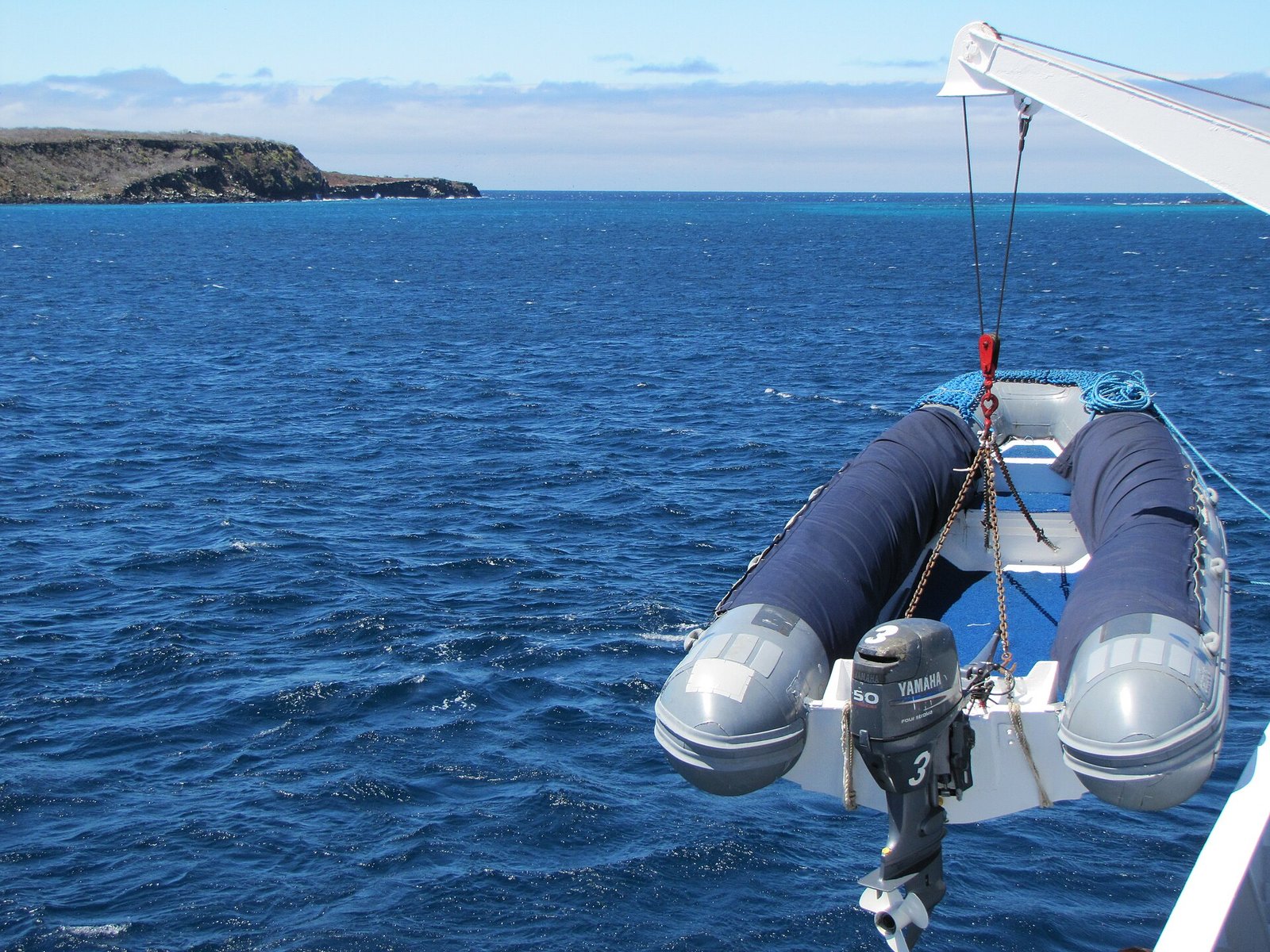
A licensed cruise reaches remote sites efficiently, while land-based travel uses Santa Cruz, San Cristóbal, and Isabela with scheduled speedboats or domestic flights. Sea crossings can be rough and luggage may get wet. Many protected visitor sites require a certified naturalist guide and fixed route. Group one or two main islands with nearby day trips, realistic inter-island transfer days, and a separate marine-weather buffer instead of changing hotels every night. This Galápagos Islands order avoids repeated transfers and keeps Spend time on at least two islands if land-based available when weather, queues, or transport disrupt Choose cruise or land-based travel before flights. Accessible Galápagos Islands plans should verify domestic flight boarding, surfaces, restrooms, and the final approach to Choose cruise or land-based travel before flights.
CHOOSE A BASE
Where to stay
Puerto Ayora, Santa Cruz — best for broad excursions and services
The largest tour choice, Darwin research context, restaurants, banks, and central connections support a first land-based stay. It is the busiest base and Baltra transfer has several stages. Before selecting Puerto Ayora, Santa Cruz, compare the Galápagos Islands walking distance, luggage transfer, late arrival plan, and refund terms.
Puerto Baquerizo Moreno, San Cristóbal — best for sea lions and easy arrival
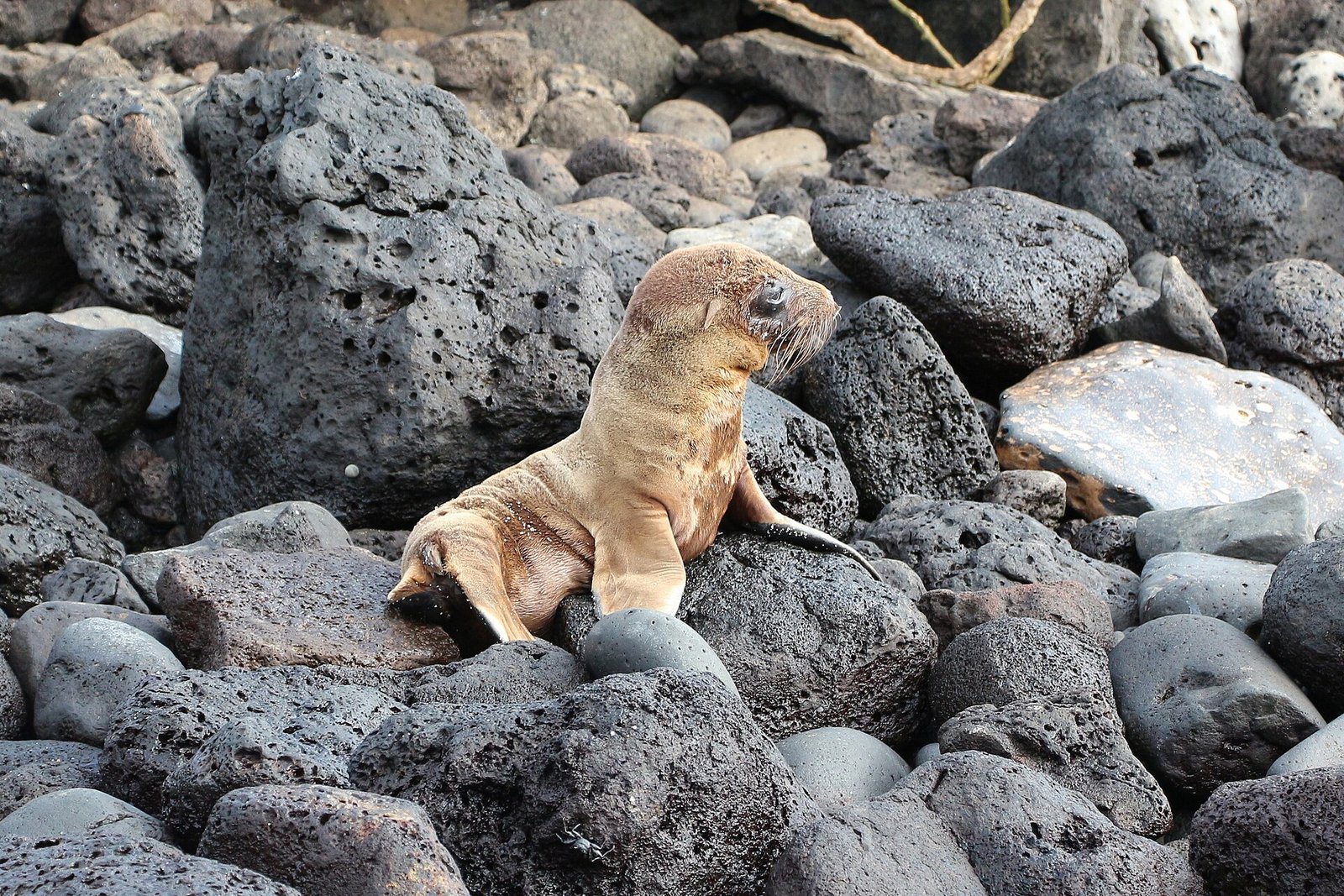
Airport proximity, waterfront wildlife, beaches, and western-island excursions create a relaxed base. The day-tour network is smaller than Santa Cruz. For Puerto Baquerizo Moreno, San Cristóbal, verify the exact Galápagos Islands block, evening access, transfer time, and cancellation terms.
Puerto Villamil, Isabela — best for volcanic scenery and slow beaches
Lava fields, wetlands, marine life, and a quiet town suit longer nature stays. Speedboat crossings are rough for some travelers and medical services are limited. A room labeled Puerto Villamil, Isabela can still be inconvenient in Galápagos Islands; check its location, after-dark route, and connection.
PLAN YOUR DAYS
Best things to do
Choose cruise or land-based travel before flights
Choosing an eco-conscious vessel and guide determines wildlife distance, interpretation, waste practice, and safe access. Allow Several hours to a multi-day cruise. Verify authorization, guide certification, route, passenger count, emergency equipment, and every fee. Quality day tours often cost US$120–300; cruises cost far more by vessel class.. Choose cruise or land-based travel before flights must fit the traveler’s ability and current Galápagos Islands conditions; wildlife distances remain firm.
Spend time on at least two islands if land-based
Land-based stays make self-guided beaches, town wildlife, and selected protected excursions possible without a full cruise. Allow A full day per island cluster. Use official paths, give wildlife space, and never move animals or vegetation for a photograph. Many town sites are free; guided protected areas and transport add cost.. Before Spend time on at least two islands if land-based, verify Galápagos Islands access, then assess the fitness demands and return connection for Spend time on at least two islands if land-based.
Snorkel with a certified naturalist guide
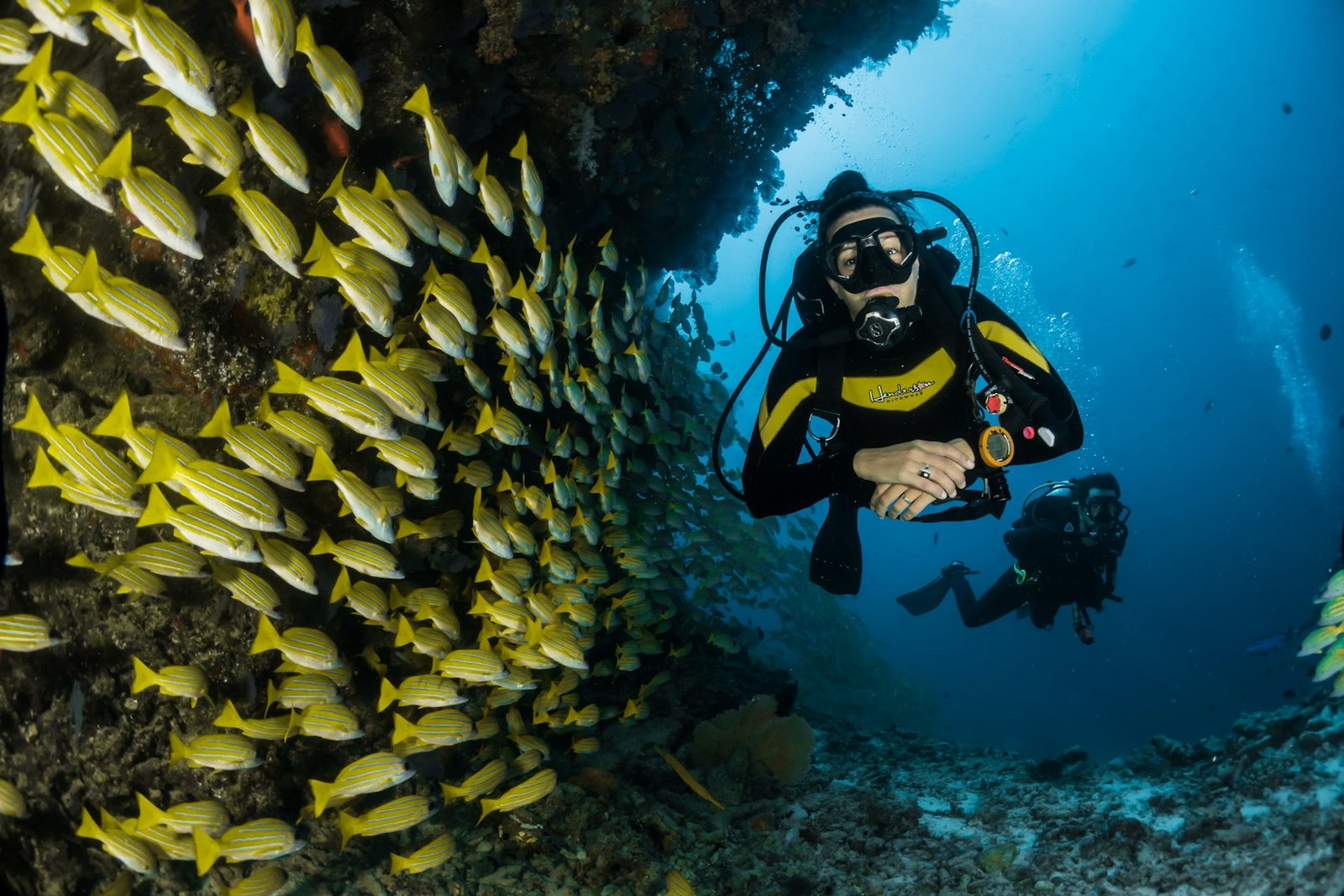
Snorkeling can include turtles, rays, sea lions, fish, and cold currents shaped by season and site. Allow 1–3 hours in the water. Disclose swimming ability, use flotation or wetsuit when needed, and follow the guide’s entry and distance rules. Gear may be included; premium boat and diving trips commonly add US$50–250.. For Snorkel with a certified naturalist guide, let Galápagos Islands access rules and staff instructions set the safe limit.
Follow wildlife distance and biosecurity rules
An inter-island crossing reveals how distance and swell shape a land-based route. Allow 2–4 hours plus pier procedures. Reserve authorized transport, waterproof bags, use motion-sickness preparation, and protect a margin for delays. Speedboats commonly cost around US$30–40 each way before local pier transfers.. Confirm transport to Follow wildlife distance and biosecurity rules, then follow any Galápagos Islands closure, barrier, or guide direction.
A certified naturalist-led marine or volcanic excursion
A certified naturalist-led volcano, highland, or remote marine day adds ecology that town beaches cannot provide. Allow 6–10 hours. Choose the site by current season and ability, follow the fixed visitor route, and carry sun and water. Excursions commonly cost US$100–300 depending on distance, vessel, and activity.. A certified naturalist-led marine or volcanic excursion must fit the traveler’s ability and current Galápagos Islands conditions; wildlife distances remain firm.
A PRACTICAL ROUTE
Suggested itinerary
Arrive and orient
Reach Puerto Ayora, Santa Cruz, settle in near Puerto Ayora, Santa Cruz, check domestic flight hours, and orient only around the route to Choose cruise or land-based travel before flights.
Choose cruise or land-based travel before flights
Use the first full itinerary stage for choose cruise or land-based travel before flights. After Choose cruise or land-based travel before flights, eat near Puerto Ayora, Santa Cruz instead of adding a cross-Galápagos Islands transfer.
Spend time on at least two islands if land-based
Build the next itinerary stage around spend time on at least two islands if land-based, adding snorkel with a certified naturalist guide only if Galápagos Islands access and the transfer from Puerto Ayora, Santa Cruz remain practical.
A different side of the destination
Use Puerto Baquerizo Moreno, San Cristóbal or Puerto Villamil, Isabela to reach follow wildlife distance and biosecurity rules with less backtracking. Keep an independent meal, rest, or indoor alternative.
Flexible priority and departure
Choose a certified naturalist-led marine or volcanic excursion, repeat time near Puerto Ayora, Santa Cruz, or recover Choose cruise or land-based travel before flights after a weather delay. End the Galápagos Islands route with a real buffer for luggage, traffic, security, and the Baltra (GPS) or San Cristóbal (SCY) connection.
REALISTIC BUDGET
Estimated travel costs
Galápagos Islands costs move most with December–May for warmer water; June–November for marine life, the location of Puerto Ayora, Santa Cruz, and the choice between domestic flight and private transfers. For Galápagos Islands, let the final US dollar (USD) total control the decision. For Galápagos Islands, its August 1, 2026 dollar conversion may differ at checkout.
TRAVEL WELL
Practical travel tips
- Complete transit-control, biosecurity, park-fee, and required identification steps before the mainland flight.
- Never touch, feed, chase, block, or reposition wildlife; give animals the mandated space.
- Book only authorized vessels and certified naturalist-led protected-site excursions.
- Waterproof luggage and prepare for rough speedboat crossings.
- Carry refillable water and sun cover while following current restrictions on single-use items.
- Clean footwear and equipment so seeds, soil, and organisms do not move between islands.
- Retain a buffer before the mainland flight and avoid same-day unprotected boat connections.
- Solo women should choose staffed lodging and established operators, share remote excursion details, and avoid isolated shore paths after visitors leave.
COMMON QUESTIONS
Galápagos Islands travel FAQ
How many days do you need in Galápagos Islands?
7–10 days is a realistic first-visit range for Galápagos Islands. If 7–10 days is not possible, keep Puerto Ayora, Santa Cruz and Choose cruise or land-based travel before flights; extra Galápagos Islands days should absorb recovery, weather, or reservation changes.
Is Galápagos Islands expensive?
A practical daily planning range is US$170–280 land-based; US$450–900 cruise-based, per person. For Galápagos Islands, room location, peak dates, private transport, permits, and guided access to Choose cruise or land-based travel before flights drive the largest increases; compare full inclusions, not headline prices.
Is a cruise or land-based trip better?
Cruises reach remote sites efficiently; land-based trips provide more town life and budget control. A hybrid can work when inter-island logistics are not overpacked.
Why is Galápagos expensive?
Remote supply chains, conservation fees, domestic flights, licensed vessels, guides, and limited capacity raise costs. Compare inclusions and conservation practice rather than only price.
Can you explore without a guide?
Town beaches and selected paths are self-guided, but many national-park visitor sites require a certified naturalist guide and authorized transport.
What should you book first?
Reserve mainland–island flights, a reputable cruise or priority day trips, peak rooms, and inter-island transport first, then complete current entry procedures.
KEEP EXPLORING
Related The Wander Muse guides
PLAN WITH CURRENT INFORMATION
Official resources
Opening hours, fares, permits, weather rules, and transport arrangements in Galápagos Islands can change. Before leaving for Galápagos Islands, confirm the details that affect Choose cruise or land-based travel before flights directly with the official links below.