START HERE
Why visit Tenerife
Tenerife is not a single beach resort but a high volcanic island with distinct climates, historic towns, black-sand coastlines, pine forests, and routes rising above the clouds. It suits hikers, couples, families, winter-sun travelers, and road trippers who want more variety than a resort-only holiday. Six days cover Teide, a northern base, one beach zone, and an Anaga outing; seven to nine days provide weather flexibility and reduce long cross-island drives. This guide explains the difference between Tenerife South and North airports, where a rental car helps, how TITSA buses fit a car-free trip, the best areas to stay, realistic costs, and a route that avoids changing ends of the island every day. The key decision is the base: the greener north, sunnier south, and remote mountain zones cannot all be equally convenient from one hotel.
AT A GLANCE
Tenerife quick travel summary
Tenerife prices are planning ranges with rounded dollar comparisons. Flight dates, car-hire conditions, resort demand, Teide access rules, cable-car operations, and island events can change the final cost.
WHEN TO GO
Best time to visit
Spring (March–May)
Spring offers comfortable walking temperatures, longer days, and flowers at different elevations. Easter raises flight and hotel demand, while high Teide routes may still face cold, snow, or wind. The south is generally drier than the north. Use this period for hiking and mixed-coast itineraries, but pack layers for rapid elevation changes.
Summer (June–August)
Summer is dry and busy around European school holidays. Coastal heat is manageable with sea breezes, but inland trails and lower slopes can be hot, and wildfire restrictions may affect access. Prices rise in family resorts. Reserve cars and popular activities, start hikes early, and treat fire closures as absolute rather than searching for unofficial alternatives.
Fall (September–November)
September remains warm for swimming, while October and November bring fewer families and increasing weather variability. This is a strong period for hiking, food, and a split north-south stay. Storms can affect roads, ferries, and mountain access. Keep Teide flexible until the short-range forecast is clearer.
Winter (December–February)
Winter attracts northern Europeans seeking mild coastal weather, so resort prices can be high around holidays. Beaches may be sunny while Teide has snow, ice, or strong wind. Northern areas are cooler and wetter. Choose the south for reliable pool time, carry mountain layers, and avoid assuming a coastal forecast applies at altitude.
ARRIVING
How to get there
Tenerife South Airport serves most southern resort flights, while Tenerife North Airport is more convenient for La Laguna, Santa Cruz, and the green north. AENA and TITSA publish official airport-bus information; routes, frequencies, and fares should be checked for the travel date. Rental cars offer the simplest access to Teide, Anaga, Masca viewpoints, and smaller towns, but collection queues and deposit rules can be significant. The TF-1 and TF-5 motorways move traffic around the coasts, while mountain roads are steep and winding. Travelers arriving late should stay near their chosen coast rather than crossing the island immediately. Ferries connect Tenerife with other Canary Islands from Santa Cruz or Los Cristianos, but sea schedules should not be treated as fixed far in advance.
MOVING AROUND
Getting around
A car is best for a seven-day route combining Teide, Anaga, villages, and multiple coasts. Drivers should choose the smallest practical vehicle, avoid leaving luggage visible, and never enter a road closed by weather or fire restrictions. TITSA buses connect airports, Santa Cruz, La Laguna, Puerto de la Cruz, and southern resorts; they support a slower car-free trip but may require transfers for rural trails. Taxis work for short resort journeys but become expensive across the island. Parking is limited in historic towns and popular trail areas. Split the stay between north and south when possible, and reserve Teide or regulated hiking access through official systems rather than unofficial resellers.
CHOOSE A BASE
Where to stay
Costa Adeje or Los Cristianos — best for first-time sun and families
The south offers the most dependable dry weather, resort facilities, beaches, excursions, and airport access. Costa Adeje is polished and family-friendly; Los Cristianos has ferry connections and a more established town. Prices and development are high, and the area is distant from Anaga and northern culture. Choose it for winter sun and easy services.
Puerto de la Cruz or La Orotava — best for greenery and local character
The north has historic streets, gardens, restaurants, and easier access to La Orotava, the north coast, and some Teide approaches. It is cloudier and wetter than the south, with fewer classic resort beaches. Puerto de la Cruz suits travelers wanting services; La Orotava suits architecture and a quieter base.
La Laguna or Santa Cruz — best for culture and Anaga access
La Laguna provides a walkable historic center and strong access to Anaga, while Santa Cruz offers urban services, shopping, and transport connections. Neither is the obvious choice for a beach-first holiday. These bases work for hikers, solo travelers, and shorter stays focused on the northeast rather than resort nightlife.
PLAN YOUR DAYS
Best things to do
Teide National Park
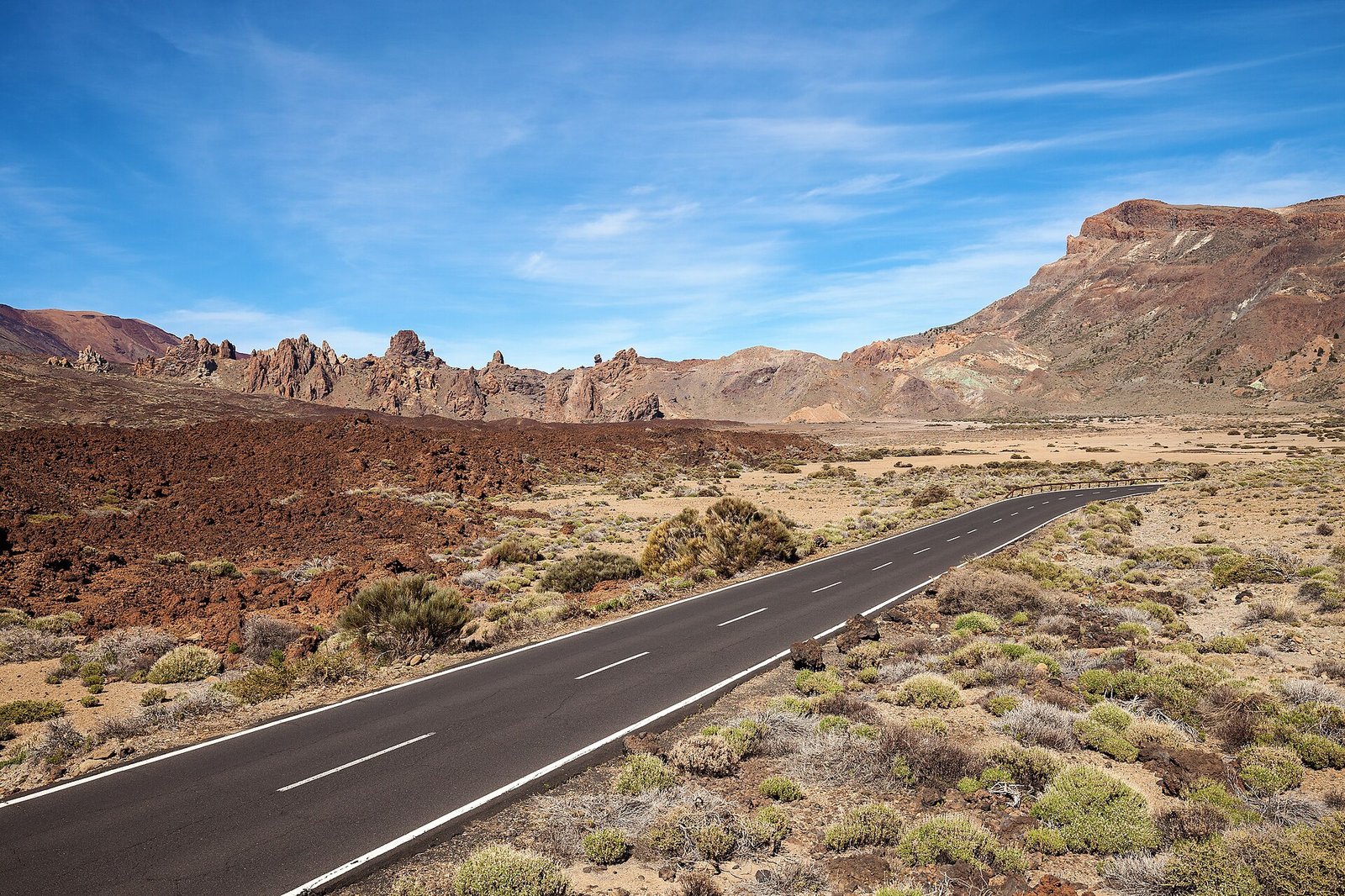
Teide’s high volcanic landscape is Tenerife’s essential inland experience, but access depends on wind, snow, fire risk, road conditions, permits, and cable-car operations. Allow most of a day from either coast. Reserve regulated trails or summit access only through official channels, arrive with warm layers, and do not underestimate altitude. Travelers with relevant medical concerns should seek appropriate advice before rapid ascent.
Anaga Rural Park
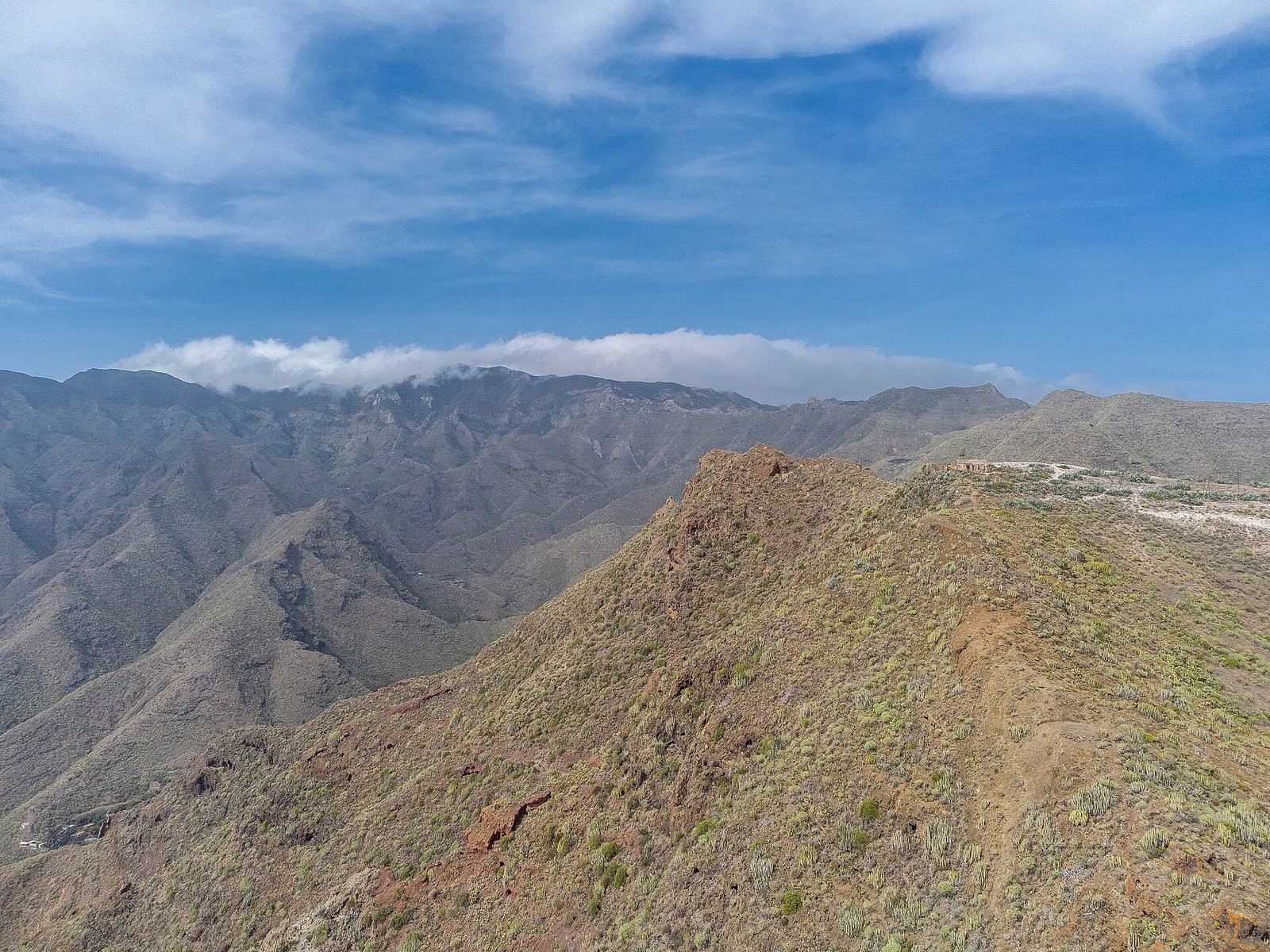
Anaga combines laurel forest, ridges, small settlements, and winding roads in the northeast. Allow a full day and choose one official trail rather than collecting viewpoints. Parking is limited and cloud can reduce visibility. Check Tenerife ON for route status and permit requirements, start early, and carry rain protection even when the south coast is sunny.
La Laguna and Santa Cruz
UNESCO-listed La Laguna rewards a half-day of walking through historic streets, courtyards, and cafes, while nearby Santa Cruz adds markets and contemporary city life. Visit La Laguna in the morning before continuing to Santa Cruz, using tram or bus to avoid parking. Museums and markets keep individual hours. This pair suits culture-focused and car-free travelers.
La Orotava and Puerto de la Cruz
La Orotava’s historic center, balconies, and hillside views pair naturally with Puerto de la Cruz’s waterfront and gardens. Allow a full day without crossing back to the south between stops. Streets are steep and parking can be constrained. Reserve major attractions if needed and leave space for weather changes; the north’s cloud creates atmosphere but can hide mountain views.
Western cliffs, Masca, and coastal viewpoints
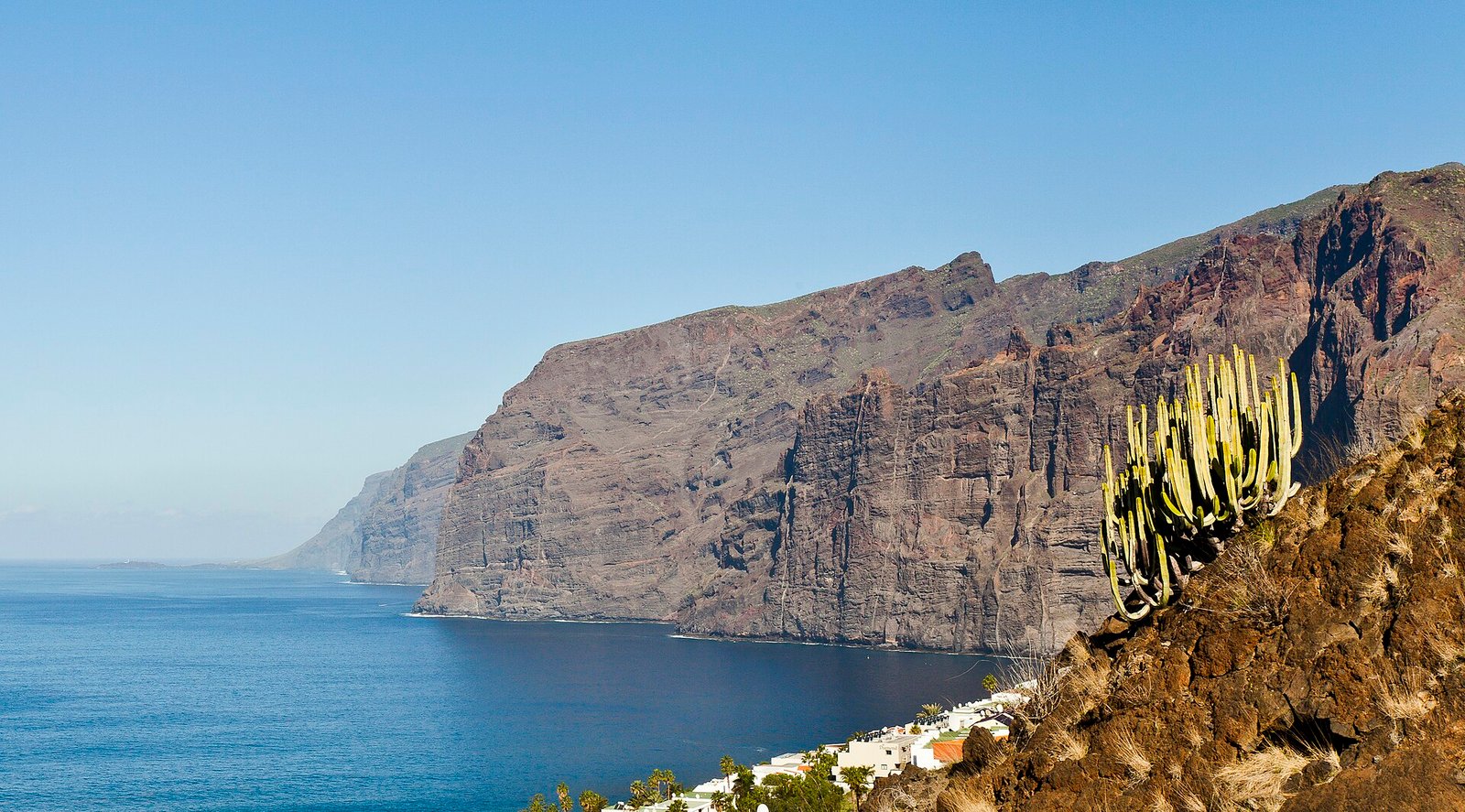
The west offers dramatic cliffs and village roads, but narrow routes, parking controls, and regulated trail access require careful planning. Allow a full day and avoid driving an unfamiliar mountain road after dark. Masca hiking may require permits and organized transport. Travelers uncomfortable with steep roads should use a reputable tour or focus on accessible coastal viewpoints rather than forcing the complete route.
A PRACTICAL ROUTE
Suggested itinerary
Settle into the south
Arrive at Tenerife South, check into Costa Adeje or Los Cristianos, and keep the first day local. Walk the coast, buy supplies, and confirm Teide access and weather without committing to a long mountain drive after a flight.
Teide National Park
Drive or join a reserved excursion to Teide early. Stop at selected official viewpoints, use the cable car only if booked and operating, and return before fatigue or night driving makes mountain roads harder.
Western coast
Explore Los Gigantes and a carefully selected western viewpoint or boat trip. Add Masca only when road, permit, parking, and hiking arrangements are confirmed. Keep the whole day in the west.
Move to the north
Transfer toward Puerto de la Cruz or La Orotava, stopping at one town or coastal site en route. Check in before evening so the next two days begin close to their destinations.
La Orotava and Puerto de la Cruz
Walk La Orotava in the morning, then descend to Puerto de la Cruz for lunch, gardens, or the waterfront. This efficient pairing avoids crossing the island and leaves time for a weather-dependent choice.
La Laguna and Anaga edge
Begin in La Laguna, then continue toward an official Anaga viewpoint or short trail based on conditions. Travelers planning a longer hike should devote the whole day to it and skip Santa Cruz.
Santa Cruz or beach reserve
Use the final day for Santa Cruz and its market, or return to the coast that has the best weather. Depart from Tenerife North when the itinerary ends in the northeast, or allow generous motorway time for Tenerife South.
REALISTIC BUDGET
Estimated travel costs
Tenerife dollar equivalents use the late-July 2026 ECB reference rate and are rounded. Confirm car deposits, regulated trail access, cable-car status, parking, and weather-dependent cancellation terms.
TRAVEL WELL
Practical travel tips
- Do not use a single island-wide weather forecast; compare the south coast, north coast, Anaga, and Teide separately.
- Reserve regulated trails and Teide activities through official channels, then recheck access shortly before departure.
- Choose a compact rental car and read deposit, fuel, insurance, and cross-island ferry terms carefully.
- Never enter roads or trails closed for fire, wind, snow, or maintenance, even when navigation apps continue routing there.
- Cards are common, but small cash amounts help with rural cafes, parking, and temporary payment problems.
- Carry sun protection at the coast and warm windproof layers for altitude on the same day.
- Solo women travelers should avoid remote trail starts late in the day, share hiking plans, and use established transport after resort nightlife.
- Accessibility varies sharply between promenades, volcanic terrain, historic streets, and cable-car facilities; confirm current arrangements directly.
COMMON QUESTIONS
Tenerife travel FAQ
How many days do you need in Tenerife?
Seven days work well for Teide, the north, one southern base, and Anaga. Nine days allow slower beaches, weather flexibility, and fewer long drives.
Do you need a car in Tenerife?
A car is strongly useful for Teide, Anaga, villages, and a varied route. A resort-based or city trip can use TITSA buses, taxis, and organized excursions instead.
Which is better, north or south Tenerife?
The south is sunnier, drier, and resort-focused. The north is greener, more historic, and better placed for La Orotava and parts of Anaga. A split stay gives the best balance.
What is the best month to visit Tenerife?
May, June, September, and October balance warmth with lower demand than peak holidays. Winter is popular for sun, but mountain conditions remain cold and changeable.
Is Tenerife expensive?
It can be moderate by Western European island standards. Resort hotels, car hire, and excursions raise costs, while local restaurants, buses, public beaches, and free viewpoints help.
Is Tenerife safe for solo female travelers?
Visitor areas are generally manageable with standard precautions. Use official trails, avoid remote late starts, watch drinks, verify rides, and keep valuables out of parked cars.
KEEP EXPLORING
Related The Wander Muse guides
CHECK BEFORE DEPARTURE
Sources and official resources
Schedules, fares, closures, access rules, and reservations affecting Tenerife can change. Recheck the official resources below shortly before departure.