START HERE
Why visit Toronto
Toronto is most rewarding when treated as a collection of neighborhoods rather than a checklist centered on one tower. The waterfront, major museums, markets, ravines, and communities shaped by migration create one of North America’s most varied urban trips. It suits food-focused travelers, families, culture lovers, solo visitors, and anyone building a wider Ontario itinerary. Three days cover the downtown core and two contrasting neighborhoods; four to six make space for islands, deeper museums, or a separate Niagara Falls day. This guide explains Toronto’s seasons, both airports, transit payment, accommodation areas, reservations, costs, and an itinerary organized to reduce backtracking across a large city. The main planning issue is distance: “Toronto” can mean a vast urban region, so select a central base near rapid transit and group each day along one subway or streetcar corridor.
AT A GLANCE
Toronto quick travel summary
Toronto budgets below are planning ranges, not quotes. For Toronto, exchange rates, taxes, seasonal demand, event dates, and operator terms can change the final amount, so confirm current details before booking.
WHEN TO GO
Best time to visit
Spring (March–May)
March can remain wintry, while April is changeable and May brings milder days and flowering parks. Crowds and prices are generally below summer, except around major events. Rain and chilly lake wind require layers. Late spring is good for neighborhoods, markets, and ravines, though island services and outdoor attractions may still have limited schedules.
Summer (June–August)
Warm weather, festivals, patios, island trips, and a full sports calendar make summer the busiest period. Central hotels are expensive, ferry queues grow, and humid heat is possible. Reserve accommodation and headline attractions, visit the islands early on a weekday, and use indoor museums during midday. Smoke from regional wildfires can occasionally affect air quality.
Fall (September–November)
September and early October often offer excellent walking weather, cultural events, and fewer family crowds. Rates can stay high during film festival dates and conventions. Ravines and parks gain color later in the season. By November, cold rain and early darkness favor museums, food halls, and compact neighborhood routes.
Winter (December–February)
Winter is cold, with snow, wind, slush, and occasional transport disruption. Accommodation value can improve outside holidays, while indoor attractions and the PATH network support a city break. Wear insulated waterproof footwear and allow extra travel time. The season best suits visitors prioritizing museums, food, hockey, and theater rather than islands or long waterfront walks.
ARRIVING
How to get there
Toronto Pearson International Airport is the primary long-haul gateway. UP Express rail connects Pearson with Union Station and is usually the fastest predictable option for downtown, with official fares and operating times available online. TTC airport bus connections can cost less but take longer and may require transfers. Billy Bishop Toronto City Airport serves selected routes close to downtown, reached through a short tunnel or ferry and onward ground transport. Union Station is the hub for VIA Rail, GO Transit, UP Express, and local connections. Taxis and app-based rides are useful for groups or accommodation outside the center, but highway congestion is significant. Buy rail tickets through official providers, check late-night connections, and avoid judging an airport solely by map distance.
MOVING AROUND
Getting around
The TTC subway handles the main north–south and east–west journeys, with streetcars and buses reaching waterfront and neighborhood corridors. Use PRESTO or current contactless-payment options and verify transfer rules through the TTC. Streetcars operate in traffic and may be slower than expected; board and cross tracks carefully. Downtown is walkable, but the city’s attractions are widely separated. Bike Share Toronto can be useful on protected waterfront routes for confident riders. Ferries reach the Toronto Islands, with seasonal crowds and weather-dependent operation. A rental car is unnecessary in the core and parking is costly. Travelers requiring step-free travel should check elevator status and accessible-stop details because older stations and streetcar stops differ.
CHOOSE A BASE
Where to stay
Downtown or Entertainment District — best for first-time visitors
This area provides easy access to Union Station, the CN Tower, waterfront, theaters, sports venues, and multiple transit lines. It suits short stays and first arrivals by rail. Hotel prices are high during events, streets can be noisy, and the district feels more commercial than residential.
Yorkville or the Annex — best for museums and a calmer base
Yorkville places upscale shopping and hotels near the Royal Ontario Museum; the Annex offers cafés, university streets, and somewhat more casual accommodation. Both have strong subway access. Yorkville is expensive, while the Annex requires a longer ride to waterfront sights. They suit culture-focused couples and repeat visitors.
Kensington Market, West Queen West, or Leslieville — best for neighborhood life
Kensington and West Queen West offer food, art, nightlife, and independent shops; Leslieville is quieter with cafés and east-end access. These areas suit longer stays and travelers prioritizing local evenings. Transit to some major sights takes more time, and weekend noise varies. Check the exact property’s legal status and nearest stop.
PLAN YOUR DAYS
Best things to do
CN Tower and central waterfront
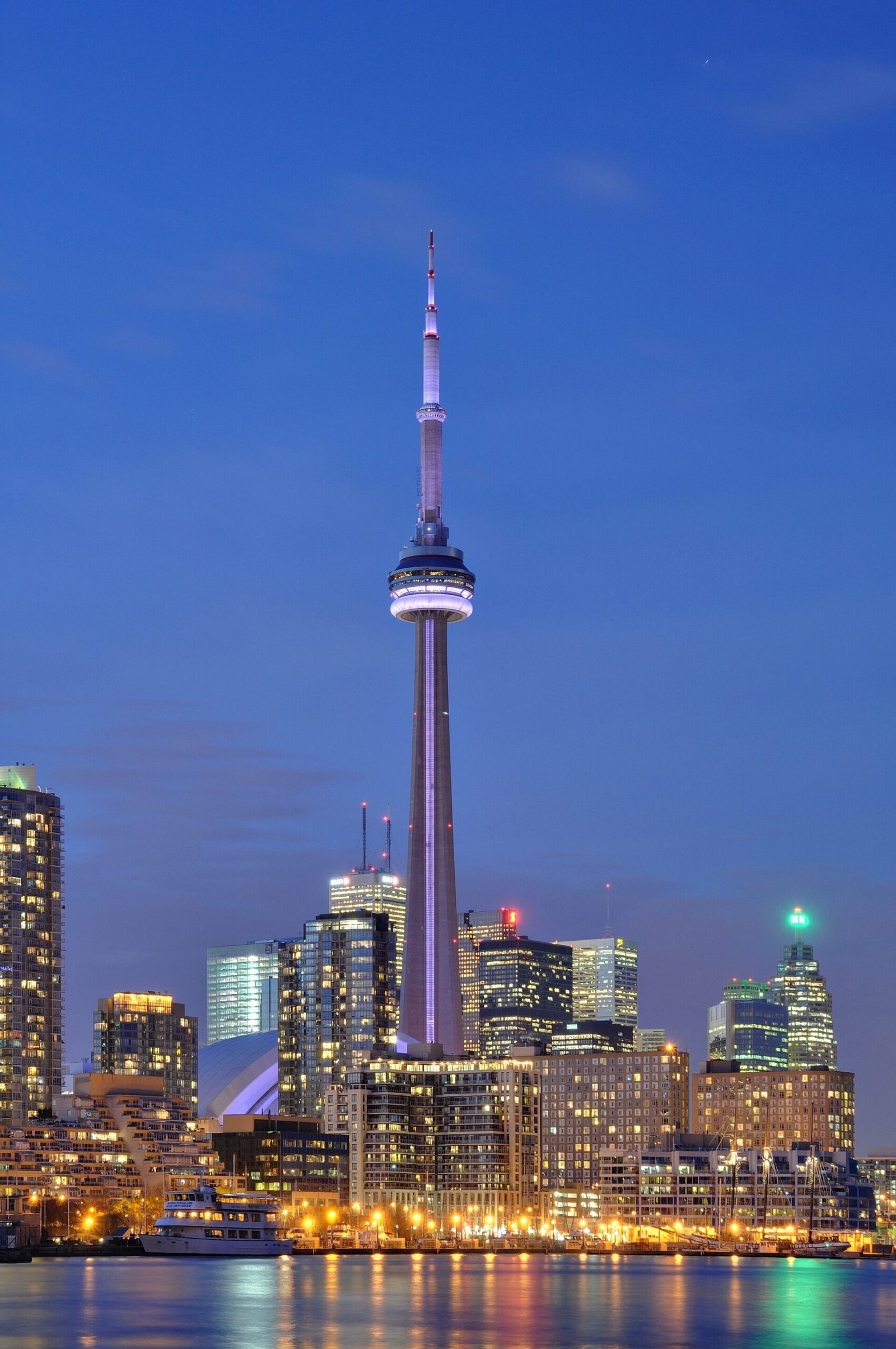
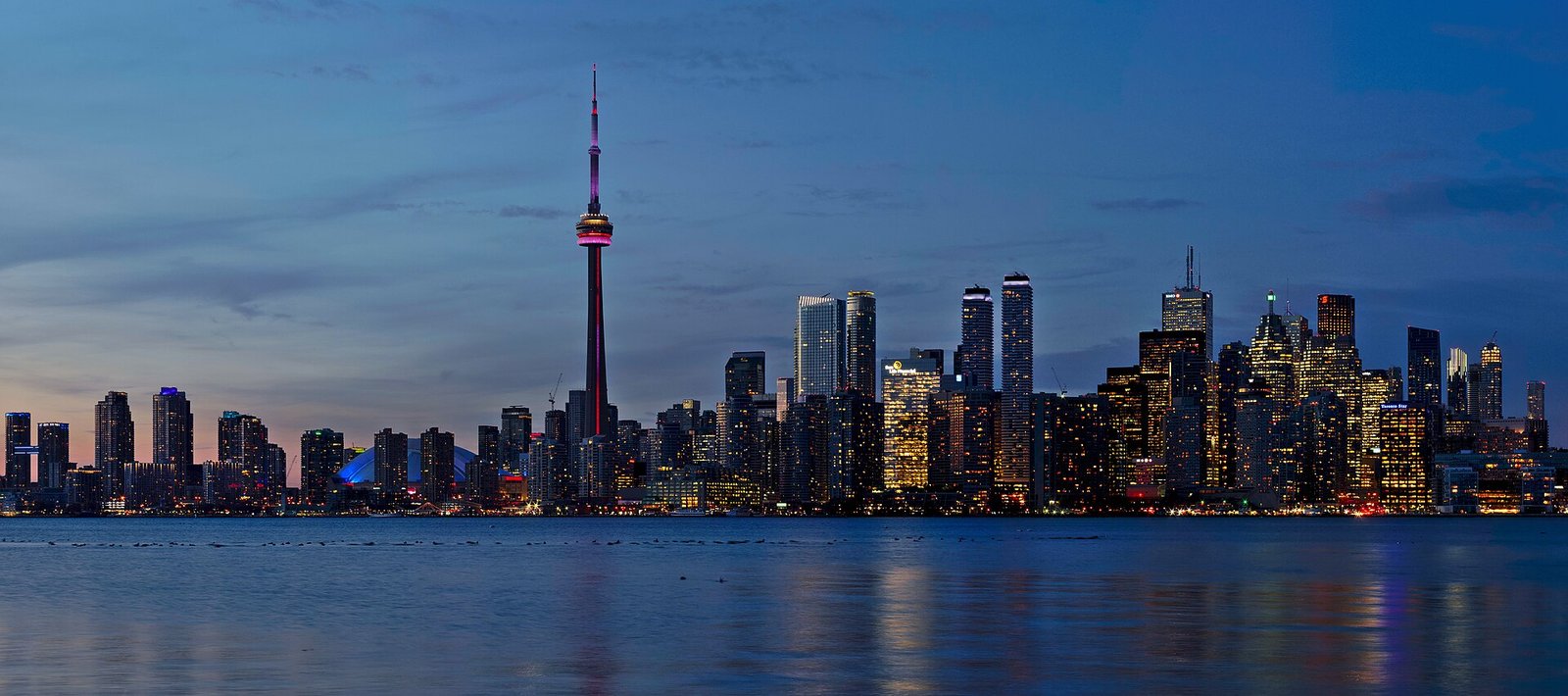
The tower provides a geographic overview of Lake Ontario and the urban region. A timed visit generally takes 90 minutes to two hours, longer with dining. Reserve sunset periods early and understand that cloud can eliminate the view. Pair it with the nearby waterfront or a game rather than crossing town afterward. It suits first-time visitors, while those uncomfortable with heights have many alternatives.
Royal Ontario Museum
The ROM combines natural history, world cultures, art, and major temporary exhibitions. Allow three to four hours for a selective visit. Buy timed admission ahead for popular exhibitions and school holidays, and check which galleries are open. The museum is a dependable winter or rainy-day anchor and works well with Yorkville or the Annex.
St. Lawrence Market and Old Town
The market, historic streets, and nearby architecture provide a food-focused half day. Visit earlier in the day and confirm operating days because individual vendors and market buildings follow specific schedules. Entry is free; tastings and guided tours cost extra. Avoid arriving with one “must-eat” stall as the only plan because closures and queues change.
Toronto Islands
The islands offer skyline views, beaches, picnic areas, and car-free paths a short ferry ride from downtown. Allow half a day and longer in summer. Check ferry tickets, schedules, return queues, and weather before leaving. Weekday mornings are quietest. Bring food or verify seasonal concessions, and understand that swimming conditions and beach services vary.
Neighborhood food and culture
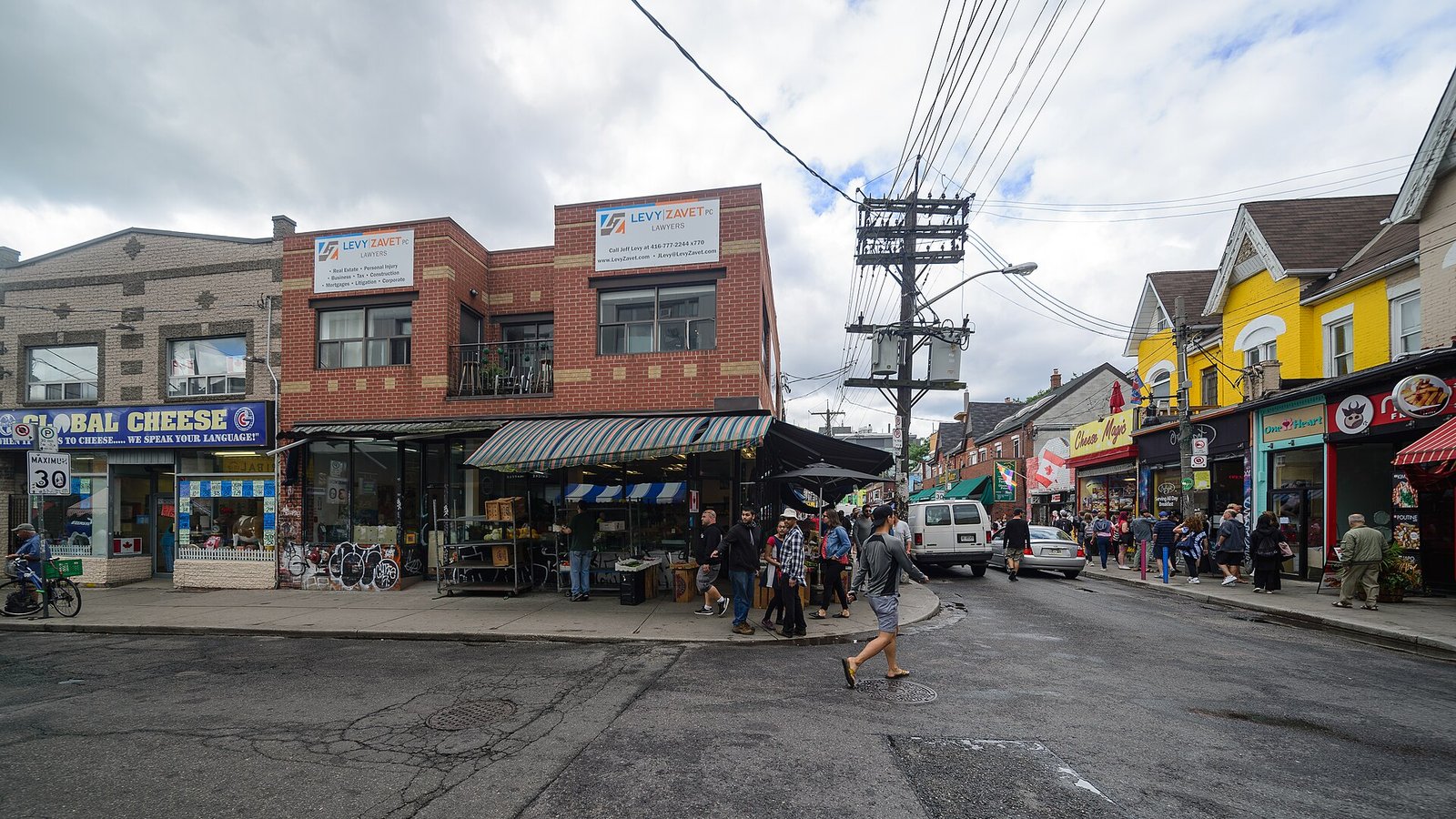
Kensington Market, Chinatown, Little India, Greektown, Koreatown, and other communities reward focused exploration. Choose one or two adjacent areas for three to four hours, support independent businesses, and avoid turning cultural neighborhoods into a rapid photo checklist. A small-group local food tour can add context when operators compensate partners responsibly.
A PRACTICAL ROUTE
Suggested itinerary
Downtown and lake
Arrive through Union Station, walk the central waterfront, and use a reserved CN Tower time if visibility is good. Finish nearby with a game, theater performance, or dinner.
Old Town and neighborhoods west
Visit St. Lawrence Market in the morning, continue through Old Town, then take transit to Kensington Market and Chinatown. Keep the evening in the west end.
Museum corridor
Book the Royal Ontario Museum for the morning, walk Yorkville or the Annex, and choose a nearby gallery, university site, or restaurant rather than returning downtown repeatedly.
Toronto Islands
Take an early ferry in suitable weather, explore on foot or bicycle, and return before peak evening queues. Use an indoor museum alternative if wind or storms affect service.
Go deeper or travel outward
Add the Art Gallery of Ontario, Distillery District, ravine walk, or east-end neighborhoods. Treat Niagara Falls as a dedicated full day or overnight, not a minor add-on to an already full city day.
REALISTIC BUDGET
Estimated travel costs
USD equivalents for Toronto are rounded planning comparisons where shown. For Toronto, check local tax, gratuity, accommodation fees, and cancellation terms before payment.
TRAVEL WELL
Practical travel tips
- Toronto prices are normally shown before sales tax, and restaurant gratuity may be additional. Read the final payment screen before confirming.
- Use official TTC information for transfers and service changes. A route that looks direct may be slowed by street traffic or construction.
- The lakefront can be much cooler than inland neighborhoods. Carry a layer even on a warm spring or fall day.
- Reserve major festival dates, sports tickets, and central accommodation early; events can alter both price and transit crowding.
- Cards and contactless payment are widespread. Pay in Canadian dollars when offered a currency choice and keep a small cash backup.
- Check air quality during wildfire-smoke periods and move strenuous outdoor activity indoors if official advice recommends it.
- Neighborhoods are lived-in communities. Ask before close-up photography in markets and support local businesses rather than only collecting landmarks.
- Solo female travelers can use the city’s strong transit network, but should wait in designated station areas at night and verify the final walk from a streetcar stop.
COMMON QUESTIONS
Toronto travel FAQ
How many days do you need in Toronto?
Three days cover the central highlights and selected neighborhoods. Four to six days allow an island trip, more museums, weather flexibility, and a separate Niagara Falls day.
Is Toronto expensive to visit?
Accommodation and headline attractions can be expensive, especially during festivals. Public transit, markets, parks, neighborhoods, and free waterfront time help balance the budget.
Do you need a car in Toronto?
No for the city center. TTC, walking, bike share, ferries, taxis, and regional rail are more practical. A car may help for rural Ontario but adds traffic and parking costs.
Which Toronto airport is easiest?
Billy Bishop is closest but serves fewer routes. Pearson has the widest flight network and a direct rail link to Union Station, making it straightforward despite its distance.
What is the best month to visit Toronto?
June and September usually offer warm weather and active visitor services. September can be busy during the film festival, so check exact dates before booking.
Is Toronto safe for solo female travelers?
Many women travel independently in Toronto. Use standard big-city awareness, follow current local guidance, and choose active routes or verified transport late at night.
KEEP EXPLORING
Related The Wander Muse guides
CHECK BEFORE DEPARTURE
Sources and official resources
Schedules, fares, closures, and timed-entry systems affecting Toronto can change. Recheck the official resources below shortly before departure.