START HERE
Why visit Nashville
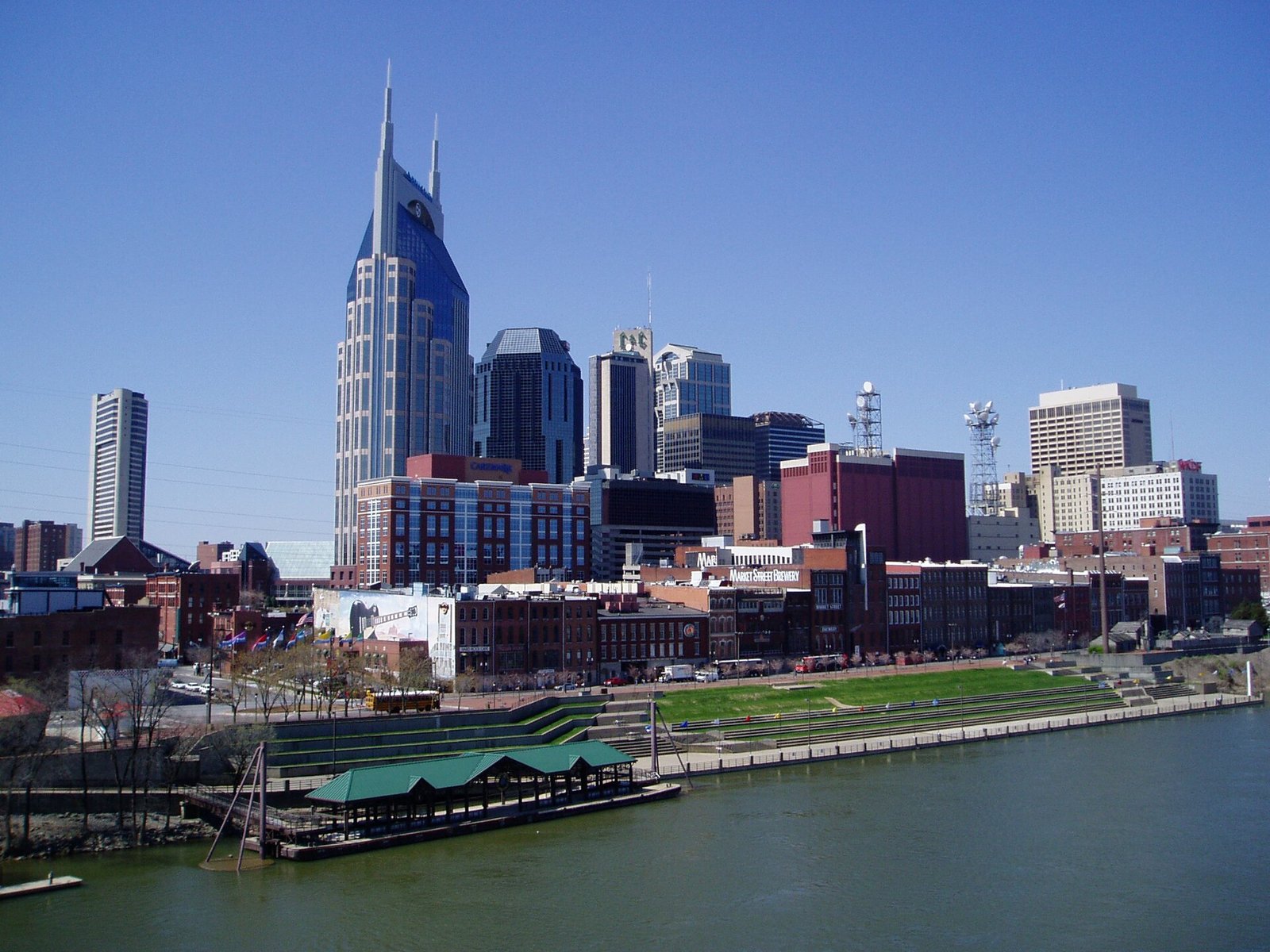
Nashville is best understood as a working music city rather than a single neon nightlife strip. Country landmarks are central to the experience, but songwriter rooms, Black music history, independent venues, museums, and neighborhood restaurants make the trip far richer. It suits music fans, couples, groups of friends, solo travelers, and first-time visitors to the American South. Three days cover the major institutions and one live show; four days allow a studio tour, quieter neighborhoods, and a more sustainable evening pace. This guide explains weather, airport transfers, limited public transit, the best areas to stay, show reservations, realistic costs, and an itinerary that does not require constant rides across town. The key decision is where to sleep: Nashville is spread out, so a cheaper room can cost more in transport if it is far from both the attractions and your chosen evening venues.
AT A GLANCE
Nashville quick travel summary
Nashville budgets below are planning ranges, not quotes. For Nashville, exchange rates, taxes, seasonal demand, event dates, and operator terms can change the final amount, so confirm current details before booking.
WHEN TO GO
Best time to visit
Spring (March–May)
Spring brings mild-to-warm days, blossoms, thunderstorms, and a busy event calendar. April and May are excellent for neighborhood walks and outdoor performances, but hotel rates rise around festivals, graduations, and major shows. Pack rain protection and monitor severe-weather alerts. Reserve high-demand venues early while keeping daytime plans flexible.
Summer (June–August)
Summer is hot, humid, crowded, and active, with large music events and premium weekend prices. Outdoor queues and midday walks can be exhausting. Schedule museums during the hottest hours, hydrate, and use verified transport rather than walking long distances in extreme heat. Thunderstorms and heat advisories may change outdoor schedules.
Fall (September–November)
September and October often offer warm days, cooler evenings, and a strong live-music calendar. Prices remain high during major events and football weekends, but the walking conditions are generally better than summer. Late fall becomes cooler and quieter. It is a good period for studios, parks, and combining central sights with neighborhoods.
Winter (December–February)
Winter is usually cool rather than severe, though ice and occasional snow can disrupt roads in a city less equipped for wintry conditions. Outside holidays and major events, room rates may be lower. Museums, songwriter performances, and restaurants anchor a strong indoor itinerary. Confirm venue schedules, as some tours and events reduce frequency.
ARRIVING
How to get there
Nashville International Airport lies southeast of downtown. WeGo public bus service offers the lowest-cost airport connection and is useful for light luggage when its stops and hours match the trip; verify the current route through the official transit site. Taxis and app-based rides are the easiest door-to-door option for most visitors, with travel time commonly ranging from roughly 15 minutes to much longer during traffic or major events. Nashville does not have a central passenger rail service comparable with many northeastern U.S. cities, so intercity travelers usually arrive by air, bus, or car. If driving, confirm hotel parking rates before booking. Do not schedule a show too close to arrival time: baggage delays, road congestion, and downtown closures can turn a short airport distance into a stressful transfer.
MOVING AROUND
Getting around
Downtown, the Gulch, and parts of SoBro are walkable, but Nashville’s major attractions and neighborhoods are spread out and some roads are uncomfortable for pedestrians. WeGo buses cover useful corridors at low cost, although frequency and late-night coverage may not match a music-focused itinerary. Use the official trip planner rather than assuming every venue has easy transit. Taxis and recognized ride apps are common, with surge pricing after arena events and bar closing times. Bike and scooter programs can help on suitable routes, but traffic, hills, heat, and alcohol make them poor choices for some visitors. A rental car helps with regional stops such as Franklin or farther studios, yet downtown parking is expensive. Groups should compare a central hotel plus shared rides with a cheaper suburban room and daily transport.
CHOOSE A BASE
Where to stay
Downtown or SoBro — best for first-time visitors
This base places Broadway, the Ryman, Country Music Hall of Fame, Bridgestone Arena, and many tours within walking distance. It minimizes late-night transport and suits short stays. Rates are high, street noise is constant on busy blocks, and the atmosphere can feel dominated by party tourism. Request a quiet room away from entertainment streets.
The Gulch or Midtown — best for balance
The Gulch offers newer hotels and restaurants between downtown and Music Row; Midtown is convenient for live music, universities, and a less concentrated nightlife scene. Both suit couples and repeat visitors. Walking routes can be less pleasant than the map suggests, and occasional rides are still necessary.
East Nashville — best for neighborhood music and food
East Nashville has independent venues, cafés, vintage shops, and a more residential rhythm. It is appealing for longer stays and travelers who already know their evening plans. River crossings and limited late transit increase ride costs, while short-term rental locations vary widely. Choose a well-reviewed property near the specific district you plan to use.
PLAN YOUR DAYS
Best things to do
Country Music Hall of Fame and Museum
This major museum traces country music through recordings, instruments, clothing, archives, and changing cultural context. Allow two and a half to four hours. Buy admission ahead on busy weekends and check whether a studio tour package fits the schedule. It suits devoted fans and newcomers because exhibits provide essential background before evening performances.
Ryman Auditorium
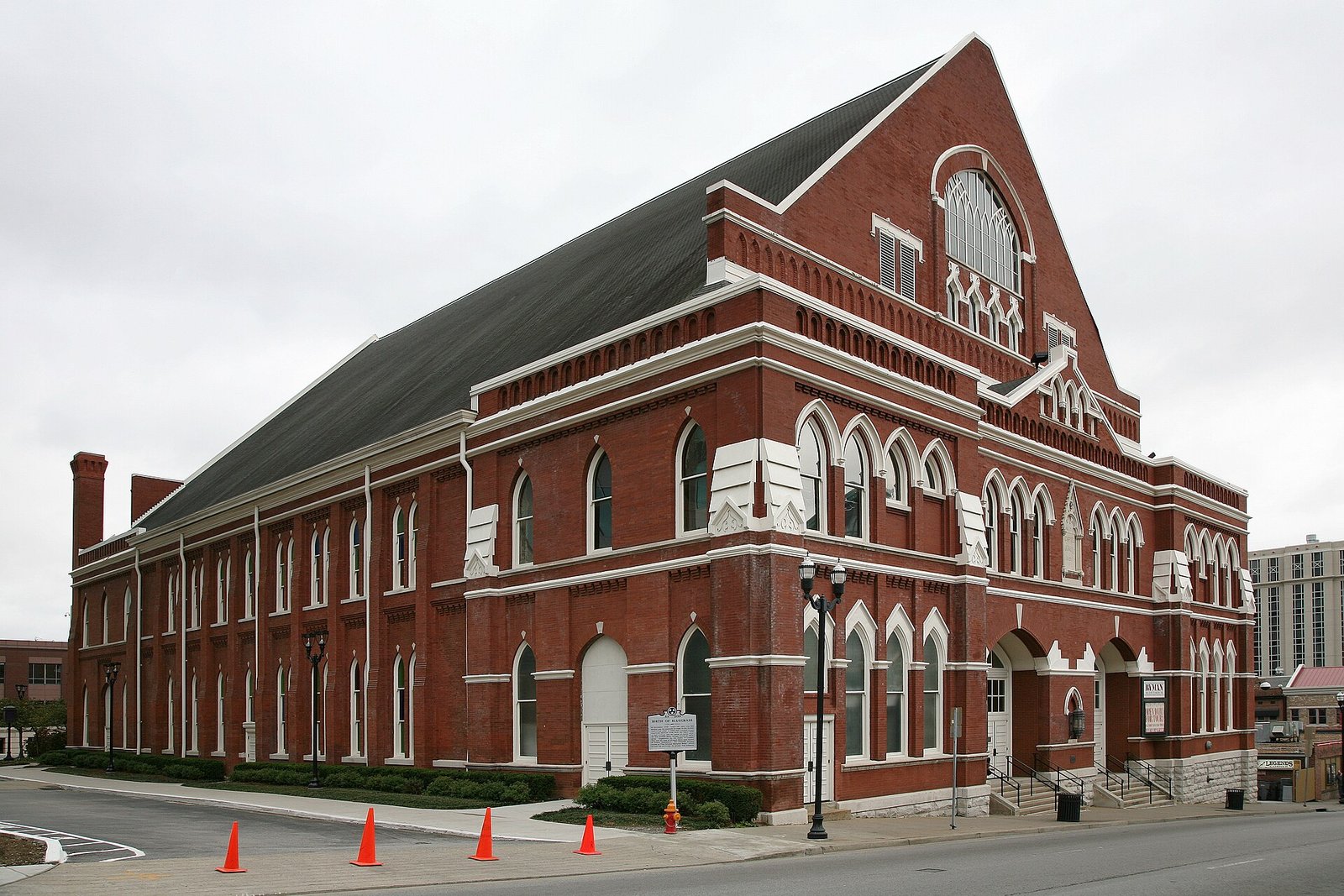
The former home of the Grand Ole Opry remains one of Nashville’s most significant performance spaces. A daytime tour takes roughly one to two hours, while a concert creates a completely different experience. Reserve popular shows early and purchase through official channels. Even travelers who do not identify as country fans often value the building’s acoustics and history.
Grand Ole Opry
An Opry show combines established artists and new performers in a structured live radio tradition. The venue is outside downtown, so plan transport before buying a ticket and allow most of an evening. Lineups can change and seats sell strongly on popular dates. Arrive early for security and do not pair the show with a distant late dinner reservation.
National Museum of African American Music
The museum connects spirituals, blues, jazz, gospel, R&B, hip-hop, and other traditions through interactive galleries. Allow two to three hours, longer if using every listening feature. Timed tickets are useful on weekends. It provides crucial context for Nashville’s broader music identity and belongs in any itinerary claiming to go beyond the usual country landmarks.
Songwriter venues and neighborhood stages
Small rooms reveal how songs are built, but seating, age rules, covers, reservations, and audience etiquette differ. Research a specific calendar, arrive early, and remain quiet during listening-room performances. Allow a full evening rather than trying to venue-hop across distant districts. Tip performers where customary and support venues directly.
A PRACTICAL ROUTE
Suggested itinerary
Downtown music history
Start at the Country Music Hall of Fame, walk through SoBro, and tour or attend the Ryman. Choose one researched downtown performance for the evening and avoid overbooking the first night.
Music Row and Midtown
Visit a studio or music-history site in the morning, continue through Music Row or Centennial Park, then attend a songwriter round in Midtown. Keep venues in the same side of the city.
Broader Nashville sound
Book the National Museum of African American Music, have a planned meal, and spend the evening at the Grand Ole Opry or another reserved show. Confirm the return ride before departure.
East Nashville or regional extension
Explore East Nashville’s shops and cafés with a specific venue in mind, or use a car for Franklin and regional history. Do not combine both directions unless schedules genuinely align.
REALISTIC BUDGET
Estimated travel costs
USD equivalents for Nashville are rounded planning comparisons where shown. For Nashville, check local tax, gratuity, accommodation fees, and cancellation terms before payment.
TRAVEL WELL
Practical travel tips
- Buy major show tickets from the venue or authorized seller. Resale listings can add large fees and may misrepresent seat details.
- Broadway’s open-door venues are only one part of Nashville. Balance them with a listening room, museum, or locally programmed neighborhood stage.
- Do not talk through quiet songwriter performances. Listening-room etiquette is part of respecting the artists and audience.
- Heat, thunderstorms, and severe weather can affect outdoor plans. Enable local alerts and avoid sheltering under isolated trees.
- Cards are widespread, but keep cash for musician tips, small covers, and valet service. Check whether automatic gratuity is already included.
- Choose footwear for hills and long indoor standing, not only for nightlife style. Central blocks can be farther apart than expected.
- Weekend closing time creates intense ride demand. Leave before the rush, wait inside an active venue, or use a licensed taxi queue.
- Solo female travelers should pre-select evening venues, watch drinks, use verified transport, and avoid long isolated walks between entertainment districts.
COMMON QUESTIONS
Nashville travel FAQ
How many days do you need in Nashville?
Three days cover the main music museums and two evenings of performances. Four days allow East Nashville, a studio, or a regional extension at a less rushed pace.
Is Nashville only for country music fans?
No. Country music is central, but the city also offers African American music history, rock, pop, Americana, gospel, jazz, museums, food, and design.
Do you need a car in Nashville?
Not if staying centrally and using buses or rides for a short visit. A car becomes useful for spread-out neighborhoods or regional day trips, but parking adds cost.
What is the best month to visit Nashville?
April, May, September, and October usually provide the best walking weather. Always check the event calendar because concerts, festivals, and games affect crowds and prices.
Is Broadway free to visit?
Walking the district is free, and many bars advertise no cover, but drinks, age restrictions, special shows, tips, and private events still apply.
Is Nashville safe for solo female travelers?
Many women visit independently. Select a well-connected hotel, manage alcohol carefully, stay in active areas after dark, and use verified rides between distant venues.
KEEP EXPLORING
Related The Wander Muse guides
CHECK BEFORE DEPARTURE
Sources and official resources
Schedules, fares, closures, and timed-entry systems affecting Nashville can change. Recheck the official resources below shortly before departure.