START HERE
Why visit Chicago
Chicago combines world-class architecture, serious museums, lakefront beaches, and distinctive neighborhood food in a city that is easier to navigate than its size suggests. It works especially well for first-time U.S. visitors, architecture enthusiasts, food-focused couples, families, and solo travelers who want a full city break without renting a car. Four days cover the essential downtown sights; five or six make room for Hyde Park, the North Side, or a slower afternoon beside Lake Michigan. This guide explains when to visit, how to arrive from both airports, where to stay, what reservations matter, and how to group the main sights efficiently. The key planning point is Chicago’s weather: lake wind, summer heat, and winter cold can reshape a day, so build one indoor alternative into every season.
AT A GLANCE
Chicago quick travel summary
Chicago budgets below are planning ranges, not quotes. For Chicago, exchange rates, taxes, seasonal demand, event dates, and operator terms can change the final amount, so confirm current details before booking.
WHEN TO GO
Best time to visit
Spring (March–May)
Weather changes quickly: cold lake winds and rain are common in March and April, while May can be mild and bright. Crowds and room rates are generally lower than in summer except around major events. Pack a waterproof layer and use colder days for the Art Institute, Museum Campus, or an architecture center exhibition. Late spring is excellent for parks and neighborhood walks, but the lakefront can feel much colder than inland streets.
Summer (June–August)
Warm weather, long evenings, festivals, beaches, and boat cruises make summer the liveliest period. It also brings the largest crowds and some of the year’s highest hotel prices, especially on event weekends. Reserve popular architecture cruises, observation decks, and central hotels early. Humidity and thunderstorms are possible, so schedule exposed lakefront activities in the morning and keep a museum backup.
Fall (September–November)
September and early October often provide the best balance of comfortable temperatures, open seasonal activities, and manageable crowds. Prices can remain high during conventions and marathon weekend, then soften as temperatures fall. Architecture walks, the Riverwalk, and lakeside cycling are strong choices. By November, wind and early cold require winter-ready layers even when the forecast appears moderate.
Winter (December–February)
Winter is cold, windy, and occasionally disruptive, but travelers who prepare well can find lower accommodation prices and fewer lines outside holiday weekends. Museums, theaters, restaurants, and indoor viewpoints still make a rewarding itinerary. Wear an insulated coat, waterproof boots, gloves, and face protection; allow extra transit time during snow. A winter trip suits culture-focused visitors more than travelers prioritizing beaches or long outdoor walks.
ARRIVING
How to get there
O’Hare International Airport is the main long-haul gateway. The CTA Blue Line runs between O’Hare and downtown around the clock and is usually the simplest low-cost option; allow roughly 45–60 minutes, plus time to reach your hotel. From Midway, the Orange Line typically reaches the Loop in about 25–35 minutes during operating hours. Taxis and app-based rides are easier with heavy luggage or late arrivals, but journey times and prices vary sharply with traffic. Amtrak and several regional trains arrive at Union Station, convenient for the West Loop and a short taxi or transit ride from most central neighborhoods. Drivers should compare hotel parking charges before choosing a car. Buy or load a Ventra fare at a station, and check CTA service alerts shortly before travel rather than relying on a fixed timetable.
MOVING AROUND
Getting around
The elevated and subway rail network connects both airports with the Loop and reaches neighborhoods such as Wicker Park, Logan Square, Lakeview, and Hyde Park via rail-plus-bus combinations. Buses fill many east–west gaps and are useful along Michigan Avenue and the lakefront. Contactless payment and Ventra passes simplify transfers; official CTA fares and pass prices should be checked before departure. Downtown is walkable, but blocks are long and the lake wind can make apparent distances tiring. Divvy bikes are useful on protected lakefront sections for confident riders. A rental car is unnecessary for a central city break and becomes a liability because of parking fees and traffic. Use licensed taxis or recognized ride apps after late shows, and allow extra time when a major game, festival, or convention ends.
CHOOSE A BASE
Where to stay
The Loop and River North — best for first-time visitors
These central areas give easy access to Millennium Park, the Riverwalk, architecture cruises, theaters, and multiple ‘L’ lines. River North has more restaurants and nightlife; the Loop becomes quieter after office hours. Rates and parking can be high, and the setting feels more businesslike than residential. Choose this base for a short visit, an early architecture cruise, or maximum convenience.
West Loop — best for restaurants and contemporary city life
The West Loop puts food halls, acclaimed dining, galleries, and the Fulton Market scene close at hand. It suits couples and repeat visitors who prioritize evenings out. The main sights are not all walkable, so plan to use the ‘L’, buses, or occasional rides. Weekend noise and premium room prices are the main disadvantages.
Lakeview or Lincoln Park — best for neighborhoods and value
These North Side districts offer cafés, parks, music venues, and a more local rhythm, often with better-value rooms than the downtown core. They work well for longer stays, families, and baseball fans. Reaching Museum Campus or the South Side takes longer, and accommodation may be farther from an accessible rail station, so check the exact block before booking.
PLAN YOUR DAYS
Best things to do
Chicago Architecture Center river cruise
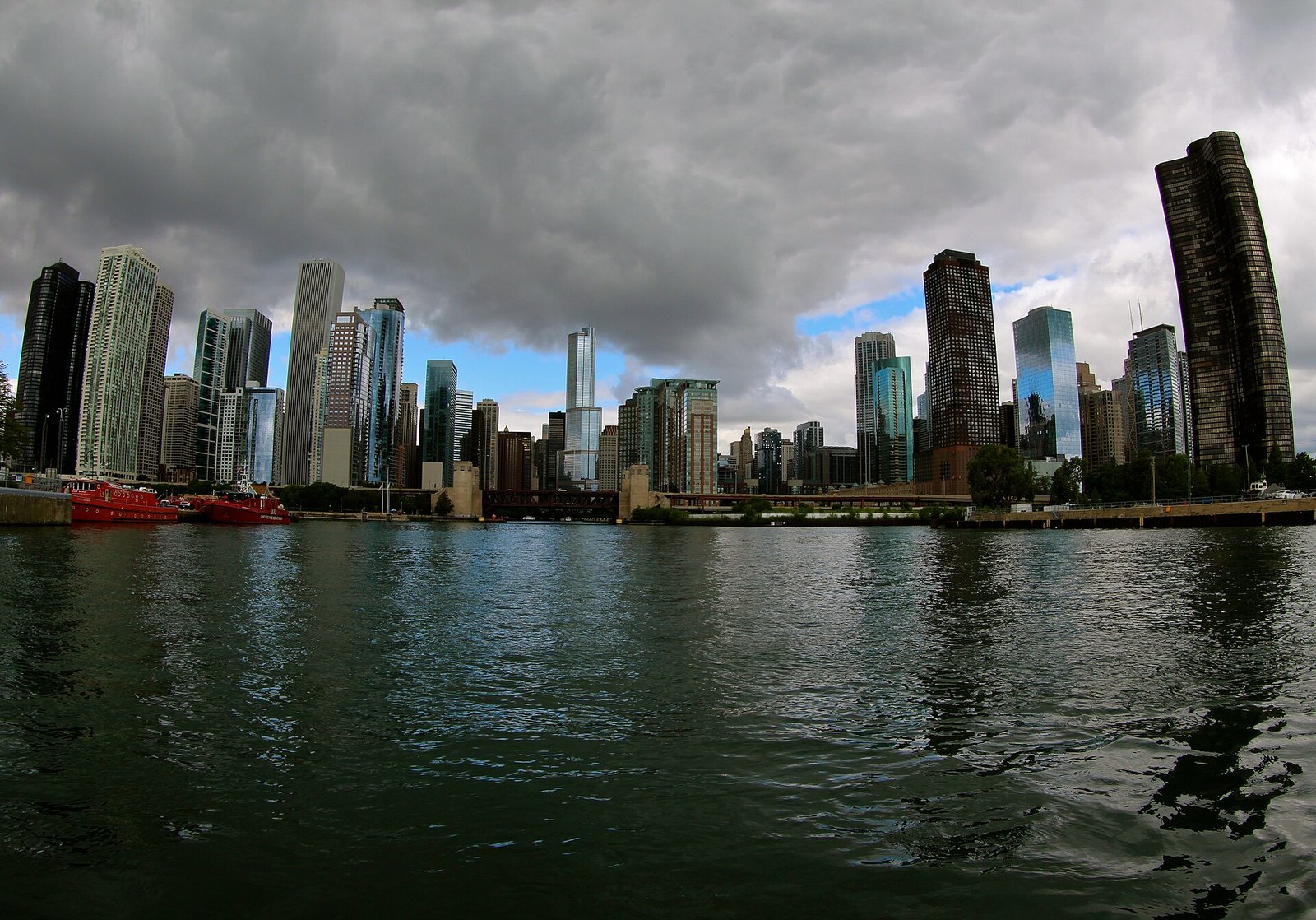
Chicago’s skyline makes most sense from the river, where a trained guide can connect engineering, design movements, and the city’s rebuilding story. Allow about 90 minutes plus boarding time. Late morning gives balanced light, while an evening departure can be atmospheric. Popular sailings sell out in warm months, so reserve ahead through the official operator and arrive before the stated check-in time. The cruise is especially valuable for first-time visitors and design enthusiasts.
Millennium Park and the Chicago Cultural Center
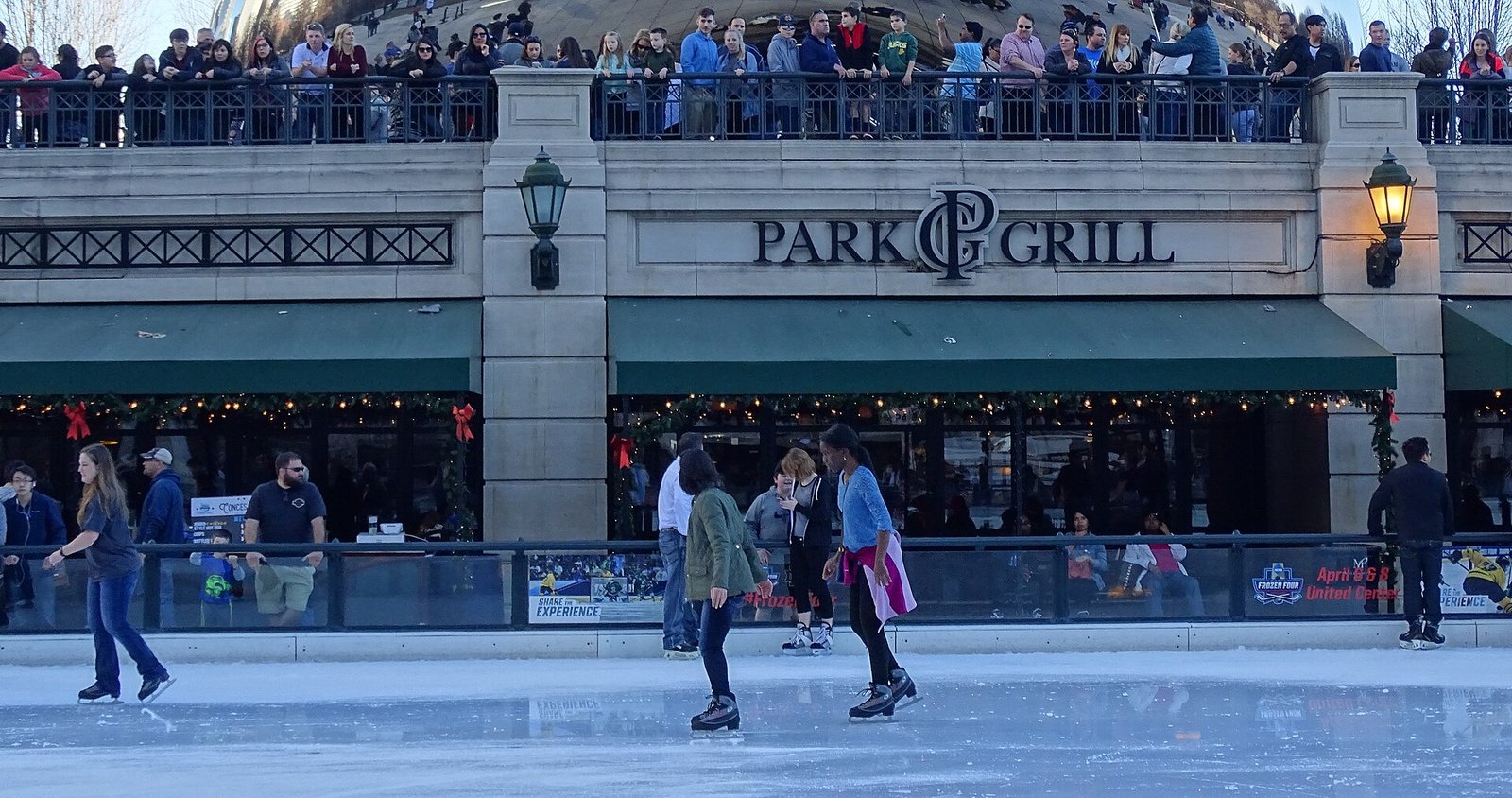
Cloud Gate, the park’s gardens, and nearby lake views form an efficient first orientation. Combine them with the free Chicago Cultural Center across Michigan Avenue for its interiors and exhibitions. Allow 90 minutes to two hours, longer for a concert or picnic. Early morning is best for photographs with fewer people. Public areas are free, but event access and temporary closures vary.
Art Institute of Chicago
The collection ranges from European masterpieces to American art, photography, design, and works from Asia, making it easy to spend half a day. Two and a half to four hours is realistic for a focused visit. Buy timed admission in advance during holidays and rainy weekends, then select a few priority galleries rather than attempting every room. It suits art lovers, families with older children, and winter visitors.
Museum Campus
The Field Museum, Shedd Aquarium, and Adler Planetarium share a lakefront setting south of downtown. Each can occupy several hours, so choose one major museum per day instead of rushing all three. Reserve timed entry when offered, especially for the aquarium and school-holiday periods. The skyline viewpoint beside the planetarium is worthwhile even without a ticket. Families should allow additional time for security and food breaks.
Chicago neighborhoods and lakefront
Use a half day for one coherent district rather than sampling many: Wicker Park for independent shops, Pilsen for murals and Mexican-American culture, Hyde Park for architecture and university museums, or Lincoln Park for green space. The Lakefront Trail adds beaches and skyline views in warm weather. Visit during daylight, check event calendars, and use transit between distant areas. This is the best way for repeat visitors to move beyond downtown.
A PRACTICAL ROUTE
Suggested itinerary
The Loop and the river
Begin at the Chicago Cultural Center and Millennium Park, walk north along Michigan Avenue, then join a reserved architecture cruise. Finish on the Riverwalk or in River North so the day stays geographically compact.
Art and the lakefront
Book the Art Institute for opening time, pause in Grant Park, and continue to one Museum Campus institution. Stay for the skyline view near Adler Planetarium before returning downtown.
North Side neighborhoods
Explore Lincoln Park in the morning, then continue to Lakeview or Wrigleyville. Choose a baseball game, comedy performance, or live-music venue in the evening and confirm transport back in advance.
West Loop and a chosen neighborhood
Have breakfast or lunch in the West Loop, then devote the afternoon to Pilsen or Wicker Park. Return for a planned dinner rather than crossing the city repeatedly.
Go deeper
Add Hyde Park and the Museum of Science and Industry, cycle a lakefront section in suitable weather, or schedule the major museum skipped earlier. Keep one flexible block for storms, extreme heat, or winter snow.
REALISTIC BUDGET
Estimated travel costs
USD equivalents for Chicago are rounded planning comparisons where shown. For Chicago, check local tax, gratuity, accommodation fees, and cancellation terms before payment.
TRAVEL WELL
Practical travel tips
- Architecture cruises, major theater performances, and central hotels can sell out around summer weekends and conventions; reserve the fixed items before building the rest of the itinerary.
- The lakefront is often colder and windier than neighborhoods farther west. Carry a layer even when the daytime forecast looks warm.
- Chicago restaurants commonly expect tipping in addition to displayed menu prices; check whether a service charge is already included.
- Cards and contactless payments are widely accepted, but keep a small backup amount for older machines, coat checks, or cash-only neighborhood businesses.
- Avoid treating “downtown” as the whole city. Choose one neighborhood per half day and learn the transit route before leaving.
- Save CTA maps and hotel directions offline. Mobile service is generally reliable, and prepaid U.S. eSIMs are widely available for unlocked phones.
- Museum hours and free-admission arrangements change; check the institution’s official calendar rather than planning around an old blog post.
- Solo travelers should use normal large-city precautions, wait in populated transit areas at night, and choose a licensed taxi or verified ride when a late venue is far from rail.
COMMON QUESTIONS
Chicago travel FAQ
How many days do you need in Chicago?
Four days are enough for the Loop, an architecture cruise, one major museum, and a neighborhood. Five or six days allow a calmer pace, more museums, and time for Hyde Park or the North Side.
Is Chicago expensive to visit?
Central hotels and ticketed attractions can be expensive, especially during events. Public transit, free parks, the lakefront, and neighborhood meals make costs easier to control.
Do you need a car in Chicago?
No. CTA trains, buses, walking, and occasional taxis cover a typical city itinerary. A car usually adds parking expense and is useful mainly for destinations well outside the transit network.
Which Chicago airport is easiest?
Midway is closer to downtown, while O’Hare has many more domestic and international routes. Both connect to the center by CTA rail, so flight timing and price often matter more than distance.
What is the best month to visit Chicago?
September is a strong all-round choice for warm days, lakefront access, and fewer peak-summer crowds. May and early October can also be excellent, but weather remains variable.
Is Chicago suitable for solo female travelers?
Many women visit independently. Choose a well-connected base, use populated transit stops, avoid isolated routes late at night, and follow current neighborhood-specific guidance as you would in any major city.
KEEP EXPLORING
Related The Wander Muse guides
CHECK BEFORE DEPARTURE
Sources and official resources
Schedules, fares, closures, and timed-entry systems affecting Chicago can change. Recheck the official resources below shortly before departure.