START HERE
Why visit Lake Tahoe
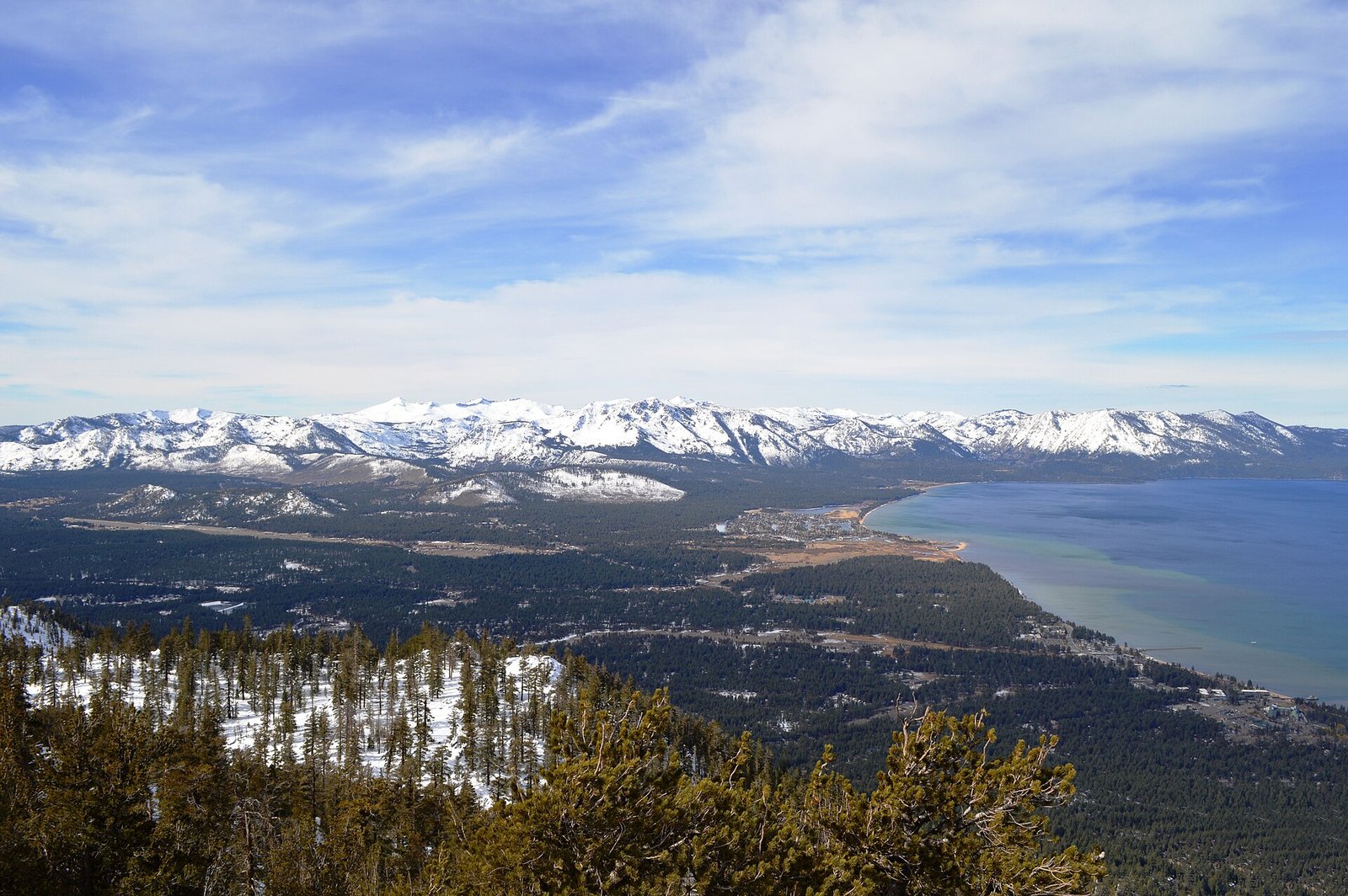
Lake Tahoe is one alpine lake shared by California and Nevada, surrounded by distinct towns, state parks, ski areas, beaches, and mountain roads. It suits families, couples, hikers, skiers, road trippers, and travelers who want outdoor days with comfortable town services, but it is too large to treat as one walkable destination. Four days cover one shore and a few signature landscapes; six days allow both north and south without turning the trip into a constant drive. This guide explains seasonal conditions, Reno airport access, the best areas to stay, public transit limitations, beaches, hikes, winter logistics, realistic costs, and an itinerary arranged by shoreline. The key decision is which side matches the trip: South Shore offers the broadest entertainment and hotel choice, while North Lake Tahoe generally feels quieter and more village-oriented.
AT A GLANCE
Lake Tahoe quick travel summary
Lake Tahoe budgets below are planning ranges, not quotes. Ski dates, snow conditions, summer weekends, resort fees, and the chosen shore can change the total, so confirm current details before booking.
WHEN TO GO
Best time to visit
Spring (April–May)
Spring is a shoulder season with melting snow, muddy trails, cold lake water, and reduced resort services. Accommodation can be better value, but many summer routes and beaches are not fully operating. It suits scenic drives, lower walks, and quiet town time when weather cooperates. Check road chain rules, trail snow, and seasonal closures.
Summer (June–August)
Summer brings warm days, beaches, boats, hiking, and the highest demand. Parking at Emerald Bay and popular beaches can fill early, traffic slows the two-lane shore roads, and lodging is expensive. Reserve accommodation and water activities, begin hikes early, and use transit where practical. Wildfire smoke and fire restrictions can disrupt plans.
Fall (September–November)
September often retains lake weather with fewer families, while October adds color and colder nights. Services and boat schedules reduce progressively. Prices may soften outside weekends. This is a strong period for hiking and scenic drives, but early snow, smoke, and short daylight require flexibility. By November, winter preparation is essential.
Winter (December–March)
Winter centers on skiing, snowboarding, snowshoeing, and mountain scenery. Holiday and powder weekends bring high prices, traffic, parking restrictions, and chain controls. Storm travel can be dangerous or impossible. Stay near the chosen ski area, monitor Caltrans and Nevada road notices, and never drive around closures or install chains in an unsafe traffic lane.
ARRIVING
How to get there
Reno–Tahoe International Airport is the closest major gateway for many visitors, with road transfers to North Lake Tahoe and South Shore that commonly take about one to two hours in clear conditions. Sacramento and Bay Area airports support longer California road trips but require mountain-pass travel. Commercial shuttles serve selected towns and resorts on published schedules; confirm the exact hotel stop and baggage rules. Amtrak reaches Truckee, useful for North Lake Tahoe when onward transit is available. Driving provides flexibility but winter storms, summer construction, and weekend congestion can radically increase travel time. Check California and Nevada road agencies before departure, carry required chains when directed, and avoid booking a fixed ski lesson or flight too close to a pass crossing.
MOVING AROUND
Getting around
Lake Tahoe’s towns and attractions are distributed around a shoreline of more than 70 miles. Tahoe Transportation District buses serve portions of South Shore, while North Lake Tahoe uses other local transit and seasonal services. Free or low-cost microtransit may operate in defined zones, but boundaries, hours, and demand change. A rental car is useful for dispersed trailheads and crossing shores, yet parking at Emerald Bay, Sand Harbor, and ski areas is limited or regulated. Cycling is pleasant only on appropriate paths for confident riders. Taxis and ride apps are inconsistent in remote areas. Base the trip on one shore, use transit for busy corridors, and group attractions geographically rather than attempting a full lake loop every day.
CHOOSE A BASE
Where to stay
South Lake Tahoe and Stateline — best for first-time choice
South Shore offers the largest concentration of hotels, restaurants, entertainment, ski access, and visitor services. It suits families, groups, and first visits. Traffic, nightlife noise, parking fees, and a more commercial atmosphere are the trade-offs. Choose a property near the specific lift, beach, or transit corridor needed most.
Tahoe City or Kings Beach — best for North Shore balance
These towns provide beaches, food, and access to North Shore communities with a calmer rhythm. They suit couples, families, and summer travelers. Reaching South Shore takes a long drive, winter services vary, and rooms still become expensive on peak weekends. Tahoe City is convenient for west-shore exploration; Kings Beach favors the north and Nevada side.
Incline Village or Truckee — best for scenery or regional access
Incline Village offers Nevada-side mountain and lake access, while Truckee provides a historic town, rail link, and connections to several ski areas. Both suit longer stays and repeat visitors. Incline beaches may have access restrictions, and Truckee is not directly on the lake. Confirm parking and beach eligibility before booking around a specific amenity.
PLAN YOUR DAYS
Best things to do
Emerald Bay State Park
Emerald Bay’s overlook, trails, island, and historic features create Tahoe’s best-known landscape. Allow two to four hours, longer for a permitted boat or full hike. Parking is extremely limited and roadside stopping is dangerous. Arrive early, use seasonal shuttle information when available, and check snow or trail conditions. The viewpoint itself can be enjoyed without attempting steep paths.
Sand Harbor
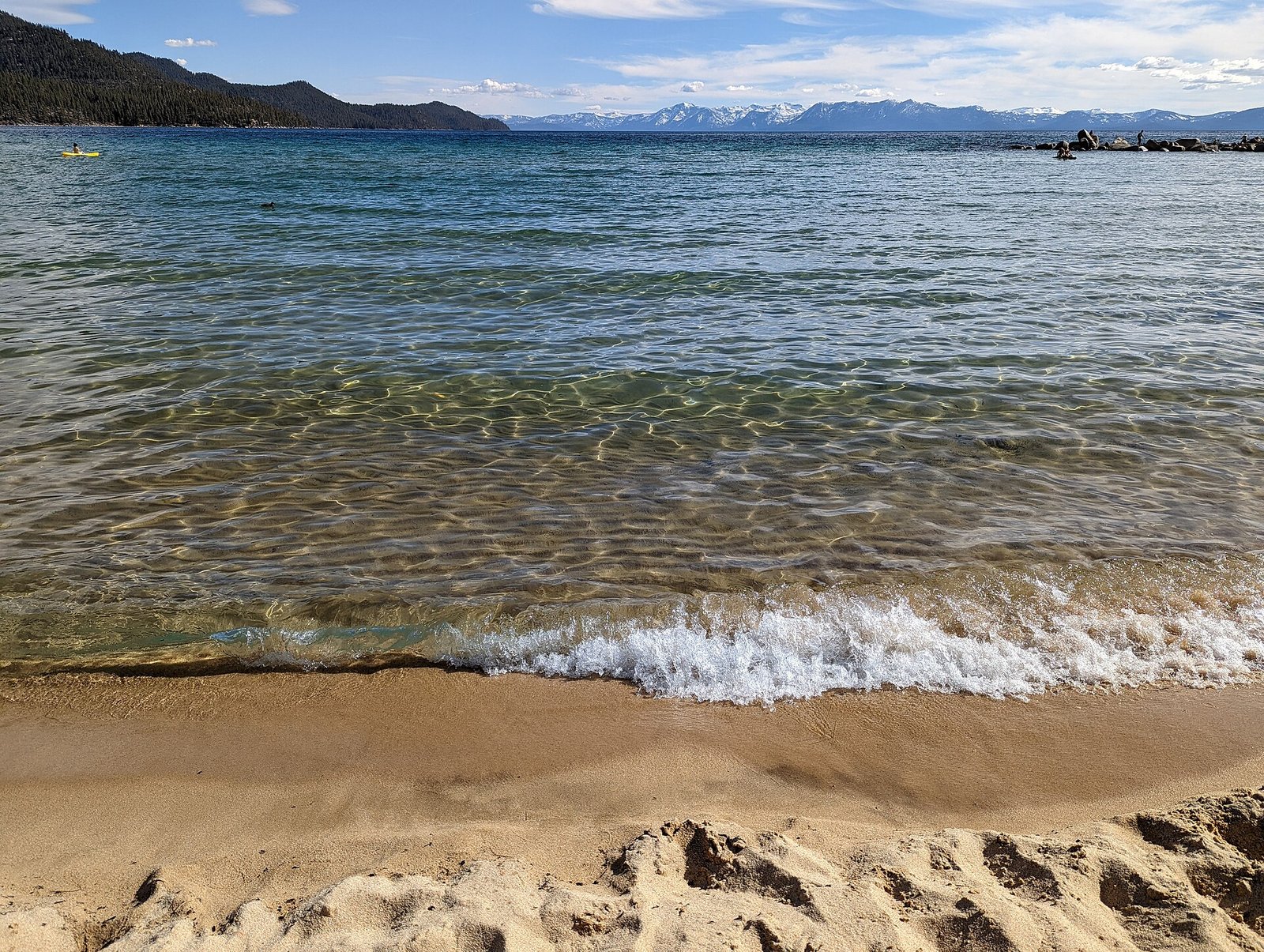
Clear water, granite boulders, beaches, and paddling make Sand Harbor a major east-shore destination. Summer vehicle access and reservations or parking procedures can change, so consult Nevada State Parks before travel. Allow half a day, arrive according to the official entry system, and never park illegally along the highway. Cold water remains a safety concern even on warm days.
Tahoe Rim and lower-elevation trails
The region offers shoreline walks, forest paths, and high sections of the Tahoe Rim Trail. Choose a route by snow, wildfire, altitude, and fitness. A typical day hike takes two to six hours. Start early, carry navigation and water, and turn around for storms or smoke. High elevation can affect visitors immediately after arrival.
Lake activities
Kayaking, paddleboarding, swimming, sailing, and cruises reveal the lake from a different perspective. Water is cold and weather can change quickly. Reserve reputable operators in summer, wear a personal flotation device, and check wind and smoke conditions. Allow two to four hours. Beginners should remain close to shore and avoid crossing open water without appropriate skill.
Winter ski or snow day
Tahoe has multiple ski areas with very different locations, terrain, parking, and transport. Choose one area near the accommodation rather than crossing the lake before a lesson. Reserve rentals and instruction, check road and avalanche information, and understand that lift tickets are dynamically priced. Non-skiers can consider snowshoeing or scenic village time under safe conditions.
A PRACTICAL ROUTE
Suggested itinerary
Choose one shore
Arrive in daylight, settle into South or North Shore, and use a nearby beach or town walk. Do not begin with a full lake loop after airport travel.
Emerald Bay and west shore
Reach Emerald Bay early under the official parking plan, choose an appropriate walk, and continue only to nearby west-shore stops. Avoid crossing to the east shore afterward.
Lake day
Reserve a kayak, cruise, or beach plan on the same shore as the hotel. Keep a forest or town alternative for wind, cold water, or smoke.
Trail or ski area
Choose one mountain route based on season and ability. Start early, monitor conditions, and return before evening road congestion or winter darkness.
Second shore
Move accommodation or dedicate a full day to North Shore, Truckee, Sand Harbor, or South Shore according to the first base. Never assume every public beach has unrestricted access.
REALISTIC BUDGET
Estimated travel costs
USD equivalents for Lake Tahoe are rounded planning comparisons where shown. For Lake Tahoe, check local tax, gratuity, accommodation fees, and cancellation terms before payment.
TRAVEL WELL
Practical travel tips
- Choose North or South Shore before selecting a hotel. A low room price is poor value if every priority requires a long congested drive.
- Check official parking and reservation rules for Emerald Bay, Sand Harbor, and ski areas. Procedures change and illegal roadside parking is dangerous.
- Lake water remains cold enough to incapacitate swimmers. Wear a flotation device, monitor wind, and do not overestimate open-water ability.
- High altitude can cause headache and fatigue. Hydrate, limit alcohol on arrival, and begin with a moderate activity.
- Wildfire smoke can make strenuous outdoor activity unsafe. Follow official air-quality and fire information and keep flexible cancellation terms.
- Winter drivers must obey chain controls and closures. A four-wheel-drive vehicle does not eliminate stopping-distance or ice risk.
- Cards are common, but mobile signal and payment systems can fail in remote areas. Carry a small backup and offline directions.
- Solo female travelers should share trail or water plans, confirm transport before dark, and avoid isolated pullouts or unofficial shoreline access.
COMMON QUESTIONS
Lake Tahoe travel FAQ
How many days do you need in Lake Tahoe?
Four days cover one main shore, Emerald Bay, a lake activity, and one mountain day. Six days allow both north and south with less driving pressure.
Which side of Lake Tahoe is better?
South Shore has more hotels, entertainment, and visitor services. North Shore is generally quieter and village-oriented. The better choice depends on activities and season.
Do you need a car at Lake Tahoe?
A car is useful for dispersed areas, but transit and microtransit serve selected corridors. Stay near priorities and use public options where parking is constrained.
What is the best month to visit Lake Tahoe?
July and September are strong for lake activities; February and March suit snow sports. Each carries crowd, smoke, storm, or access trade-offs that require current checks.
Can you swim in Lake Tahoe?
Yes at suitable beaches and in appropriate conditions, but the water stays cold. Use supervised areas, flotation, gradual entry, and conservative distance from shore.
Is Lake Tahoe expensive?
Peak summer and ski weekends are expensive, particularly for rooms and activities. Midweek travel, groceries, free trails, and choosing one shore help control costs.
KEEP EXPLORING
Related The Wander Muse guides
CHECK BEFORE DEPARTURE
Sources and official resources
Schedules, fares, closures, and timed-entry systems affecting Lake Tahoe can change. Recheck the official resources below shortly before departure.