START HERE
Why visit Curaçao
Curaçao rewards travelers who want more independence than a single-resort Caribbean trip: UNESCO-listed Willemstad, sheltered swimming coves, shore diving, dry landscapes, and a multilingual food culture fit comfortably into one island itinerary. It is especially good for couples, families, divers, and road-trippers who prefer choosing a different beach each day. Five days provide a strong first look, while seven days allow Willemstad, the west coast, national parks, and unscheduled water time without constant packing. The key decision is transportation. Buses serve principal corridors, but the most scenic beaches and natural areas are spread out, making a rental car the practical choice for several exploration days. This guide covers the new Caribbean guilder, seasonal weather and crowd trade-offs, where to base yourself, realistic costs, and a route that groups western sights together. Complete Curaçao’s official digital immigration card through the authorized channel before travel and recheck current entry requirements.
AT A GLANCE
Curaçao quick travel summary
The Caribbean guilder replaced the Netherlands Antillean guilder in 2025. Dollar acceptance and card use are broad, but conversion and change policies vary by business; confirm the displayed currency.
WHEN TO GO
Best time to visit
Drier high season (January–March)
These months usually bring lower rainfall, warm trade winds, and strong beach conditions. North American and European winter demand pushes up room and rental-car prices, especially around holidays and school breaks. Reserve popular stays and dive packages early. The season suits first visits, family beach days, and hiking, but exposed areas still feel hot; begin Christoffel Mountain activities early and carry more water than a city itinerary requires.
Late spring value (April–June)
April through June often combines warm water, relatively low rainfall, and softer prices after the busiest winter period. Days can feel hotter as winds vary, yet crowds are generally easier to manage. This is a strong window for shore diving, west-coast beach hopping, and couples seeking value. Holiday weekends still affect demand. Use early mornings for Willemstad walking and natural parks, then plan shaded or water-based afternoons.
Windy summer (July–September)
Summer remains hot and generally outside the main Atlantic hurricane belt, while trade winds can make the heat more comfortable. European school holidays and local events create busy pockets, and underwater conditions vary by site. Prices are not automatically low. Divers and independent travelers can do well with a flexible plan, but should check beach facilities, marine conditions, and event calendars rather than assuming every cove offers identical services.
Wetter period (October–December)
Rainfall becomes more likely, usually through short tropical downpours rather than continuous cold days, but intense showers can affect roads and trails. November is often among the wetter months; Christmas demand then raises rates sharply. The landscape becomes greener and deals may appear before the holidays. Keep a flexible order for Willemstad museums, beaches, and parks, and never enter rough water simply because a tour was prebooked.
ARRIVING
How to get there
Curaçao International Airport is the island’s sole major passenger gateway. Pre-arranged hotel transfers, regulated taxis, rental cars, and private shuttles are the most practical arrival choices; confirm the pickup point and fare before travel. Public buses connect parts of the island, but they are not the easiest option with luggage or a late arrival. Travelers from Europe often connect through Amsterdam, while many North American itineraries connect through regional or U.S. hubs. Cruise visitors dock near Willemstad but have much less time for the west coast. Complete the official Digital Immigration Card online before arrival, retain the submitted confirmation, and use only the authorized government-linked site. The easiest option for a seven-day independent trip is an airport rental car, provided the driver is comfortable with local roads. The least expensive option may be a scheduled bus, but journey time and luggage handling can outweigh the saving.
MOVING AROUND
Getting around
A rental car gives the greatest flexibility because beaches, Christoffel National Park, Shete Boka, and rural restaurants are dispersed. Drive on the right, check insurance exclusions, photograph the vehicle, and ask whether roadside assistance reaches western locations. Willemstad’s Punda and Otrobanda are best explored on foot, with the Queen Emma Bridge connecting them when operating; use the ferry when bridge movements require it. Curaçao’s public network includes larger “Konvoi” buses and smaller vans, mainly using terminals in Punda and Otrobanda. Service is useful on principal corridors but less dependable for a tightly timed beach itinerary. Taxis are regulated and usually quote fixed rather than metered fares, so agree on the price first. Cycling is uncomfortable on many hot, traffic-exposed roads. Base transportation on the trip: car-free for a Willemstad weekend, rental car for the west coast, or a guided tour if no one wants to drive.
CHOOSE A BASE
Where to stay
Pietermaai, Punda, or Otrobanda — best for first-time culture
Central Willemstad places restaurants, architecture, museums, and evening walks close together. Pietermaai is lively and boutique-oriented; Punda is convenient for daytime sights; Otrobanda feels more residential and offers striking harbor views. Street noise and limited parking can affect some rooms, while the best swimming coves require driving. Choose this cluster for a first visit that balances culture with two or three beach days.
Piscadera or Blue Bay — best for easy resort comfort
These areas west of Willemstad combine beaches or waterfront facilities with parking and straightforward airport access. They suit families, divers, and travelers who want a calmer base without being isolated from the capital. Dining variety is narrower than central Willemstad and a car remains useful. Rates can include resort charges or beach-access conditions, so compare the total rather than the headline room price.
Jan Thiel or Mambo Beach — best for beach clubs and nightlife
The southeast coast offers polished beach clubs, restaurants, watersports, and a social evening scene. It works well for groups and travelers who prioritize amenities over quiet coves. Prices, music, and weekend crowds are the main disadvantages, and driving to western beaches takes longer. Select this area when nightlife and a serviced beach matter more than immediate access to historic Willemstad.
PLAN YOUR DAYS
Best things to do
Walk Punda and Otrobanda with historical context
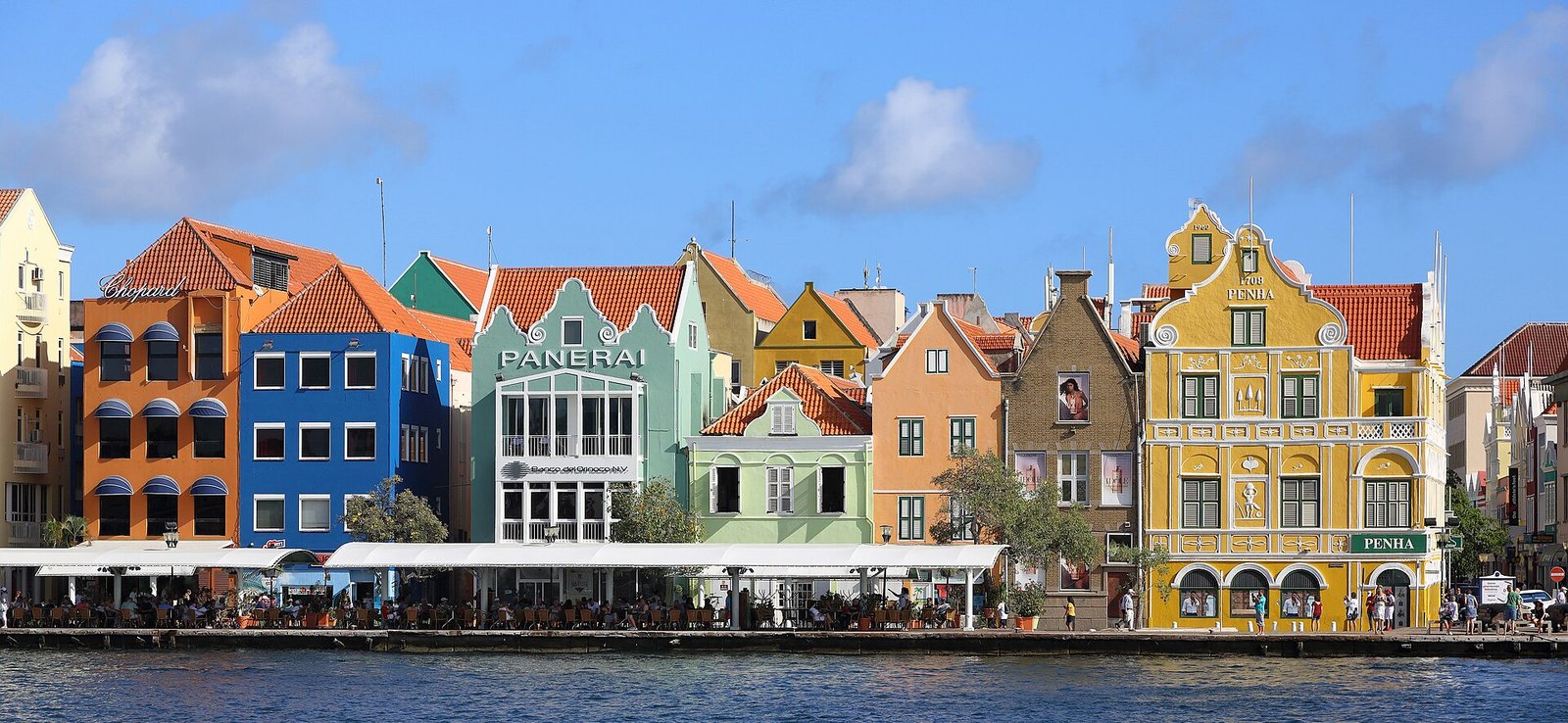
Willemstad’s waterfront colors are only the surface of a city shaped by trade, migration, colonial rule, slavery, and living Caribbean culture. Allow three to five hours for Punda, the floating bridge area, Otrobanda streets, and at least one museum or guided heritage walk. Start early for cooler conditions and quieter photographs. The outdoor route is free; museums have separate hours and fees. Wear breathable clothing, step into shade regularly, and avoid reducing residential streets to photo backdrops.
Build a west-coast beach day around two or three coves
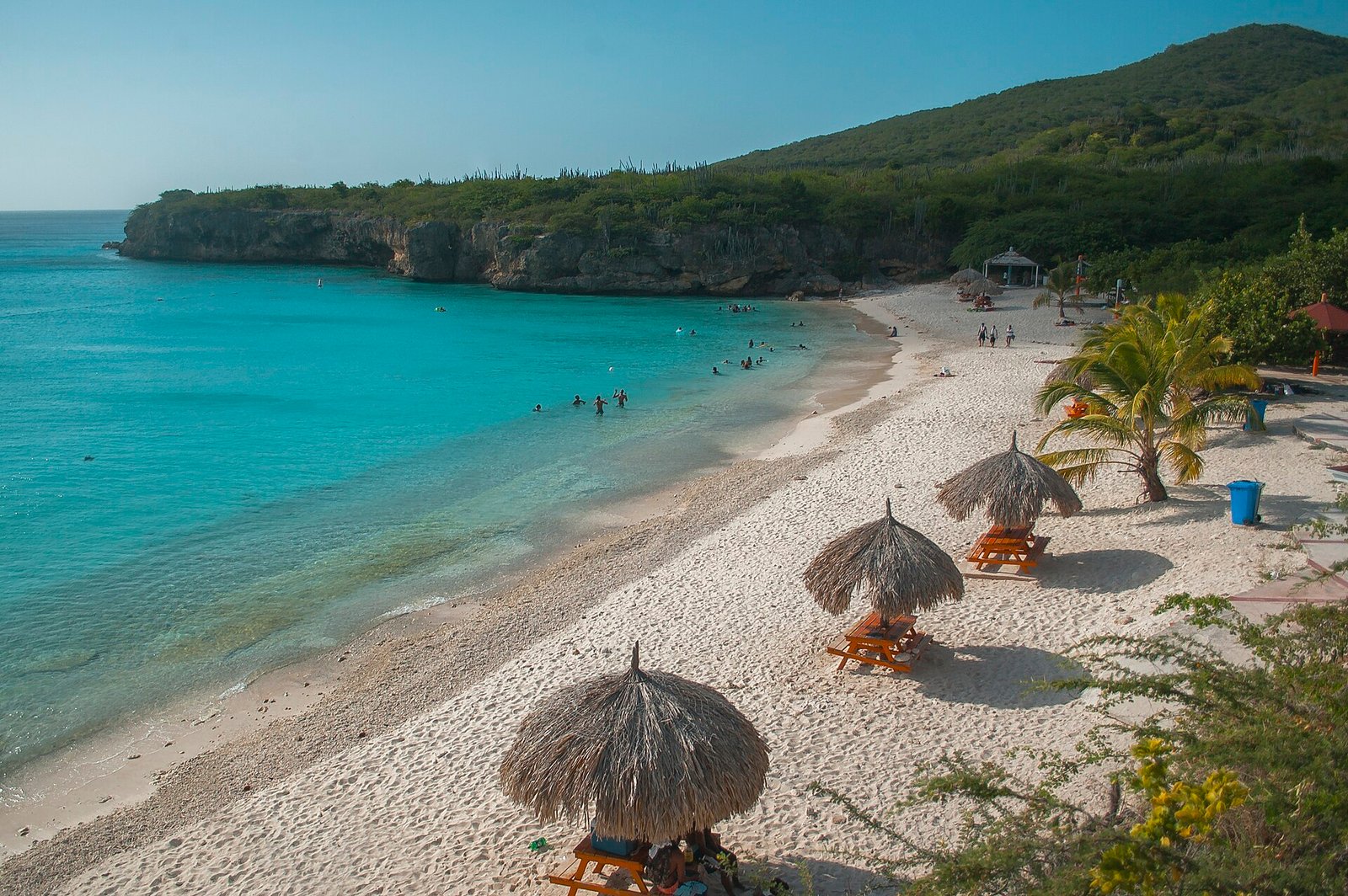
Grote Knip, Playa Lagun, Cas Abao, and Playa Porto Mari each offer different facilities, access conditions, and snorkeling. Select no more than three in one day so driving does not replace swimming. Arrive before late morning for parking and calmer water, carry cash for admission or chairs where required, and bring reef-conscious sun protection. Never touch coral or chase turtles. Families should favor sheltered entries with facilities; confident snorkelers still need to check current waves and visibility.
Hike early in Christoffel National Park
Christoffelpark protects the island’s highest terrain, dry forest, wildlife, and plantation history. The summit is a strenuous hot-weather activity with early access rules; casual visitors can choose shorter trails and the Savonet Museum instead. Allow three to five hours and verify the day’s opening time, fees, trail restrictions, and last permitted summit start. Closed shoes, sun protection, and ample water are essential. The park suits active travelers, but it is not a safe midday improvisation.
See the rugged coast at Shete Boka
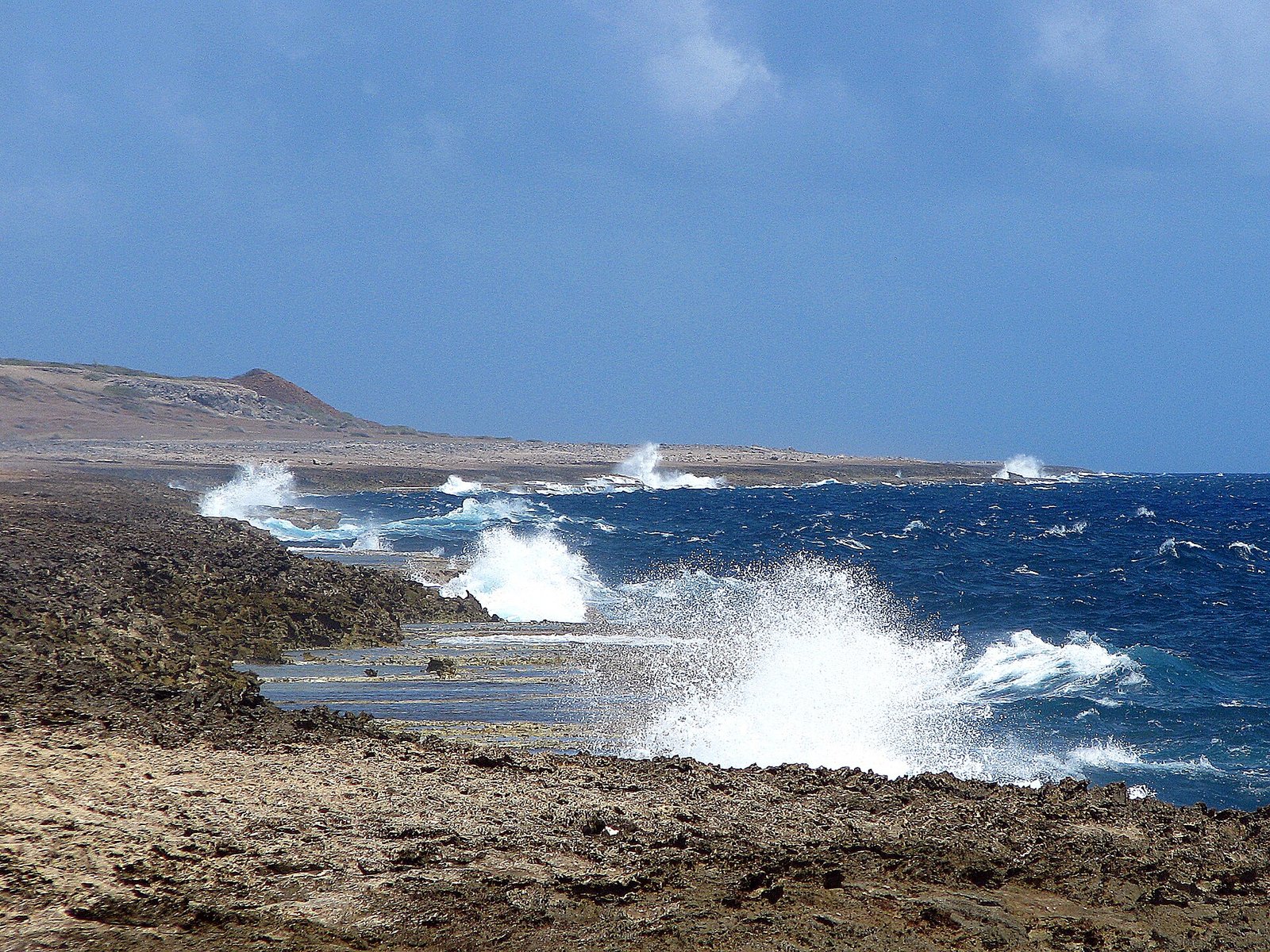
Shete Boka contrasts the sheltered south coast with wave-carved inlets, cliffs, and blowholes along the north. Plan two to three hours and combine it geographically with Christoffel or western beaches, not Jan Thiel. Conditions can be windy, hot, and slippery, and barriers exist for a reason. Check official hours and entry fees, keep children close, and never stand where waves can reach. Photographers benefit from morning light and fewer tour groups.
Choose a responsible shore-diving or snorkeling experience
Curaçao is known for reefs accessible from shore, but site difficulty, entry surfaces, current, and boat traffic vary. Certified divers should use a reputable operator for tanks, site briefings, and current conservation rules; beginners should book instruction rather than imitate other swimmers. Reserve popular courses and boat trips, allow at least half a day, and avoid flying too soon after diving. Non-divers can choose guided snorkeling at an appropriate sheltered cove.
A PRACTICAL ROUTE
Suggested itinerary
Willemstad orientation
Settle into a central base, walk Punda and the harbor, cross to Otrobanda, and choose one museum or guided heritage segment. End in Pietermaai or Otrobanda for dinner. Keeping arrival day in the capital avoids an unnecessary drive after a flight.
West-coast coves
Leave early with water and snorkeling gear. Pair Playa Lagun with Grote Knip and one serviced beach such as Porto Mari or Cas Abao. Eat along the route and return before dark rather than adding a distant nightlife stop.
Christoffel and Shete Boka
Enter Christoffelpark at opening for the selected trail, then rest and continue to Shete Boka if heat and energy allow. These northern and western sights belong together. Confirm both parks’ current access rules before departure.
Mambo, Sea Aquarium area, and southeast coast
Use a slower beach morning around Mambo or the southeast coast. Add a prebooked activity or aquarium visit, then stay for an early dinner. This day provides facilities and shade after the more rugged park route.
Diving, snorkeling, or Klein Curaçao excursion
Dedicate the day to one major water activity. Klein Curaçao boat trips and dive outings require advance booking and are weather-dependent. Do not combine them with a fixed evening commitment in case the return runs late.
Jan Thiel and eastern viewpoints
Explore the Jan Thiel area, salt pans, or an appropriate guided nature experience. Keep respectful distance from flamingos and use designated viewpoints. Finish with a reserved dinner or beach-club evening if that matches the trip style.
Markets, final swim, and departure buffer
Return to Willemstad for shopping and a final meal, or choose one beach close to the accommodation. Leave time for fuel, rental-car inspection, and the airport rather than attempting one last west-coast loop.
REALISTIC BUDGET
Estimated travel costs
Conversions use Curaçao’s official peg of Cg1.79 to US$1 and are rounded for planning. Businesses may quote in Cg or U.S. dollars and apply their own cash or card procedures, so confirm the currency before authorizing payment.
TRAVEL WELL
Practical travel tips
- The legal currency is now the Caribbean guilder, abbreviated Cg with code XCG; do not plan around outdated Netherlands Antillean guilder information.
- Complete the official Digital Immigration Card before arrival and avoid third-party sites that charge unnecessary processing fees.
- Agree on a taxi fare before departure because rides are commonly quoted rather than metered; ask whether the price is in Cg or U.S. dollars.
- Rent a car for the west coast, but photograph existing damage, understand insurance exclusions, and never leave beach gear visible inside.
- Do not feed wildlife on Curaçao. Keep a respectful distance from animals and follow park or beach rules for protected habitats.
- Carry water and start natural-park hikes early. Dry wind can hide dehydration, and exposed midday trails are much hotter than Willemstad streets.
- Solo women travelers should use verified transfers after late arrivals, choose populated parking areas, and avoid isolated coves after other visitors leave.
- Accessibility differs sharply: central promenades and resort beaches may be manageable, while rocky entries, sand, caves, and park trails require direct confirmation.
COMMON QUESTIONS
Curaçao travel FAQ
How many days do you need in Curaçao?
Five days cover Willemstad, a west-coast beach day, one natural park route, and a water activity. Seven days provide better weather flexibility and avoid turning the island into a daily driving checklist.
Do you need a car in Curaçao?
A car is not essential for a short Willemstad stay, but it is the most practical way to reach multiple western beaches and parks. Buses and tours can work when the itinerary is deliberately narrower.
What is the best month to visit Curaçao?
March through May often balances drier weather, warm water, and shoulder-season value. Winter has excellent conditions but higher demand, while the wetter months still offer usable beach days with more flexibility.
Is Curaçao expensive?
It can be moderate to expensive once beachfront lodging, rental cars, imported food, and boat trips are included. Apartments, local meals, free coves, and selective paid activities help control the total.
What currency is used in Curaçao?
Curaçao uses the Caribbean guilder (XCG/Cg), introduced in 2025 and fixed at Cg1.79 to US$1. U.S. dollars are widely used, but always confirm which currency appears on a price.
Is Curaçao safe for solo female travelers?
Popular visitor areas are generally manageable with standard island and city precautions. Use verified transport at night, avoid isolated beaches after crowds leave, secure valuables, and share remote hiking or diving plans.
KEEP EXPLORING
Related The Wander Muse guides
CHECK BEFORE DEPARTURE
Sources and official resources
Schedules, fares, closures, access rules, and reservations affecting Curaçao can change. Recheck the official resources below shortly before departure.