START HERE
Why visit Fort Myers & Sanibel Island
Fort Myers & Sanibel Island earns a place on a first or repeat trip for travelers who want shelling beaches, wildlife refuges, kayaking, and unhurried island time. The strongest itinerary connects J.N. “Ding” Darling National Wildlife Refuge, Sanibel Lighthouse Beach, and Fort Myers River District without turning every day into a race. Sanibel is best for quiet beach mornings; Fort Myers offers more hotel choice; Fort Myers Beach is livelier and closer to Lovers Key. This Fort Myers & Sanibel Island guide uses a realistic route, transparent planning ranges, and a slower schedule designed to be useful from a phone while you travel. Recovery work, seasonal wildlife rules, causeway traffic, tides, and beach access can change the practical experience from one trip to the next. A successful visit checks official conditions close to departure and gives Sanibel’s refuge and beaches a dedicated low-traffic day. The Fort Myers & Sanibel Island guide ties seasonal conditions to the main gateway, Sanibel Island, local-currency costs, and an itinerary centered on J.N. “Ding” Darling National Wildlife Refuge.
AT A GLANCE
Fort Myers & Sanibel Island quick travel summary
Fort Myers & Sanibel Island prices are planning ranges. Confirm the final amount in US dollar (USD), including taxes, booking terms, and exactly what each Fort Myers & Sanibel Island transport or activity ticket covers.
WHEN TO GO
Best time to visit
Spring (March–May)
In Fort Myers & Sanibel Island, this period brings warm Gulf weather, increasing humidity, and afternoon storms later in the season. Spring breaks and holiday weekends raise coastal prices. For Fort Myers & Sanibel Island, its main advantage is beach mornings, gardens, and wildlife outings; the disadvantage is that traffic, lightning, and early heat complicate long outdoor days. Late-winter demand remains strong before humidity and afternoon storms increase through spring. Before an outdoor day in Fort Myers & Sanibel Island, recheck official weather and the transport needed for J.N. “Ding” Darling National Wildlife Refuge.
Summer (June–August)
In Fort Myers & Sanibel Island, this period brings very hot humid days, frequent lightning, and tropical-weather risk. Family travel keeps beach properties busy despite weather. For Fort Myers & Sanibel Island, its main advantage is early swimming and indoor cultural afternoons; the disadvantage is that storms and heat require refundable, flexible planning. Heat, lightning, mosquitoes, and hurricane-season risk favor sunrise wildlife plans and refundable reservations. Before an outdoor day in Fort Myers & Sanibel Island, recheck official weather and the transport needed for J.N. “Ding” Darling National Wildlife Refuge.
Autumn (September–November)
In Fort Myers & Sanibel Island, this period brings warm water, gradually cooler air, and ongoing tropical risk early. Prices ease after summer except holiday weeks. For Fort Myers & Sanibel Island, its main advantage is quiet beaches and mixed nature days; the disadvantage is that hurricanes, red tide, or storm recovery can affect access. Water stays warm, but tropical forecasts and changing beach conditions remain central to every decision. Before an outdoor day in Fort Myers & Sanibel Island, recheck official weather and the transport needed for J.N. “Ding” Darling National Wildlife Refuge.
Winter (December–February)
In Fort Myers & Sanibel Island, this period brings dry, mild conditions with occasional cold fronts. Winter-sun demand produces the highest ordinary rates. For Fort Myers & Sanibel Island, its main advantage is wildlife, beaches, and comfortable cultural sightseeing; the disadvantage is that popular parking and rooms require advance planning. Dryer, cooler months are ideal for refuge drives and shelling, with the highest room and rental-car demand. Before an outdoor day in Fort Myers & Sanibel Island, recheck official weather and the transport needed for J.N. “Ding” Darling National Wildlife Refuge.
ARRIVING
How to get there
RSW is the main gateway, with taxis, rideshare, shuttles, and rental cars serving Fort Myers, Sanibel, and nearby beach communities. A car is normally the simplest option for a multi-base trip because attractions are dispersed and luggage is awkward on local transit. LeeTran and seasonal trolley services can help within selected corridors, but visitors should verify current restoration-related routes and stops. Drivers to Sanibel should account for causeway traffic, parking capacity, toll arrangements, and any current beach-access notices. For a late flight, consider sleeping on the mainland rather than forcing an unfamiliar island drive after dark.
MOVING AROUND
Getting around
Use a car to connect Fort Myers, Sanibel, and Lovers Key, then switch to bicycles, walking, refuge transport, or trolleys where conditions support them. Sanibel’s flat terrain can be cycle-friendly, but heat, storms, road work, and busy intersections matter. Beach parking fills early in winter, so staying on the island can save time. Rideshare is useful in Fort Myers but can be less dependable for remote return trips. LeeTran works for selected mainland journeys rather than every wildlife stop. A nature-first couple may split bases, while families should minimize repeated bridge crossings. For a 4–6 days visit, use Sanibel Island for the arrival-focused days, group J.N. “Ding” Darling National Wildlife Refuge with Sanibel Lighthouse Beach, and protect Fort Myers River District for the period with the best conditions. Put J.N. “Ding” Darling National Wildlife Refuge and Sanibel Lighthouse Beach on different Fort Myers & Sanibel Island stages; the separation protects meal time and a weather fallback. Accessible Fort Myers & Sanibel Island bookings should confirm rental car access and the precise final approach to J.N. “Ding” Darling National Wildlife Refuge.
CHOOSE A BASE
Where to stay
Sanibel Island — best for quiet beaches and early wildlife access
A Sanibel base supports sunrise shelling and refuge visits before day traffic arrives. Availability, seasonal prices, limited late-night dining, and changing access conditions are the disadvantages.
Fort Myers or the River District — best for budget choice and mainland convenience
The mainland offers broader hotel selection, airport access, restaurants, and urban history. Every island day requires a bridge crossing, so traffic can erase part of the saving.
Fort Myers Beach — best for a livelier coast and Lovers Key access
This area suits visitors who want a social beach atmosphere and southern coastal outings. Construction, parking, nightlife noise, and current restoration conditions must be checked carefully.
PLAN YOUR DAYS
Best things to do
J.N. “Ding” Darling National Wildlife Refuge
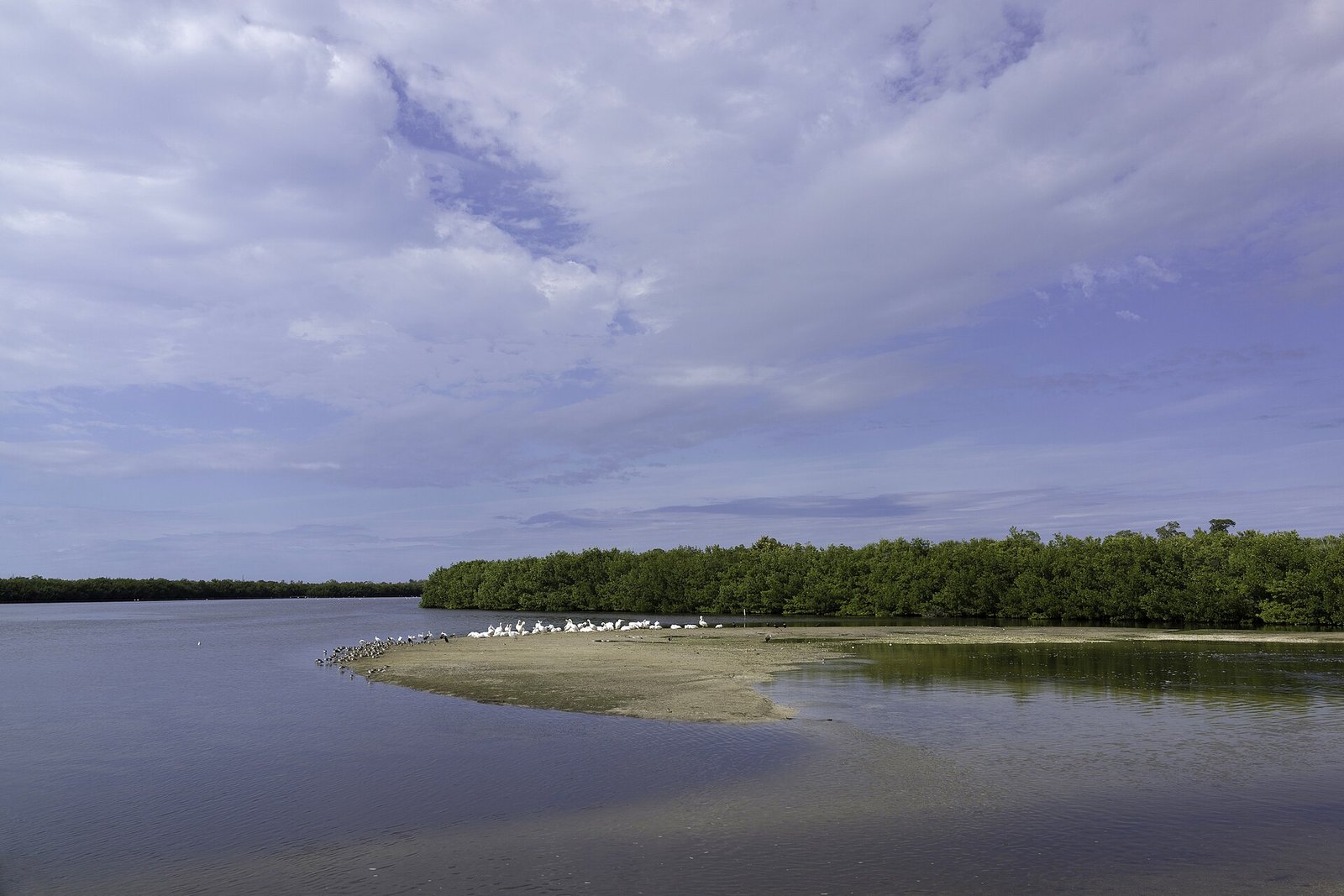
Mangrove habitat and birdlife make the refuge the island’s essential ecological experience. Allow 3–5 hours. Visit early, check the official wildlife-drive schedule and closures, and never approach or feed animals. Keep J.N. “Ding” Darling National Wildlife Refuge only when it serves the traveler’s Fort Myers & Sanibel Island priorities, not merely to lengthen the list.
Sanibel Lighthouse Beach
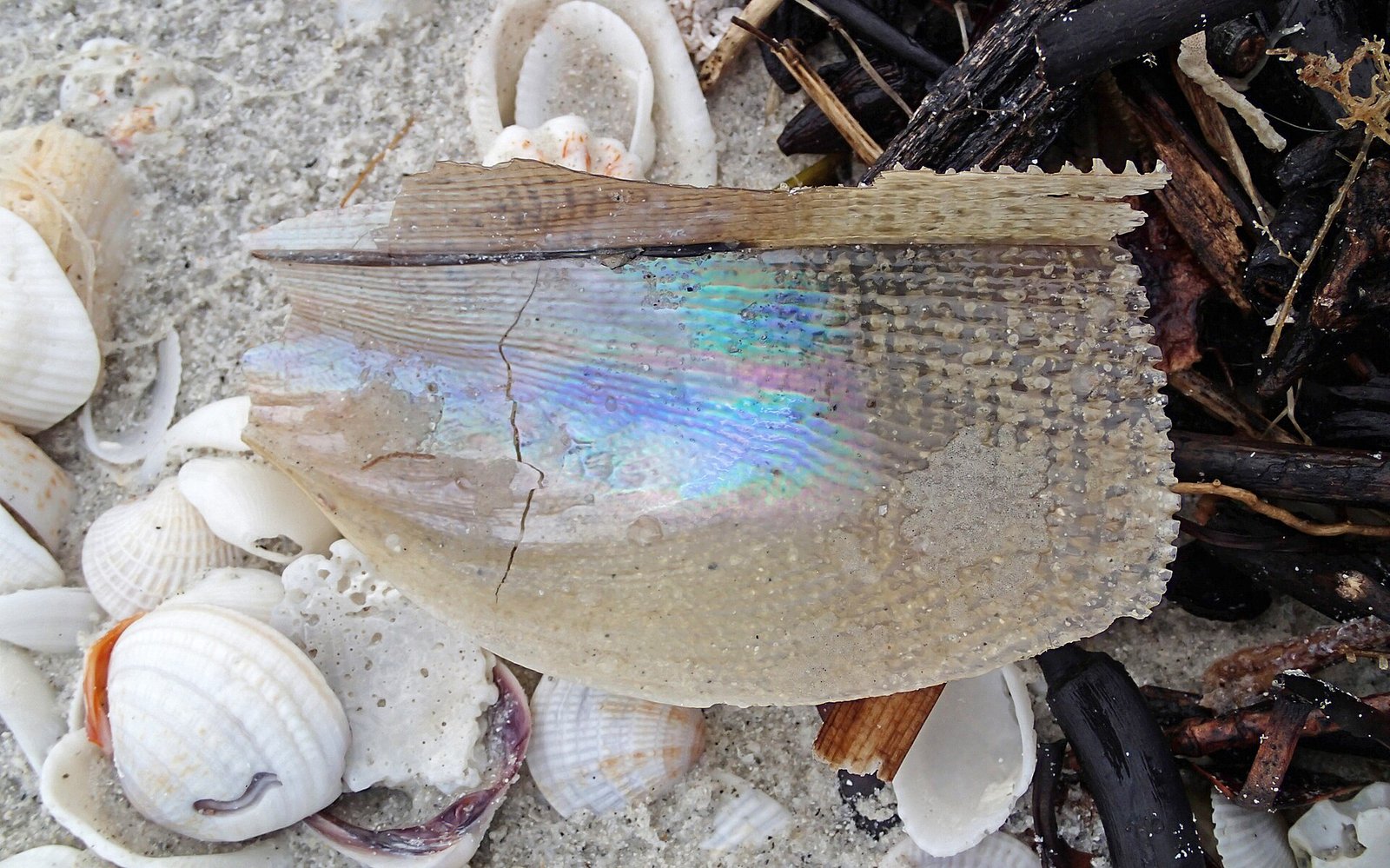
Shelling, Gulf views, and the historic lighthouse area create a classic Sanibel morning. Allow 2–4 hours. Check tides and access, arrive before parking fills, and leave living shells and protected wildlife undisturbed. Keep J.N. “Ding” Darling National Wildlife Refuge only when it serves the traveler’s Fort Myers & Sanibel Island priorities, not merely to lengthen the list.
Fort Myers River District
Historic streets, restaurants, and riverfront walks add an urban evening to the coastal itinerary. Allow 2–4 hours. Combine the area with a museum or dinner; check event closures and use a legal parking location. Keep J.N. “Ding” Darling National Wildlife Refuge only when it serves the traveler’s Fort Myers & Sanibel Island priorities, not merely to lengthen the list.
Lovers Key State Park
Barrier-island beaches and paddling environments offer nature south of Fort Myers Beach. Allow Half day. Verify park access, launch availability, heat, and thunderstorms; reserve equipment through an authorized operator if needed. Keep J.N. “Ding” Darling National Wildlife Refuge only when it serves the traveler’s Fort Myers & Sanibel Island priorities, not merely to lengthen the list.
Edison and Ford Winter Estates
Homes, gardens, and exhibits explain a significant chapter of Fort Myers history. Allow 2–3 hours. Choose a cooler morning or indoor-heavy afternoon and check the official tour calendar before arrival. Keep J.N. “Ding” Darling National Wildlife Refuge only when it serves the traveler’s Fort Myers & Sanibel Island priorities, not merely to lengthen the list.
A PRACTICAL ROUTE
Suggested itinerary
Fort Myers orientation
Settle on the mainland, explore the River District, and keep the first evening close to the airport route.
Sanibel wildlife
Enter the refuge early, add a carefully chosen beach, and avoid repeated bridge crossings.
Sanibel shelling and history
Use the tide and weather window for Lighthouse Beach, then slow down on the island.
Lovers Key and Fort Myers Beach
Check access first, then dedicate the day to the southern coast rather than driving back and forth.
Estates or weather buffer
Visit the Edison and Ford site, book a guided paddle, or replace an outdoor day lost to storms.
REALISTIC BUDGET
Estimated travel costs
Fort Myers & Sanibel Island costs move most with November–April, booking timing, taxes, and the specific room location in Sanibel Island. Fort Myers & Sanibel Island’s dollar figures use August 1, 2026 reference rates; recalculate them before payment.
TRAVEL WELL
Practical travel tips
- Check official refuge, state-park, bridge, and beach-access notices shortly before travel because restoration can alter routes.
- Treat lightning as a reason to leave exposed beaches immediately, not as a distant-weather curiosity.
- Use tide information for shelling and never collect live animals, protected species, or material from prohibited areas.
- Keep food away from wildlife and give alligators, nesting birds, and manatees the distance required by local rules.
- Solo visitors should share paddle or refuge plans, carry offline directions, and avoid isolated parking areas after dark.
- Observe refuge rules and never approach alligators or nesting birds.
- Check heat, lightning, tide, and hurricane forecasts.
- Use marked crossings and bike routes on busy island roads.
COMMON QUESTIONS
Fort Myers & Sanibel Island travel FAQ
How many days do you need in Fort Myers & Sanibel Island?
Fort Myers & Sanibel Island works best with 4–6 days for a first visit. A short Fort Myers & Sanibel Island trip should pair J.N. “Ding” Darling National Wildlife Refuge with one nearby priority; extra time belongs to meals, weather, or rental car delays.
Is Fort Myers & Sanibel Island expensive?
In Fort Myers & Sanibel Island, a budget traveler can plan around $120–200 per person per day before long-distance arrival costs. The largest Fort Myers & Sanibel Island premiums come from Sanibel Island, peak dates, private transport, and guided access to J.N. “Ding” Darling National Wildlife Refuge.
Do you need a car in Fort Myers & Sanibel Island?
A car is strongly recommended for combining the airport, mainland, Sanibel, and Lovers Key. Once on Sanibel, cycling can replace some short trips in suitable weather.
What is the best month to visit Fort Myers & Sanibel Island?
February is popular for dry weather and wildlife viewing, while early December may offer a little more flexibility before holiday demand.
Is Fort Myers & Sanibel Island safe for solo female travelers?
Many solo female travelers can plan Fort Myers & Sanibel Island with ordinary destination-appropriate precautions. Solo visitors should share paddle or refuge plans, carry offline directions, and avoid isolated parking areas after dark. Before departing for Fort Myers & Sanibel Island, review current government advice alongside local weather and transport notices.
What should you book in advance for Fort Myers & Sanibel Island?
Reserve winter lodging, rental cars, guided paddles, and wildlife cruises. Check parks directly because access can change independently of reservations.
KEEP EXPLORING
Related The Wander Muse guides
CHECK BEFORE DEPARTURE
Sources and official resources
Schedules, fares, access rules, closures, and entry systems affecting Fort Myers & Sanibel Island can change. Recheck the official resources below shortly before departure.