START HERE
Why visit Panama City Beach
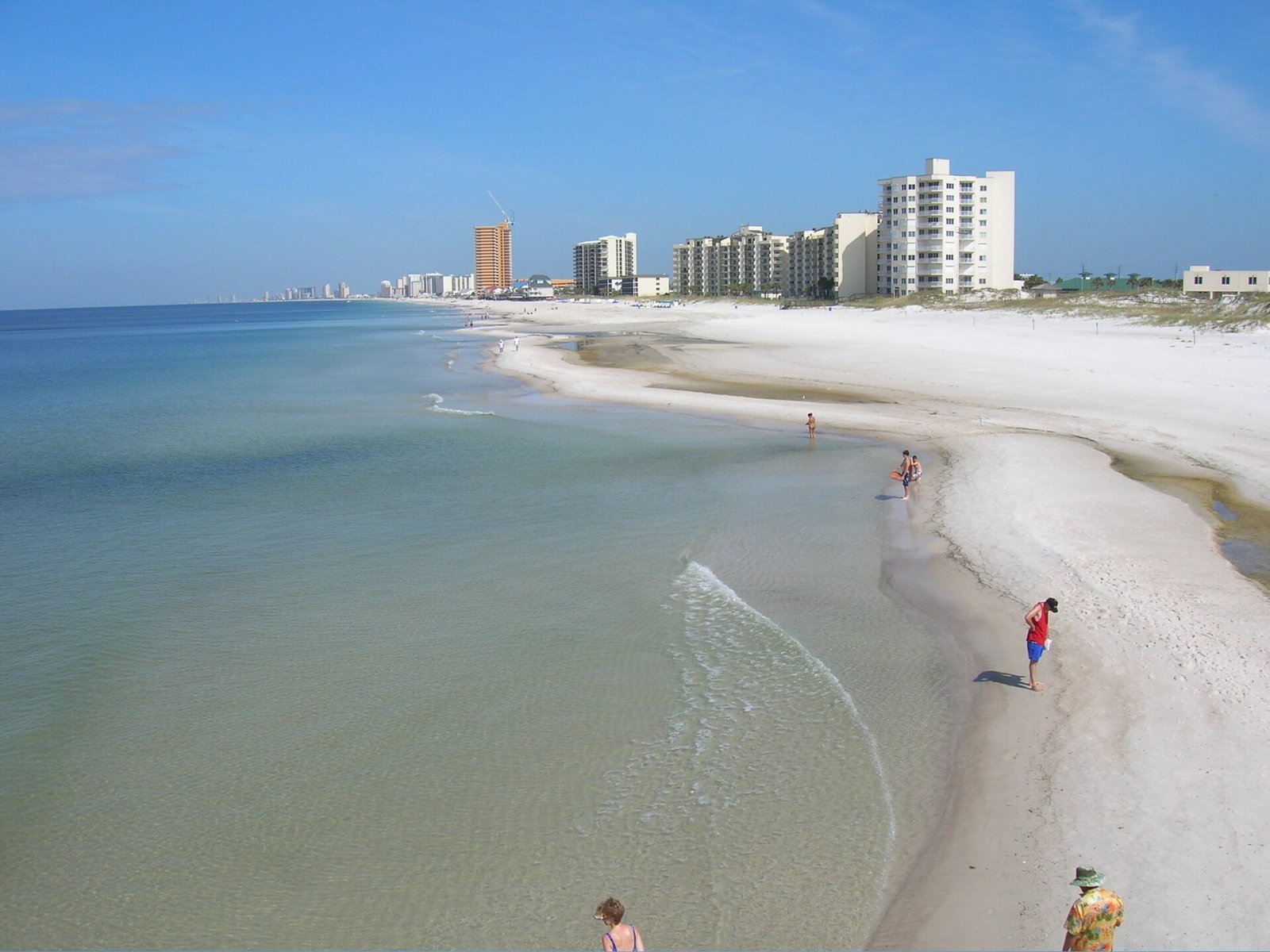
Panama City Beach earns a place on a first or repeat trip for travelers who want wide beaches, Gulf sunsets, snorkeling, and accessible coastal nature. The strongest itinerary connects St. Andrews State Park, Shell Island, and Russell-Fields Pier without turning every day into a race. The west end is quieter, central Panama City Beach is convenient for restaurants, and the east end works well for St. Andrews access. This Panama City Beach guide uses a realistic route, transparent planning ranges, and a slower schedule designed to be useful from a phone while you travel. This is not only a row of resort towers: state parks, undeveloped island shoreline, wetlands, and the quieter west end provide a much broader trip. Beach flags, seasonal traffic, boat conditions, and the exact hotel position determine how much can be covered comfortably. The Panama City Beach guide ties seasonal conditions to the main gateway, East end near St. Andrews, local-currency costs, and an itinerary centered on St. Andrews State Park.
AT A GLANCE
Panama City Beach quick travel summary
Panama City Beach prices are planning ranges. Confirm the final amount in US dollar (USD), including taxes, booking terms, and exactly what each Panama City Beach transport or activity ticket covers.
WHEN TO GO
Best time to visit
Spring (March–May)
In Panama City Beach, this period brings warm Gulf weather, increasing humidity, and afternoon storms later in the season. Spring breaks and holiday weekends raise coastal prices. For Panama City Beach, its main advantage is beach mornings, gardens, and wildlife outings; the disadvantage is that traffic, lightning, and early heat complicate long outdoor days. Warm days and spring-break calendars overlap, so the exact week matters as much as the forecast. Before an outdoor day in Panama City Beach, recheck official weather and the transport needed for St. Andrews State Park.
Summer (June–August)
In Panama City Beach, this period brings very hot humid days, frequent lightning, and tropical-weather risk. Family travel keeps beach properties busy despite weather. For Panama City Beach, its main advantage is early swimming and indoor cultural afternoons; the disadvantage is that storms and heat require refundable, flexible planning. High heat, humidity, storms, and tropical risk favor early water time and flexible bookings. Before an outdoor day in Panama City Beach, recheck official weather and the transport needed for St. Andrews State Park.
Autumn (September–November)
In Panama City Beach, this period brings warm water, gradually cooler air, and ongoing tropical risk early. Prices ease after summer except holiday weeks. For Panama City Beach, its main advantage is quiet beaches and mixed nature days; the disadvantage is that hurricanes, red tide, or storm recovery can affect access. Sea temperatures remain inviting, while crowds soften after summer; hurricane monitoring still matters. Before an outdoor day in Panama City Beach, recheck official weather and the transport needed for St. Andrews State Park.
Winter (December–February)
In Panama City Beach, this period brings dry, mild conditions with occasional cold fronts. Winter-sun demand produces the highest ordinary rates. For Panama City Beach, its main advantage is wildlife, beaches, and comfortable cultural sightseeing; the disadvantage is that popular parking and rooms require advance planning. Cool fronts can limit swimming, but quiet beaches and lower ordinary-week rates suit walkers and nature visitors. Before an outdoor day in Panama City Beach, recheck official weather and the transport needed for St. Andrews State Park.
ARRIVING
How to get there
ECP is the nearest airport and is reached most easily by rental car, taxi, rideshare, or reserved shuttle; verify the current public-transport option before depending on it. The drive to the beach corridor is straightforward but slows around check-in periods and major holiday arrivals. Travelers driving from Atlanta, New Orleans, or other Gulf destinations should avoid assuming that beachfront traffic moves at highway speed. A rental car is useful for Camp Helen, St. Andrews, and grocery stops, while a central resort stay can reduce daily driving. Reserve larger vehicles early during family travel periods and confirm condo parking limits before arrival.
MOVING AROUND
Getting around
The beachfront corridor is long, and walking is practical only within the immediate hotel zone. A car provides the easiest access to both state parks and the west end, but parking and congestion are serious during school breaks. Bayway and any seasonal beach service can reduce some trips; use the official current route rather than old trolley references. Rideshare helps with dinner but may surge after events. Bicycles suit selected paths away from fast traffic, not the entire highway corridor. Families visiting several parks benefit from a car, while travelers staying central for a pure beach break can limit transport. For a 3–5 days visit, use East end near St. Andrews for the arrival-focused days, group St. Andrews State Park with Shell Island, and protect Russell-Fields Pier and Pier Park for the period with the best conditions. Put St. Andrews State Park and Shell Island on different Panama City Beach stages; the separation protects meal time and a weather fallback. Accessible Panama City Beach bookings should confirm rental car access and the precise final approach to St. Andrews State Park.
CHOOSE A BASE
Where to stay
East end near St. Andrews — best for nature access and boat departures
This base is closest to St. Andrews State Park and many Shell Island outings. It is farther from west-end quiet and can be busy around marinas.
Central Panama City Beach — best for first-time convenience and families
Restaurants, shops, entertainment, and broad lodging choice are close. Traffic, resort density, noise, and premium beachfront pricing are the trade-offs.
West end — best for quieter beaches and Camp Helen
The west end suits couples and repeat visitors who value lower-key sand and access toward the state park. Dining choice is thinner and a car becomes more important.
PLAN YOUR DAYS
Best things to do
St. Andrews State Park
Protected shoreline, jetties, trails, and water access make the park more varied than a standard resort beach. Allow Half day. Arrive early, check official capacity and water conditions, and never swim against posted flags or near unsafe currents. Keep St. Andrews State Park only when it serves the traveler’s Panama City Beach priorities, not merely to lengthen the list.
Shell Island
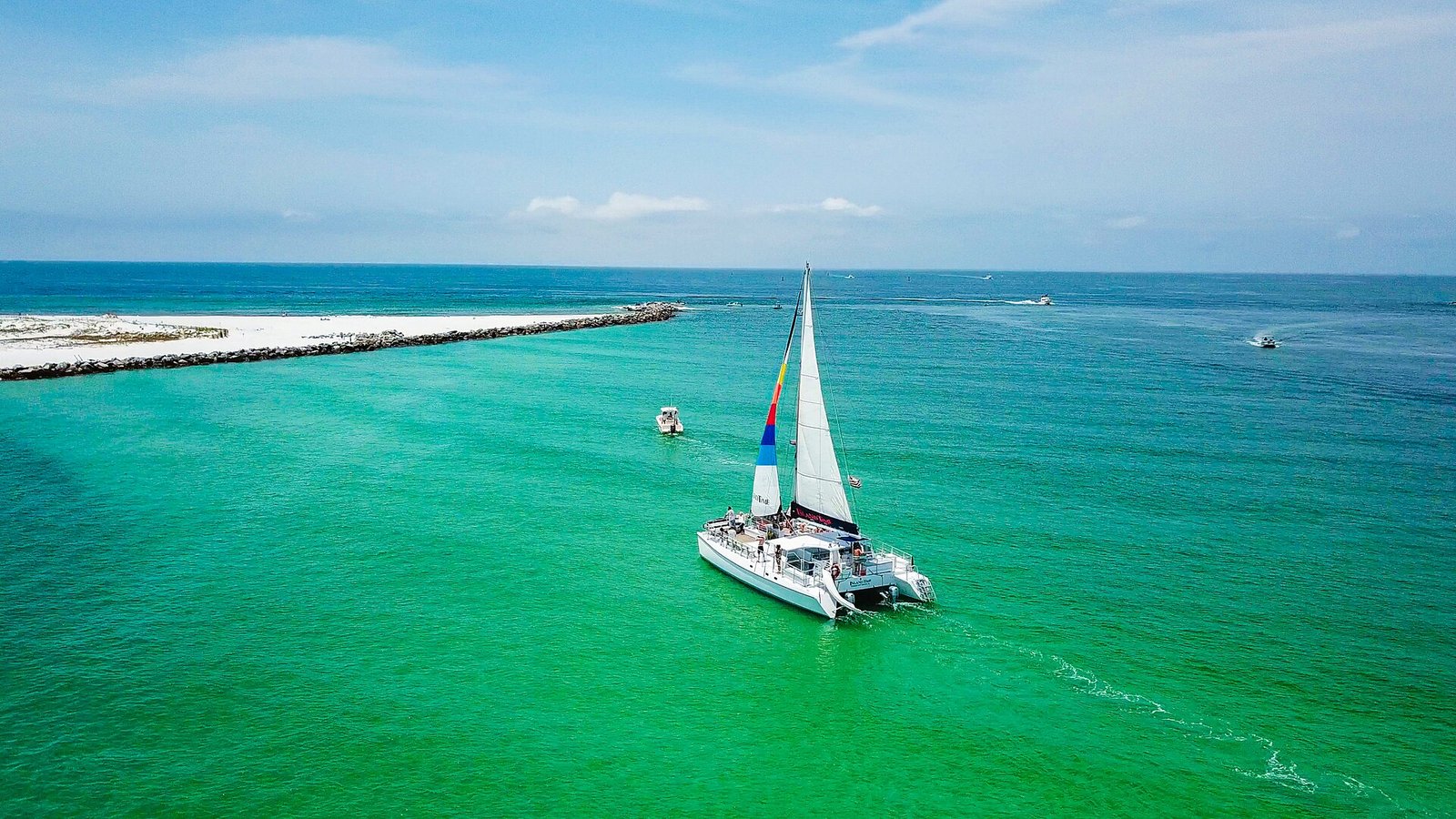
Undeveloped shoreline provides a striking contrast with the main resort strip. Allow Half day. Use a licensed operator, confirm return logistics and marine weather, and carry water because services are limited. Keep St. Andrews State Park only when it serves the traveler’s Panama City Beach priorities, not merely to lengthen the list.
Russell-Fields Pier and Pier Park
The pier and nearby district create an accessible sunset and dining combination. Allow 2–4 hours. Come late afternoon, check pier access, and reserve dinner during holiday weeks rather than driving elsewhere. Keep St. Andrews State Park only when it serves the traveler’s Panama City Beach priorities, not merely to lengthen the list.
Camp Helen State Park
Dunes, water, trails, and historic structures offer a quieter west-end nature day. Allow 2–4 hours. Morning brings cooler walking and easier parking; verify closures and activity rules through Florida State Parks. Keep St. Andrews State Park only when it serves the traveler’s Panama City Beach priorities, not merely to lengthen the list.
Conservation Park
Trails through wetlands and pine environments broaden the trip beyond the Gulf shoreline. Allow 2–3 hours. Use dry, cooler hours, carry insect protection and water, and follow official trail and wildlife guidance. Keep St. Andrews State Park only when it serves the traveler’s Panama City Beach priorities, not merely to lengthen the list.
A PRACTICAL ROUTE
Suggested itinerary
Central beach and sunset
Settle into the lodging zone, learn the nearest legal access, and keep the first evening around the pier.
St. Andrews and Shell Island
Use the best marine forecast for a reserved outing, then remain on the east end instead of crossing town twice.
West-end nature
Start at Camp Helen, pause through midday, and choose a quieter beach for late afternoon.
Flexible water or inland day
Use Conservation Park, a fishing trip, or the outdoor experience displaced by rough water or thunderstorms.
REALISTIC BUDGET
Estimated travel costs
Panama City Beach costs move most with April–May or September–October, booking timing, taxes, and the specific room location in East end near St. Andrews. Keep the Panama City Beach budget in US dollar (USD). Rounded dollar equivalents for Panama City Beach use August 1, 2026 reference rates; actual card statements will differ.
TRAVEL WELL
Practical travel tips
- Beach flags are safety instructions; red or double-red conditions should change the plan immediately.
- Never swim near a pass or fishing pier where currents, lines, and boat traffic create additional hazards.
- Check tropical forecasts and choose refundable lodging during hurricane season.
- Confirm condo cleaning fees, parking permits, wristbands, and beach-equipment rules before comparing room prices.
- Solo visitors should use staffed or active beach access, secure valuables, and avoid entering the water without someone aware of the plan.
- Follow beach flags and rip-current instructions without exception.
- Avoid swimming near fishing piers and passes with strong currents.
- Monitor lightning and tropical-weather alerts.
COMMON QUESTIONS
Panama City Beach travel FAQ
How many days do you need in Panama City Beach?
Panama City Beach works best with 3–5 days for a first visit. A short Panama City Beach trip should pair St. Andrews State Park with one nearby priority; extra time belongs to meals, weather, or rental car delays.
Is Panama City Beach expensive?
In Panama City Beach, a budget traveler can plan around $100–170 per person per day before long-distance arrival costs. The largest Panama City Beach premiums come from East end near St. Andrews, peak dates, private transport, and guided access to St. Andrews State Park.
Do you need a car in Panama City Beach?
A car is useful for state parks and the full beach corridor. It is optional for a central resort stay focused on sand, dining, and organized boat pickups.
What is the best month to visit Panama City Beach?
May often balances warm water with lower pressure after spring break; September can be quiet but carries greater tropical-weather risk.
Is Panama City Beach safe for solo female travelers?
Many solo female travelers can plan Panama City Beach with ordinary destination-appropriate precautions. Solo visitors should use staffed or active beach access, secure valuables, and avoid entering the water without someone aware of the plan. Recheck official travel advice for Panama City Beach, then compare it with the latest conditions affecting St. Andrews State Park.
What should you book in advance for Panama City Beach?
Reserve holiday lodging, boat trips, fishing charters, and larger rental vehicles. State parks may reach capacity even when entry is not prebooked.
KEEP EXPLORING
Related The Wander Muse guides
CHECK BEFORE DEPARTURE
Sources and official resources
Schedules, fares, access rules, closures, and entry systems affecting Panama City Beach can change. Recheck the official resources below shortly before departure.