START HERE
Why visit Amsterdam
Amsterdam combines canal-ring architecture, major art collections, social history, neighborhood markets, and easy rail trips in a compact city where bicycles shape every street crossing. It suits art, architecture, canals, couples, solo travel, food, cycling, and rail trips and works best when Rijksmuseum and Anne Frank House stay on separate compact days. A first visit works best when Rijksmuseum, Anne Frank House, and Canal-ring walk and boat are arranged around realistic transport and weather windows. The canal belt is most convenient, De Pijp suits food and neighborhood life, and Oud-West or Westerpark offers calmer value with transit access. Amsterdam planning connects Amsterdam Airport Schiphol (AMS) or Amsterdam Centraal, tram, Canal belt or Jordaan, and Rijksmuseum with the six-row Euro (EUR) budget and 4–5 days route below. Before booking Amsterdam, use the linked authorities to verify opening days, tram, and any timed entry for Rijksmuseum.
AT A GLANCE
Amsterdam quick travel summary
Amsterdam prices are planning ranges rather than quotes. Before paying in Euro (EUR), check taxes, card charges, cancellation terms, and whether transport to Rijksmuseum is included.
WHEN TO GO
Best time to visit
Spring (March–May)
Across Amsterdam, expect mild days, changeable rain, and lengthening daylight; conditions near Rijksmuseum can vary. For Amsterdam, crowds and prices are moderate except around school and public holidays. Rijksmuseum is the most practical Amsterdam focus during this period. The limitation is that visitors in Amsterdam should pack a waterproof layer and expect cool mornings. Tulip dates, King’s Day, museum sellouts, rail engineering, rain, wind, and overtourism controls affect prices and access. Recheck Amsterdam weather and the operating status of Rijksmuseum shortly before any weather-sensitive or reservation-dependent day.
Summer (June–August)
Across Amsterdam, expect the warmest weather and the longest usable days; conditions near Anne Frank House can vary. This is the busiest and most expensive period for Amsterdam. This period creates better conditions for Anne Frank House in Amsterdam; the main drawback is that visitors in Amsterdam should reserve accommodation and timed attractions early. Tulip dates, King’s Day, museum sellouts, rail engineering, rain, wind, and overtourism controls affect prices and access. Recheck Amsterdam weather and the operating status of Rijksmuseum shortly before any weather-sensitive or reservation-dependent day.
Autumn (September–November)
Across Amsterdam, expect cooler air, changing foliage, and shorter daylight; conditions near Canal-ring walk and boat can vary. Expect lighter crowds after early September. This period creates better conditions for Canal-ring walk and boat in Amsterdam; the main drawback is that visitors in Amsterdam should check reduced hours and weather-sensitive services. Tulip dates, King’s Day, museum sellouts, rail engineering, rain, wind, and overtourism controls affect prices and access. Recheck Amsterdam weather and the operating status of Rijksmuseum shortly before any weather-sensitive or reservation-dependent day.
Winter (December–February)
Across Amsterdam, expect cold conditions with the possibility of rain, snow, or storms; conditions near Museumplein and Vondelpark can vary. Expect quiet periods interrupted by holiday peaks. For Amsterdam, this window favors Museumplein and Vondelpark. Schedule it only after accounting for the fact that in Amsterdam, transport disruption and limited daylight require buffers. Tulip dates, King’s Day, museum sellouts, rail engineering, rain, wind, and overtourism controls affect prices and access. Recheck Amsterdam weather and the operating status of Rijksmuseum shortly before any weather-sensitive or reservation-dependent day.
ARRIVING
How to get there
Schiphol has direct trains to Centraal and other city stations, plus buses, taxis, and private transfers. Train disruptions can alter platforms or require a bus, so check NS and airport notices on the travel day. Buy transport from official machines or apps and avoid unsolicited taxi offers. International trains arrive at Centraal or Amsterdam Zuid depending on service. A taxi is easiest with heavy luggage, but rail is normally fastest and cheaper. A rental car is unnecessary and parking and low-emission rules make it a liability.
MOVING AROUND
Getting around
GVB trams, Metro, buses, and ferries cover the city, while NS trains serve the airport and day trips. The canal ring is walkable but cycle lanes, tram tracks, bridges, and uneven paving demand attention. Rent a bicycle only if comfortable signaling, merging, locking correctly, and following local traffic flow; many first-time visitors are safer on transit. Use free ferries for northern waterfront areas. Group Museumplein, Jordaan, old center, De Pijp, and east or north into separate circuits. For a 4–5 days visit, group Rijksmuseum with Anne Frank House, then protect Canal-ring walk and boat for the strongest weather or access window. Rijksmuseum and Anne Frank House belong on separate compact Amsterdam stages; that leaves room for a delayed tram connection. Accessible Amsterdam planning needs four checks: tram boarding, surfaces, restrooms, and the final approach to Rijksmuseum.
CHOOSE A BASE
Where to stay
Canal belt or Jordaan — best for first-time visitors
Historic streets, museums, cafés, and walkable central routes provide atmosphere and convenience. Rooms are expensive, stairs are steep, and nightlife or street noise varies.
De Pijp — best for food and neighborhood life
Markets, restaurants, parks, and Metro access suit couples and longer stays. Central Station and western museums require transit or longer walks.
Oud-West or Westerpark — best for value and calmer evenings
Local food halls, parks, trams, and residential streets provide balance outside the busiest core. Some landmark routes need a connection and rooms still sell early.
PLAN YOUR DAYS
Best things to do
Rijksmuseum
Dutch art and material culture reward a route focused on selected galleries and historical periods. Allow 3–4 hours. Use the first timed entry and choose priorities. Advance official booking is essential in busy periods. Paid admission applies. Use the cloakroom rules and avoid trying to see every gallery. It is best suited to art and history travelers; on a short stay, keep Rijksmuseum only when access and geography suit that day.
Anne Frank House
The preserved hiding place and interpretation connect one family’s persecution to the wider Holocaust. Allow 1.5–2 hours. Use the exact official timed entry. Advance tickets are required and released under the museum’s published system. Paid admission applies. Visit quietly and never buy from unofficial resellers. It is best suited to history travelers and older children; visitors with little time should retain Anne Frank House only if it stays near another priority.
Canal-ring walk and boat
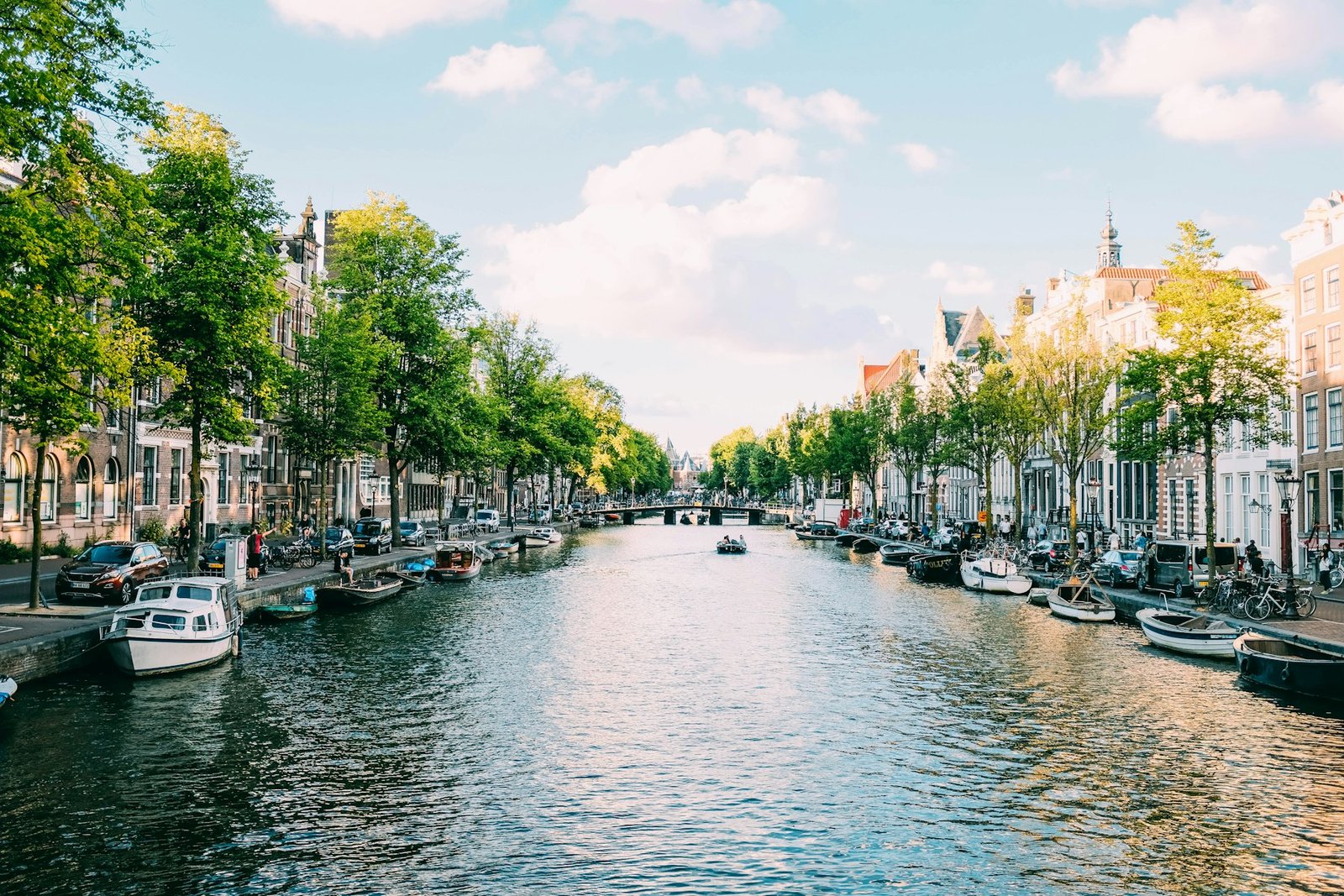
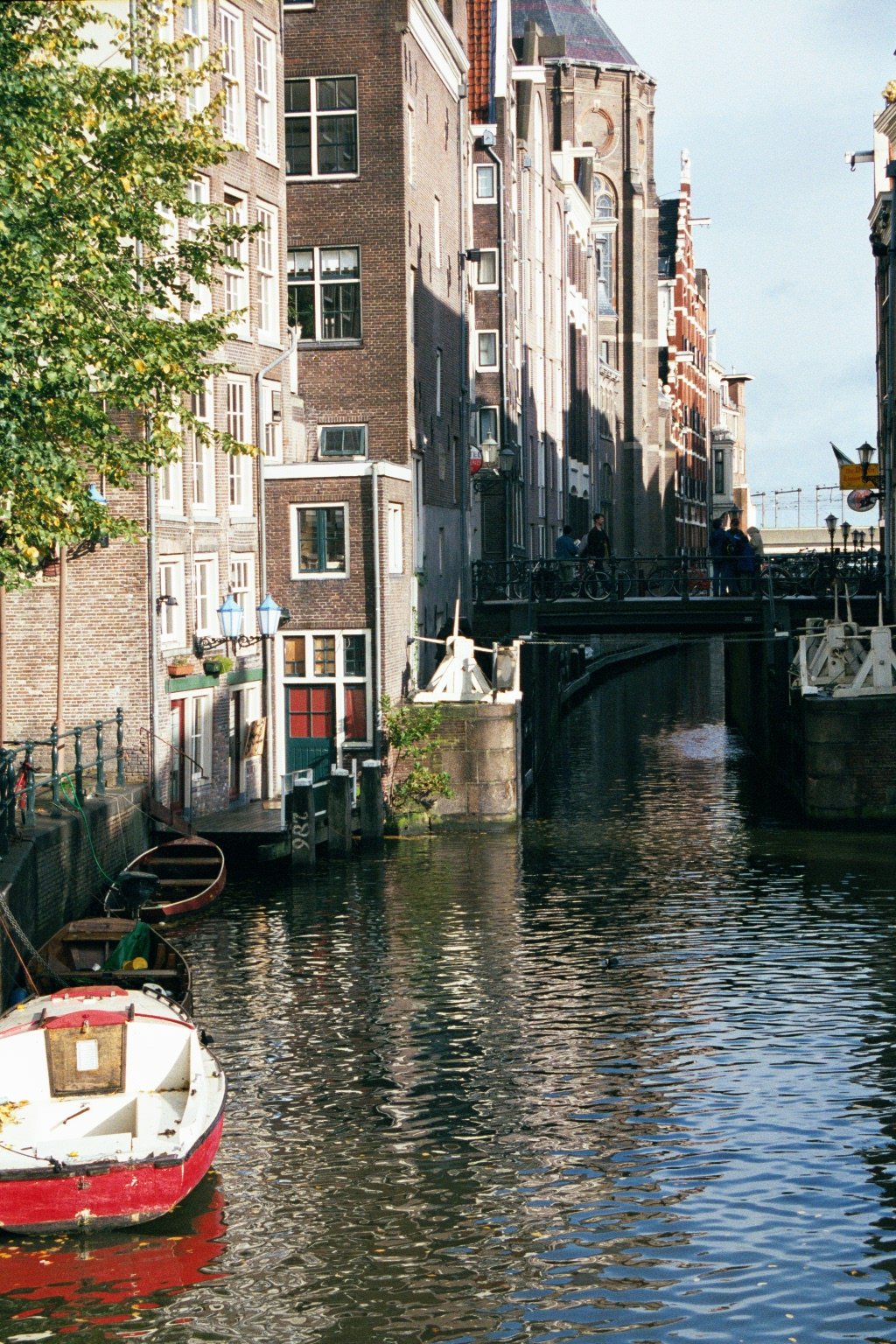
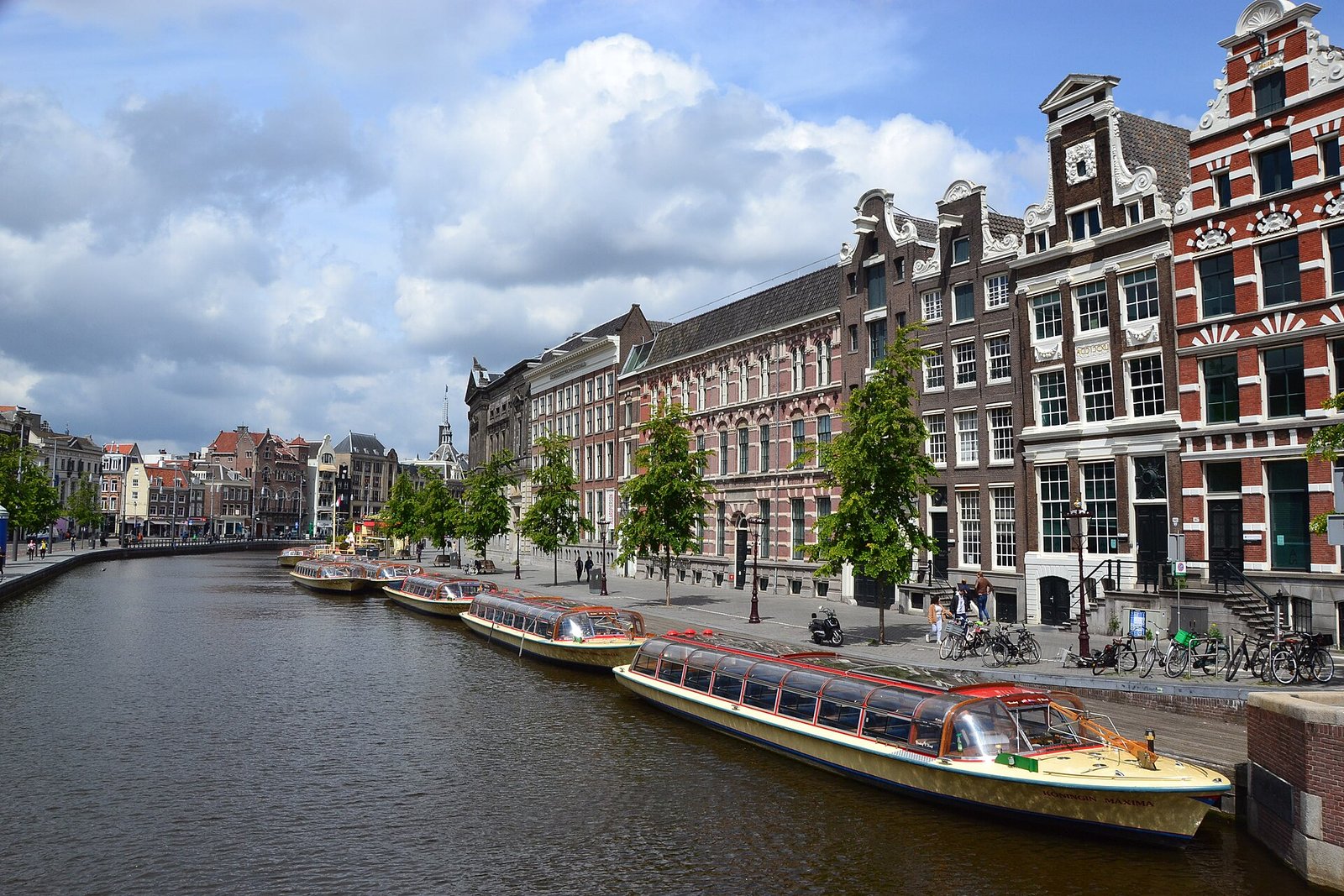
Waterways, warehouses, bridges, and narrow houses explain the city’s trade and engineering history. Allow 3–5 hours. Walk early and take a licensed low-impact boat outside peak traffic. Popular small boats should be reserved. Public walking is free; cruises vary. Stay out of cycle lanes and choose an operator with clear route and capacity. It is best suited to architecture and first-time visitors; time-limited visitors should add Canal-ring walk and boat only when it fits the same area and current conditions.
Museumplein and Vondelpark
Major museums, green space, and surrounding neighborhoods form one efficient full day. Allow 5–8 hours. Use the reserved museum first and park later. Each major museum uses its own booking rules. Park access is free; museums charge separately. Do not schedule three large museums in one day. It is best suited to art, family, and easy-day travelers; On a short Amsterdam visit, Museumplein and Vondelpark should not force a cross-destination transfer.
Haarlem or Waterland day trip
A short rail city or responsible village route adds context beyond central Amsterdam without an exhausting cross-country day. Allow 5–8 hours. Travel after commuter peak and confirm local transit. Rail is usually walk-up; special tours may need booking. Train, bus, and attraction costs vary. Avoid trespassing in villages or treating homes as scenery. It is best suited to repeat visitors and slow travelers; on a short stay, keep Haarlem or Waterland day trip only when access and geography suit that day.
A PRACTICAL ROUTE
Suggested itinerary
Canal orientation
Arrive by official train, walk a compact central loop, and learn tram and bicycle-lane behavior.
Museumplein
Use the booked Rijksmuseum or Van Gogh slot and retain Vondelpark for a slower afternoon.
Jordaan and history
Visit the Anne Frank House at the official time and keep the wider day around western canals.
De Pijp and east
Use markets, neighborhood food, and one museum or park without returning to Centraal repeatedly.
Haarlem or Waterland
Take one focused regional route, or retain a rail-disruption and weather buffer.
REALISTIC BUDGET
Estimated travel costs
Amsterdam costs move most with April–June or September–October, booking timing, taxes, and the exact position of a room in Canal belt or Jordaan. For Amsterdam, let the final Euro (EUR) total control the decision. For Amsterdam, its August 1, 2026 dollar conversion may differ at checkout.
TRAVEL WELL
Practical travel tips
- Book the Anne Frank House and major museums only through their official sites.
- Look both ways before crossing every cycle lane and never stand in one for photographs.
- Rent a bicycle only with real city-riding confidence and use two proper locks.
- Expect narrow stairs and no lift in many historic hotels; ask before booking.
- Check NS service notices for Schiphol and day-trip rail routes.
- Respect residential windows, quiet hours, and rules aimed at overtourism.
- Reserve spring rooms, museum slots, small canal boats, and priority restaurants early.
- Solo women generally travel comfortably; use active late streets and watch drinks and valuables in nightlife districts.
COMMON QUESTIONS
Amsterdam travel FAQ
How many days do you need in Amsterdam?
4–5 days is a practical first-visit range for Amsterdam. If 4–5 days is not available, keep one compact Amsterdam base and Rijksmuseum; additional days are most useful as weather and transport buffers.
Is Amsterdam expensive?
In Amsterdam, a realistic daily planning range is €85–145 (about US$98–167) budget; €210–400 (about US$242–461) mid-range, per person. In Amsterdam, the biggest budget jumps usually come from room location, peak dates, private tram, and guided access to Rijksmuseum.
Do you need a car in Amsterdam?
No. Trams, Metro, buses, ferries, trains, and walking cover the city. A rental car creates expensive parking and restrictions.
What is the best month to visit Amsterdam?
May and September often offer long enough daylight with less pressure than tulip peak and midsummer weekends.
Is Amsterdam safe for solo female travelers?
Amsterdam is generally comfortable for solo women. Use active late routes, secure valuables, and avoid accepting drinks or rides from strangers. Use current government guidance and destination notices—not an old booking page—to make the final Amsterdam risk check.
What should you book in advance for Amsterdam?
Reserve accommodation, Anne Frank House, major art museums, small canal boats, and priority restaurants.
KEEP EXPLORING
Related The Wander Muse guides
PLAN WITH CURRENT INFORMATION
Official resources
For Amsterdam, opening hours, fares, permits, weather rules, and transport arrangements can change. Before leaving for Amsterdam, confirm the details that affect Rijksmuseum directly with the official links below.