START HERE
Why visit Amalfi Coast
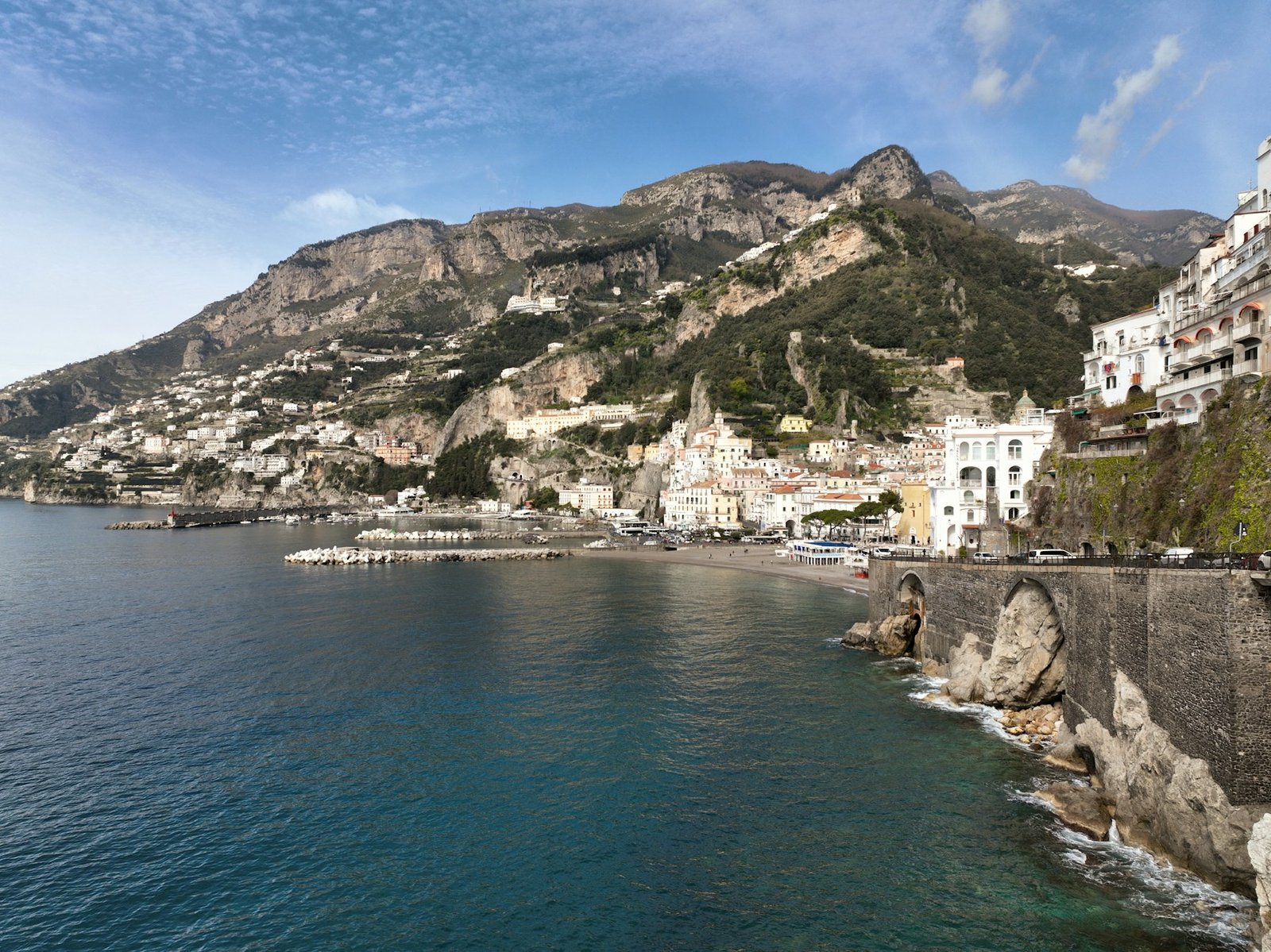
The Amalfi Coast compresses cliff villages, lemon terraces, coves, historic churches, and mountain paths into a short shoreline where travel times are far longer than distances suggest. It suits coastal scenery, couples, hiking, food, beaches, villages, and car-free trips and works best when Positano beyond the main beach and Amalfi and cathedral stay on separate compact days. A first visit works best when Positano beyond the main beach, Amalfi and cathedral, and Ravello are arranged around realistic transport and weather windows. Amalfi is the most balanced transport base, Positano offers iconic scenery at premium prices, and Salerno provides rail access and better value for day trips. Amalfi Coast planning connects Naples International Airport (NAP), Napoli Centrale, or Salerno station, seasonal ferry, Amalfi, and Positano beyond the main beach with the six-row Euro (EUR) budget and 4–6 days route below. Before booking Amalfi Coast, use the linked authorities to verify opening days, seasonal ferry, and any timed entry for Positano beyond the main beach.
AT A GLANCE
Amalfi Coast quick travel summary
Amalfi Coast prices are planning ranges rather than quotes. Before paying in Euro (EUR), check taxes, card charges, cancellation terms, and whether transport to Positano beyond the main beach is included.
WHEN TO GO
Best time to visit
Spring (March–May)
Across Amalfi Coast, expect mild days, changeable rain, and lengthening daylight; conditions near Positano beyond the main beach can vary. For Amalfi Coast, crowds and prices are moderate except around school and public holidays. Positano beyond the main beach is the most practical Amalfi Coast focus during this period. The limitation is that visitors in Amalfi Coast should pack a waterproof layer and expect cool mornings. Ferry suspensions, road incidents, heat, cruise traffic, and stair-heavy village access can overturn an itinerary even in a popular month. Recheck Amalfi Coast weather and the operating status of Positano beyond the main beach shortly before any weather-sensitive or reservation-dependent day.
Summer (June–August)
Across Amalfi Coast, expect the warmest weather and the longest usable days; conditions near Amalfi and cathedral can vary. This is the busiest and most expensive period for Amalfi Coast. This period creates better conditions for Amalfi and cathedral in Amalfi Coast; the main drawback is that visitors in Amalfi Coast should reserve accommodation and timed attractions early. Ferry suspensions, road incidents, heat, cruise traffic, and stair-heavy village access can overturn an itinerary even in a popular month. Recheck Amalfi Coast weather and the operating status of Positano beyond the main beach shortly before any weather-sensitive or reservation-dependent day.
Autumn (September–November)
Across Amalfi Coast, expect cooler air, changing foliage, and shorter daylight; conditions near Ravello can vary. Expect lighter crowds after early September. This period creates better conditions for Ravello in Amalfi Coast; the main drawback is that visitors in Amalfi Coast should check reduced hours and weather-sensitive services. Ferry suspensions, road incidents, heat, cruise traffic, and stair-heavy village access can overturn an itinerary even in a popular month. Recheck Amalfi Coast weather and the operating status of Positano beyond the main beach shortly before any weather-sensitive or reservation-dependent day.
Winter (December–February)
Across Amalfi Coast, expect cold conditions with the possibility of rain, snow, or storms; conditions near Path of the Gods can vary. Expect quiet periods interrupted by holiday peaks. For Amalfi Coast, this window favors Path of the Gods. Schedule it only after accounting for the fact that in Amalfi Coast, transport disruption and limited daylight require buffers. Ferry suspensions, road incidents, heat, cruise traffic, and stair-heavy village access can overturn an itinerary even in a popular month. Recheck Amalfi Coast weather and the operating status of Positano beyond the main beach shortly before any weather-sensitive or reservation-dependent day.
ARRIVING
How to get there
Naples is the main air and rail gateway, but there is no direct mainline train along the coast. Continue by train to Salerno for seasonal ferries, or use Circumvesuviana or Campania Express services toward Sorrento before bus, ferry, or transfer. Salerno is often the cleanest car-free arrival for Amalfi and Positano when boats operate. Buy rail, ferry, and bus tickets from official operators, keep a road alternative for rough seas, and avoid planning a tight coast connection after an international flight. A private transfer is easiest with large luggage but must still use congested roads.
MOVING AROUND
Getting around
Ferries are comfortable and scenic when the sea allows, while SITA buses serve towns year-round but can be full and delayed. Positano and many villages require steep stairs between stops, hotels, and beaches. Taxis and private drivers are costly; confirm the fare and route. A rental car creates narrow-road stress, limited parking, and seasonal traffic controls, so it rarely improves a first visit. Keep each day within one section of coast and save the last practical ferry and bus alternatives before leaving the base. For a 4–6 days visit, group Positano beyond the main beach with Amalfi and cathedral, then protect Ravello for the strongest weather or access window. Positano beyond the main beach and Amalfi and cathedral belong on separate compact Amalfi Coast stages; that leaves room for a delayed seasonal ferry connection. Accessible Amalfi Coast planning needs four checks: seasonal ferry boarding, surfaces, restrooms, and the final approach to Positano beyond the main beach.
CHOOSE A BASE
Where to stay
Amalfi — best for first-time transport
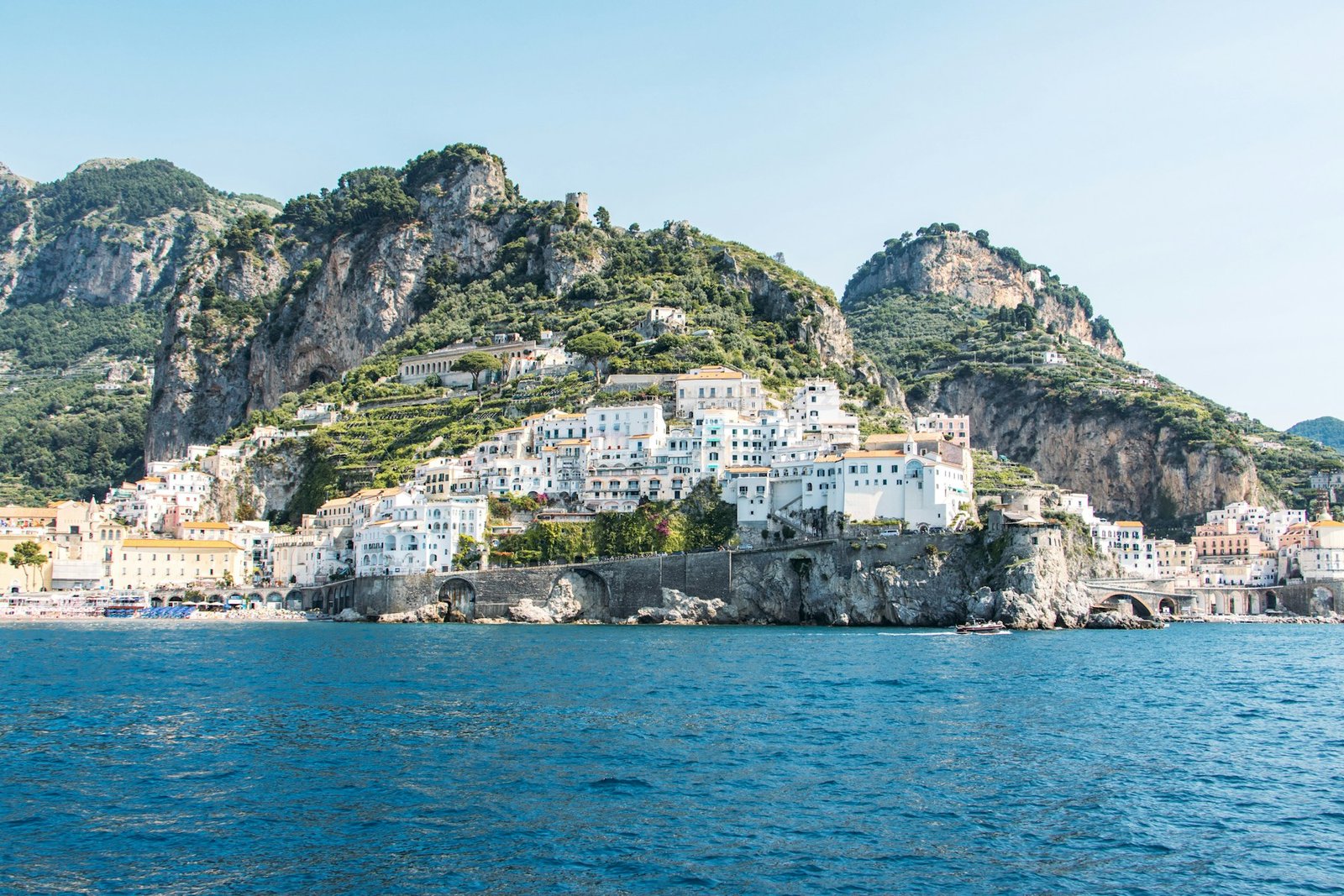
Central ferries and buses, a walkable core, and easier access toward Ravello make this the most practical coast base. Day-trip crowds fill the waterfront and premium central rooms sell early.
Positano — best for scenery and couples
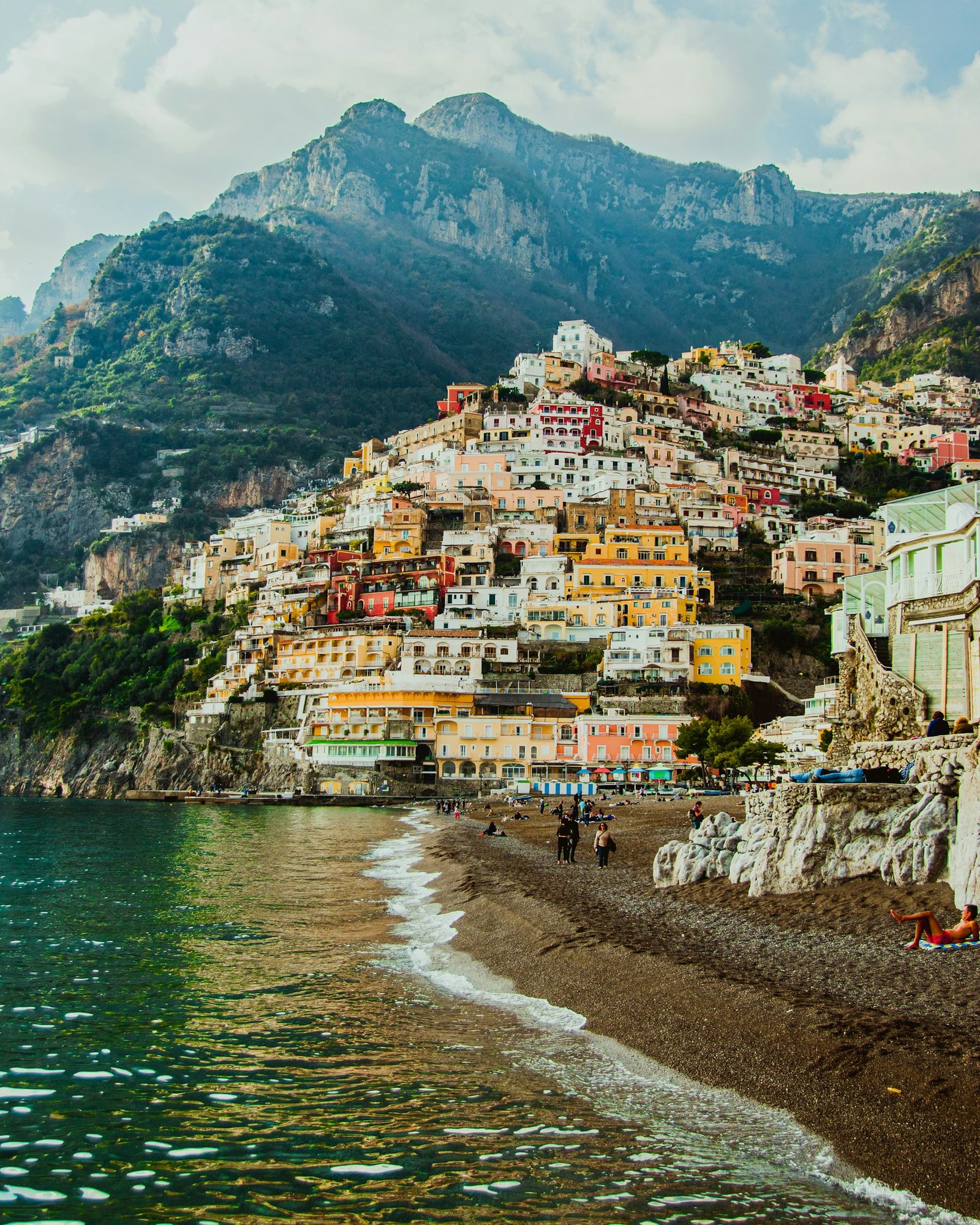
Terraced views, beaches, and early or late access to lanes create the classic stay. Prices are high, stairs are relentless, and luggage transfers need planning.
Salerno — best for budget and rail convenience
Mainline trains, a long promenade, and seasonal ferries support lower-cost coast days. It lacks the cliff-village atmosphere and requires daily travel to the headline towns.
PLAN YOUR DAYS
Best things to do
Positano beyond the main beach
Upper lanes, viewpoints, and smaller corners show the vertical village beyond its crowded waterfront image. Allow 3–5 hours. Arrive on the first practical ferry or stay overnight. No town reservation is needed; clubs and restaurants may require one. Public lanes are free; beach facilities and luggage service cost extra. Wear shoes for stairs and never block residential doors for photographs. It is best suited to first-time visitors and couples; on a short stay, keep Positano beyond the main beach only when access and geography suit that day.
Amalfi and cathedral
The former maritime republic combines a compact historic core, cathedral complex, paper history, and transport hub. Allow 3–4 hours. Explore near opening or after late-afternoon day trips depart. Cathedral interiors may use a paid official entry. Town walking is free; museums and monuments vary. Keep the ferry pier and final departure time visible in the plan. It is best suited to history and car-free travelers; visitors with little time should retain Amalfi and cathedral only if it stays near another priority.
Ravello
Hilltop gardens, villas, music heritage, and open coastal views provide a cooler counterpoint to the shore. Allow 4–6 hours. Use the morning before garden groups and midday heat. Villa tickets and major events should be checked officially. Bus transport and villa admissions are separate. Do not combine Ravello with distant Positano and Capri in one rushed day. It is best suited to garden, architecture, and music travelers; time-limited visitors should add Ravello only when it fits the same area and current conditions.
Path of the Gods
A high trail reveals terraced agriculture and coast geometry that roads cannot provide. Allow 4–6 hours including transport. Walk early in mild, dry, low-wind conditions. No trail reservation is usual; guided walks may need booking. The trail is free; buses, ferries, and guides cost extra. Carry water, use proper footwear, and avoid exposed sections in storms. It is best suited to fit hikers without severe vertigo; On a short Amalfi Coast visit, Path of the Gods should not force a cross-destination transfer.
Maiori and Minori
Flatter waterfronts, Roman remains, pastry traditions, and easier beach access create a useful quieter coast day. Allow 4–6 hours. Choose a warm morning and walk the Lemon Path only in safe conditions. Specific sites and tastings may require reservation. Public promenades are free; attractions and beach facilities vary. Use the same-side bus or ferry route rather than crossing the entire coast. It is best suited to families, food travelers, and repeat visitors; on a short stay, keep Maiori and Minori only when access and geography suit that day.
A PRACTICAL ROUTE
Suggested itinerary
Salerno or Amalfi arrival
Reach the chosen base, learn the pier and bus stop, and keep the first evening local.
Amalfi and Ravello
Start in Amalfi, continue uphill once, and return to the same transport hub rather than crossing west.
Positano
Use the earliest reliable ferry, explore from the upper lanes downward, and retain a bus backup.
Path of the Gods or eastern coast
Walk only under suitable conditions; otherwise use Maiori and Minori as a lower-risk coastal day.
Weather buffer
Use the best remaining sea window for a focused boat outing or revisit one town without stacking Capri into a departure day.
REALISTIC BUDGET
Estimated travel costs
Amalfi Coast costs move most with April–June or September–October, booking timing, taxes, and the exact position of a room in Amalfi. Treat Amalfi Coast’s dollar figures as orientation. They convert Euro (EUR) at August 1, 2026 reference rates for Amalfi Coast, before later market movement or payment fees.
TRAVEL WELL
Practical travel tips
- Keep ferry and bus alternatives because wind and rough seas can suspend boats.
- Pack light and ask the accommodation exactly how many stairs separate it from the stop.
- Stay in one coast section per day instead of chasing Positano, Amalfi, Ravello, and Capri together.
- Buy SITA tickets before boarding where required and validate them under current rules.
- Avoid driving unless the wider Campania trip genuinely requires a car and parking is confirmed.
- Carry water and sun protection on the Path of the Gods; exposed walking is unsafe in storms.
- Reserve spring and summer rooms, priority restaurants, ferries, and private transfers early.
- Solo women should retain a confirmed late return because sparse evening buses can leave expensive taxi alternatives.
COMMON QUESTIONS
Amalfi Coast travel FAQ
How many days do you need in Amalfi Coast?
4–6 days is a practical first-visit range for Amalfi Coast. If 4–6 days is not available, keep one compact Amalfi Coast base and Positano beyond the main beach; additional days are most useful as weather and transport buffers.
Is Amalfi Coast expensive?
In Amalfi Coast, a realistic daily planning range is €85–145 (about US$98–167) budget; €220–450 (about US$254–519) mid-range, per person. In Amalfi Coast, the biggest budget jumps usually come from room location, peak dates, private seasonal ferry, and guided access to Positano beyond the main beach.
Do you need a car in Amalfi Coast?
No. Ferries, buses, trains to the gateways, and walking are usually easier. A car creates parking and traffic problems.
What is the best month to visit Amalfi Coast?
May and September often combine operating ferries, warm conditions, and less pressure than July and August.
Is Amalfi Coast safe for solo female travelers?
The coast is generally manageable for solo women, but late transport and isolated stairways need planning. Save the final confirmed return and use known taxis. Use current government guidance and destination notices—not an old booking page—to make the final Amalfi Coast risk check.
What should you book in advance for Amalfi Coast?
Reserve coast rooms, long-distance rail, priority ferries, private transfers, major restaurants, and guided hikes.
KEEP EXPLORING
Related The Wander Muse guides
PLAN WITH CURRENT INFORMATION
Official resources
For Amalfi Coast, opening hours, fares, permits, weather rules, and transport arrangements can change. Use the linked authorities to recheck Amalfi Coast access, opening times, and transport before departure.