START HERE
Why visit Arashiyama
Arashiyama is more than one bamboo lane: riverside scenery, Zen gardens, hillside temples, preserved streets, and seasonal mountain color reward an early, geographically ordered day. It suits temples, gardens, photography, walking, families, first-time kyoto visits, and seasonal foliage and works best when Arashiyama Bamboo Grove and Tenryū-ji stay on separate compact days. A first visit works best when Arashiyama Bamboo Grove, Tenryū-ji, and Togetsukyō and riverside are arranged around realistic transport and weather windows. Stay in central Kyoto for broad sightseeing, near Kyoto Station for transport convenience, or overnight in Arashiyama for dawn access and a quieter evening. Arashiyama planning connects JR Saga-Arashiyama, Hankyu Arashiyama, or Randen Arashiyama stations, jr, Central Kyoto, and Arashiyama Bamboo Grove with the six-row Japanese yen (JPY) budget and Half day to 1 full day route below. Before booking Arashiyama, use the linked authorities to verify opening days, jr, and any timed entry for Arashiyama Bamboo Grove.
AT A GLANCE
Arashiyama quick travel summary
Arashiyama prices are planning ranges rather than quotes. Check the cancellation rule and full inclusions before booking Tenryū-ji; small surcharges can materially change the total.
WHEN TO GO
Best time to visit
Spring (March–May)
Across Arashiyama, expect mild days, changeable rain, and lengthening daylight; conditions near Arashiyama Bamboo Grove can vary. For Arashiyama, crowds and prices are moderate except around school and public holidays. Arashiyama Bamboo Grove is the most practical Arashiyama focus during this period. The limitation is that visitors in Arashiyama should pack a waterproof layer and expect cool mornings. Cherry blossom and autumn foliage peaks, summer heat, typhoons, and temple opening hours matter more than a generic best season. Recheck Arashiyama weather and the operating status of Arashiyama Bamboo Grove shortly before any weather-sensitive or reservation-dependent day.
Summer (June–August)
Across Arashiyama, expect the warmest weather and the longest usable days; conditions near Tenryū-ji can vary. This is the busiest and most expensive period for Arashiyama. For Arashiyama, this window favors Tenryū-ji. Schedule it only after accounting for the fact that visitors in Arashiyama should reserve accommodation and timed attractions early. Cherry blossom and autumn foliage peaks, summer heat, typhoons, and temple opening hours matter more than a generic best season. Recheck Arashiyama weather and the operating status of Arashiyama Bamboo Grove shortly before any weather-sensitive or reservation-dependent day.
Autumn (September–November)
Across Arashiyama, expect cooler air, changing foliage, and shorter daylight; conditions near Togetsukyō and riverside can vary. Expect lighter crowds after early September. For Arashiyama, this window favors Togetsukyō and riverside. Schedule it only after accounting for the fact that visitors in Arashiyama should check reduced hours and weather-sensitive services. Cherry blossom and autumn foliage peaks, summer heat, typhoons, and temple opening hours matter more than a generic best season. Recheck Arashiyama weather and the operating status of Arashiyama Bamboo Grove shortly before any weather-sensitive or reservation-dependent day.
Winter (December–February)
Across Arashiyama, expect cold conditions with the possibility of rain, snow, or storms; conditions near Okochi Sanso Garden can vary. Expect quiet periods interrupted by holiday peaks. This period creates better conditions for Okochi Sanso Garden in Arashiyama; the main drawback is that in Arashiyama, transport disruption and limited daylight require buffers. Cherry blossom and autumn foliage peaks, summer heat, typhoons, and temple opening hours matter more than a generic best season. Recheck Arashiyama weather and the operating status of Arashiyama Bamboo Grove shortly before any weather-sensitive or reservation-dependent day.
ARRIVING
How to get there
JR trains from Kyoto Station reach Saga-Arashiyama and are convenient for rail-pass users, while Hankyu services approach from central Kyoto through a different station south of the river. Randen is useful from northwest Kyoto. Choose the line by the day’s starting point rather than crossing the city for a famous route. Buy transport through official rail or Kyoto transit channels and check service notices. Taxis save time for a group but road congestion becomes severe in foliage and blossom periods. The cheapest option is regular rail; the easiest is the direct line from the nearest useful station.
MOVING AROUND
Getting around
Arashiyama is best explored on foot, but attractions spread from the riverside to northern hills. Begin at the bamboo grove and Tenryū-ji, then move north toward preserved streets and quieter temples rather than returning repeatedly to the station. Buses become crowded and slow at midday. Bicycles help on flatter outer streets but must be parked only in designated areas. Rickshaws are a paid experience, not efficient mass transport. Accessible routes exist around the central area, while hillside temples involve grades, steps, and uneven paths. For a half day to 1 full day visit, group Arashiyama Bamboo Grove with Tenryū-ji, then protect Togetsukyō and riverside for the strongest weather or access window. Arashiyama Bamboo Grove and Tenryū-ji belong on separate compact Arashiyama stages; that leaves room for a delayed jr connection. Accessible Arashiyama planning needs four checks: jr boarding, surfaces, restrooms, and the final approach to Arashiyama Bamboo Grove.
CHOOSE A BASE
Where to stay
Central Kyoto — best for first-time visitors
Multiple rail choices, evening dining, and access to the rest of Kyoto make this the balanced base. Reaching Arashiyama at dawn requires an early train.
Kyoto Station area — best for transport and budget
JR access, luggage storage, and broad hotel supply simplify an early western-Kyoto day. The atmosphere is more commercial and some east-side sights are farther away.
Arashiyama — best for quiet mornings and scenery
Overnight guests can walk before day crowds and enjoy the river after tours leave. Dining and evening transport are more limited, and traditional stays can be expensive.
PLAN YOUR DAYS
Best things to do
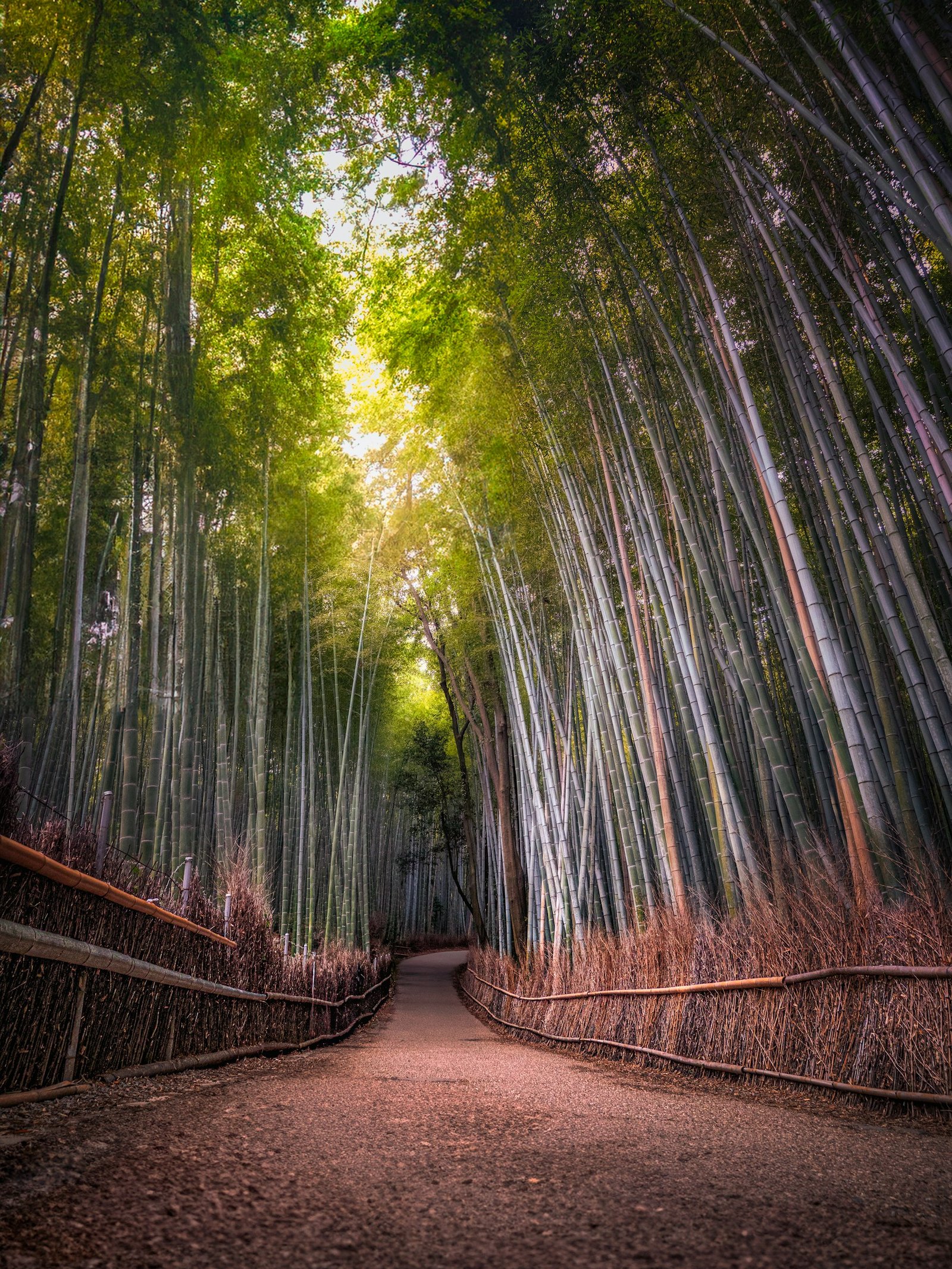
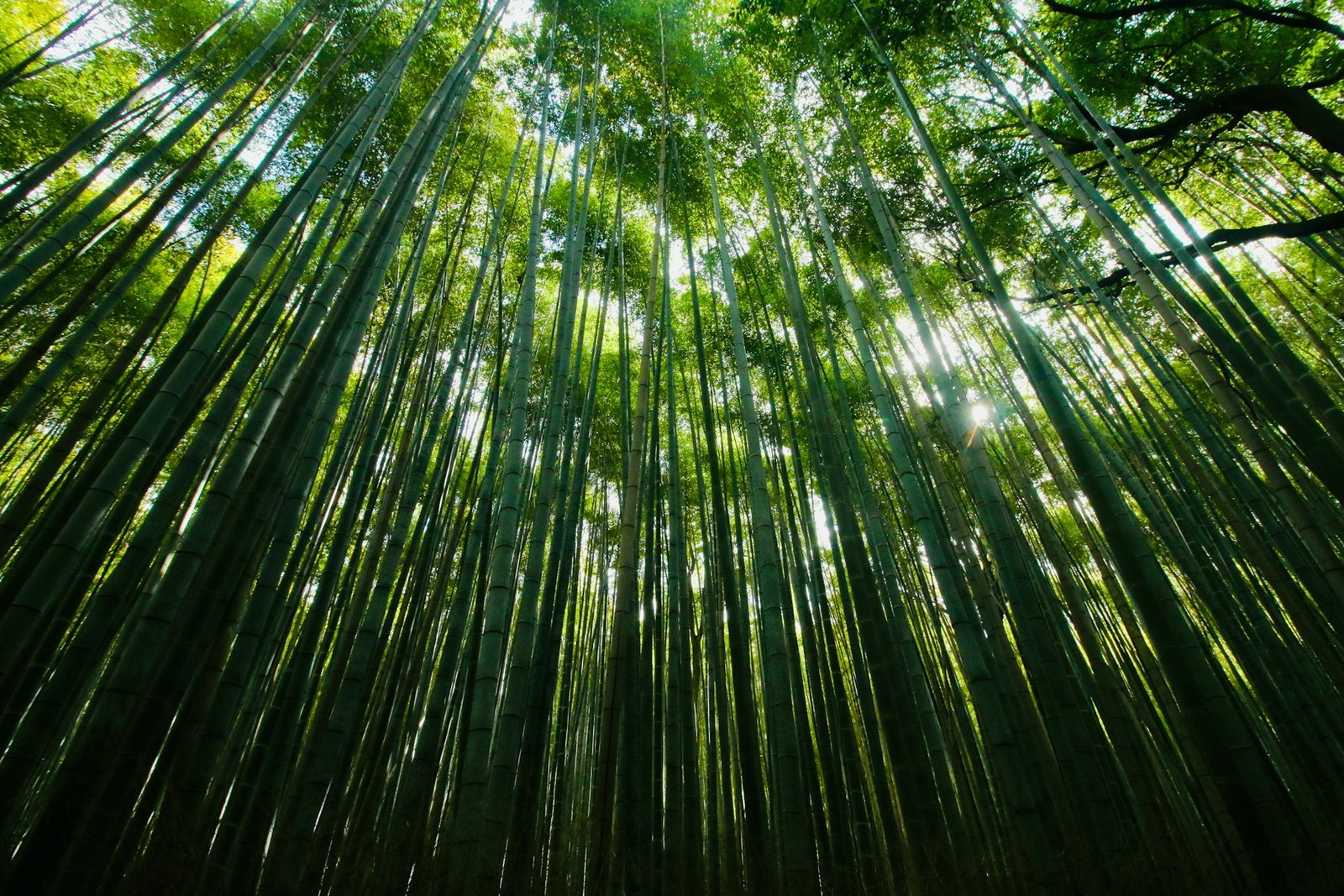
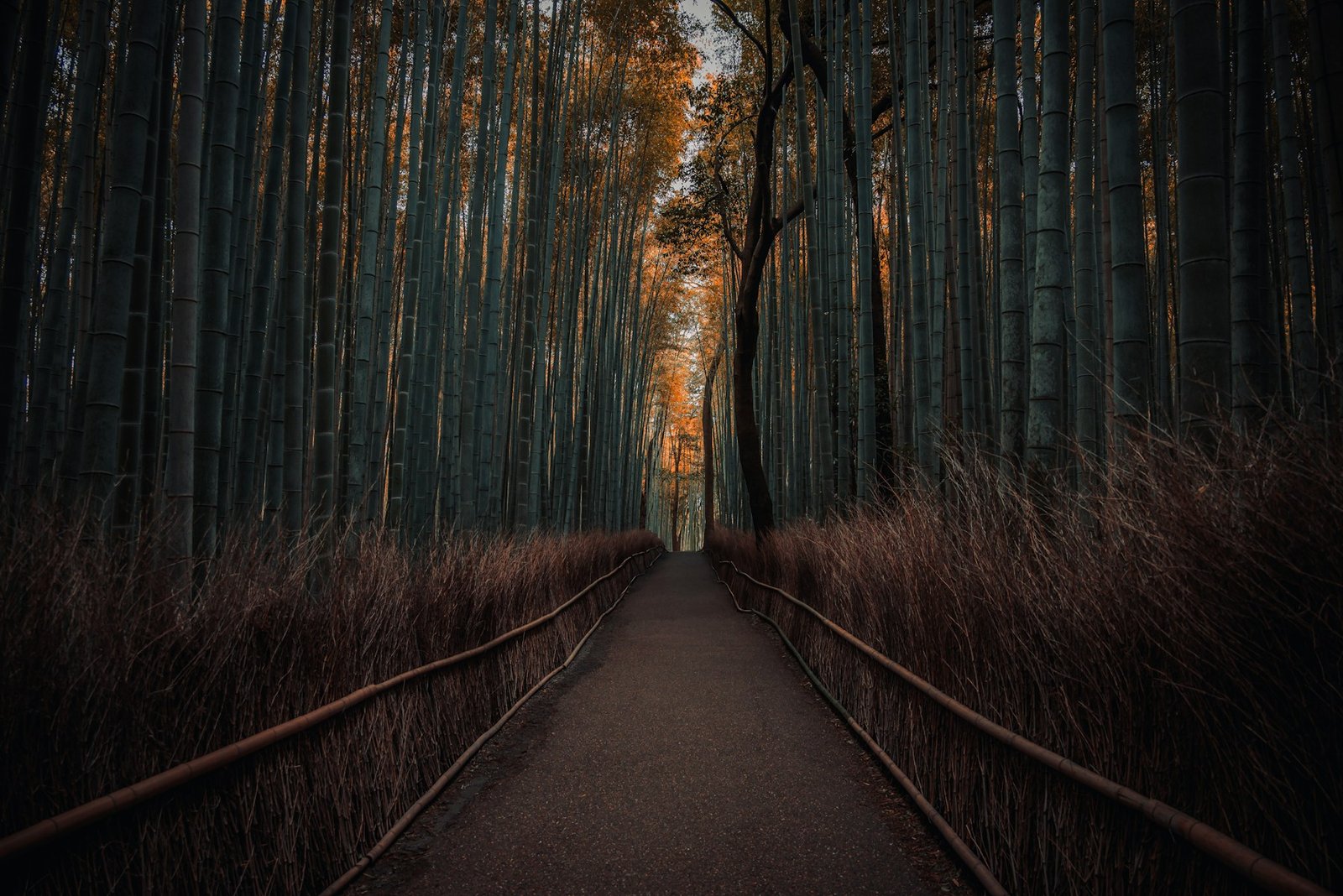
Arashiyama Bamboo Grove
The short public path creates a striking vertical landscape but works best as the start of a wider district route. Allow 30–60 minutes. Arrive near dawn or in the first daylight hour. No reservation is needed for the public path. The grove itself is free. Keep moving, avoid tripods in traffic, and do not enter fenced bamboo. It is best suited to photographers and first-time visitors; On a short Arashiyama visit, Arashiyama Bamboo Grove should not force a cross-destination transfer.
Tenryū-ji
A major Zen temple and garden anchors Arashiyama’s cultural history beside the grove. Allow 1–2 hours. Enter at opening and use the garden exit that fits the northbound route. No normal advance booking is required; special visits may differ. Paid garden and building admissions may be separate. Respect no-photography areas and quiet worship spaces. It is best suited to garden, history, and architecture travelers; time-limited visitors should add Tenryū-ji only when it fits the same area and current conditions.
Togetsukyō and riverside
The bridge and Katsura River open the district visually and provide a flexible rest between temples. Allow 1–2 hours. Use morning light or late afternoon after day groups depart. No reservation is needed. Public river walks are free; boats vary. Keep clear of traffic and monitor flood or storm closures. It is best suited to families and easy-walk travelers; visitors with little time should retain Togetsukyō and riverside only if it stays near another priority.
Okochi Sanso Garden
A hillside villa garden adds layered paths, views, and a calmer experience near the busiest corridor. Allow 1–1.5 hours. Visit shortly after the grove before queues build elsewhere. Advance booking is normally unnecessary. Paid entry generally includes a simple refreshment under current rules. Expect steps and allow time rather than rushing for one viewpoint. It is best suited to garden lovers and repeat visitors; on a short stay, keep Okochi Sanso Garden only when access and geography suit that day.
Saga-Toriimoto and a northern temple
Preserved streets and temples such as Gio-ji or Adashino Nenbutsu-ji extend the day beyond the standard circuit. Allow 2–3 hours. Continue north before lunch, then return by foot or bus. Normal temple entry is usually walk-up; special events may require booking. Individual temple admissions apply. Choose one or two sites and respect residential lanes. It is best suited to slow travelers and cultural visitors; On a short Arashiyama visit, Saga-Toriimoto and a northern temple should not force a cross-destination transfer.
A PRACTICAL ROUTE
Suggested itinerary
Bamboo and Tenryū-ji
Reach the grove before peak groups, then enter Tenryū-ji at opening without doubling back.
Villa garden and northern lanes
Continue through Okochi Sanso toward Saga-Toriimoto and one quieter temple.
Local break
Eat away from the station bottleneck and observe restaurant queue systems.
Riverside
Return gradually to Togetsukyō, use a garden or museum if weather turns, and depart before rush hour.
Arashiyama after crowds
Overnight visitors can enjoy the river and illuminated seasonal events only when officially scheduled.
REALISTIC BUDGET
Estimated travel costs
Arashiyama costs move most with March–May or October–November, with early starts year-round, booking timing, taxes, and the exact position of a room in Central Kyoto. Arashiyama’s dollar figures use August 1, 2026 reference rates; recalculate them before payment.
TRAVEL WELL
Practical travel tips
- Arrive before tour buses; the bamboo path is short and cannot absorb midday crowds.
- Use one rail line based on your Kyoto starting point instead of chasing a pass benefit across town.
- Move north from the grove to avoid repeated station backtracking.
- Carry coins or a transit IC card, but check which temple counters accept cards.
- Do not touch bamboo, enter fences, fly drones, or stage photographs that block the path.
- Pack for summer humidity, winter chill, and rain because shade changes how conditions feel.
- Check temple closing times before lunch; many finish earlier than city attractions.
- Solo women can use the active central paths comfortably, but should leave isolated northern lanes before dark.
COMMON QUESTIONS
Arashiyama travel FAQ
How many days do you need in Arashiyama?
Half day to 1 full day is a practical first-visit range for Arashiyama. If Half day to 1 full day is not available, keep one compact Arashiyama base and Arashiyama Bamboo Grove; additional days are most useful as weather and transport buffers.
Is Arashiyama expensive?
In Arashiyama, a realistic daily planning range is ¥7,000–12,000 (about US$44–76) budget; ¥18,000–35,000 (about US$114–222) mid-range, including a Kyoto room. Room choice and reserved transport matter more to the Arashiyama total than small savings on meals or local fares.
Do you need a car in Arashiyama?
No. Rail and walking are the correct tools; buses and taxis are secondary. Private parking is scarce during peak periods.
What is the best month to visit Arashiyama?
November is famous for foliage and late March to early April for blossoms, but exact timing varies and crowds are intense.
Is Arashiyama safe for solo female travelers?
Arashiyama is generally comfortable for solo women in daylight. Use active routes and leave remote northern lanes before dark. A final review of official advice, local conditions, and the route from JR Saga-Arashiyama, Hankyu Arashiyama, or Randen Arashiyama stations belongs in the departure checklist.
What should you book in advance for Arashiyama?
Reserve only special temple visits, peak overnight stays, guided activities, and seasonal trains or boats that explicitly require it.
KEEP EXPLORING
Related The Wander Muse guides
PLAN WITH CURRENT INFORMATION
Official resources
For Arashiyama, opening hours, fares, permits, weather rules, and transport arrangements can change. Before leaving for Arashiyama, confirm the details that affect Arashiyama Bamboo Grove directly with the official links below.