
START HERE
Why visit Port Douglas and the Daintree
Port Douglas and the Daintree place two World Heritage environments—the Great Barrier Reef and the Wet Tropics rainforest—within one tropical Queensland itinerary. Port Douglas provides marina tours, restaurants, and a beach base; the Daintree adds ancient forest, rivers, boardwalks, and a remote coast north of the ferry. The region suits couples, families, divers, snorkelers, birders, road-trippers, and nature travelers prepared for humidity and changing conditions. Seven days allow two reef or coastal opportunities, a Mossman and rainforest day, and two nights north of the river without rushing. This guide explains the wet and dry seasons, Cairns transfers, road and ferry logistics, accommodation bases, realistic costs, and a practical route. The key planning rule is safety: crocodile habitat, marine stingers, cyclones, heat, and remote roads require official guidance, not guesswork.
AT A GLANCE
Port Douglas and the Daintree quick travel summary
Reef boats, rental cars, remote rooms, tours, and weather policies affect costs. Use these Australian-dollar ranges as estimates and verify ferry access, insurance, park conditions, inclusions, and cancellations.
WHEN TO GO
Best time to visit
Dry season (May–October)
Lower humidity, cooler nights, and generally calmer conditions make this the most popular period. Reef visibility and sea state still vary daily, while school holidays raise prices. Reserve boats and Daintree rooms, carry a light layer for early departures, and use sun protection. Crocodile and marine safety rules remain year-round, regardless of pleasant weather.
Build-up (November–December)
Heat and humidity intensify before the wettest months, with storms and possible early cyclones. Visitor demand rises around holidays. Reef trips continue when safe, but sea conditions can change. Hydrate, choose air-conditioned lodging, keep tours flexible, and monitor official cyclone and road information. Marine stinger precautions are particularly important in warmer months.
Wet season (January–March)
Heavy rain, flooding, cyclones, road closures, and very high humidity can disrupt every part of the itinerary. The rainforest is dramatic and waterfalls are active, but remote north-of-river travel needs caution. Use refundable bookings, avoid crossing floodwater, and follow emergency advice. Some operators or properties reduce services. Never schedule an international flight immediately after a remote stay.
Transition (April)
April may remain wet and humid while conditions gradually improve. Easter and school holidays increase demand. Roads and trails can retain storm damage even after clear weather returns. Verify Daintree ferry, park, and operator status, carry rain protection, and keep a Port Douglas-based alternative. The landscape is lush, but swimming decisions still require official local guidance.
ARRIVING
How to get there
Cairns Airport is the main gateway, roughly an hour or more from Port Douglas depending on traffic, road works, and weather. Pre-booked coaches, shared shuttles, private transfers, authorized taxis, and rental cars use the scenic Captain Cook Highway. There is no passenger rail service to Port Douglas. A rental car is useful for Mossman, the Daintree, and self-catering, while a resort-focused traveler can use an airport transfer and organized tours. North of the Daintree River, access uses the vehicle ferry and a narrow road with limited services; ferry hours, queues, and road status must be checked. The easiest first arrival is a confirmed Cairns transfer; a car provides the most flexibility. Avoid the coastal drive after a very late flight or during severe weather warnings.
MOVING AROUND
Getting around
Port Douglas is walkable around Macrossan Street, the marina, and selected parts of Four Mile Beach, though heat makes midday distances tiring. Local shuttles, taxis, bicycles, and tour pickups cover many resort needs. A rental car is valuable for Mossman Gorge, Daintree Village, Cape Tribulation, grocery shopping, and multi-base travel. North of the ferry, roads are sealed in key sections but winding, narrow, wildlife-prone, and vulnerable to storms; drive in daylight and never enter floodwater. Reef trips depart by boat and include operator-specific check-in. There is no universal public bus network for every rainforest stop. Use guided Kuku Yalanji experiences where possible and group north-of-river activities into one stay.
CHOOSE A BASE
Where to stay
Central Port Douglas — best for first-time visitors and car-light travel
Staying near Macrossan Street and the marina places restaurants, shops, tour check-ins, and evening walks close together. It suits couples, solo travelers, and short stays without a car. Central rooms cost more, nightlife noise varies, and the beach may still be a warm walk. Confirm marina distance and airport-shuttle drop-off.
Four Mile Beach resort zone — best for families and relaxation
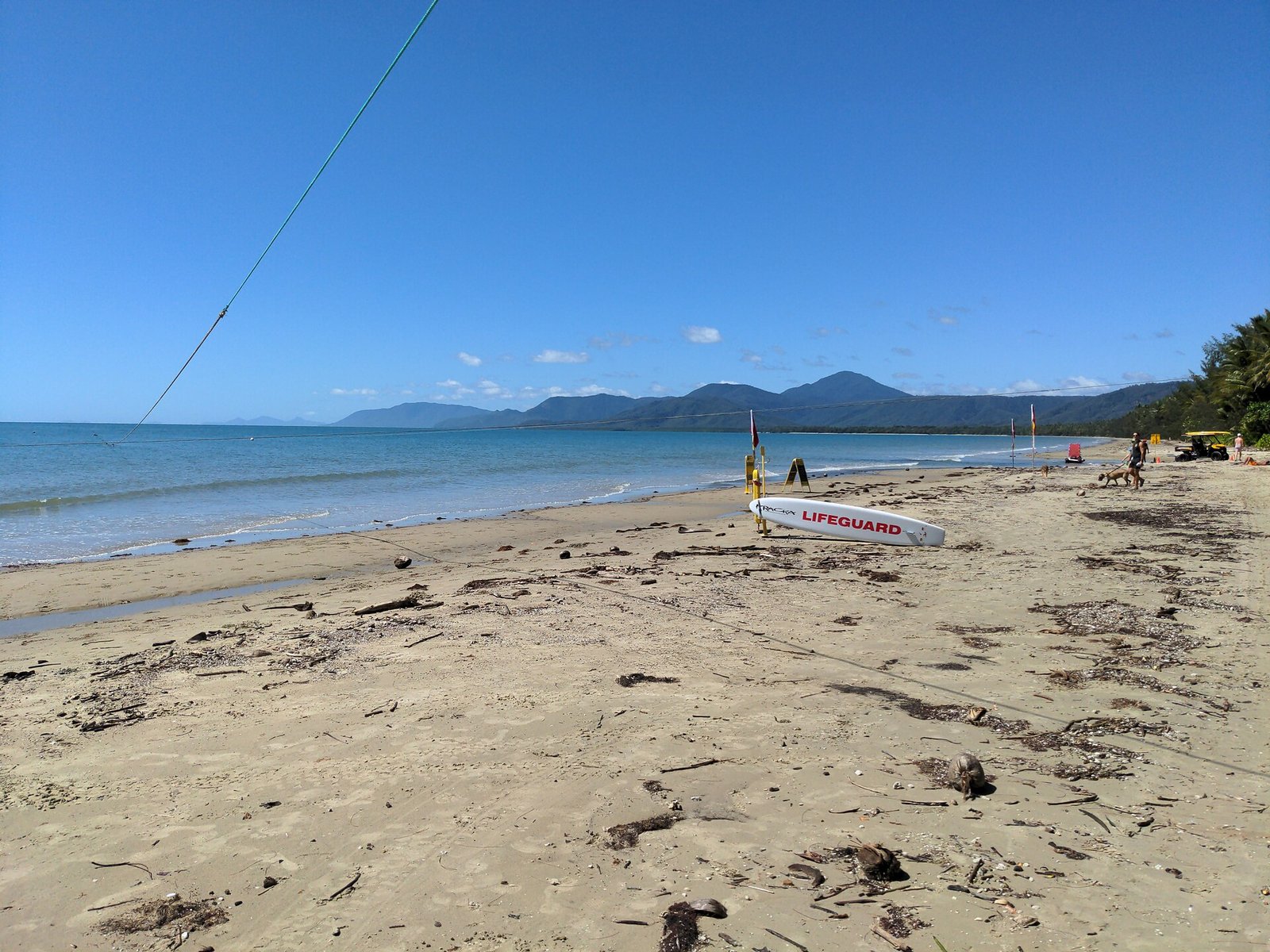
Larger resorts south of the center offer pools, gardens, family rooms, and beach access, often with more space. They suit families and travelers prioritizing resort time. Restaurants and the marina may require a shuttle or car, while a beach-facing name does not guarantee safe swimming. Verify transport, kitchen facilities, and supervised water areas.
Daintree or Cape Tribulation — best for rainforest immersion
Two nights north of the river provide dawn and evening wildlife, guided walks, and less daily driving. Eco-lodges, cabins, and campgrounds suit nature travelers comfortable with limited services. Mobile coverage, power, food choice, and weather access vary. Confirm generator hours, meals, ferry timing, road status, and emergency arrangements before booking.
PLAN YOUR DAYS
Best things to do
Outer Great Barrier Reef trip
A full-day reef boat can provide snorkeling, diving, glass-bottom viewing, and marine interpretation according to the operator. Compare permit credentials, passenger numbers, safety briefing, flotation support, stinger protection, and cancellation policy. Sea conditions and visibility vary. Disclose medical issues, use reef-safe behavior, never touch coral, and choose the day with the best forecast rather than the first available slot.
Low Isles or a closer reef experience
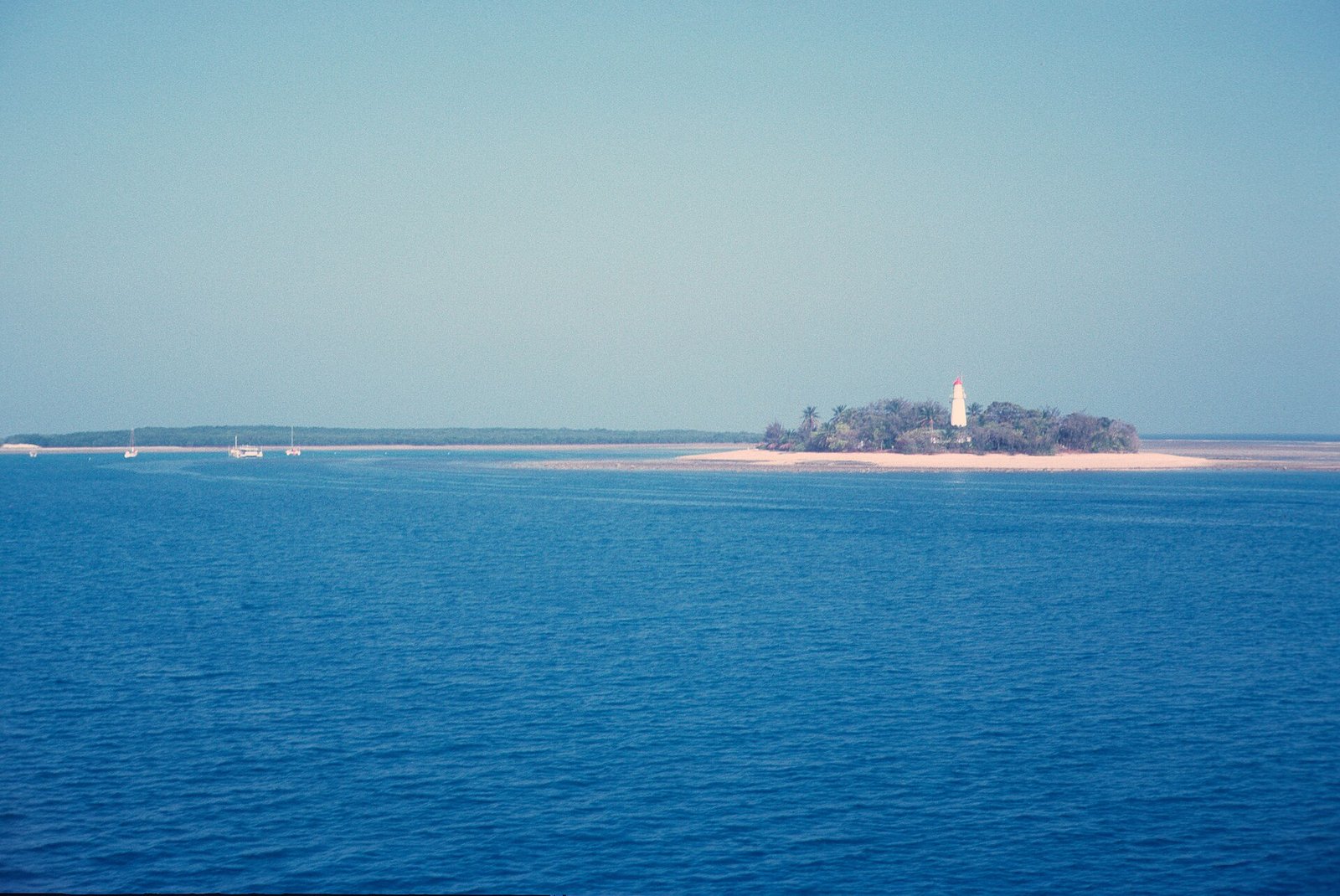
Low Isles trips can suit families, first-time snorkelers, and travelers wanting a shorter or sail-based outing, though wind and sea state still matter. Allow half or a full day. Check island access, included equipment, marine-biologist guidance, and swimming supervision. A closer reef is not automatically calm, and non-swimmers should discuss viewing alternatives before booking.
Mossman Gorge and Kuku Yalanji culture
Mossman Gorge combines rainforest, river scenery, and opportunities for Indigenous-led interpretation. Use the official visitor center and current shuttle arrangements, allowing three to four hours. Swimming may be unsafe after rain or in strong current; follow signs. A Kuku Yalanji-led walk offers context that a boardwalk alone cannot provide. Reserve when capacity is limited.
Daintree rainforest and Cape Tribulation
Boardwalks, beaches, lookouts, and forest north of the river deserve at least one full day and ideally an overnight. Check ferry, road, park, and cyclone status before departure. Stay on paths, carry insect protection, and never approach water edges casually in crocodile habitat. Beach beauty does not imply swimming safety. A guide improves wildlife and plant interpretation.
Wildlife and river experiences
Authorized Daintree River cruises, birding walks, and nocturnal tours can reveal wildlife that independent visitors miss. Choose reputable operators that maintain distance, avoid feeding, and explain habitat. Allow two to three hours and bring quiet clothing, binoculars, and rain protection. Sightings are never guaranteed. Never stop on narrow roads or enter private land to pursue an animal.
A PRACTICAL ROUTE
Suggested itinerary
Cairns to Port Douglas
Use a confirmed transfer or collect a car, settle in, and walk the marina or central beach area without a fixed water activity.
Outer reef
Take a full-day authorized reef trip, following all medical, stinger, sun, and marine-life guidance. Keep the evening quiet.
Port Douglas and Low Isles option
Use a relaxed town and beach day, or take a separate closer-reef trip only if conditions and energy are suitable.
Mossman Gorge
Visit the official center and a Kuku Yalanji-led or marked rainforest experience, then continue toward the Daintree River.
Cross into the Daintree
Use the ferry in daylight, stop at selected boardwalks, and check into remote lodging before weather or darkness complicates the road.
Cape Tribulation
Join a guided nature, river, or cultural activity and explore only open designated areas, treating all water edges as crocodile habitat.
Return to Cairns corridor
Cross the ferry with a large buffer, stop only where road conditions allow, and never time the remote drive close to a flight.
REALISTIC BUDGET
Estimated travel costs
A budget traveler using simple lodging and shared transfers can plan around A$150–250 per person per day before premium diving. A mid-range trip with a shared resort room, rental car, restaurant meals, one reef day, and one guided rainforest experience commonly reaches A$350–650. School holidays cost more. Compare equipment, levies, ferry, fuel, insurance, meals, and weather cancellation terms. For Port Douglas and the Daintree, let the final Australian dollar (AUD) total control the decision. For Port Douglas and the Daintree, its August 1, 2026 dollar conversion may differ at checkout.
TRAVEL WELL
Practical travel tips
- Treat every river, creek, estuary, and unsupervised beach edge as potential crocodile habitat and obey all signs.
- Use marine-stinger protection and lifeguarded swimming areas according to current local guidance.
- Never drive through floodwater or past road closures; wet-season conditions can isolate the Daintree.
- Choose reef operators by safety, permits, supervision, and environmental practice, not price alone.
- Carry sun protection, water, insect repellent, and rain gear even on a dry-season day.
- Book reef boats, cars, and remote Daintree lodging early, keeping activities flexible for weather.
- Respect Kuku Yalanji country and choose Indigenous-led interpretation that credits knowledge and community.
- Solo travelers should share remote road and trail plans and avoid unsupported swimming or rainforest routes.
COMMON QUESTIONS
Port Douglas and the Daintree travel FAQ
How many days do you need in Port Douglas and the Daintree?
Five days cover Port Douglas, one reef day, and a Daintree day trip. Seven days allow two rainforest nights and weather flexibility.
Do you need a car?
Not for a Port Douglas resort stay with tours. A car is highly useful for Mossman, Daintree accommodation, Cape Tribulation, and a multi-base itinerary.
What is the best month to visit?
June through September usually offers lower humidity and drier conditions. School holidays raise prices, and reef conditions still vary by day.
Can you swim at Port Douglas beaches?
Use only current supervised areas and follow crocodile, stinger, surf, and closure guidance. A calm-looking tropical beach is not automatically safe.
Is the Daintree suitable for families?
Yes with age-appropriate boardwalks and guided experiences. Families must manage heat, insects, car seats, road time, and strict water safety.
Is Port Douglas expensive?
Reef tours, resorts, cars, and remote dining are costly. Apartments, self-catering, shared transfers, and fewer premium activities help control the budget.
KEEP EXPLORING
Related The Wander Muse guides
CHECK BEFORE DEPARTURE
Sources and official resources
Schedules, fares, closures, and timed-entry systems affecting Port Douglas and the Daintree can change. Recheck the official resources below shortly before departure.