
START HERE
Why visit Mui Ne
Mui Ne combines a working fishing coast, wind sports, red and white dunes, and a long resort corridor beside Phan Thiết where the exact base determines daily travel. It suits sand dunes, kitesurfing, beaches, couples, budget travel, and short vietnam coast breaks and works best when White Sand Dunes and Red Sand Dunes stay on separate compact days. A first visit works best when White Sand Dunes, Red Sand Dunes, and Fishing village are arranged around realistic transport and weather windows. Hàm Tiến is best for restaurants and first visits, east Mui Ne is closer to the fishing village and dunes, and Phan Thiết provides a more local city base. Mui Ne planning connects Phan Thiết railway station, reached from Ho Chi Minh City; road transfers are also common, train to phan thiết, Hàm Tiến, and White Sand Dunes with the six-row Vietnamese đồng (VND) budget and 3–5 days route below. Before booking Mui Ne, use the linked authorities to verify opening days, train to phan thiết, and any timed entry for White Sand Dunes.
AT A GLANCE
Mui Ne quick travel summary
Mui Ne prices are planning ranges rather than quotes. For Mui Ne, compare the final checkout total—not only the advertised price—and verify every transfer or ticket inclusion.
WHEN TO GO
Best time to visit
Dry season (December–April)
Across Mui Ne, expect lower humidity, brighter days, and generally calmer travel conditions; conditions near White Sand Dunes can vary. For Mui Ne, crowds and prices are at their highest during peak international demand. For Mui Ne, this window favors White Sand Dunes. Schedule it only after accounting for the fact that visitors in Mui Ne should book popular rooms, boats, and guides well ahead. Wind, extreme dune heat, coastal erosion, tropical rain, and road conditions affect water sports and sunrise trips. Recheck Mui Ne weather and the operating status of White Sand Dunes shortly before any weather-sensitive or reservation-dependent day.
Early shoulder season (May–June)
Across Mui Ne, expect warmer humidity with a mix of sunshine and short showers; conditions near Red Sand Dunes can vary. For Mui Ne, crowds and prices are generally lower, with occasional accommodation value. This period creates better conditions for Red Sand Dunes in Mui Ne; the main drawback is that in Mui Ne, heat and rain make rigid schedules uncomfortable. Wind, extreme dune heat, coastal erosion, tropical rain, and road conditions affect water sports and sunrise trips. Recheck Mui Ne weather and the operating status of White Sand Dunes shortly before any weather-sensitive or reservation-dependent day.
Wet or storm season (July–October)
Across Mui Ne, expect heavier rain risk and possible tropical systems; conditions near Fishing village can vary. Crowds and prices are generally lower outside local holidays. Fishing village is the most practical Mui Ne focus during this period. The limitation is that visitors in Mui Ne should use refundable terms and monitor official forecasts. Wind, extreme dune heat, coastal erosion, tropical rain, and road conditions affect water sports and sunrise trips. Recheck Mui Ne weather and the operating status of White Sand Dunes shortly before any weather-sensitive or reservation-dependent day.
Transition month (November)
Across Mui Ne, expect improving weather but lingering rain or rough-water days; conditions near Fairy Stream can vary. Demand and prices are rising toward the festive season. For Mui Ne, this window favors Fairy Stream. Schedule it only after accounting for the fact that visitors in Mui Ne should confirm marine, road, and attraction operations locally. Wind, extreme dune heat, coastal erosion, tropical rain, and road conditions affect water sports and sunrise trips. Recheck Mui Ne weather and the operating status of White Sand Dunes shortly before any weather-sensitive or reservation-dependent day.
ARRIVING
How to get there
Travelers commonly arrive from Ho Chi Minh City by train toward Phan Thiết or by intercity bus, followed by a taxi or hotel transfer along the coast. Check the exact railway station, bus office, luggage rule, and resort address because the strip is long. A private driver can be practical for groups but should use a licensed company. New transport infrastructure changes travel times, so use official rail and accommodation guidance rather than an old timetable. Avoid accepting an unmarked station ride or paying the full amount before the vehicle and destination are clear.
MOVING AROUND
Getting around
The resort corridor is too long to walk end to end. Taxis, app rides where active, hotel drivers, and organized dune tours are safer than improvised transport. Bicycles work only for short flat sections outside peak heat. Scooters carry significant crash and insurance risk; use one only with the legally required license, helmet, and experience. Phan Thiết and fishing-village stops should be grouped by direction. Dune tracks require suitable vehicles and should not be attempted independently in darkness. For a 3–5 days visit, group White Sand Dunes with Red Sand Dunes, then protect Fishing village for the strongest weather or access window. White Sand Dunes and Red Sand Dunes belong on separate compact Mui Ne stages; that leaves room for a delayed train to phan thiết connection. Accessible Mui Ne planning needs four checks: train to phan thiết boarding, surfaces, restrooms, and the final approach to White Sand Dunes.
CHOOSE A BASE
Where to stay
Hàm Tiến — best for first-time visitors and food
Restaurants, cafés, shops, and many hotels line the central corridor. Beach width and construction vary greatly by property.
East Mui Ne — best for fishing village and dunes
A local atmosphere and shorter drives to red dunes suit sunrise-focused travelers. Dining and polished accommodation are less concentrated.
Phan Thiết — best for value and local city life
Markets, rail access, and ordinary restaurants provide a less resort-oriented base. Daily beach and dune trips require transport.
PLAN YOUR DAYS
Best things to do
White Sand Dunes
Large pale dunes and lakes create the region’s most dramatic desert-like landscape. Allow 2–3 hours plus travel. Arrive around sunrise before heat and crowds. Reserve a reputable driver or tour. Entry and vehicle options vary. Avoid unsafe ATV driving and protect cameras from sand. It is best suited to photographers and first-time visitors; visitors with little time should retain White Sand Dunes only if it stays near another priority.
Red Sand Dunes
Smaller dunes near town are easy to combine with the fishing village. Allow 1–2 hours. Visit early or near sunset and avoid midday heat. No major reservation is needed. Local entry or parking fees may apply. Decline aggressive rental offers and secure valuables. It is best suited to short itineraries and families; on a short stay, keep Red Sand Dunes only when access and geography suit that day.
Fishing village
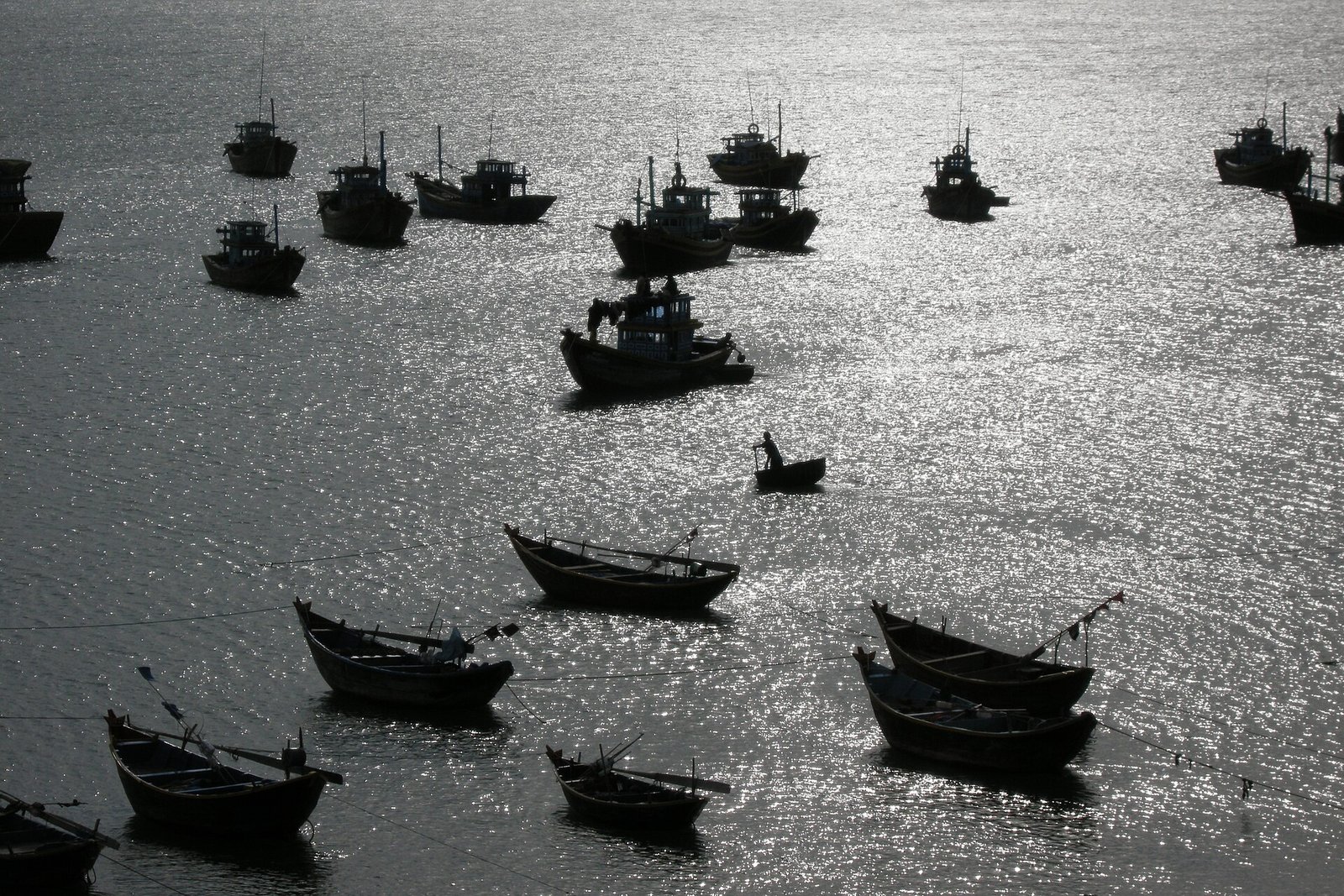
Colorful round boats and an active shore reveal working coastal life beyond resorts. Allow 1–2 hours. Arrive early and remain out of working areas. No reservation is needed for public viewpoints. Viewing is generally free. Ask before photographing workers closely. It is best suited to culture and photography travelers; On a short Mui Ne visit, Fishing village should not force a cross-destination transfer.
Fairy Stream
A shallow walk through colored formations offers an accessible geological stop. Allow 1–2 hours. Use cooler hours and check flow after rain. No ordinary reservation is needed. A small fee may apply. Wear secure footwear and do not climb fragile walls. It is best suited to families and casual walkers; time-limited visitors should add Fairy Stream only when it fits the same area and current conditions.
Kitesurfing coast
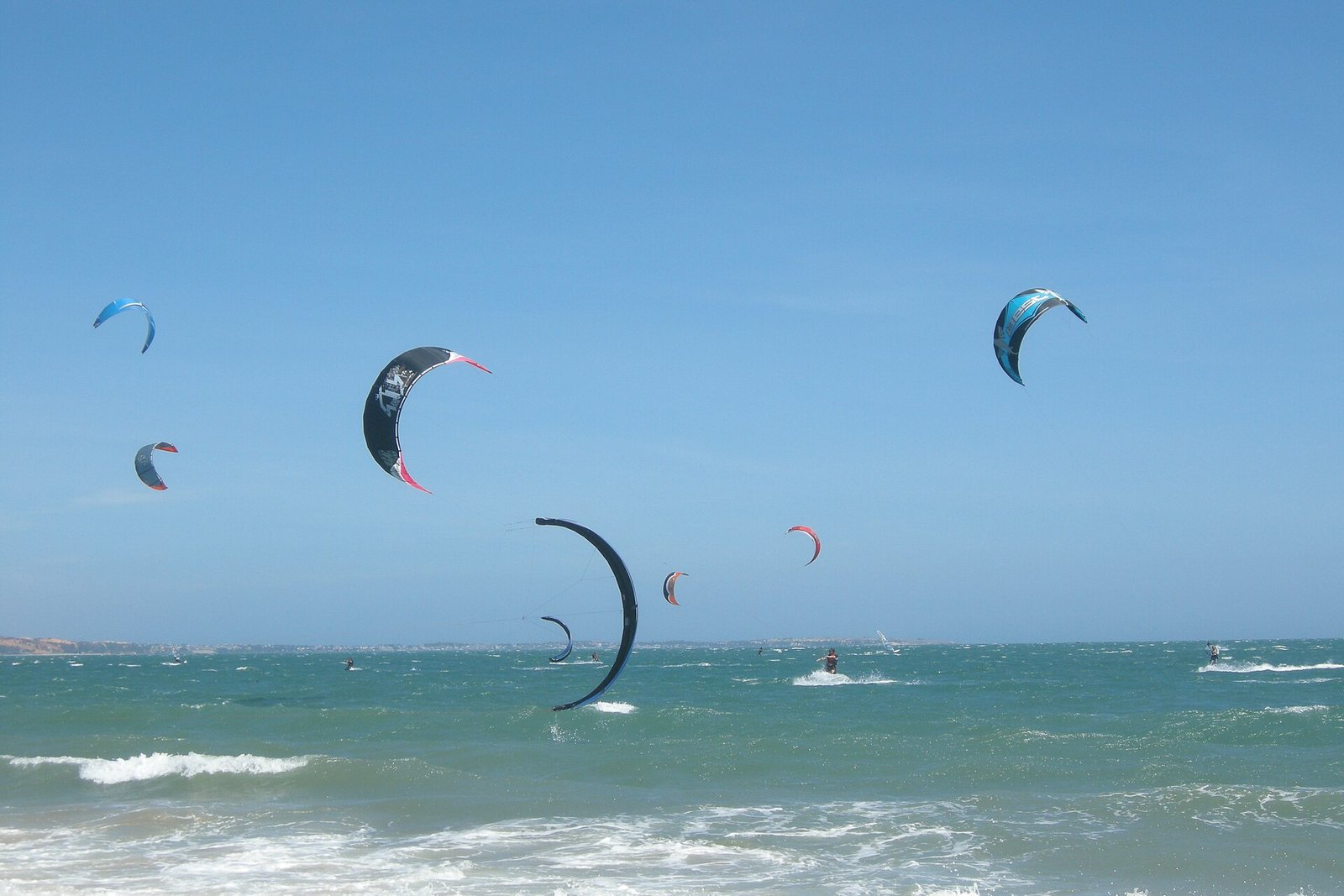
Seasonal wind supports lessons and advanced riding at established schools. Allow 2–4 hours. Match the session to wind, ability, and beach condition. Reserve a certified school in the windy season. Lesson and equipment prices vary. Beginners should never rent independently in crowded or gusty water. It is best suited to qualified riders and careful beginners; visitors with little time should retain Kitesurfing coast only if it stays near another priority.
A PRACTICAL ROUTE
Suggested itinerary
Hàm Tiến orientation
Arrive, verify beach access and transport, and keep the first sunset near the hotel.
White dunes
Use a reputable early driver, return before peak heat, and leave the afternoon for rest.
Fishing village and red dunes
Group the eastern coast, village, and red dunes in one directionally efficient circuit.
Fairy Stream or wind day
Walk the stream early and take a certified lesson only when wind and beach conditions match ability.
REALISTIC BUDGET
Estimated travel costs
Mui Ne costs move most with November–April, booking timing, taxes, and the exact position of a room in Hàm Tiến. Recalculate Mui Ne’s dollar comparison when booking. The figures here convert Vietnamese đồng (VND) at August 1, 2026 reference rates and exclude later card charges.
TRAVEL WELL
Practical travel tips
- Verify the exact hotel position and current beach width; the resort strip is long and erosion varies.
- Use official rail information and a known station transfer rather than relying on an old bus timetable.
- Schedule dunes near sunrise and carry water, sun protection, and sand protection for electronics.
- Do not ride an ATV or scooter without proper safety equipment, licensing, and insurance.
- Use certified kitesurfing schools and follow wind and swimmer-separation rules.
- Carry đồng for small fees while checking card terminals and avoiding home-currency conversion.
- Ask before photographing fishing work at close range.
- Solo women should use established drivers for dark sunrise pickups and share the vehicle details.
COMMON QUESTIONS
Mui Ne travel FAQ
How many days do you need in Mui Ne?
3–5 days is a practical first-visit range for Mui Ne. If 3–5 days is not available, keep one compact Mui Ne base and White Sand Dunes; additional days are most useful as weather and transport buffers.
Is Mui Ne expensive?
In Mui Ne, a realistic daily planning range is VND 900,000–1,700,000 (about US$34–65) budget; VND 2,500,000–5,000,000 (about US$95–190) mid-range, per person. Costs rise fastest when a Mui Ne trip combines the most convenient base with peak-season rooms and privately arranged outings.
Do you need a car in Mui Ne?
A car is unnecessary. Use rail or bus to arrive, then taxis, a driver, or organized tours. Scooters are only for properly licensed experienced riders.
What is the best month to visit Mui Ne?
January and February often provide dry conditions and reliable wind, while exact beach and sea conditions still vary.
Is Mui Ne safe for solo female travelers?
Mui Ne is commonly visited by solo women. Use verified dark-hour drivers, avoid isolated beaches at night, and do not ride without proper licensing. Recheck official travel advice for Mui Ne, then compare it with the latest conditions affecting White Sand Dunes.
What should you book in advance for Mui Ne?
Reserve peak rooms, Ho Chi Minh City transport, sunrise dune drivers, and certified kitesurfing lessons.
KEEP EXPLORING
Related The Wander Muse guides
PLAN WITH CURRENT INFORMATION
Official resources
For Mui Ne, opening hours, fares, permits, weather rules, and transport arrangements can change. Use the linked authorities to recheck Mui Ne access, opening times, and transport before departure.