START HERE
Why visit Uluṟu–Kata Tjuṯa
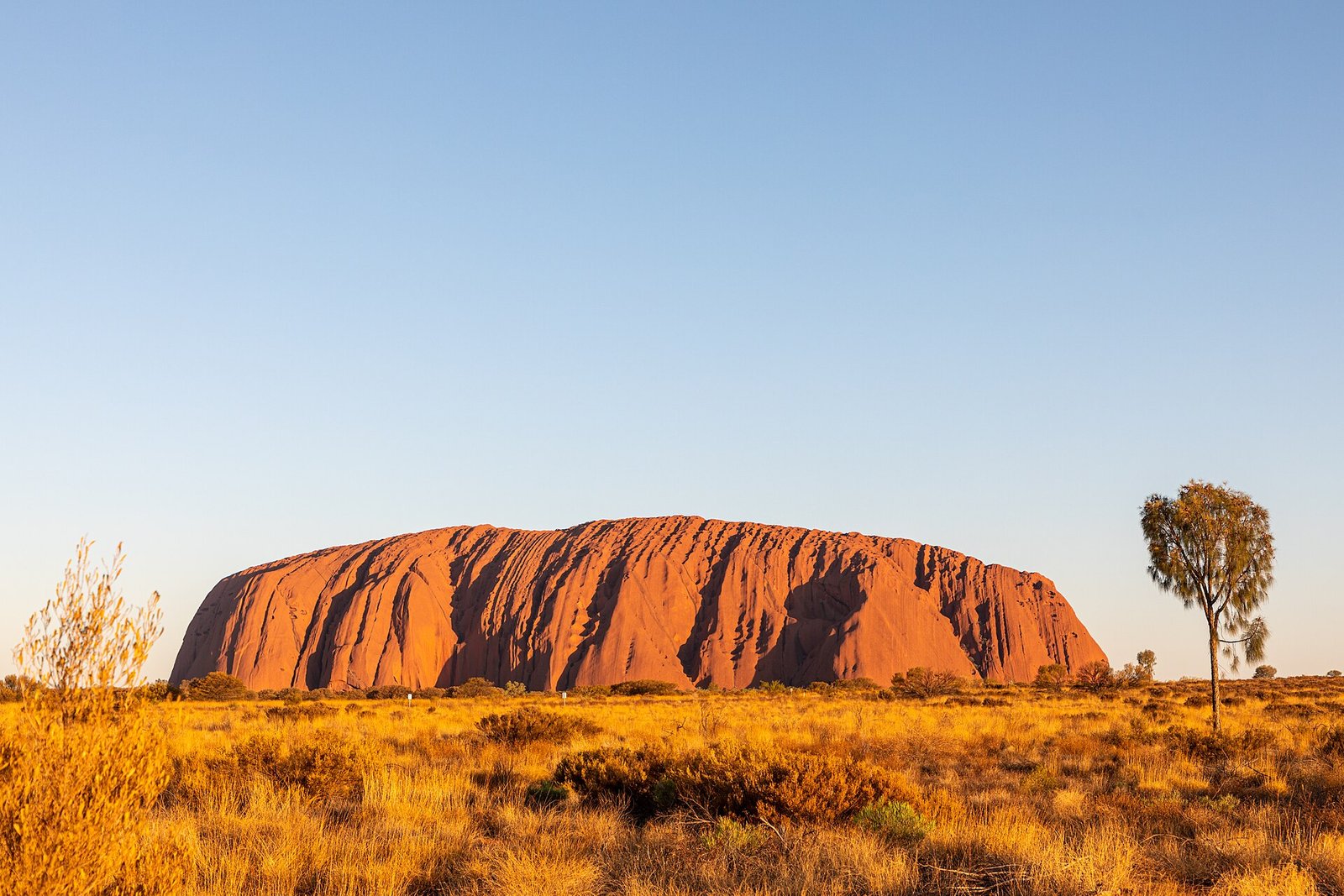
Uluṟu–Kata Tjuṯa National Park is a living cultural landscape, not simply a red-rock photo stop. Uluṟu and the domes of Kata Tjuṯa hold profound meaning for Aṉangu Traditional Owners, while desert light, plants, wildlife, and geology change through each day. The destination suits culturally curious travelers, families, photographers, walkers, and Australian road trips prepared for heat, distance, and park rules. Four days allow sunrise and sunset, the Uluṟu base route, Kata Tjuṯa, cultural interpretation, and weather flexibility. This guide explains the seasons, Yulara and airport logistics, transport, accommodation, realistic costs, and a respectful itinerary. The essential planning principle is to listen first: use official Aṉangu-led or park interpretation, obey requests not to photograph sensitive places, stay on open routes, and remember that climbing Uluṟu is permanently closed.
AT A GLANCE
Uluṟu–Kata Tjuṯa quick travel summary
Accommodation, tours, car hire, park passes, and meals cost more in this remote location. Use these Australian-dollar ranges as estimates and verify current access, heat closures, inclusions, and cancellation terms.
WHEN TO GO
Best time to visit
Cool season (May–August)
Days are generally mild and nights can be close to freezing, providing the safest broad window for longer walks. This is also the busiest period, with high room and tour demand. Pack a warm jacket, gloves for sunrise, sun protection for daytime, and reserve early. Even in winter, dehydration and intense ultraviolet exposure remain important.
Spring transition (September–October)
September is often pleasant, while October becomes hotter and daytime walking restrictions may be more relevant. Wildflowers can appear after suitable rain. Prices remain strong around holidays. Start routes at first light, carry more water than expected, and check official heat and closure information. Afternoon exposed walking may be unsafe even when mornings feel comfortable.
Hot season (November–February)
Extreme heat, strong sun, storms, and flies can make outdoor activity hazardous. Park authorities may close walks when temperatures reach specified thresholds. Summer suits only travelers willing to begin before sunrise, obey closures, and spend midday indoors. Flexible bookings matter because storms can affect roads and flights. Never attempt a long walk after the official cutoff.
Autumn transition (March–April)
March can remain very hot, while April often becomes more manageable with cooler mornings. Rain is uncommon but can transform colors and temporarily affect roads. Visitor demand increases toward Easter and the cool season. Use early starts, verify route status, and carry both sun protection and a warmer layer for April dawns.
ARRIVING
How to get there
Ayers Rock Airport serves Yulara, the resort township just outside the national park. Airlines, accommodation shuttles, rental cars, taxis, and tour transfers operate according to current schedules; confirm whether an airport transfer is included with the room. Alice Springs is several hundred kilometers away by road and should be treated as a full overland journey, not a nearby airport alternative. Long-distance coaches and guided itineraries may link the two according to season. The easiest fly-in trip uses the included or pre-booked Yulara transfer plus organized park tours; a rental car provides sunrise and Kata Tjuṯa flexibility. Fuel, water, and emergency preparation are essential for any wider self-drive. Never schedule a park walk immediately after a delayed midday arrival in hot weather, and leave a flight buffer after remote-road travel.
MOVING AROUND
Getting around
Yulara contains accommodation, shops, dining, and some resort transport, while Uluṟu and Kata Tjuṯa lie inside the national park at meaningful driving distances. No ordinary public city bus links every viewpoint, so travelers use a rental car, organized tour, or current shuttle product. Drive only on open roads, watch for wildlife, obey speed limits, and refuel before remote excursions. Designated walks range from short accessible sections to longer exposed routes; official maps, heat closures, and water guidance take priority over apps. Bicycles may be available for selected Uluṟu routes through authorized operators. A car is optional for tour-based stays but useful for independent dawn and sunset timing. Avoid driving when fatigued after dark.
CHOOSE A BASE
Where to stay
Yulara resort center — best for first-time visitors
All main accommodation sits around Yulara rather than inside the park. Central properties provide easier access to dining, shops, tour pickups, and some shuttle services. They suit short fly-in trips and families. Prices are high, room categories vary, and restaurants book up. Confirm the precise pickup point and walking distance in heat.
Yulara apartments or campground — best for budgets and self-catering
Apartments, cabins, and campground options can lower food or room costs and suit road-trippers or families. Availability is limited in the cool season, while midday tent conditions can be harsh in heat. Check kitchen equipment, shade, powered-site needs, shared facilities, and current fire rules. Grocery choice and prices reflect the remote setting.
Guided multi-day camp or Alice Springs route — best for immersive overland travel
Authorized guided camps and overland tours can add interpretation, meals, and transport to Uluṟu, Kata Tjuṯa, and other Red Centre landscapes. They suit solo travelers and visitors unwilling to drive. Comfort, cultural quality, walking intensity, and group size vary. Compare licenses, safety, sleeping arrangements, included park access, and pickup times carefully.
PLAN YOUR DAYS
Best things to do
Cultural Centre and Aṉangu interpretation
Begin at the Cultural Centre to understand Aṉangu law, living culture, land management, and requests about photography before walking. Allow two to three hours, including exhibitions and any available programs. Check official hours and respect areas where images are prohibited. An Aṉangu-led experience can deepen the visit, but availability should be verified and booked through responsible channels.
Uluṟu Base Walk
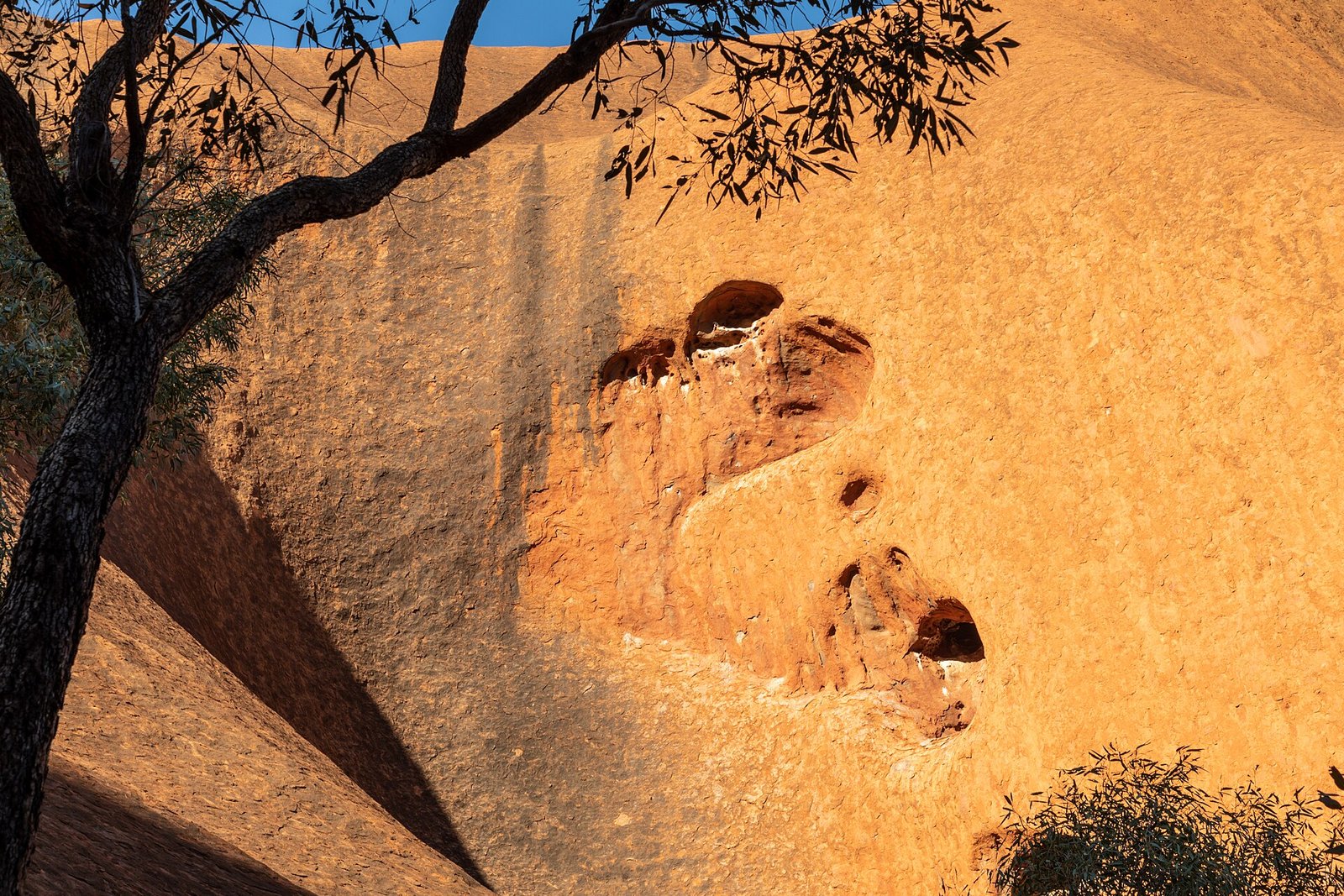
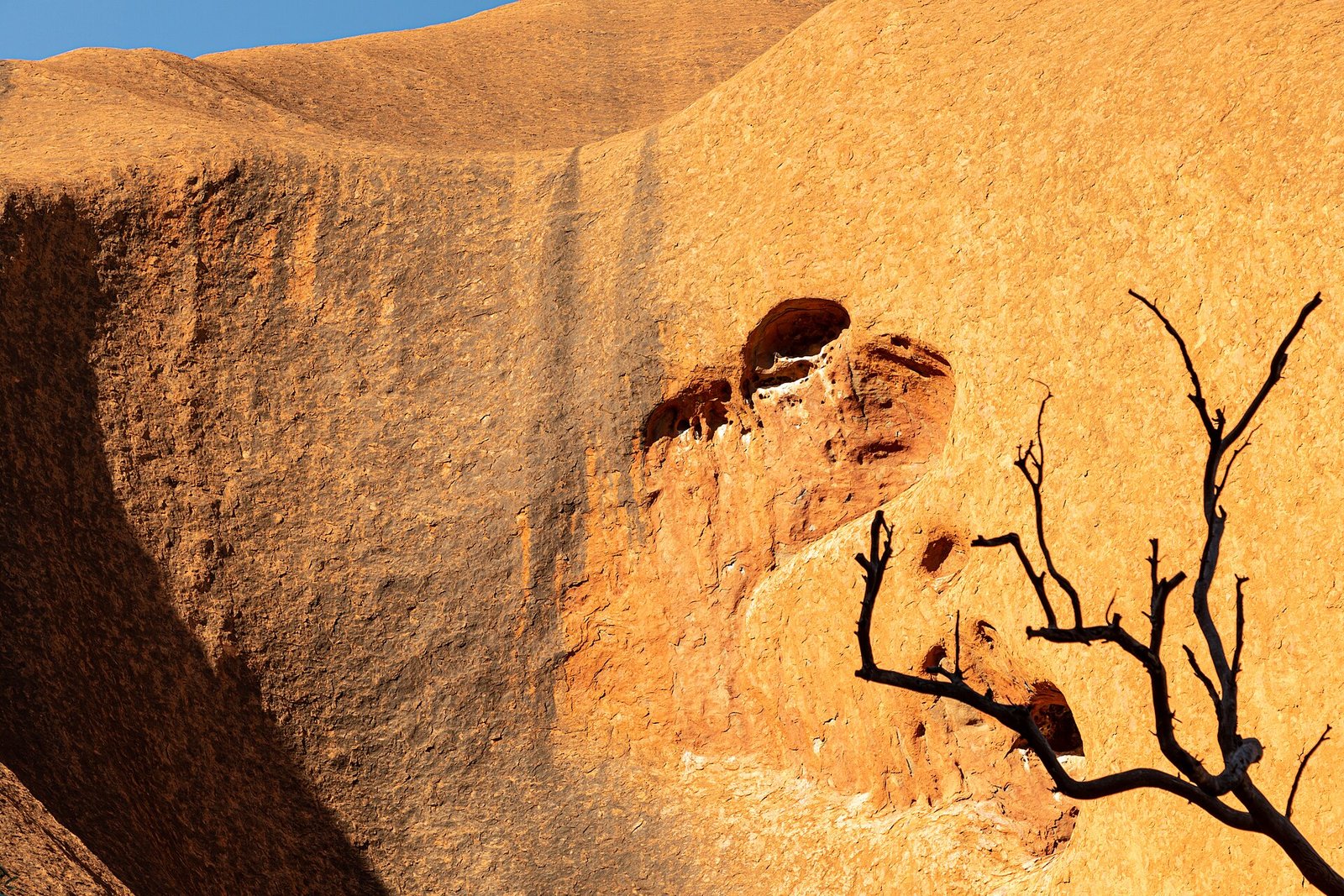
The full base route is approximately ten kilometers and requires several hours, water, sun protection, and an early start. Shorter sections such as Mala or Kuniya walks may suit heat, time, or mobility better. Follow official closures and sacred-site photography rules. Never climb, leave the path, or continue after symptoms of heat illness. Guided walks add cultural and ecological context.
Kata Tjuṯa and Walpa Gorge or Valley of the Winds
Kata Tjuṯa lies farther from Yulara and deserves half or most of a day. Walpa Gorge offers a shorter route, while Valley of the Winds is longer, rougher, and subject to heat closures. Start early, carry sufficient water, and check the official status before driving. The landscape is culturally sensitive; stay on the designated route and follow all photography guidance.
Sunrise and sunset viewing
Designated viewpoints manage safety and cultural sensitivity while providing changing desert light. Arrive before the coach peak or use a guided option, but accept that cloud and dust create different outcomes. Carry warm layers at winter dawn and lights for the return to the vehicle. Never stop on road shoulders or enter closed ground for an uncrowded angle.
Desert ecology, sky, and responsible experiences
Ranger programs, guided ecology walks, astronomy, art, and food experiences can reveal more than the landforms alone. Select offerings that credit Aṉangu knowledge and describe community benefit. Allow two to three hours and check season, accessibility, and weather. Do not present every story as yours to retell; some knowledge is restricted, contextual, or belongs with its custodians.
A PRACTICAL ROUTE
Suggested itinerary
Arrive and listen first
Transfer to Yulara, visit the Cultural Centre if timing allows, and use a designated sunset area. Keep walking short after travel.
Uluṟu base
Start before sunrise for a full or partial base route, follow sensitive-site guidance, and rest indoors through the hottest hours.
Kata Tjuṯa
Drive or tour to Kata Tjuṯa early, choosing Walpa Gorge or an open Valley of the Winds route according to conditions and ability.
Culture and departure
Use a ranger, Aṉangu-led, art, or ecology experience, then leave a generous airport or overland buffer.
REALISTIC BUDGET
Estimated travel costs
A campground or shared-room traveler can plan around A$180–280 per person per day once transport is included. A mid-range fly-in stay with a shared hotel, meals, park access, and one guided experience commonly reaches A$380–700. Premium dinners and scenic flights cost more. Compare airport transfers, park passes, meals, fuel, equipment, taxes, and heat-related cancellation rules. Uluṟu–Kata Tjuṯa’s dollar figures use August 1, 2026 reference rates; recalculate them before payment.
TRAVEL WELL
Practical travel tips
- Begin with official Aṉangu cultural guidance and follow every request about sensitive places and photography.
- Climbing Uluṟu is permanently closed; use open base walks and cultural programs instead.
- Carry the official recommended water amount, sun protection, and a hat, and start long walks at first light.
- Obey heat, weather, and route closures immediately; remote rescue is not a substitute for conservative planning.
- Pack genuine cold-weather layers for cool-season sunrise, when desert temperatures can be near freezing.
- Do not drive fatigued or after dark if avoidable; wildlife, distance, and limited services increase risk.
- Cards are common at Yulara, but carry a payment backup and enough supplies for service interruptions.
- Solo travelers should join guided outings for remote walks, share plans, and never leave marked routes.
COMMON QUESTIONS
Uluṟu–Kata Tjuṯa travel FAQ
How many days do you need at Uluṟu?
Three days cover cultural orientation, Uluṟu, and Kata Tjuṯa. Four days provide weather flexibility and a deeper guided experience.
What is the best month to visit?
May through August offers cooler walking conditions, with cold dawns and high demand. September can also work before stronger summer heat.
Can you climb Uluṟu?
No. The climb is permanently closed. Visitors should respect Aṉangu wishes and use designated base walks, viewpoints, and cultural programs.
Do you need a car at Uluṟu?
No if using airport transfers and organized tours. A rental car provides independent timing for Uluṟu and Kata Tjuṯa but requires remote-driving preparation.
Is Uluṟu expensive?
Yes because accommodation, food, transport, and tours operate in a remote location. Camping, self-catering, shared tours, and early booking help.
Is Uluṟu suitable for families?
Yes with age-appropriate cultural programs and shorter walks. Families must manage heat, water, sun, car seats, and emotionally respectful behavior.
KEEP EXPLORING
Related The Wander Muse guides
CHECK BEFORE DEPARTURE
Sources and official resources
Schedules, fares, closures, and timed-entry systems affecting Uluṟu–Kata Tjuṯa can change. Recheck the official resources below shortly before departure.