START HERE
Why visit Koror and Palau
Koror is the practical gateway to Palau’s Rock Islands, exceptional reefs, wartime history, and conservation-led marine experiences across a remote Pacific archipelago. It suits scuba diving, snorkeling, marine wildlife, geology, couples, and serious ocean travelers and works best when Rock Islands Southern Lagoon and Jellyfish Lake when officially open stay on separate compact days. A first visit works best when Rock Islands Southern Lagoon, Jellyfish Lake when officially open, and German Channel and diving are arranged around realistic transport and weather windows. Central Koror is easiest for food and operators, Malakal is best for boat departures, and a resort island offers quiet at the cost of launch dependence. Koror and Palau planning connects Roman Tmetuchl International Airport (ROR), prearranged airport transfer, Central Koror, and Rock Islands Southern Lagoon with the six-row US dollar (USD) budget and 6–9 days route below. Before booking Koror and Palau, use the linked authorities to verify opening days, prearranged airport transfer, and any timed entry for Rock Islands Southern Lagoon.
AT A GLANCE
Koror and Palau quick travel summary
Koror and Palau prices are planning ranges rather than quotes. Ask for the complete Koror and Palau price in writing, including taxes, payment fees, booking terms, and any connection from Roman Tmetuchl International Airport (ROR).
WHEN TO GO
Best time to visit
Drier window
Across Koror and Palau, expect warm conditions with a lower average chance of prolonged rain; conditions near Rock Islands Southern Lagoon can vary. Crowds and prices are strong demand around school holidays. This period creates better conditions for Rock Islands Southern Lagoon in Koror and Palau; the main drawback is that in Koror and Palau, sun and humidity remain intense even on clearer days. Tides, currents, wind, rainfall, site permits, and official Jellyfish Lake access determine which marine plans are possible. Recheck Koror and Palau weather and the operating status of Rock Islands Southern Lagoon shortly before any weather-sensitive or reservation-dependent day.
Transition weeks
Across Koror and Palau, expect mixed sunshine and fast-moving showers; conditions near Jellyfish Lake when officially open can vary. Expect moderate crowds and flexible room supply. For Koror and Palau, this window favors Jellyfish Lake when officially open. Schedule it only after accounting for the fact that visitors in Koror and Palau should keep one indoor alternative for every exposed outing. Tides, currents, wind, rainfall, site permits, and official Jellyfish Lake access determine which marine plans are possible. Recheck Koror and Palau weather and the operating status of Rock Islands Southern Lagoon shortly before any weather-sensitive or reservation-dependent day.
Wetter period
Across Koror and Palau, expect frequent showers, high humidity, and occasional rough water; conditions near German Channel and diving can vary. Crowds and prices are lower pressure outside local holidays. German Channel and diving is the most practical Koror and Palau focus during this period. The limitation is that in Koror and Palau, road, boat, and trail conditions can change quickly. Tides, currents, wind, rainfall, site permits, and official Jellyfish Lake access determine which marine plans are possible. Recheck Koror and Palau weather and the operating status of Rock Islands Southern Lagoon shortly before any weather-sensitive or reservation-dependent day.
Major holiday periods
Across Koror and Palau, expect weather matching the surrounding season; conditions near Babeldaob road day can vary. Crowds and prices are busy domestic transport and higher prices. This period creates better conditions for Babeldaob road day in Koror and Palau; the main drawback is that visitors in Koror and Palau should book rail, flights, rooms, or drivers earlier than usual. Tides, currents, wind, rainfall, site permits, and official Jellyfish Lake access determine which marine plans are possible. Recheck Koror and Palau weather and the operating status of Rock Islands Southern Lagoon shortly before any weather-sensitive or reservation-dependent day.
ARRIVING
How to get there
ROR receives limited international flights, often through regional Asian or Pacific hubs. Hotels and dive shops commonly arrange airport transfer because arrivals can be late and ordinary public transit is limited. Confirm pickup, luggage, dive-gear handling, and any departure tax or entry requirements through official channels. Koror is connected by road to Babeldaob, where a rental car or driver enables land exploration. Marine excursions must use licensed operators and the permits required for the sites on that day; never buy an informal boat ride that avoids conservation rules.
MOVING AROUND
Getting around
Koror’s central commercial areas are walkable in sections but heat, rain, traffic, and limited sidewalks make taxis useful. Malakal and resort islands depend on hotel shuttles or boats. A rental car helps for Babeldaob’s waterfalls, cultural sites, and viewpoints, while boat operators control access to the Rock Islands and dive sites. Currents are strong and site selection must match certification and experience. Travelers with mobility needs should ask about dock ladders, wet boat entries, uneven paths, and accessible rooms before booking. For a 6–9 days visit, group Rock Islands Southern Lagoon with Jellyfish Lake when officially open, then protect German Channel and diving for the strongest weather or access window. Rock Islands Southern Lagoon and Jellyfish Lake when officially open belong on separate compact Koror and Palau stages; that leaves room for a delayed prearranged airport transfer connection. Accessible Koror and Palau planning needs four checks: prearranged airport transfer boarding, surfaces, restrooms, and the final approach to Rock Islands Southern Lagoon.
CHOOSE A BASE
Where to stay
Central Koror — best for first-time convenience
Restaurants, shops, museums, and operator pickups are concentrated here. Traffic and urban views are less tranquil than a resort island.
Malakal — best for divers and early boats
Many dive shops and marinas are close, reducing transfer time on repeated ocean days. Evening food choice is narrower and walking conditions vary.
Resort island — best for quiet and couples
Private grounds and water access provide a restorative base between boat days. Meals, transfers, and independent exploration cost more.
PLAN YOUR DAYS
Best things to do
Rock Islands Southern Lagoon
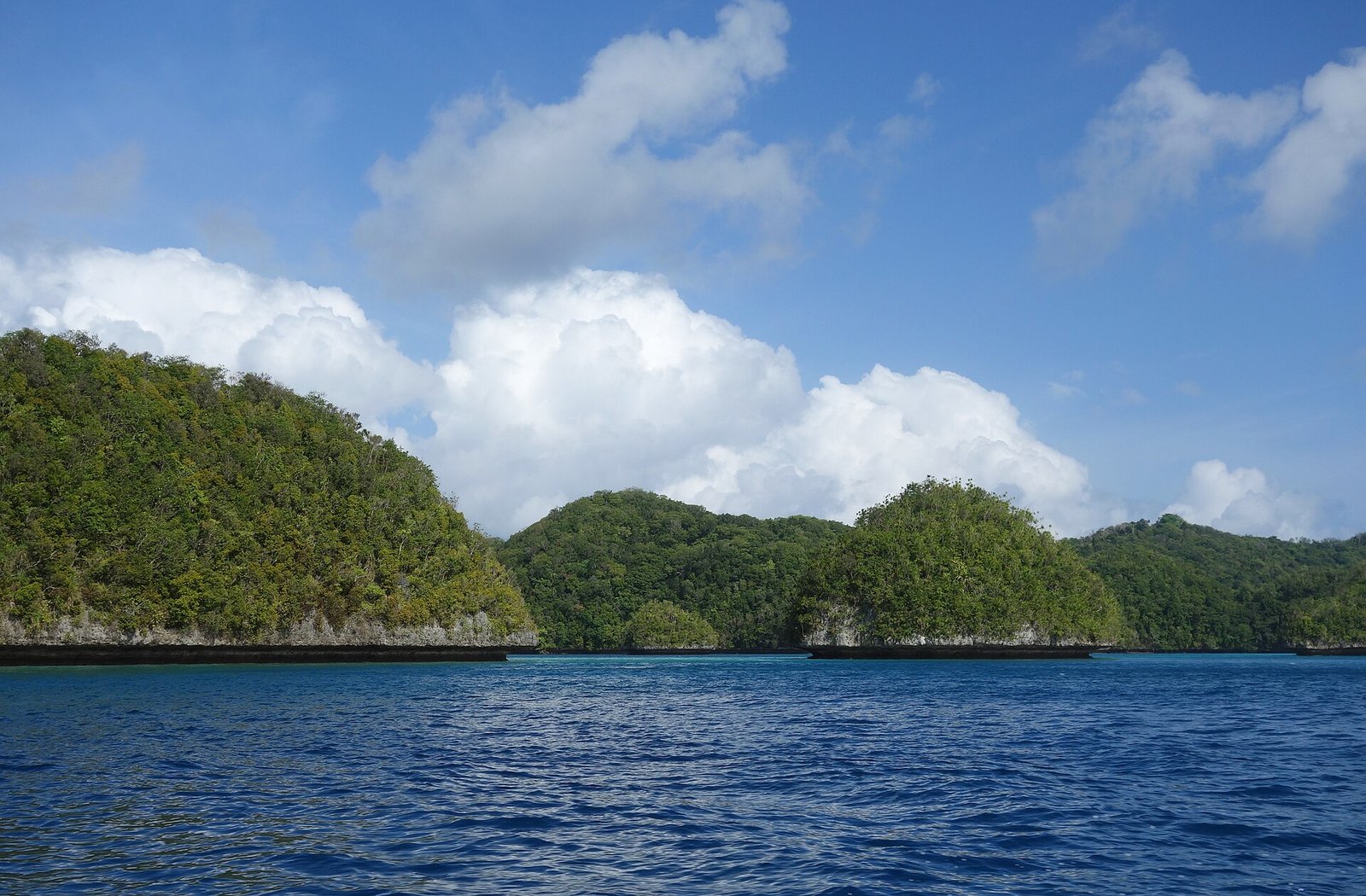
Limestone islands, hidden coves, and protected water form Palau’s defining UNESCO landscape. Allow Full day. Choose the route for tide, wind, and permit access. Book a licensed boat operator. Permits and tour fares apply. Select small groups and reef-safe anchoring practices. It is best suited to first-time visitors and snorkelers; time-limited visitors should add Rock Islands Southern Lagoon only when it fits the same area and current conditions.
Jellyfish Lake when officially open
A unique marine lake can be visited only under current ecological and access rules. Allow 1–2 hours within a tour. Confirm official opening on the day. A licensed tour and permit are required. Permit and excursion costs are separate. Do not visit if closed or ignore staff wildlife rules. It is best suited to confident swimmers and nature travelers; On a short Koror and Palau visit, Jellyfish Lake when officially open should not force a cross-destination transfer.
German Channel and diving
Current-fed reefs attract manta rays and diverse marine life under conditions that require experienced guides. Allow Two-dive day. Match sites to certification, current, and recent diving experience. Reserve a licensed dive center and submit certification. Boat, tanks, gear, permit, and guide costs vary. Never exceed training or conceal medical issues. It is best suited to certified divers; on a short stay, keep German Channel and diving only when access and geography suit that day.
Babeldaob road day
Waterfalls, forests, archaeological sites, and community landscapes broaden the trip beyond Koror. Allow Full day. Check road, rain, and site access. A driver or rental car should be arranged. Site and community fees may apply. Ask before entering cultural spaces or photographing people. It is best suited to culture and landscape travelers; visitors with little time should retain Babeldaob road day only if it stays near another priority.
Belau National Museum
Collections and traditional structures provide essential Palauan context before marine touring. Allow 1.5–3 hours. Use an arrival day or wet-weather window. No ordinary advance booking is usually needed. Paid admission may apply. Visit early in the trip so later sites have context. It is best suited to history, families, and rainy days; time-limited visitors should add Belau National Museum only when it fits the same area and current conditions.
A PRACTICAL ROUTE
Suggested itinerary
Koror orientation
Complete the arranged airport transfer, verify permits and boat pickups, and visit the museum if the flight allows.
Rock Islands
Use the best forecast for a licensed full-day lagoon tour with responsible snorkeling.
Dive or reef day
Complete sites appropriate to certification and current, or take a guided snorkel alternative.
Babeldaob
Use a driver or car for one land circuit without combining every waterfall and cultural site.
Marine buffer
Use official Jellyfish Lake access if open, or rebook the most important canceled boat day.
Recovery and local culture
Keep a slower Koror day for museums, food, and equipment drying between ocean days.
Final water window
Choose a short safe outing or remain on land with a generous ROR departure margin.
REALISTIC BUDGET
Estimated travel costs
Koror and Palau costs move most with December–April, booking timing, taxes, and the exact position of a room in Central Koror. For Koror and Palau, let the final US dollar (USD) total control the decision. For Koror and Palau, its August 1, 2026 dollar conversion may differ at checkout.
TRAVEL WELL
Practical travel tips
- Confirm marine permits and Jellyfish Lake status through official or licensed channels before departure.
- Choose a dive center by safety record, group size, oxygen, and guide standards rather than price alone.
- Use reef-conscious sun protection and never touch coral, wildlife, or cultural objects.
- Carry cash in US dollars for smaller fees while checking card surcharges.
- Build weather and no-fly-after-diving intervals into the final days.
- Ask permission before photographing community or cultural sites on Babeldaob.
- Travel insurance should cover remote medical evacuation and the planned diving depth.
- Solo women should use arranged airport transfers and established operators, especially for late flights and ocean days.
COMMON QUESTIONS
Koror and Palau travel FAQ
How many days do you need in Koror and Palau?
6–9 days is a practical first-visit range for Koror and Palau. If 6–9 days is not available, keep one compact Koror and Palau base and Rock Islands Southern Lagoon; additional days are most useful as weather and transport buffers.
Is Koror and Palau expensive?
In Koror and Palau, a realistic daily planning range is US$150–240 budget; US$330–650 mid-range, per person. The main premiums are well-placed accommodation, travel during December–April, and private or guided versions of Rock Islands Southern Lagoon.
Do you need a car in Koror and Palau?
A car is unnecessary for boat-based Koror days but useful for Babeldaob. Hotels, taxis, and operators handle most central transfers.
What is the best month to visit Koror and Palau?
February and March are popular for lower rainfall, though currents and wind still determine individual sites.
Is Koror and Palau safe for solo female travelers?
Palau is generally comfortable for solo women using established hotels and operators. Remote transport and water safety require clear pickups and conservative planning. Before departing for Koror and Palau, review current government advice alongside local weather and transport notices.
What should you book in advance for Koror and Palau?
Reserve flights, dive packages, Rock Islands tours, permits, airport transfers, and remote-resort rooms.
KEEP EXPLORING
Related The Wander Muse guides
PLAN WITH CURRENT INFORMATION
Official resources
For Koror and Palau, opening hours, fares, permits, weather rules, and transport arrangements can change. Before leaving for Koror and Palau, confirm the details that affect Rock Islands Southern Lagoon directly with the official links below.