START HERE
Why visit Hobart
Hobart combines a compact sandstone waterfront and one of Australia’s boldest museums with immediate access to kunanyi/Mount Wellington and southeastern Tasmania. A well-paced visit connects Salamanca and Battery Point, MONA, and kunanyi/Mount Wellington without turning every day into a race. Salamanca is best for first-time walking; Battery Point is quiet and historic; the CBD is practical for transport. The Hobart plan keeps Salamanca transfers realistic, leaves meal time near Salamanca and Battery Point, and stays readable on a phone. Hobart suits food and art travelers, hikers, couples, solo visitors, and road trippers beginning a Tasmania itinerary. Mountain weather, Saturday market timing, MONA ferry reservations, left-side driving, and the distance to the Tasman Peninsula should guide the route. The Hobart guide ties seasonal conditions to the main gateway, Salamanca, local-currency costs, and an itinerary centered on Salamanca and Battery Point.
AT A GLANCE
Hobart quick travel summary
Hobart prices are planning ranges. Confirm the final amount in Australian dollar (AUD), including taxes, booking terms, and exactly what each Hobart transport or activity ticket covers.
WHEN TO GO
Best time to visit
Spring (September–November)
In Hobart, this period brings longer daylight, blossom, wind, and rapidly changing temperatures. Weekends and event dates lift demand from winter levels. For Hobart, its main advantage is gardens, waterfronts, and lower-elevation walks; the disadvantage is that mountain snow and cold fronts can still close routes. Longer days and festival calendars attract visitors, while mountain wind and sudden cold remain possible. Before an outdoor day in Hobart, recheck official weather and the transport needed for Salamanca and Battery Point.
Summer (December–February)
In Hobart, this period brings the warmest conditions, long light, and comparatively broad regional access. Rooms, cars, ferries, and tours reach their highest pressure. For Hobart, its main advantage is road trips, markets, coast days, and hiking; the disadvantage is that wind, sun exposure, and sudden cold remain possible. Summer offers the most dependable road and trail access, with peak room, ferry, and rental-car demand. Before an outdoor day in Hobart, recheck official weather and the transport needed for Salamanca and Battery Point.
Autumn (March–May)
In Hobart, this period brings cooler mornings, seasonal color, and shortening daylight. Prices soften unevenly after the main holiday period. For Hobart, its main advantage is food, city walks, and selected regional drives; the disadvantage is that storms and early snow make high-country plans less dependable. Spring flowers and longer light return, but snow or closures can still affect kunanyi. Before an outdoor day in Hobart, recheck official weather and the transport needed for Salamanca and Battery Point.
Winter (June–August)
In Hobart, this period brings cold rain, short light, mountain snow, and occasional clear days. City accommodation may offer value outside festivals. For Hobart, its main advantage is museums, restaurants, and compact urban experiences; the disadvantage is that rural driving and exposed hiking require a much larger safety margin. Short daylight, rain, and mountain snow favor food and museums; ordinary city rooms can offer value. Before an outdoor day in Hobart, recheck official weather and the transport needed for Salamanca and Battery Point.
ARRIVING
How to get there
HBA lies east of the city and is connected by airport bus, taxi, rideshare, private transfer, and rental car. The airport bus is usually the easiest value for a central hotel; taxis simplify late arrival or a group. Ferries from mainland Australia arrive in northern Tasmania rather than Hobart, requiring a substantial onward drive. A car is unnecessary for two central days but valuable for the Tasman Peninsula and a statewide itinerary. Visitors unfamiliar with left-side driving should avoid collecting a car while exhausted, confirm wildlife and gravel-road insurance terms, and build daylight into rural journeys.
MOVING AROUND
Getting around
Salamanca, Battery Point, the CBD, and the waterfront are walkable with hills. Metro Tasmania buses cover urban and selected regional corridors; current frequency matters outside commuter periods. MONA can be reached by reserved ferry or road, with the ferry forming part of the experience. Taxis and rideshare fill evening gaps. A car is useful for kunanyi, wineries, and the Tasman Peninsula, while central parking is unnecessary. Bicycles suit selected paths for confident riders. Keep central Hobart, MONA, mountain, and peninsula as separate geographic days. For a 4–6 days visit, use Salamanca for the arrival-focused days, group Salamanca and Battery Point with MONA, and protect kunanyi / Mount Wellington for the period with the best conditions. Put Salamanca and Battery Point and MONA on different Hobart stages; the separation protects meal time and a weather fallback. Accessible Hobart bookings should confirm walking access and the precise final approach to Salamanca and Battery Point.
CHOOSE A BASE
Where to stay
Salamanca — best for first-time visitors and waterfront dining
Market access, historic warehouses, restaurants, and ferries are close. Saturday activity, nightlife noise, hills, and premium prices are the disadvantages.
Battery Point — best for quiet history and couples
Cottages, lanes, and a residential atmosphere sit above the waterfront. Stairs and slopes matter with luggage, and large hotels are limited.
Hobart CBD — best for budget and transport convenience
The center offers broader room choice, airport-bus access, shops, and easy walking to the harbor. It feels more functional than a sandstone waterfront stay.
PLAN YOUR DAYS
Best things to do
Salamanca and Battery Point
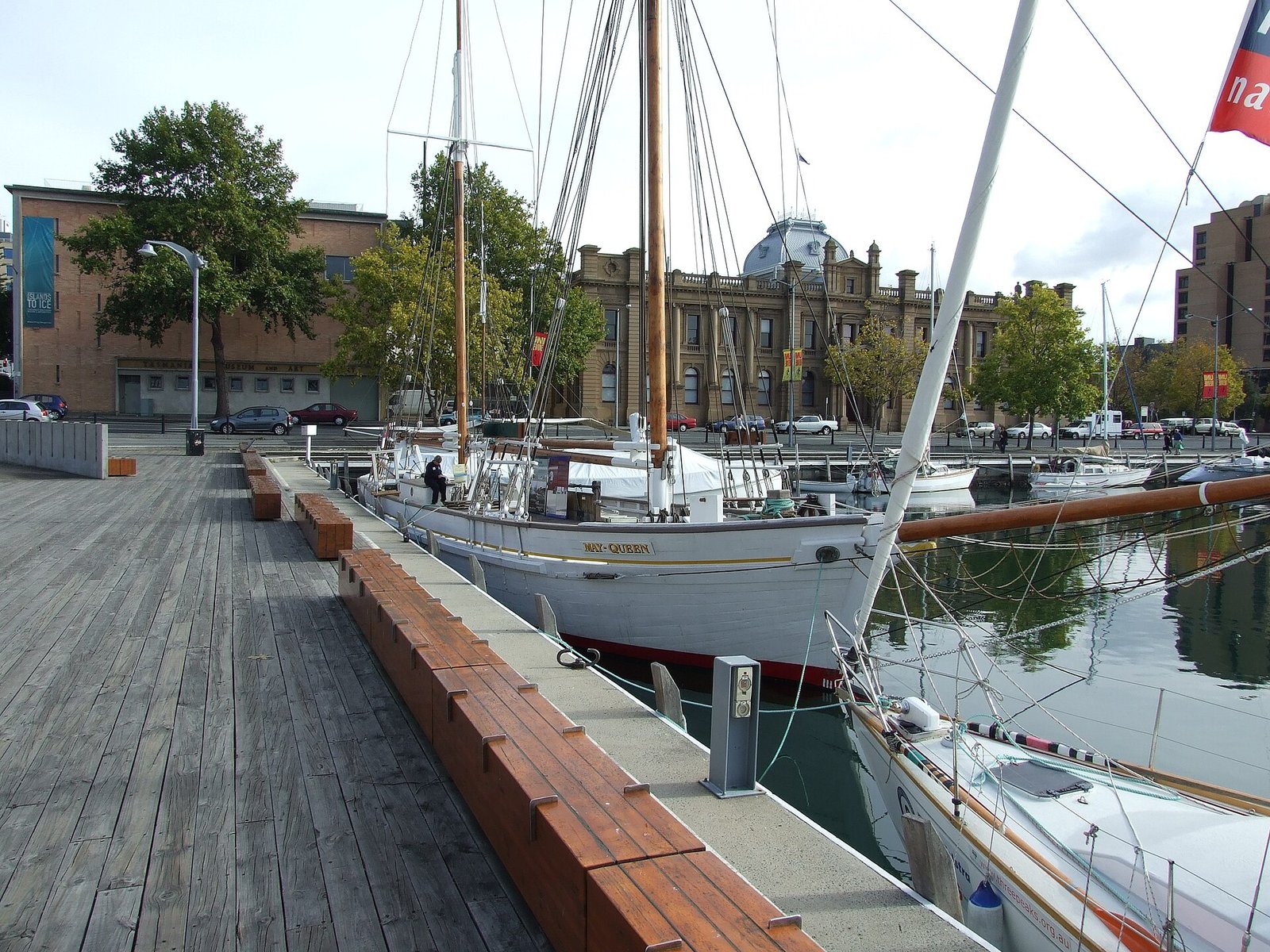
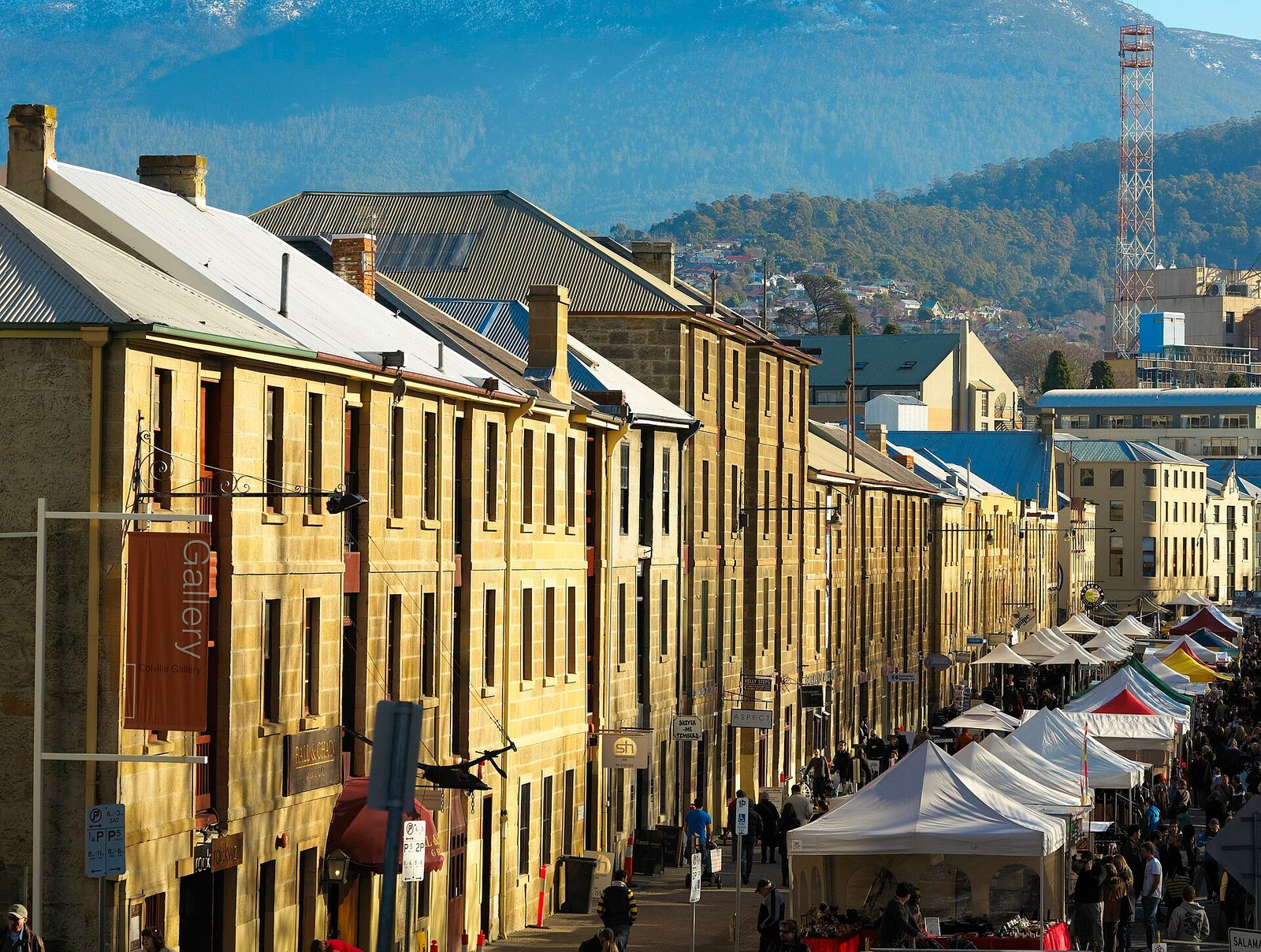
Historic warehouses, market culture, cottages, and harbor views provide an ideal first walk. Allow 3–5 hours. Align Salamanca Market with its official Saturday operation and visit Battery Point before tour groups build. Keep Salamanca and Battery Point only when it serves the traveler’s Hobart priorities, not merely to lengthen the list.
MONA
The museum’s architecture, collection, and river journey form a major contemporary-art experience. Allow 4–6 hours. Reserve museum and ferry directly, check age or exhibition guidance, and avoid squeezing it into a short afternoon. Keep Salamanca and Battery Point only when it serves the traveler’s Hobart priorities, not merely to lengthen the list.
kunanyi / Mount Wellington
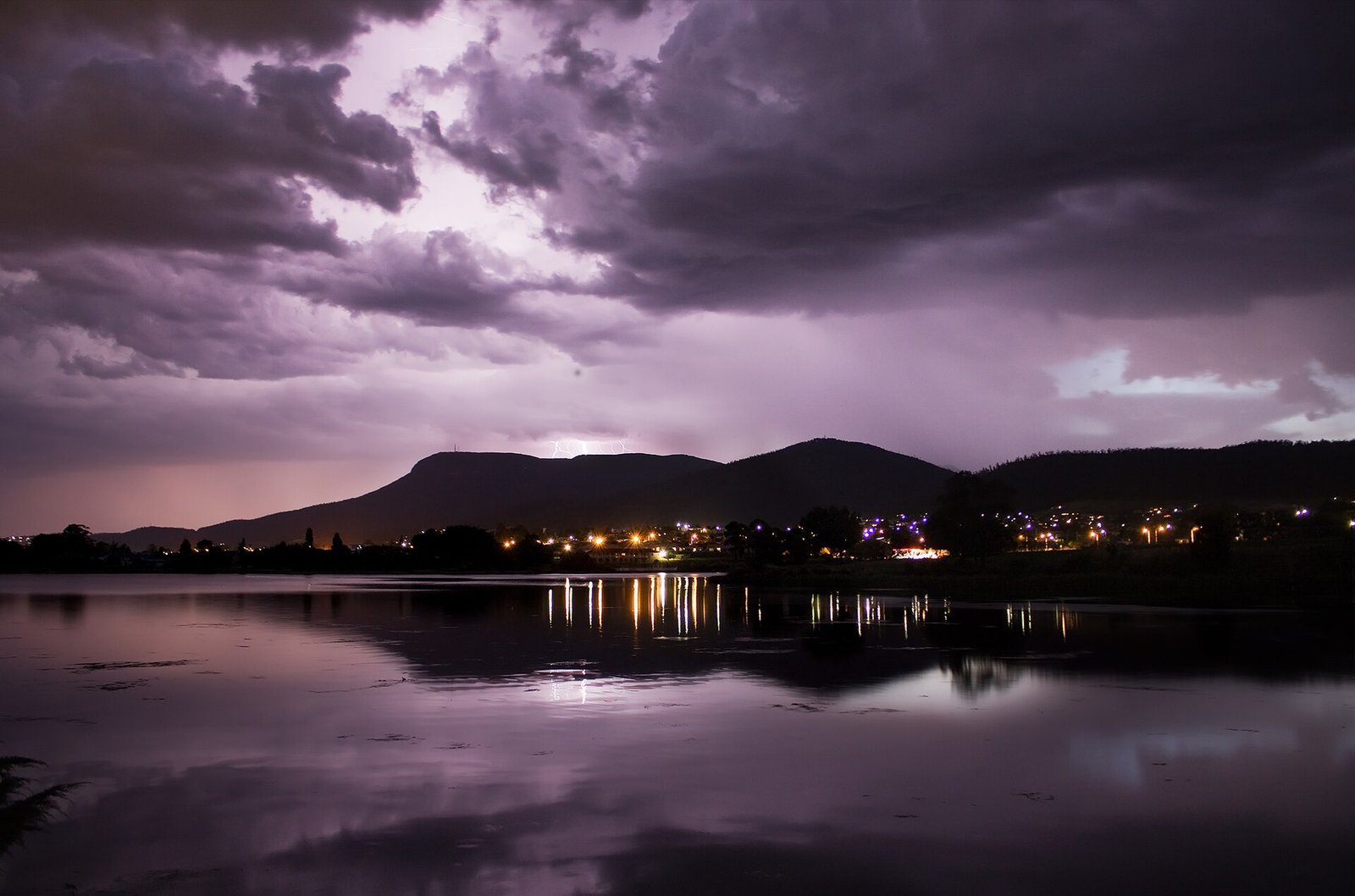
A dramatic elevation change offers trails and broad views immediately above the city. Allow 3–5 hours. Check road, snow, wind, and cloud conditions; carry warm layers and never rely on the city forecast alone. Keep Salamanca and Battery Point only when it serves the traveler’s Hobart priorities, not merely to lengthen the list.
Tasman Peninsula
Cliffs, historic sites, walks, and wildlife merit a full road or guided day. Allow Full day. Start early, watch for wildlife on roads, select only a few stops, and reserve major sites through official channels. Keep Salamanca and Battery Point only when it serves the traveler’s Hobart priorities, not merely to lengthen the list.
Royal Tasmanian Botanical Gardens
A compact garden visit provides a calm, accessible contrast to mountain and peninsula days. Allow 1–2 hours. Visit in daylight, check seasonal displays, and combine it with nearby urban transport rather than a separate car day. Keep Salamanca and Battery Point only when it serves the traveler’s Hobart priorities, not merely to lengthen the list.
A PRACTICAL ROUTE
Suggested itinerary
Salamanca and Battery Point
Walk the waterfront and historic lanes, keeping dinner close after the flight.
MONA
Use a reserved ferry, give the museum most of the day, and return without adding a distant evening.
kunanyi
Take the best clear-weather window for the mountain, then visit the botanical gardens if time remains.
Tasman Peninsula
Drive or tour a carefully selected loop with a conservative daylight return.
Food and weather buffer
Use the market, wineries, museums, or the outdoor day displaced by Tasmanian weather.
REALISTIC BUDGET
Estimated travel costs
Hobart costs move most with December–March; October–November for spring, booking timing, taxes, and the specific room location in Salamanca. Keep the Hobart budget in Australian dollar (AUD). Rounded dollar equivalents for Hobart use August 1, 2026 reference rates; actual card statements will differ.
TRAVEL WELL
Practical travel tips
- Carry a waterproof and warm layer on every mountain day, even when Hobart is sunny.
- Do not drive rural Tasmania at speed after dark; wildlife collision risk is serious.
- Book the MONA ferry and museum together through official channels and check the return time.
- Confirm Saturday market dates before building the trip around Salamanca.
- Solo hikers should share the route, carry offline navigation, and turn back when cloud or wind removes the safety margin.
- For Hobart, check mountain weather and trail access even when conditions in the city look settled.
- For Hobart, use official transport after dark and keep valuables out of sight in parked cars.
- For Hobart, share remote plans and carry offline navigation beyond the urban area.
COMMON QUESTIONS
Hobart travel FAQ
How many days do you need in Hobart?
Hobart works best with 4–6 days for a first visit. A short Hobart trip should pair Salamanca and Battery Point with one nearby priority; extra time belongs to meals, weather, or walking delays.
Is Hobart expensive?
In Hobart, a budget traveler can plan around A$ 110–180 (about US$77–126) per person per day before long-distance arrival costs. The largest Hobart premiums come from Salamanca, peak dates, private transport, and guided access to Salamanca and Battery Point.
Do you need a car in Hobart?
A car is unnecessary for central Hobart and MONA by ferry. Rent one for kunanyi, the Tasman Peninsula, or a wider Tasmania route.
What is the best month to visit Hobart?
February often combines long days and relatively stable regional access, while November offers spring landscapes with greater weather variability.
Is Hobart safe for solo female travelers?
Many solo female travelers can plan Hobart with ordinary destination-appropriate precautions. Solo hikers should share the route, carry offline navigation, and turn back when cloud or wind removes the safety margin. Before departing for Hobart, review current government advice alongside local weather and transport notices.
What should you book in advance for Hobart?
Reserve summer cars, MONA and ferry, major peninsula sites, and festival accommodation. Keep mountain timing flexible for weather.
KEEP EXPLORING
Related The Wander Muse guides
CHECK BEFORE DEPARTURE
Sources and official resources
Schedules, fares, access rules, closures, and entry systems affecting Hobart can change. Recheck the official resources below shortly before departure.