START HERE
Why visit Serengeti
Serengeti rewards travelers who combine vast savanna, predator and prey ecology, migration movement, river systems, and patient wildlife observation with enough time for quiet midday camp hours, long sightings without vehicle crowding, and learning tracks, behavior, and habitat from a skilled guide. It is especially rewarding for wildlife, photography, conservation, couples, families, and once-in-a-lifetime travel. Migration locations are never guaranteed; park fees, distances, seasonal roads, guide quality, vehicle ethics, and camp logistics shape the trip. Central Serengeti, Seronera is the most balanced first base, Northern or western Serengeti offers seasonal migration access, and Southern plains or Ndutu area suits visitors prioritizing calving-season ecology. Serengeti planning links Kilimanjaro (JRO) with road or bush flight, 4wd safari vehicle with licensed guide, Central Serengeti, Seronera, and Choose the region by month, not only park name to the six-row Tanzanian shilling (TZS), with many safari quotes in USD costs and 4–6 safari days itinerary below. Before paying for a Serengeti booking, confirm current weather limits, closures, permits, 4wd safari vehicle with licensed guide, and timed entry through an official source.
AT A GLANCE
Serengeti quick travel summary
For Serengeti, park and concession fees commonly total us$80–150+ per person/day. Serengeti estimates can exclude taxes; verify Choose the region by month, not only park name fees, card charges, transport, and seasonal supplements.
WHEN TO GO
Best time to visit
Late wet season (March–May)
March to May is the main long-rains period, with green plains, newborn animals, and muddy tracks. Prices may soften outside Easter. Wildlife remains present, but migration herds shift by rainfall and road access. Heavy rain can slow game drives or airstrips. Choose the camp by current wildlife location and keep transfer times conservative.
Dry season (June–August)
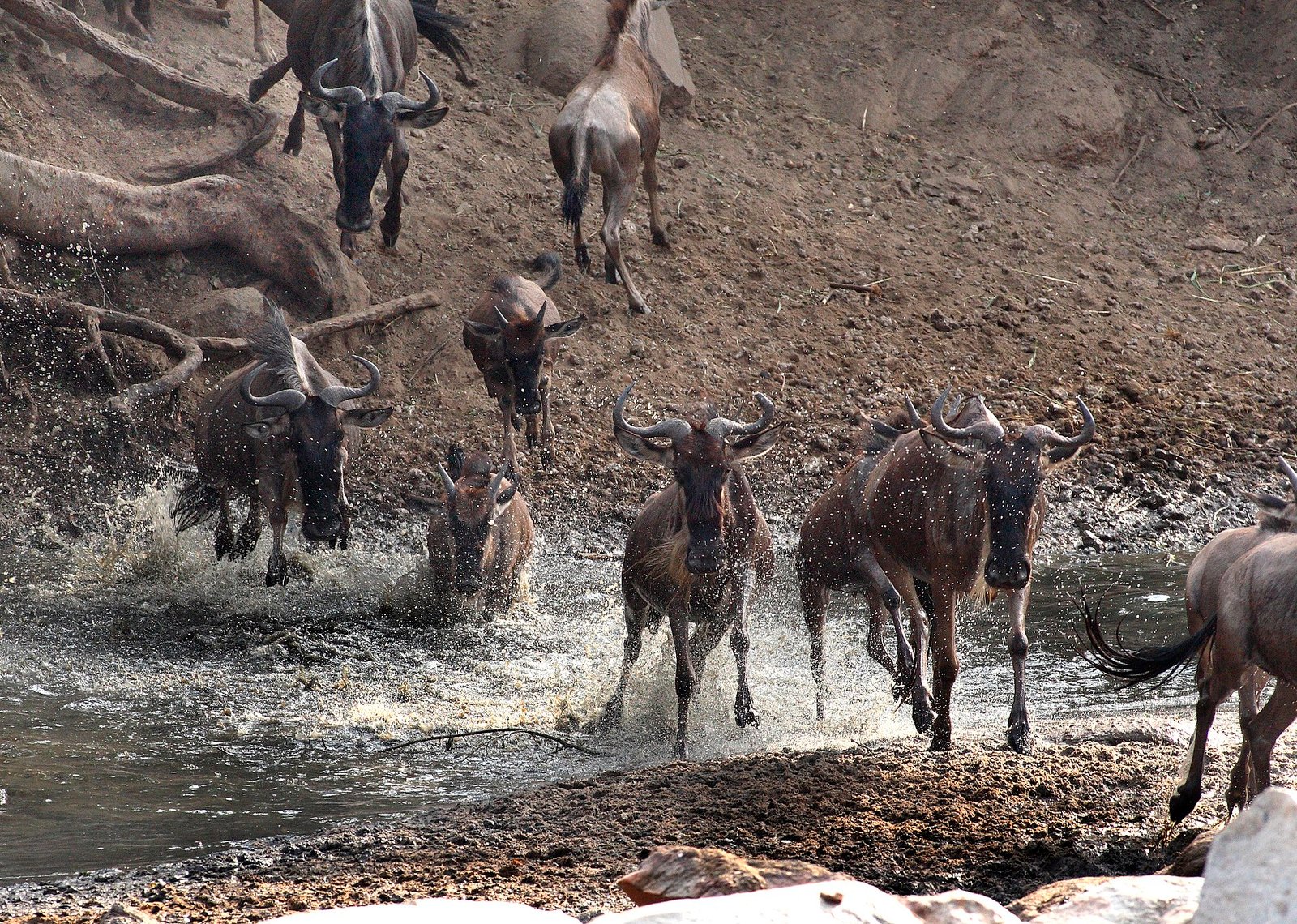
June to August is dry and busy, with cooler mornings and strong wildlife viewing around water sources. Migration crossings may occur in the west or north, but timing is never guaranteed. Lodges, vehicles, and flights sell out early. Pack warm dawn layers and avoid promising a specific crossing. The guide’s current field information should shape each drive.
Hot shoulder season (September–November)
September to November stays dry and hot before the short rains begin, while herds continue moving by area. Demand remains high in favored migration zones. Game drives can be productive, but dust and heat increase. A beach or marine schedule is irrelevant here; select the base according to wildlife reports, not a fixed annual map.
Wet season (December–February)
December to February is warm, with short rains, green landscapes, and calving activity concentrated in the southern ecosystem in suitable years. Holiday and calving-season dates can be expensive. Storms affect tracks, and migration location varies. Reserve a geographically appropriate camp and allow the safari operator to adjust drive plans to conditions.
ARRIVING
How to get there
Most northern-circuit safaris start by road from Arusha or fly into a Serengeti airstrip from Arusha, Kilimanjaro, Dar es Salaam, or Zanzibar. Road transfers are long and valuable as game drives only when the route is realistic. Confirm aircraft baggage limits, airstrip pickup, park fees, conservation charges, and the exact vehicle used. From Kilimanjaro (JRO) with road or bush flight, compare luggage handling and service hours through to Central Serengeti, Seronera; the cheapest Serengeti fare may leave an impractical final connection. For a late Kilimanjaro (JRO) with road or bush flight arrival, get the Serengeti transfer instructions in writing and decline undocumented rides.
MOVING AROUND
Getting around
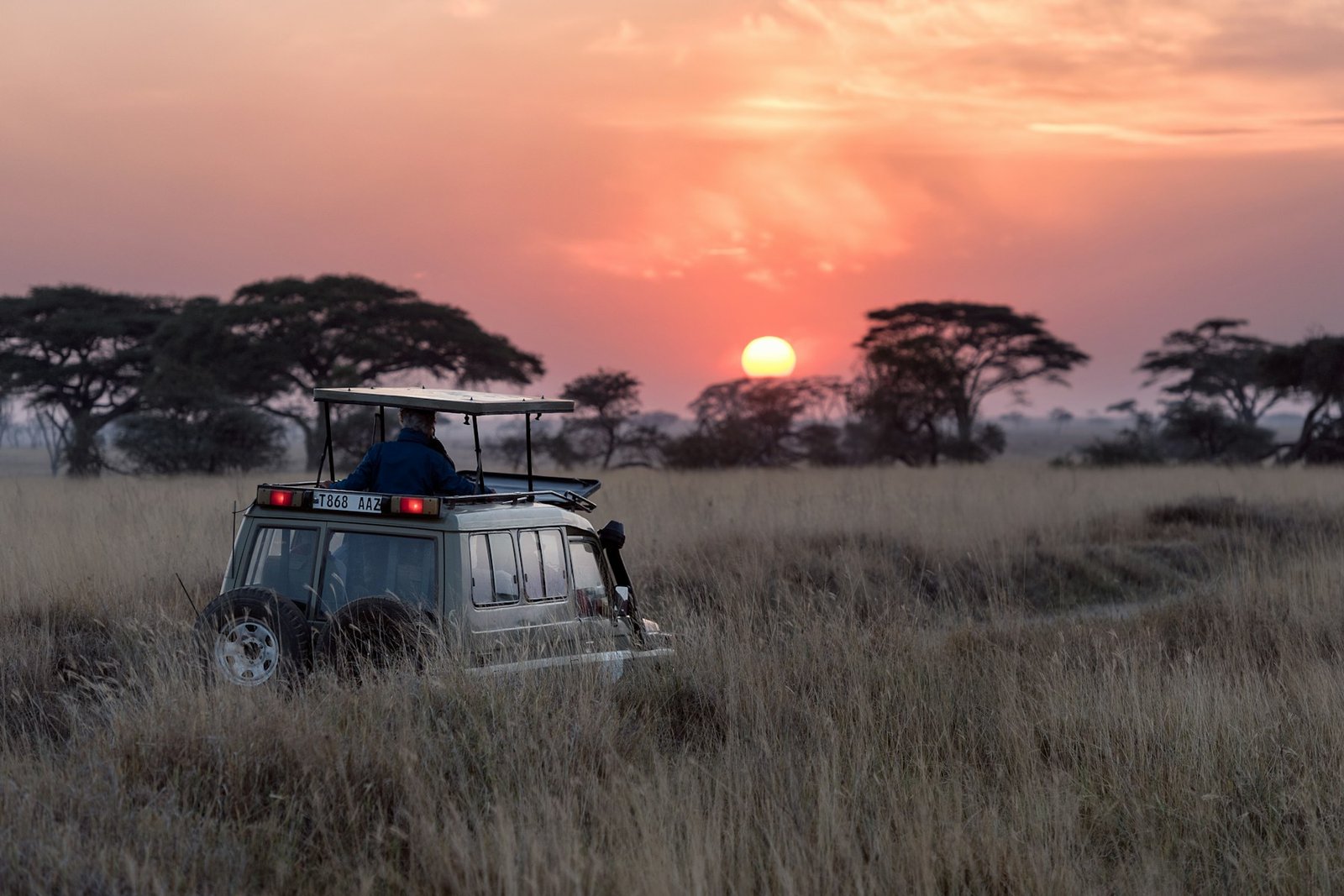
All ordinary game viewing uses authorized roads and a registered safari vehicle with a qualified guide. Central, western, northern, and southern Serengeti are hours apart. Select camp regions by season and overall route, then avoid changing camps daily merely to chase a predicted migration point. Group one central wildlife base, one season-appropriate second region only when evidence supports it, and Ngorongoro or another northern-circuit park as a distinct transfer rather than a day-trip add-on. This Serengeti order avoids repeated transfers and keeps Use an experienced licensed guide available when weather, queues, or transport disrupt Choose the region by month, not only park name. Accessible Serengeti plans should verify 4wd safari vehicle with licensed guide boarding, surfaces, restrooms, and the final approach to Choose the region by month, not only park name.
CHOOSE A BASE
Where to stay
Central Serengeti, Seronera — best for year-round wildlife balance
Permanent water, varied habitats, airstrip access, and resident predators make a dependable first base. Vehicle density can be high around famous sightings. A room labeled Central Serengeti, Seronera can still be inconvenient in Serengeti; check its location, after-dark route, and connection.
Northern or western Serengeti — best for seasonal migration access
A correctly timed camp can reduce dawn drives toward river or corridor activity. The migration is mobile and premium camps are expensive. A room labeled Northern or western Serengeti can still be inconvenient in Serengeti; check its location, after-dark route, and connection.
Southern plains or Ndutu area — best for calving-season ecology
Green-season plains can support large herds, newborn animals, predators, and dramatic skies. Rain changes roads and the ecosystem spans park and conservation-area boundaries. For Southern plains or Ndutu area, verify the exact Serengeti block, evening access, transfer time, and cancellation terms.
PLAN YOUR DAYS
Best things to do
Choose the region by month, not only park name
A skilled guide turns a game drive from species collecting into an understanding of behavior, habitat, tracks, and conservation. Allow 6–10 hours with a midday break. Confirm private versus shared vehicle, roof seating, guide credentials, mileage limits, and wildlife-distance policy. A safari day is usually bundled into packages; private vehicles and premium guides add hundreds of US dollars.. Confirm transport to Choose the region by month, not only park name, then follow any Serengeti closure, barrier, or guide direction.
Use an experienced licensed guide
Migration planning should use a broad seasonal region, never a promised river crossing or exact herd location. Allow Two or more nights in the chosen region. Ask the operator why each camp fits the month and retain expectations for resident wildlife. Mobile or remote camps commonly raise flight, transfer, and nightly costs.. For Use an experienced licensed guide, let Serengeti access rules and staff instructions set the safe limit.
Stay several nights to reduce transit
Dawn and late afternoon offer cooler temperatures, active animals, changing light, and less road dust. Allow 3–5 hours per drive. Leave on time, carry layers, remain seated under guide instruction, and never pressure the driver to crowd wildlife. Typically included within full-board safari packages.. Before Stay several nights to reduce transit, verify Serengeti access, then assess the fitness demands and return connection for Stay several nights to reduce transit.
Prioritize animal welfare over close approaches
A multi-park northern circuit can add Ngorongoro, Tarangire, or Lake Manyara without forcing a rushed Serengeti return. Allow One or more days per area. Sequence geography, fees, and drive time honestly and avoid treating every park as a quick stop. Each park and conservation area has separate fees and accommodation costs.. Prioritize animal welfare over close approaches must fit the traveler’s ability and current Serengeti conditions; wildlife distances remain firm.
A conservation-minded balloon or walking experience where authorized
A regulated balloon or authorized walking experience can change perspective when safety, ecology, and community benefit are clear. Allow 3–5 hours. Verify licensing, insurance, weather policy, guide or ranger support, age limits, and exact landing or route. Ballooning commonly costs roughly US$500–700; walks vary by area and authorization.. Confirm transport to A conservation-minded balloon or walking experience where authorized, then follow any Serengeti closure, barrier, or guide direction.
A PRACTICAL ROUTE
Suggested itinerary
Arrive and orient
Reach Central Serengeti, Seronera, settle in near Central Serengeti, Seronera, check 4wd safari vehicle with licensed guide hours, and orient only around the route to Choose the region by month, not only park name.
Choose the region by month, not only park name
Use the first full itinerary stage for choose the region by month, not only park name. After Choose the region by month, not only park name, eat near Central Serengeti, Seronera instead of adding a cross-Serengeti transfer.
Use an experienced licensed guide
Build the next itinerary stage around use an experienced licensed guide, adding stay several nights to reduce transit only if Serengeti access and the transfer from Central Serengeti, Seronera remain practical.
A different side of the destination
Use Northern or western Serengeti or Southern plains or Ndutu area to reach prioritize animal welfare over close approaches with less backtracking. Keep an independent meal, rest, or indoor alternative.
Flexible priority and departure
Choose a conservation-minded balloon or walking experience where authorized, repeat time near Central Serengeti, Seronera, or recover Choose the region by month, not only park name after a weather delay. End the Serengeti route with a real buffer for luggage, traffic, security, and the Kilimanjaro (JRO) with road or bush flight connection.
REALISTIC BUDGET
Estimated travel costs
Serengeti costs move most with June–October; migration location changes seasonally, the location of Central Serengeti, Seronera, and the choice between 4wd safari vehicle with licensed guide and private transfers. Keep the Serengeti budget in Tanzanian shilling (TZS), with many safari quotes in USD. Rounded dollar equivalents for Serengeti use August 1, 2026 reference rates; actual card statements will differ.
TRAVEL WELL
Practical travel tips
- Choose an operator by licensing, guide quality, vehicle condition, wildlife ethics, emergency plan, and transparent fees.
- Reject any guarantee of a river crossing, hunt, or exact migration location.
- Stay at least two or three nights per region instead of changing camp every day.
- Never ask a driver to go off-road illegally, surround wildlife, or separate animals from a herd.
- Remain inside the vehicle unless the guide explicitly confirms an authorized place to exit.
- Pack soft-sided luggage within bush-flight limits, neutral layers, sun protection, and binoculars.
- Follow qualified travel-health advice well before departure and carry essential medication in hand luggage.
- Solo women should request the guide and vehicle arrangement, understand camp security escorts, share airstrip transfers, and choose reputable staffed camps.
COMMON QUESTIONS
Serengeti travel FAQ
How many days do you need in Serengeti?
4–6 safari days is a realistic first-visit range for Serengeti. If 4–6 safari days is not possible, keep Central Serengeti, Seronera and Choose the region by month, not only park name; extra Serengeti days should absorb recovery, weather, or reservation changes.
Is Serengeti expensive?
A practical daily planning range is TZS equivalent of US$350–550 budget safari; US$700–1,400 mid-range, per person. For Serengeti, room location, peak dates, private transport, permits, and guided access to Choose the region by month, not only park name drive the largest increases; compare full inclusions, not headline prices.
When is the Great Migration?
The ecosystem moves year-round, with broad seasonal patterns rather than fixed dates. Rainfall changes timing, and no operator can ethically guarantee a crossing.
How many days do you need in the Serengeti?
Four to seven safari days allow a central base plus one season-appropriate region. Shorter stays should avoid long cross-park camp changes.
Is a fly-in safari better than driving?
Flying saves time and road fatigue; driving supports a broader northern circuit and flexible luggage. Compare total route, emissions, cost, and park time.
What should you book first?
Reserve a reputable operator, season-appropriate camps, bush flights, and any specialist activity first, then verify current park and conservation fees.
KEEP EXPLORING
Related The Wander Muse guides
PLAN WITH CURRENT INFORMATION
Official resources
Opening hours, fares, permits, weather rules, and transport arrangements in Serengeti can change. Recheck current Serengeti operating information below, especially before reserving Use an experienced licensed guide.