START HERE
Why visit Savoie and the French Alps
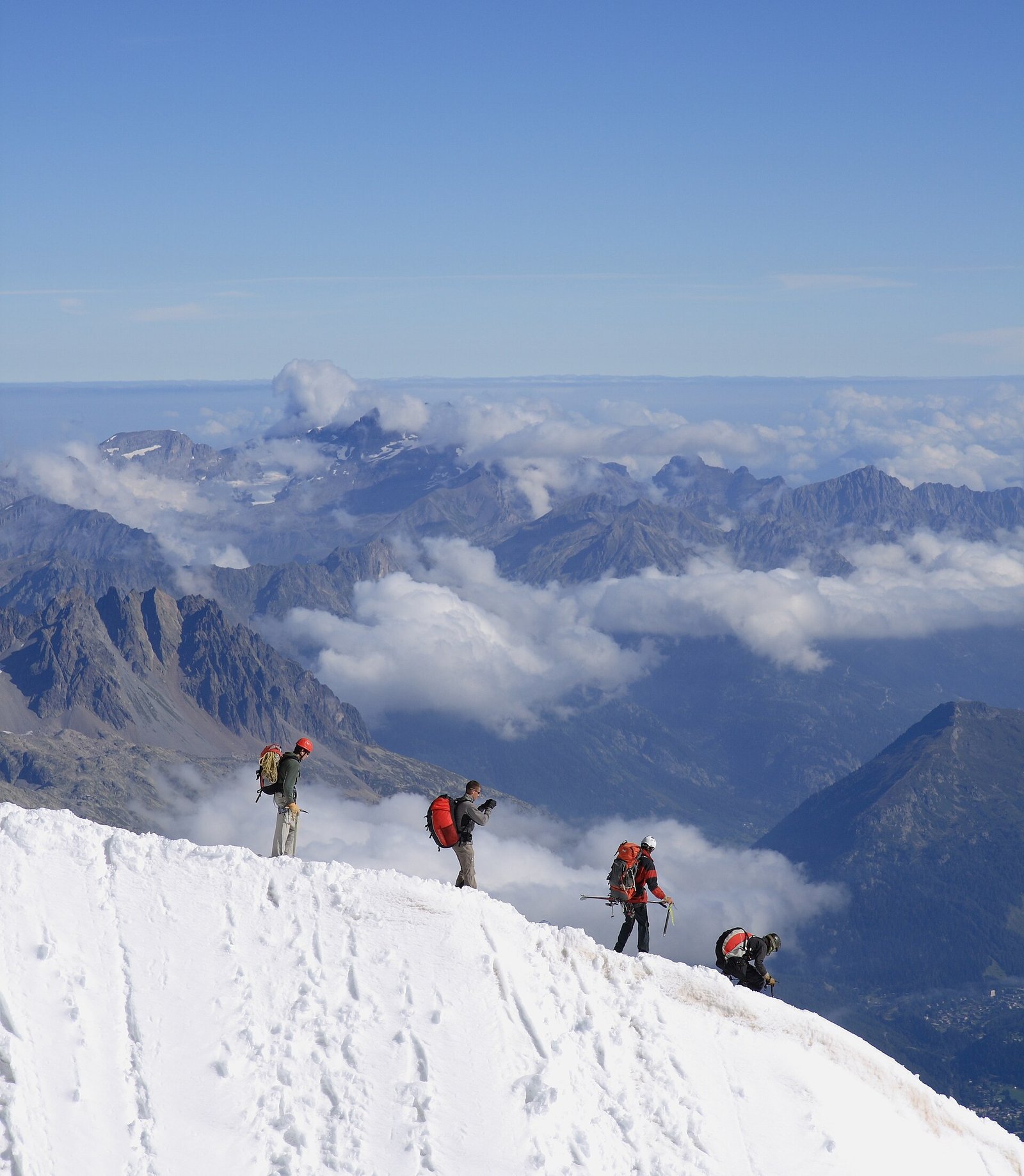
Savoie stretches from the historic streets of Chambéry and the shore of Lac du Bourget to high alpine valleys, national-park landscapes, and some of France’s largest ski areas. It suits rail-based couples, skiers, hikers, cyclists, families, food travelers, and road-trippers willing to choose one valley rather than chase famous resort names. Seven days allow Chambéry or Aix-les-Bains, one lake day, and four nights in a selected mountain base with weather flexibility. This guide explains winter and summer seasons, airport and rail arrivals, valley transport, accommodation choices, realistic costs, and a practical itinerary. The key planning decision is season and altitude: a village lively in February may be nearly closed in May, while a summer trail can remain snowbound. Verify resort, lift, refuge, road, and avalanche information directly before each mountain day.
AT A GLANCE
Savoie and the French Alps quick travel summary
Resort rooms, lifts, transfers, equipment, and summer activities vary sharply by valley and dates. Use these euro ranges as estimates and verify fees, insurance, operations, and cancellation terms.
WHEN TO GO
Best time to visit
Winter (December–March)
Winter supports skiing and snow activities, with holiday weeks bringing peak prices and crowded transfers. Snow and wind conditions vary by elevation, while roads may require winter equipment under current rules. Reserve rooms, lift access, lessons, and transfers early. Follow avalanche and patrol guidance, dress in proper layers, and never enter closed terrain based on appearance.
Spring transition (April–May)
High resorts may continue skiing into April according to snow and operations, while lower valleys become green. May is often interseason, with closed lifts, refuges, restaurants, and muddy or snowbound trails. Prices can be lower but activity choice is uncertain. Base near a year-round town, verify every service, and avoid high routes without current mountain information.
Summer (June–August)
Late June through August supports hiking, cycling, lake activities, refuges, and village events. School holidays raise lodging demand. Afternoon thunderstorms, heat in valleys, lingering snow, and rockfall affect routes. Start early, carry layers, and reserve popular refuges. Cyclists must share mountain roads and use visibility gear, while families should match hikes to ability.
Fall (September–November)
September often offers clear hiking and cooler temperatures, followed by rapid service reductions, shorter daylight, and early snow. Foliage and food events add interest in valleys. October and November are quiet transition months, not guaranteed hiking seasons. Confirm refuge and lift closure dates, carry winter-capable layers, and choose low routes when high conditions become uncertain.
ARRIVING
How to get there
Chambéry is the principal rail gateway, with SNCF connections from Lyon, Paris, and regional cities according to schedule and engineering works. Aix-les-Bains and valley stations serve additional bases, while high resorts require coaches, shuttles, taxis, or a rental car from designated rail hubs. Geneva and Lyon airports offer the broadest international access; Chambéry airport has seasonal patterns. Cross-border Geneva transfers require attention to terminal, customs, and operator meeting points. The easiest winter arrival is a through train or pre-booked resort coach timed to accommodation check-in; a car is useful for dispersed summer valleys but requires toll, parking, and winter-equipment planning. Never assume the last valley bus waits for a delayed flight, and leave a major buffer before returning through Geneva or Lyon.
MOVING AROUND
Getting around
Transport varies sharply by valley. SNCF trains link Chambéry, Aix-les-Bains, Albertville, and selected lower towns, while regional coaches and seasonal resort shuttles climb to mountain bases. Verify operator, stop, luggage, bicycle, and ski-equipment rules before travel. Resort villages often have free local buses in season, but they may stop between seasons or early at night. Walking works within compact centers, while lifts provide mountain access only when open and weather permits. A rental car adds flexibility for lakes, villages, and trailheads, yet parking and winter roads are challenging. Choose one mountain valley for four nights and use official mobility information rather than building a route around map distance alone.
CHOOSE A BASE
Where to stay
Chambéry or Aix-les-Bains — best for first-time logistics and culture
Chambéry offers a historic center, rail hub, museums, and access to several valleys. Aix-les-Bains adds Lac du Bourget, spas, and a relaxed waterside base. Both suit car-free travelers, shoulder seasons, and mixed-interest couples. High mountain activities require onward transport, while summer lake rooms rise in price. Stay near the station if making daily connections.
Tarentaise resort base — best for skiing and high-alpine access
Valleys around Bourg-Saint-Maurice and Moûtiers connect numerous international resorts, each with different altitude, lift network, price, and village feel. They suit ski-focused winter stays and selected summer hikers. Slopeside convenience is expensive, transfer days are congested, and interseason closures are substantial. Choose the resort from ability and transport, not prestige alone.
Maurienne or Beaufortain — best for quieter mountains and road trips
Maurienne valleys and Beaufortain villages can offer a more traditional scale, cycling, hiking, and access to protected landscapes. They suit repeat visitors and travelers with cars or carefully checked buses. Services are dispersed, English use is less universal, and weather can isolate high routes. Confirm groceries, refuge operations, and trailhead access before arriving.
PLAN YOUR DAYS
Best things to do
Chambéry historic center
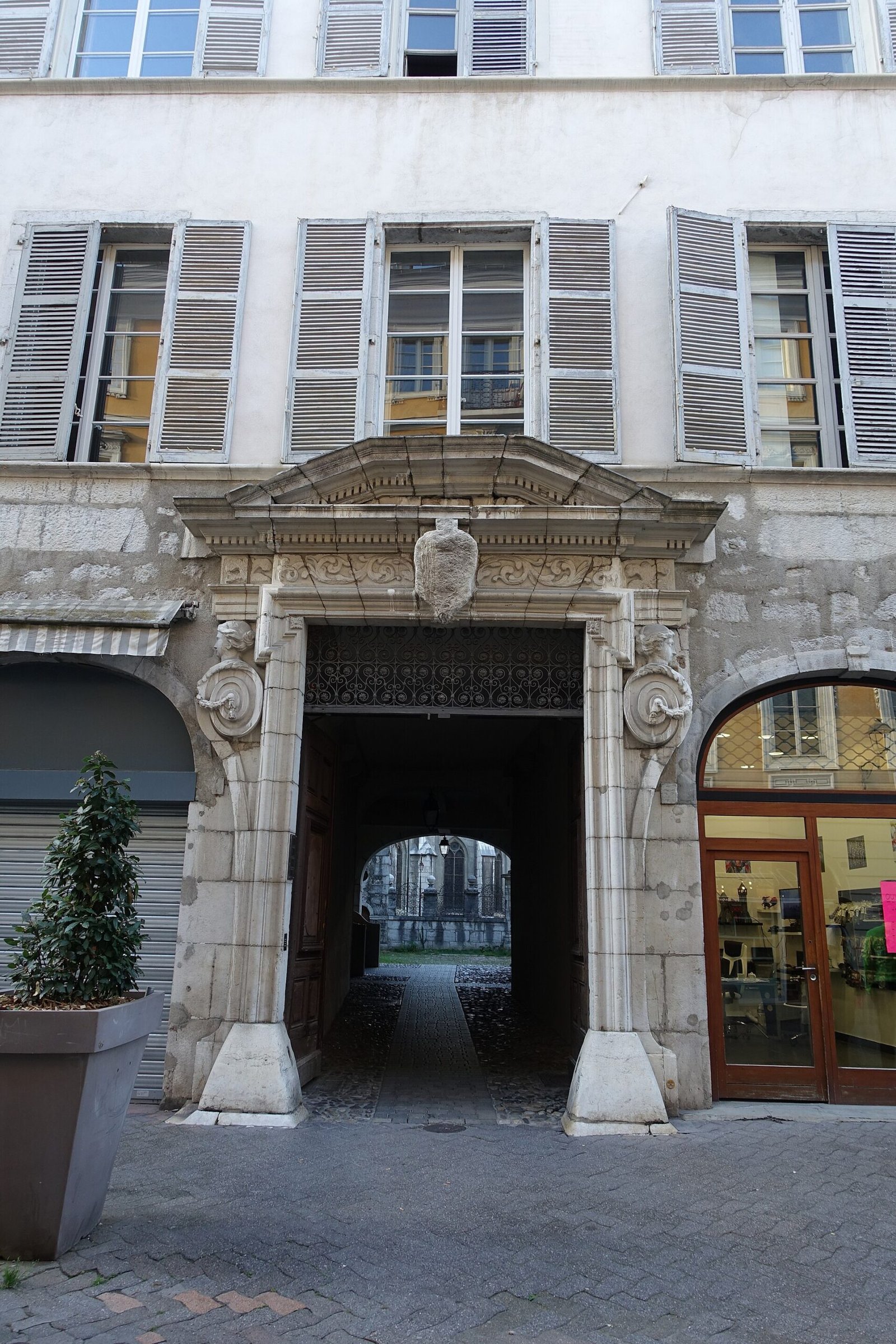
Arcades, painted façades, the château area, museums, and Savoyard history make Chambéry more than a transfer station. Allow half a day with an official walking route or guide. Check château and museum access because government use and opening days vary. The compact center suits a rainy-day plan and provides useful political context before entering the mountain valleys.
Lac du Bourget and Aix-les-Bains
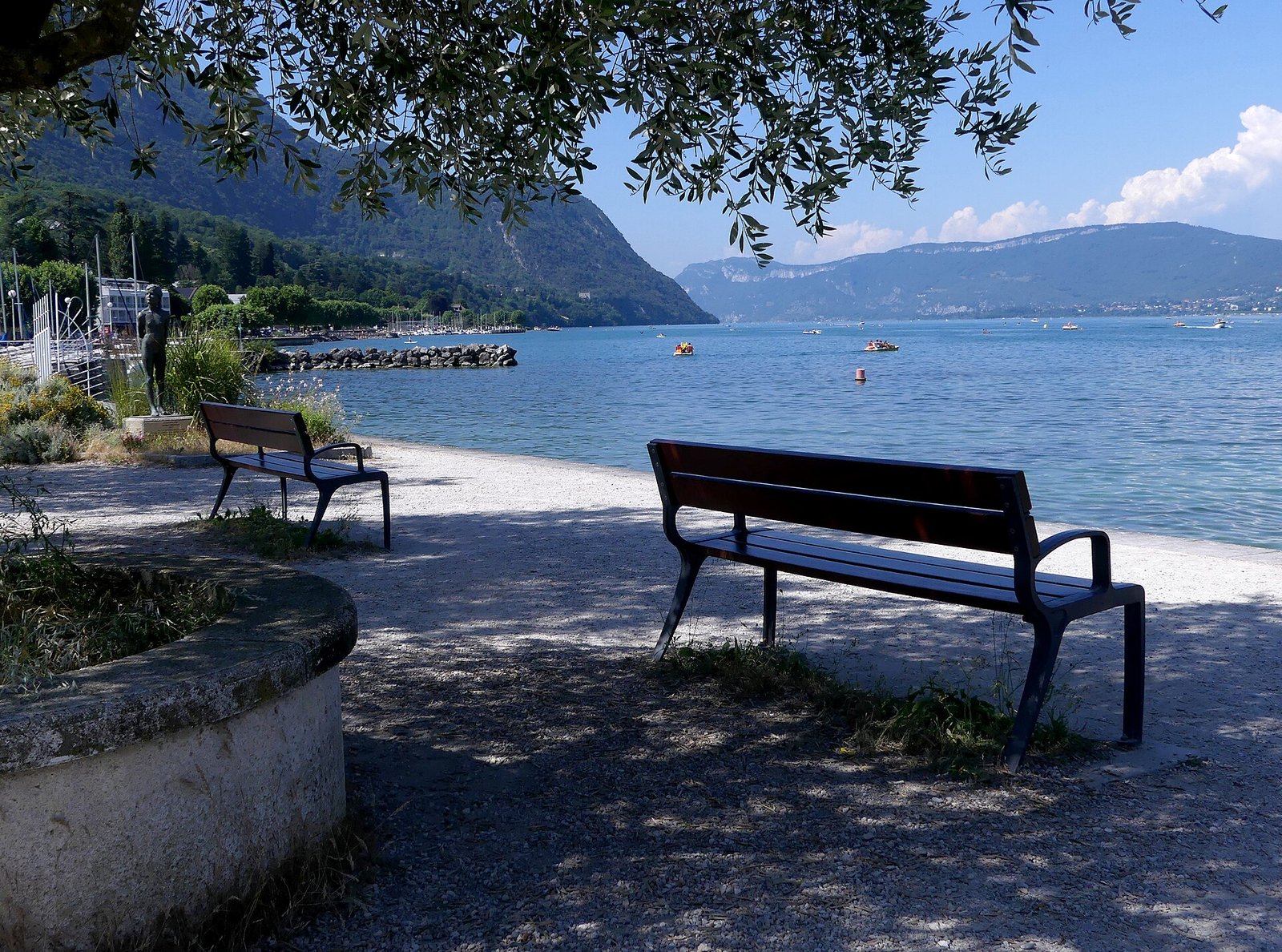
France’s largest natural lake by area offers promenades, beaches, boats, viewpoints, and spa-town architecture. Spend a full day according to season. Use supervised swimming zones, check boat and beach operations, and avoid assuming alpine water is warm. Cyclists should choose protected routes where possible. Summer weekends are busy, making rail access preferable to scarce waterfront parking.
Vanoise National Park or another protected alpine route
Vanoise landscapes include glaciers, wildlife, meadows, and a refuge network, but routes range from family walks to serious mountaineering. Select an official open trail based on conditions and ability, starting early. Carry navigation, water, layers, and sun protection. Maintain wildlife distance, keep dogs only where rules permit, and use a qualified guide for glacial or technical terrain.
Ski resort day
A winter mountain day requires current lift status, suitable equipment, insurance, and terrain matched to ability. Reserve lessons and rentals on school-holiday weeks. Follow patrol and avalanche closures, and understand that nearby off-piste terrain is uncontrolled. Non-skiers should use officially offered snowshoe, pedestrian lift, spa, or village programs rather than walking onto pistes.
Savoyard food and village markets
Cheeses, charcuterie, wine, pastries, and mountain dishes reflect specific valleys and seasons. Visit a verified market or producer, ask about origin, and avoid reducing the cuisine to a single fondue. Reserve dinner in small resorts where kitchens close early. Drivers should plan alcohol responsibly, and hikers should carry food when remote refuges are closed.
A PRACTICAL ROUTE
Suggested itinerary
Chambéry
Arrive by rail or road, explore the historic center, and confirm onward coach or car arrangements before dinner.
Aix-les-Bains and Lac du Bourget
Take the train or drive to the lake, choosing a promenade, boat, beach, or spa according to season and weather.
Move to one alpine valley
Travel to the selected mountain base in daylight, buy supplies, and check lift, trail, avalanche, or refuge information.
Primary mountain day
Ski, hike, or cycle on an officially open route matched to ability, beginning conservatively and returning before storms or darkness.
Village and food
Use a lower-intensity village, market, museum, or guided producer day to recover and understand local culture.
Second mountain day
Choose a different open sector or a professional guide, keeping a lake, spa, or cultural alternative for poor conditions.
Return through the valley
Leave the resort with a generous coach, road, and flight buffer, stopping only if the onward connection remains protected.
REALISTIC BUDGET
Estimated travel costs
A budget traveler using trains, simple rooms, and free hiking can plan around €95–160 per person per day. A mid-range stay with a shared alpine hotel, transfers, restaurant dinner, and resort or guided activity commonly reaches €220–420. Ski holiday weeks can cost more. Compare tourist tax, cleaning, linens, parking, lift access, equipment, insurance, and coach baggage terms. Keep the Savoie and the French Alps budget in Euro (EUR). Rounded dollar equivalents for Savoie and the French Alps use August 1, 2026 reference rates; actual card statements will differ.
TRAVEL WELL
Practical travel tips
- Choose one valley from the primary activity and transport rather than collecting famous resort names.
- Verify lift, refuge, trail, avalanche, road, and weather information on the day of every mountain outing.
- Reserve winter transfers and accommodation for French school-holiday weeks well ahead.
- Carry layers, sun protection, water, and navigation even when using a lift to gain elevation.
- Use winter tires, chains, or other equipment exactly as current road law and conditions require.
- Cards are common, but carry euros for refuges, markets, village buses, and service interruptions.
- Respect protected-area dog, camping, cycling, and wildlife rules and stay off fragile switchback shortcuts.
- Solo travelers should share routes, avoid unsupported glacial or off-piste terrain, and know the final valley transport.
COMMON QUESTIONS
Savoie and the French Alps travel FAQ
How many days do you need in Savoie?
Seven days allow Chambéry, Lac du Bourget, and four nights in one alpine valley. Ten days provide slower travel or a second valley.
Do you need a car in the French Alps?
No for selected rail-and-shuttle resorts. A car helps with dispersed summer villages and trailheads but adds tolls, parking, and winter-driving requirements.
What is the best month to visit Savoie?
February and March suit skiing, while July and September are strong for hiking. Exact snow, storms, and lift operations vary each year.
Is Savoie expensive?
High-season ski resorts are expensive. Valley towns, apartments, self-catering, trains, free hiking, and shoulder dates reduce costs.
Is Savoie suitable for families?
Yes when families choose an appropriate resort or lake base, professional lessons, suitable trails, and accommodation close to transport.
Can you visit Savoie from Geneva?
Yes by train, coach, transfer, or car, depending on the valley. Cross-border timing, traffic, and final resort connections require a generous buffer.
KEEP EXPLORING
Related The Wander Muse guides
CHECK BEFORE DEPARTURE
Sources and official resources
Schedules, fares, closures, and timed-entry systems affecting Savoie and the French Alps can change. Recheck the official resources below shortly before departure.