START HERE
Why visit Savannah
Savannah is built for slow exploration: shaded squares, layered architecture, riverfront warehouses, small museums, and a food culture shaped by Georgia’s coast all fit within a compact historic core. It suits couples, solo travelers, history enthusiasts, photographers, and road-trippers who prefer atmosphere and conversation to a frantic attraction list. Three days cover the central districts; a fourth makes room for Tybee Island, Fort Pulaski, or another carefully chosen coastal outing. This guide explains seasonal heat, airport access, walkable bases, realistic costs, and an efficient itinerary. The crucial planning detail is climate. Humidity, thunderstorms, and heat can make a short map distance exhausting, while spring weekends and major events raise room rates sharply. Schedule outdoor walks early, reserve a few priority meals or tours, and leave space for shade and unplanned squares.
AT A GLANCE
Savannah quick travel summary
Accommodation and tour prices rise around festivals, holidays, graduation dates, and spring weekends. Treat these as planning ranges and verify taxes, parking, deposits, accessibility, and cancellation terms.
WHEN TO GO
Best time to visit
Spring (March–May)
March and April bring flowering landscapes, mild-to-warm days, and the year’s strongest visitor demand. Hotels and tours can sell out around major events, while pollen affects sensitive travelers. May becomes hotter and more humid. Reserve early, walk in the morning, and use museums during warm afternoons. Occasional storms require a flexible outdoor schedule and waterproof footwear.
Summer (June–August)
Summer is hot, humid, and storm-prone, with heat indices that can make midday walking uncomfortable. Room prices may soften outside event dates, but families and beach traffic remain. Start squares and cemeteries early, hydrate frequently, and plan long indoor breaks. Tybee traffic increases on good beach days. Hurricane-season awareness and refundable bookings are prudent for later summer travel.
Fall (September–November)
September remains hot and lies within hurricane season, while October and November usually become more comfortable for walking. Festival and holiday weekends can still lift prices. The season suits architecture tours, outdoor dining, and coastal outings when weather cooperates. Monitor official forecasts, keep cancellation terms in mind, and bring a light layer for cooler November evenings.
Winter (December–February)
Winter is mild compared with northern U.S. cities, though cold snaps, rain, and damp evenings occur. Crowds and prices are often lower outside holiday dates, and the compact center remains enjoyable. Gardens are less lush than spring, but museums and restaurants operate year-round. Pack layers and use shorter daylight efficiently; verify holiday closures before building the itinerary.
ARRIVING
How to get there
Savannah/Hilton Head International Airport is northwest of downtown. Official taxis, rideshare pickup, rental cars, and other listed ground-transport services connect the terminal with the city; journey time varies with traffic and the chosen district. Because a central visit does not require a car, compare the total cost of an airport transfer with several days of hotel parking. Amtrak serves Savannah at a station outside the historic core, requiring a taxi, rideshare, or local connection. Intercity bus services also use locations that should be confirmed on the travel date. Drivers arriving on Interstate routes should reserve a hotel with clear parking terms or use a public garage rather than circling the squares. The easiest option for a short city break is a direct airport ride to a walkable hotel. A rental car makes more sense when Savannah is part of a coastal road trip or when planned excursions lack transport.
MOVING AROUND
Getting around
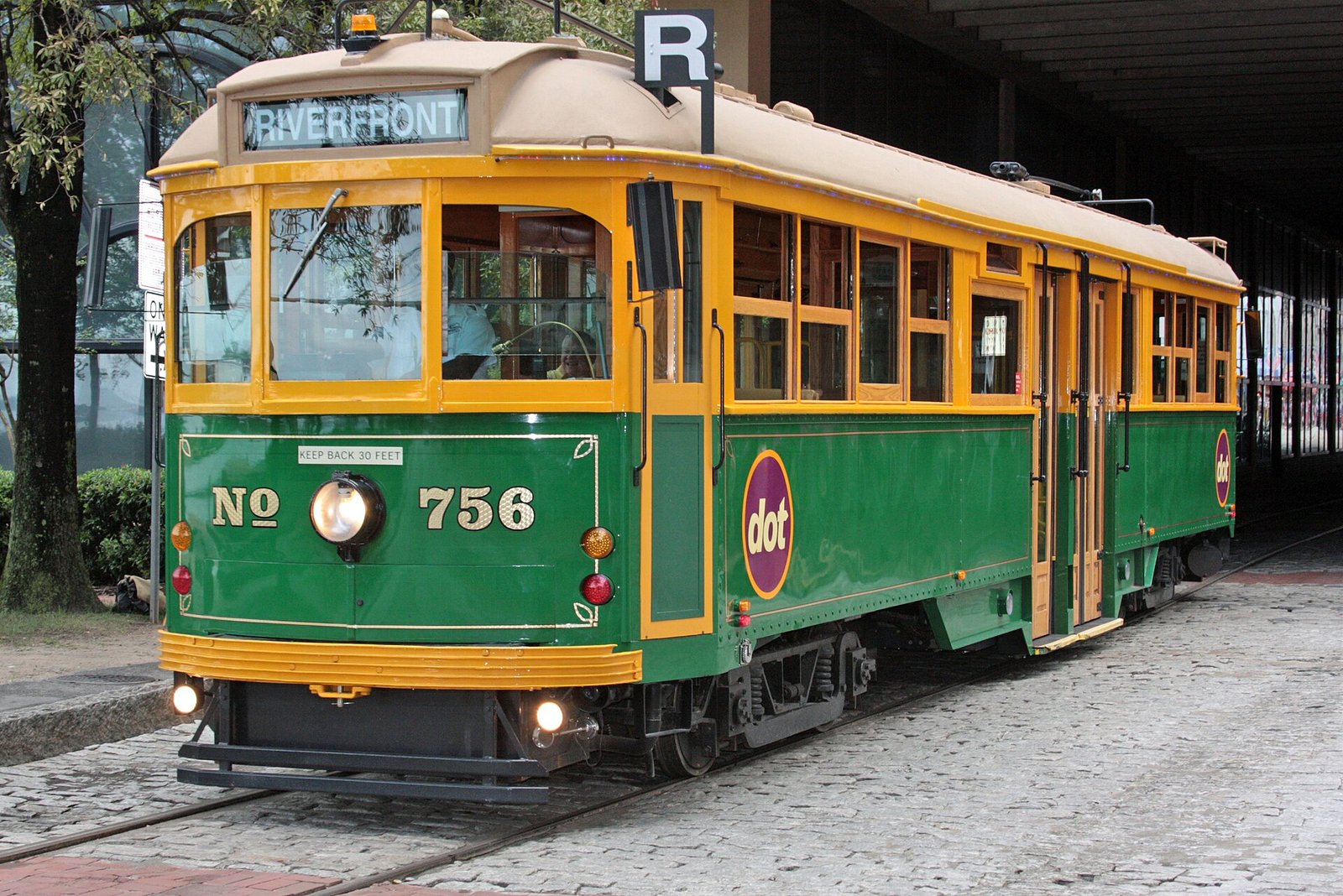
The Historic District is highly walkable, but brick sidewalks, cobbles, heat, and long north–south distances can slow progress. The city’s zero-fare DOT shuttle serves central stops and is useful for reducing repeat walks; use the current official map and schedule. Chatham Area Transit buses cover a wider area, though they are less convenient for a tightly timed sightseeing day. Taxis and rideshare help after dinner or in bad weather. A rental car is unnecessary for the central squares and creates parking expense; use one only for regional travel, checking restrictions at Tybee and other sites. Bicycles can work for confident riders, but traffic, rails, and uneven paving require care. Group each day by district and allow shade breaks instead of crossing downtown repeatedly.
CHOOSE A BASE
Where to stay
Historic District north — best for first-time visitors
Staying between the riverfront and the central squares puts major architecture, museums, restaurants, and tour departures within walking distance. It suits short trips and travelers without a car. Rooms in historic buildings vary in size and accessibility, and riverfront streets can be noisy. Rates and valet parking are high on popular weekends. Ask for a quiet room and confirm elevator access if needed.
Historic District south or Victorian District — best for atmosphere and quieter evenings
The southern squares and nearby Victorian streets offer residential character, Forsyth Park access, cafés, and a slower pace. Couples and repeat visitors often prefer the neighborhood feeling. The riverfront requires a longer walk or shuttle ride, and restaurants are more dispersed on some blocks. Check nighttime walking routes and the exact distance to a DOT stop.
Midtown or outside the core — best for budget travelers and drivers
Chain hotels and larger properties outside downtown can reduce room and parking costs, especially for families or road-trippers. The trade-off is daily driving, paid central parking, or reliance on local transport. A low nightly rate is not automatically good value once time and parking are included. Choose this base only after mapping the actual commute and evening options.
PLAN YOUR DAYS
Best things to do
Savannah’s squares and Bull Street corridor
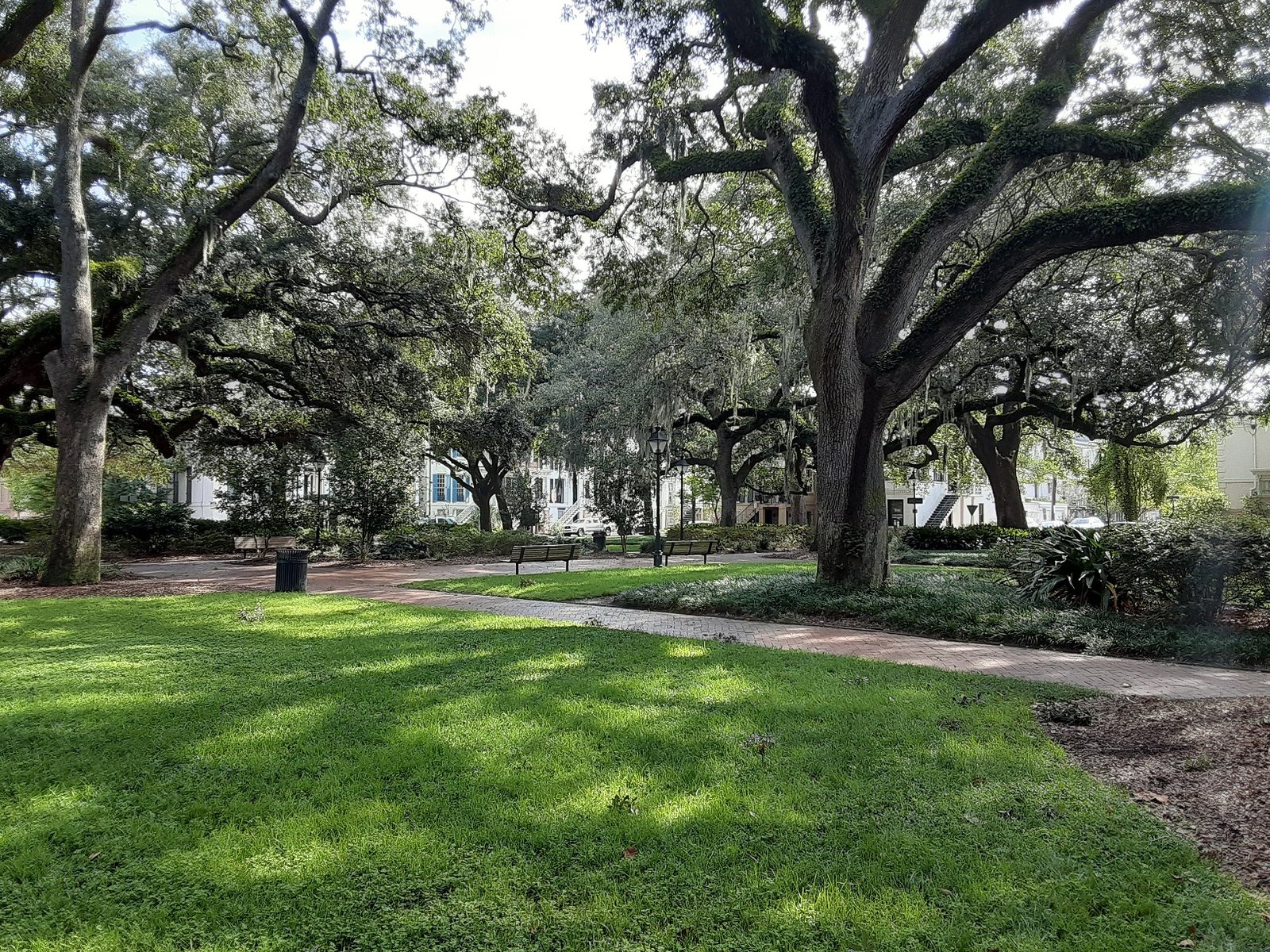
The chain of squares reveals the city plan, monuments, live oaks, and architectural changes better than any single building. Allow two to three hours for a self-guided walk from the river area toward Forsyth Park, splitting it across days in hot weather. Early morning offers cooler conditions and softer light. The spaces are free, but respect residents and traffic. A reputable guide adds valuable historical context.
Telfair Museums or another focused house museum
Savannah has more historic interiors than most visitors can meaningfully absorb. Select one museum group or house aligned with art, architecture, or social history and allow 90 minutes to two hours. Check official hours, timed entry, and accessibility because old buildings may have stairs. Reserve on crowded weekends. A focused visit is more rewarding than rushing through several similar properties.
River Street and the Plant Riverside area
Former warehouses, river views, shops, and restaurants make the waterfront lively, especially near sunset. Spend one to two hours and watch cargo traffic, but expect tourism-oriented businesses and uneven paving. Steep historic steps and ramps connect the bluff with the river; travelers with mobility concerns should use marked accessible routes. Visit earlier for fewer crowds or later for atmosphere.
Bonaventure Cemetery
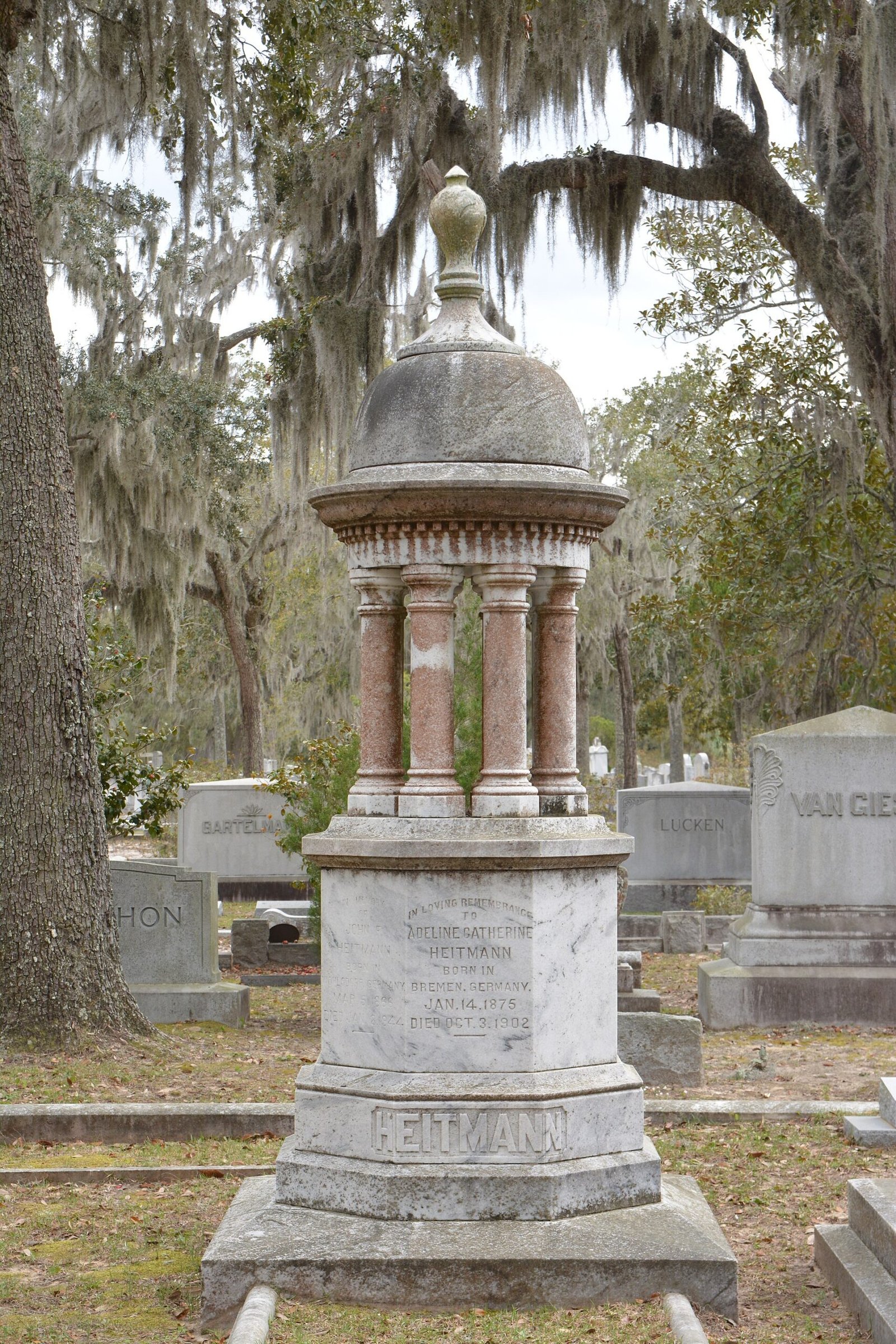
Bonaventure’s sculpture, live oaks, and local history justify a two-hour visit when approached respectfully. It lies outside the most walkable core, so use a car, taxi, or authorized tour and confirm opening hours. Morning is cooler and quieter. Stay on permitted routes, avoid active services, and do not treat graves as props. A guided tour can explain symbolism without spreading folklore as fact.
Fort Pulaski or Tybee Island
Fort Pulaski provides Civil War-era history and trails, while Tybee offers beach time and a different coastal rhythm. Each deserves at least half a day and requires transport planning. Use National Park Service information for fort access and local sources for beach parking and conditions. Combining both is possible with a car but can feel rushed during traffic-heavy weekends. Choose the priority that best fits the group.
A PRACTICAL ROUTE
Suggested itinerary
Riverfront and first squares
Begin near the river, climb to the bluff by an appropriate route, and walk a short sequence of northern squares. Finish with a reserved dinner nearby.
Bull Street and Forsyth Park
Walk south early through key squares, pause for one museum or historic interior, and reach Forsyth Park before the hottest afternoon hours.
Deeper history and neighborhoods
Choose Bonaventure or a guided thematic tour in the morning, then explore the Victorian District and a different dining area without returning repeatedly to River Street.
Coastal excursion
Visit either Fort Pulaski and a short trail or Tybee Island for a beach-focused day. Leave downtown early and allow traffic and parking time.
REALISTIC BUDGET
Estimated travel costs
A budget stay outside peak weekends can run about US$100–180 per person per day with a shared room and mostly free walks. A central mid-range trip with a shared hotel, restaurant meals, museum admission, and one tour commonly reaches US$220–400. Event dates can push lodging much higher. Compare taxes, destination charges, valet parking, breakfast, and tour gratuities before deciding between properties.
TRAVEL WELL
Practical travel tips
- Plan outdoor walks before late-morning heat in warm months and carry water even for a compact route.
- Do not block residential steps or photograph through private windows while exploring historic streets.
- Wear shoes with grip for brick, cobbles, tree roots, and riverfront ramps; fashion-only footwear becomes tiring.
- Use official weather alerts and flexible bookings during hurricane season rather than relying on a long-range forecast.
- Cards are widely accepted, but keep small cash for tips and occasional parking or market purchases.
- Reserve high-priority restaurants and small tours for spring weekends, then leave the rest of the schedule loose.
- Choose licensed, historically responsible tours and distinguish documented history from entertainment-focused ghost stories.
- Solo travelers should use well-lit routes after dark and arrange a ride for isolated sites or late returns.
COMMON QUESTIONS
Savannah travel FAQ
How many days do you need in Savannah?
Three days cover the central squares, museums, and neighborhoods at a comfortable pace. A fourth day allows Fort Pulaski, Tybee Island, or another coastal excursion.
Do you need a car in Savannah?
No for a Historic District stay; walking, the free DOT shuttle, and occasional rides are sufficient. A car is useful for regional road trips and selected coastal sites.
What is the best month to visit Savannah?
March and April offer famous spring scenery but high demand. Late October and November usually provide comfortable walking weather with fewer heat concerns.
Is Savannah expensive?
Central lodging and parking can be expensive on spring and event weekends. Free squares, parks, and the DOT shuttle help, while staying outside downtown trades savings for commute costs.
Is Savannah safe for solo travelers?
Many solo travelers enjoy the busy central districts. Apply normal city precautions, avoid empty streets late at night, secure valuables, and arrange transport to isolated attractions.
Can you visit Tybee Island without a car?
Options vary by season and operator. Before relying on a shuttle or tour, verify the current pickup, return time, beach access, and cancellation terms.
KEEP EXPLORING
Related The Wander Muse guides
CHECK BEFORE DEPARTURE
Sources and official resources
Schedules, fares, closures, and timed-entry systems affecting Savannah can change. Recheck the official resources below shortly before departure.