START HERE
Why visit Santa Cruz
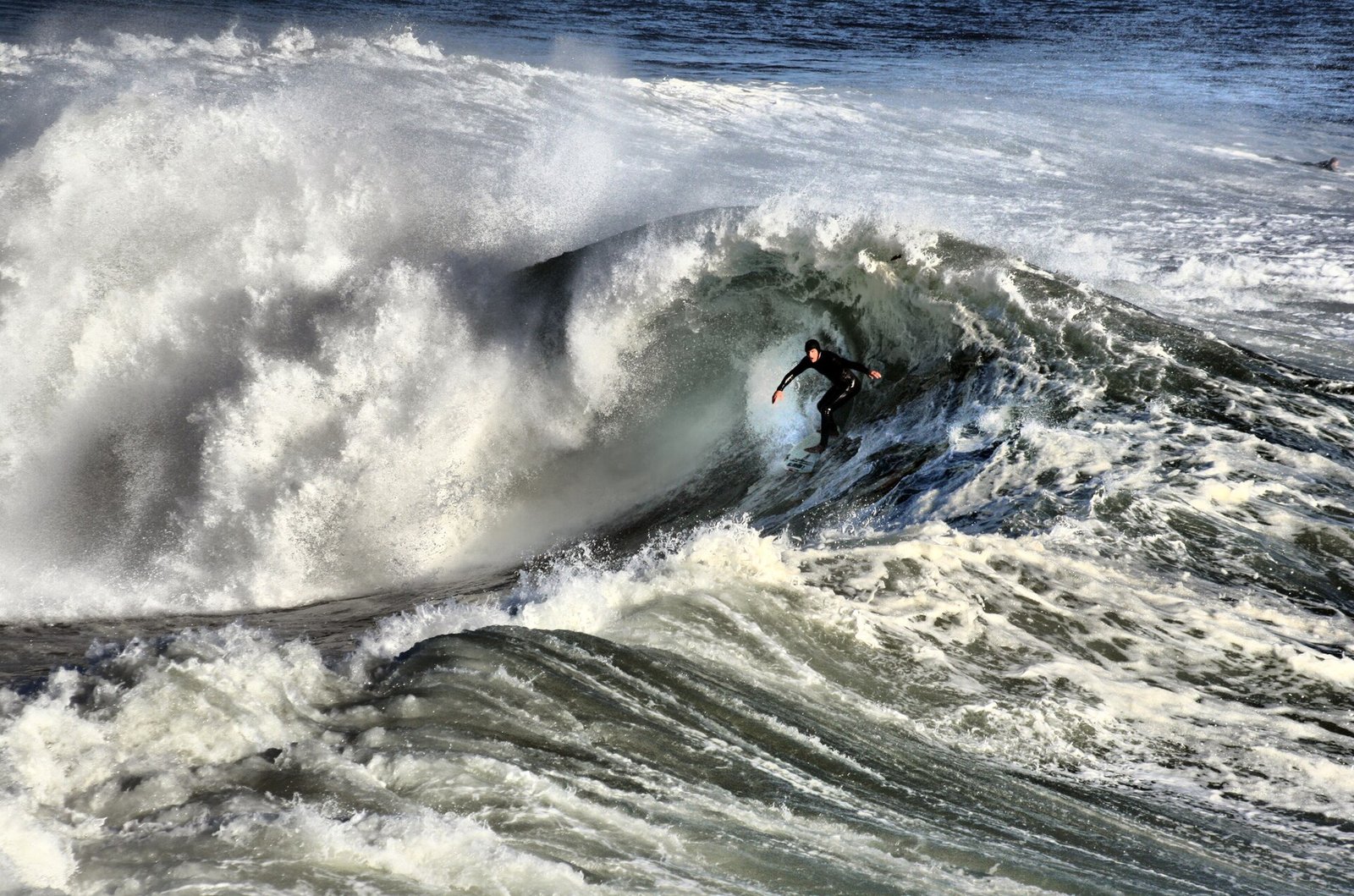
Santa Cruz combines surf history, a classic seaside amusement park, Monterey Bay wildlife, and redwood forest within a compact California coast weekend. It suits surf culture, beaches, redwoods, families, couples, marine life, and coastal road trips and works best when West Cliff Drive and Santa Cruz Beach Boardwalk stay on separate compact days. A first visit works best when West Cliff Drive, Santa Cruz Beach Boardwalk, and Natural Bridges State Beach are arranged around realistic transport and weather windows. Downtown supports car-light dining, the Westside is best for coastal walks and surf culture, and Capitola offers a colorful village base east of the center. Santa Cruz planning connects Norman Y. Mineta San José International Airport (SJC), santa cruz metro bus, Downtown, and West Cliff Drive with the six-row US dollar (USD) budget and 3–4 days route below. Before booking Santa Cruz, use the linked authorities to verify opening days, santa cruz metro bus, and any timed entry for West Cliff Drive.
AT A GLANCE
Santa Cruz quick travel summary
Santa Cruz prices are planning ranges rather than quotes. Ask for the complete Santa Cruz price in writing, including taxes, payment fees, booking terms, and any connection from Norman Y. Mineta San José International Airport (SJC).
WHEN TO GO
Best time to visit
Spring (March–May)
Across Santa Cruz, expect mild days, changeable rain, and lengthening daylight; conditions near West Cliff Drive can vary. For Santa Cruz, crowds and prices are moderate except around school and public holidays. This period creates better conditions for West Cliff Drive in Santa Cruz; the main drawback is that visitors in Santa Cruz should pack a waterproof layer and expect cool mornings. Marine fog, wildfire smoke, winter storms, rip currents, and Highway 17 traffic can change the trip quickly. Recheck Santa Cruz weather and the operating status of West Cliff Drive shortly before any weather-sensitive or reservation-dependent day.
Summer (June–August)
Across Santa Cruz, expect the warmest weather and the longest usable days; conditions near Santa Cruz Beach Boardwalk can vary. This is the busiest and most expensive period for Santa Cruz. For Santa Cruz, this window favors Santa Cruz Beach Boardwalk. Schedule it only after accounting for the fact that visitors in Santa Cruz should reserve accommodation and timed attractions early. Marine fog, wildfire smoke, winter storms, rip currents, and Highway 17 traffic can change the trip quickly. Recheck Santa Cruz weather and the operating status of West Cliff Drive shortly before any weather-sensitive or reservation-dependent day.
Autumn (September–November)
Across Santa Cruz, expect cooler air, changing foliage, and shorter daylight; conditions near Natural Bridges State Beach can vary. Expect lighter crowds after early September. Natural Bridges State Beach is the most practical Santa Cruz focus during this period. The limitation is that visitors in Santa Cruz should check reduced hours and weather-sensitive services. Marine fog, wildfire smoke, winter storms, rip currents, and Highway 17 traffic can change the trip quickly. Recheck Santa Cruz weather and the operating status of West Cliff Drive shortly before any weather-sensitive or reservation-dependent day.
Winter (December–February)
Across Santa Cruz, expect cold conditions with the possibility of rain, snow, or storms; conditions near Henry Cowell Redwoods State Park can vary. Expect quiet periods interrupted by holiday peaks. This period creates better conditions for Henry Cowell Redwoods State Park in Santa Cruz; the main drawback is that in Santa Cruz, transport disruption and limited daylight require buffers. Marine fog, wildfire smoke, winter storms, rip currents, and Highway 17 traffic can change the trip quickly. Recheck Santa Cruz weather and the operating status of West Cliff Drive shortly before any weather-sensitive or reservation-dependent day.
ARRIVING
How to get there
SJC is the closest major airport, reached by road or a combination of local transport and regional bus. San Francisco and Oakland add flight choices but much longer transfers. Highway 17 is winding and congested, particularly on beach weekends and in rain. Santa Cruz METRO serves city and selected regional routes, while a rental car is most useful for redwood parks and a wider coast circuit. Confirm the current airport connection and do not schedule a tight flight immediately after a summer Sunday drive.
MOVING AROUND
Getting around
Downtown, the river, Boardwalk, and West Cliff are connected by walking, bus, and bicycle routes. METRO buses cover common corridors, but nighttime and park schedules vary. A car creates parking pressure near the beach and becomes useful for Henry Cowell, Wilder Ranch, and regional Highway 1 stops. Ride-hailing fills evening gaps. Cyclists need lights and awareness of steep streets. Never leave bags visible in a parked vehicle, especially at beaches and trailheads. For a 3–4 days visit, group West Cliff Drive with Santa Cruz Beach Boardwalk, then protect Natural Bridges State Beach for the strongest weather or access window. West Cliff Drive and Santa Cruz Beach Boardwalk belong on separate compact Santa Cruz stages; that leaves room for a delayed santa cruz metro bus connection. Accessible Santa Cruz planning needs four checks: santa cruz metro bus boarding, surfaces, restrooms, and the final approach to West Cliff Drive.
CHOOSE A BASE
Where to stay
Downtown — best for first-time dining and transit
Restaurants, buses, and access toward the river and beach support a car-light stay. Some blocks feel quiet late and the immediate setting is urban rather than beachfront.
Westside — best for surf and coastal walks
West Cliff, Natural Bridges, breweries, and surf culture sit close to residential streets. Rooms are limited and reaching Capitola or redwoods takes transport.
Capitola — best for village scenery and couples
Colorful waterfront buildings and restaurants create a slower beach-town base. Weekend parking and crowds are heavy, and downtown Santa Cruz requires a bus or car.
PLAN YOUR DAYS
Best things to do
West Cliff Drive
A coastal path links surf breaks, lighthouse history, and broad bay views. Allow 2–4 hours. Walk in clear morning or late-afternoon light. No reservation is needed. Public access is free. Stay behind barriers and respect active surf access. It is best suited to walkers, cyclists, and photographers; time-limited visitors should add West Cliff Drive only when it fits the same area and current conditions.
Santa Cruz Beach Boardwalk
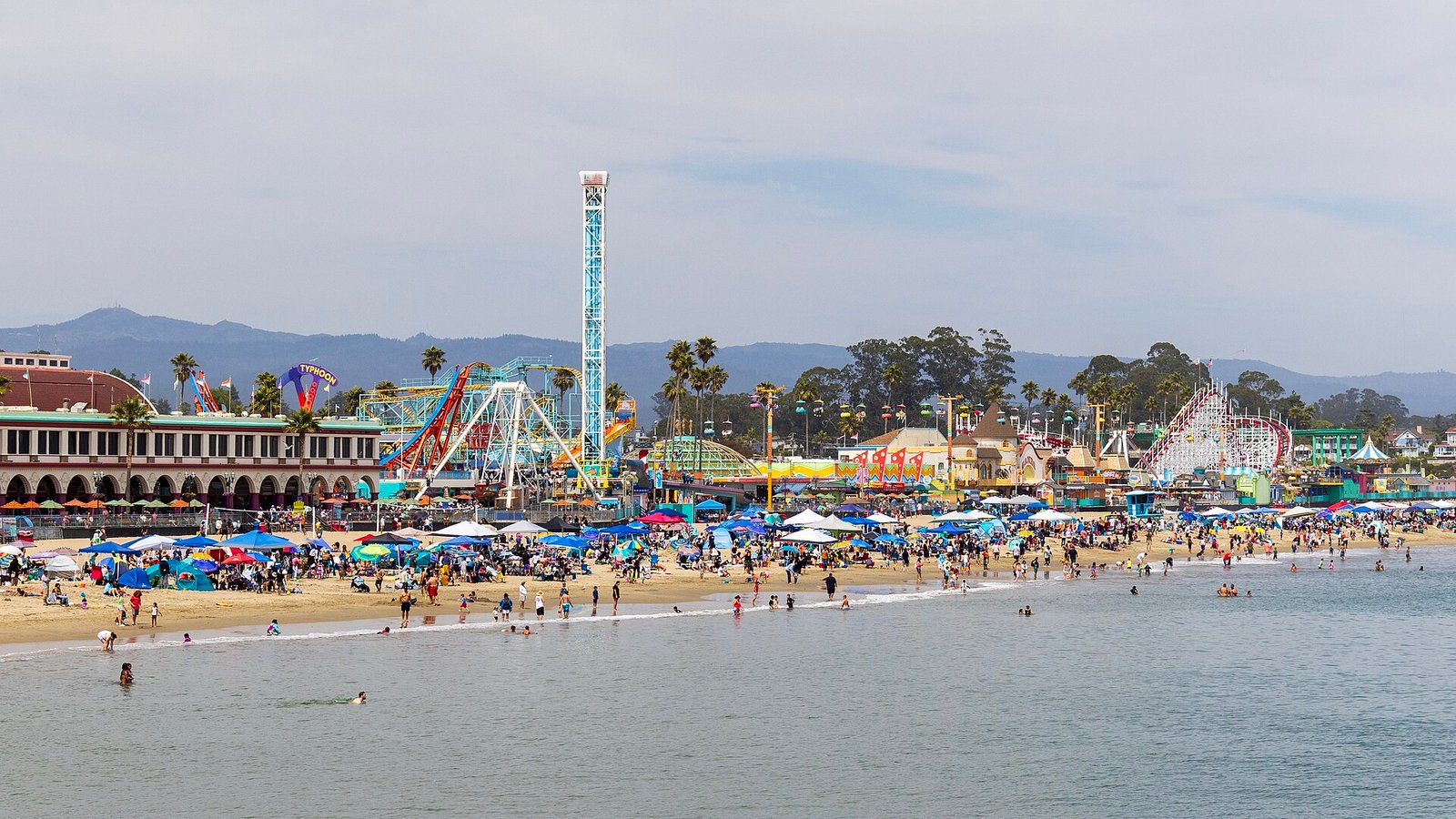
Historic rides and beachfront entertainment preserve a classic California seaside experience. Allow 3–6 hours. Check the operating calendar because rides are seasonal. Popular ride products can be bought in advance. Beach access is free; rides and games cost separately. Set a family budget before purchasing credits. It is best suited to families and nostalgia travelers; On a short Santa Cruz visit, Santa Cruz Beach Boardwalk should not force a cross-destination transfer.
Natural Bridges State Beach
Sea arches, tide pools, and seasonal monarch habitat add nature close to the city. Allow 1.5–3 hours. Use a safe tide and check seasonal habitat rules. No ordinary reservation is needed. Parking or day-use fees may apply. Never turn over tide-pool animals or cross closed habitat. It is best suited to families, birders, and nature travelers; on a short stay, keep Natural Bridges State Beach only when access and geography suit that day.
Henry Cowell Redwoods State Park
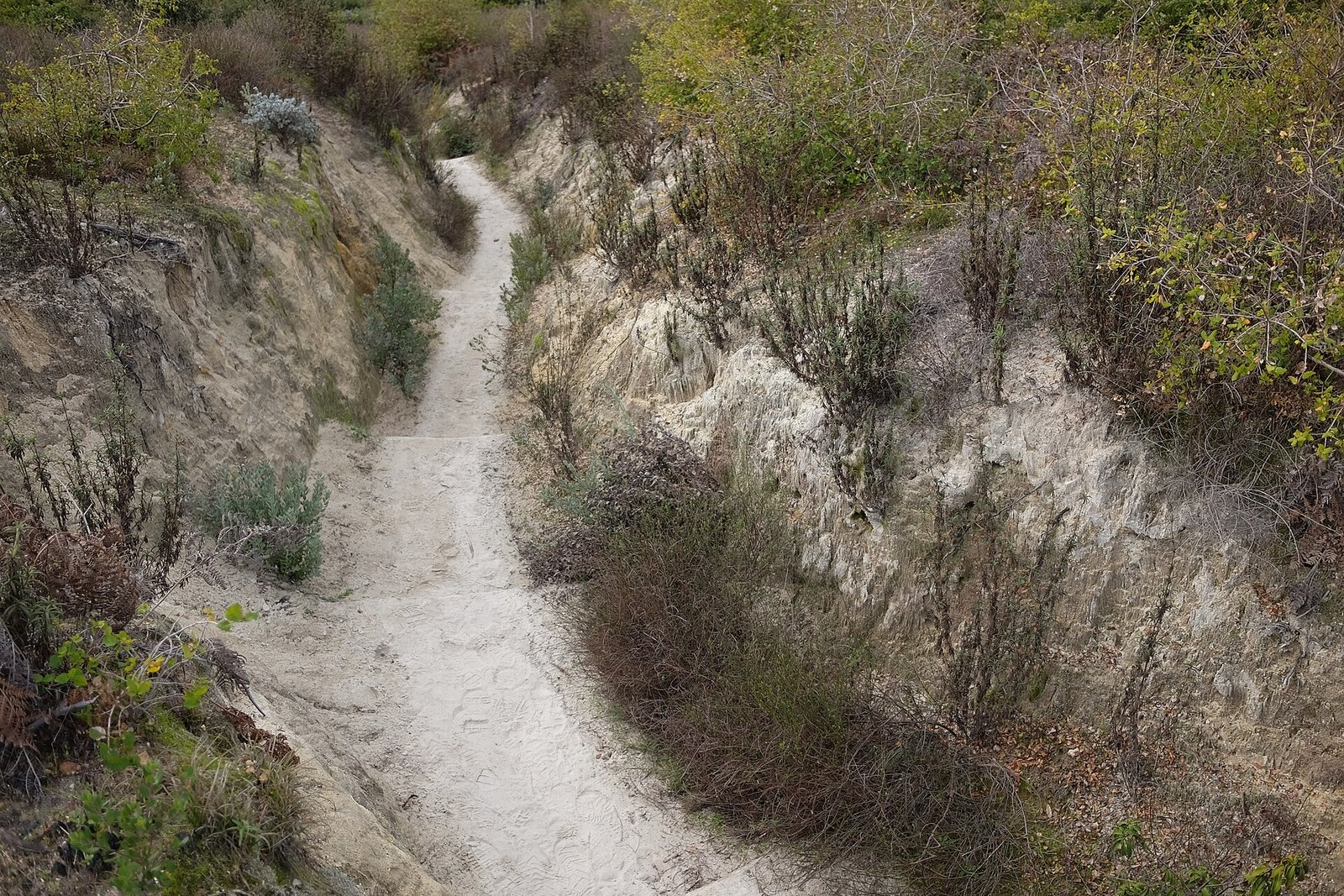
Accessible old-growth redwoods provide a powerful forest contrast to the beach. Allow 3–5 hours. Arrive early and check fire, trail, and parking status. Camping needs booking; day use usually does not. State-park fees may apply. Stay on trails to protect shallow roots. It is best suited to forest walkers and families; visitors with little time should retain Henry Cowell Redwoods State Park only if it stays near another priority.
Monterey Bay wildlife outing
A responsible boat trip can reveal whales and seabirds in a highly productive marine ecosystem. Allow 3–5 hours. Choose calm conditions and disclose motion sensitivity. Reserve a licensed operator in peak whale periods. Tour prices vary by vessel. Choose an operator that maintains legal wildlife distance. It is best suited to wildlife travelers and photographers; time-limited visitors should add Monterey Bay wildlife outing only when it fits the same area and current conditions.
A PRACTICAL ROUTE
Suggested itinerary
Downtown and Boardwalk
Settle in, walk the river-to-beach route, and use only the rides that match the operating calendar.
West Cliff and Natural Bridges
Walk the coast in the morning, visit the safe tide or monarch habitat, and remain on the Westside for dinner.
Redwood day
Use transit or a car for Henry Cowell, complete one forest route, and return before Highway 17 traffic peaks.
Wildlife or Capitola
Take a responsible bay trip in calm conditions, or use Capitola as the weather-flexible coastal alternative.
REALISTIC BUDGET
Estimated travel costs
Santa Cruz costs move most with April–June or September–October, booking timing, taxes, and the exact position of a room in Downtown. Recalculate Santa Cruz’s dollar comparison when booking. For Santa Cruz, the figures here convert US dollar (USD) at August 1, 2026 reference rates and exclude later card charges.
TRAVEL WELL
Practical travel tips
- Check beach flags, surf forecasts, tides, and lifeguard guidance before entering the water.
- Use METRO, walking, and bicycles for city days rather than paying for repeated beach parking.
- Check state-park wildfire, trail, and storm closures before driving to redwoods.
- Leave no luggage, electronics, or shopping visible in a parked vehicle.
- Bring layers because fog and wind can make the coast much cooler than inland San José.
- Reserve summer weekends, wildlife trips, and special Boardwalk events early.
- Avoid cliff edges and closed tide-pool areas even when other visitors ignore barriers.
- Solo travelers should use active beach sections and established transport after dark.
COMMON QUESTIONS
Santa Cruz travel FAQ
How many days do you need in Santa Cruz?
3–4 days is a practical first-visit range for Santa Cruz. If 3–4 days is not available, keep one compact Santa Cruz base and West Cliff Drive; additional days are most useful as weather and transport buffers.
Is Santa Cruz expensive?
In Santa Cruz, a realistic daily planning range is US$115–190 budget; US$250–480 mid-range, per person. The main premiums are well-placed accommodation, travel during April–June or September–October, and private or guided versions of West Cliff Drive.
Do you need a car in Santa Cruz?
No car is needed for downtown, the Boardwalk, and West Cliff. Rent one or use regional transit for redwoods and a wider Highway 1 route.
What is the best month to visit Santa Cruz?
September often offers warmer coastal conditions after summer fog, with less school-holiday pressure.
Is Santa Cruz safe for solo female travelers?
Santa Cruz is commonly visited solo. Use ordinary city awareness, official beach access, and avoid isolated cliffs or sand after dark. Before departing for Santa Cruz, review current government advice alongside local weather and transport notices.
What should you book in advance for Santa Cruz?
Reserve summer lodging, wildlife tours, surf lessons, campsites, and any special Boardwalk event.
KEEP EXPLORING
Related The Wander Muse guides
PLAN WITH CURRENT INFORMATION
Official resources
For Santa Cruz, opening hours, fares, permits, weather rules, and transport arrangements can change. Recheck current Santa Cruz operating information below, especially before reserving Santa Cruz Beach Boardwalk.