START HERE
Why visit Wadi Rum
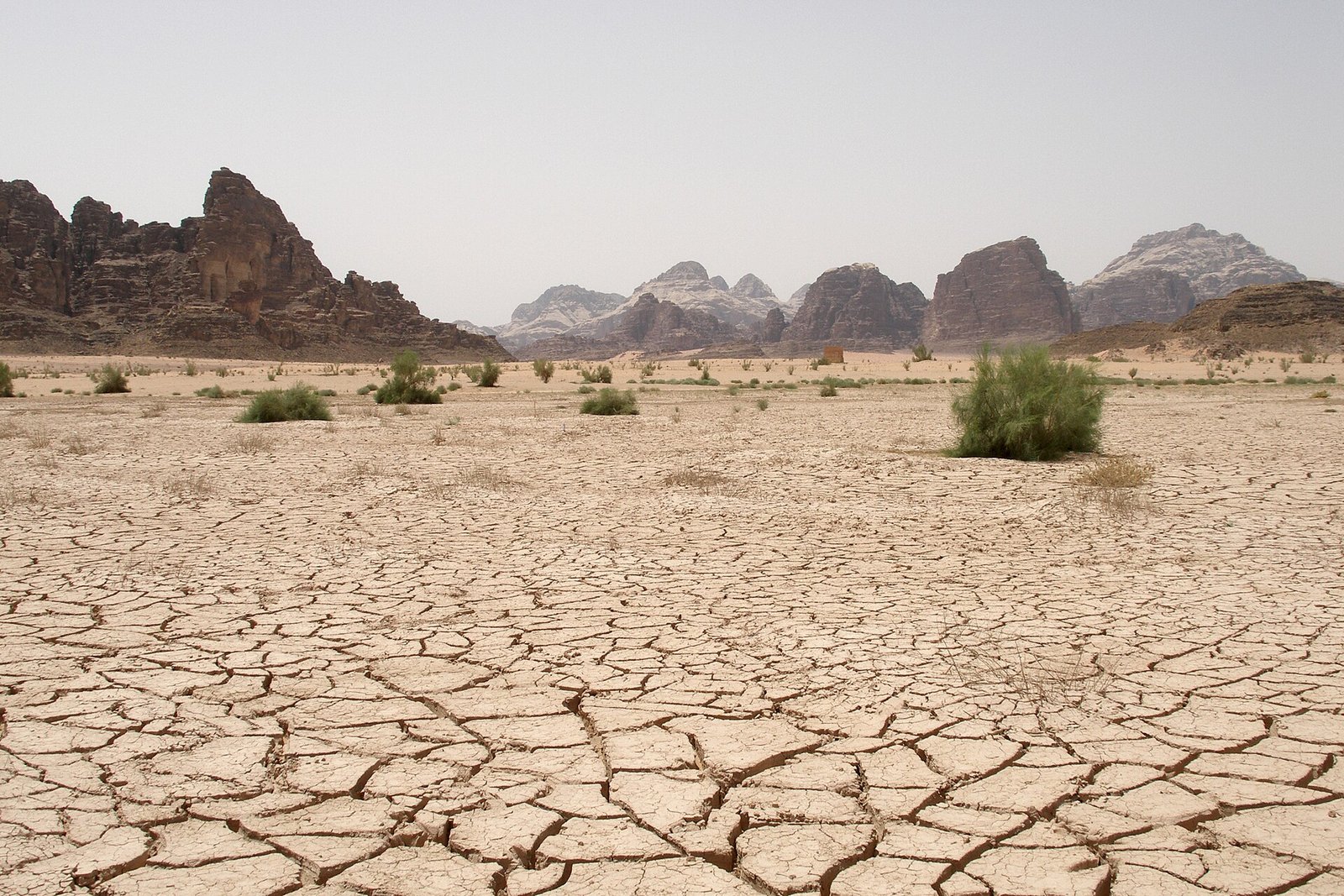
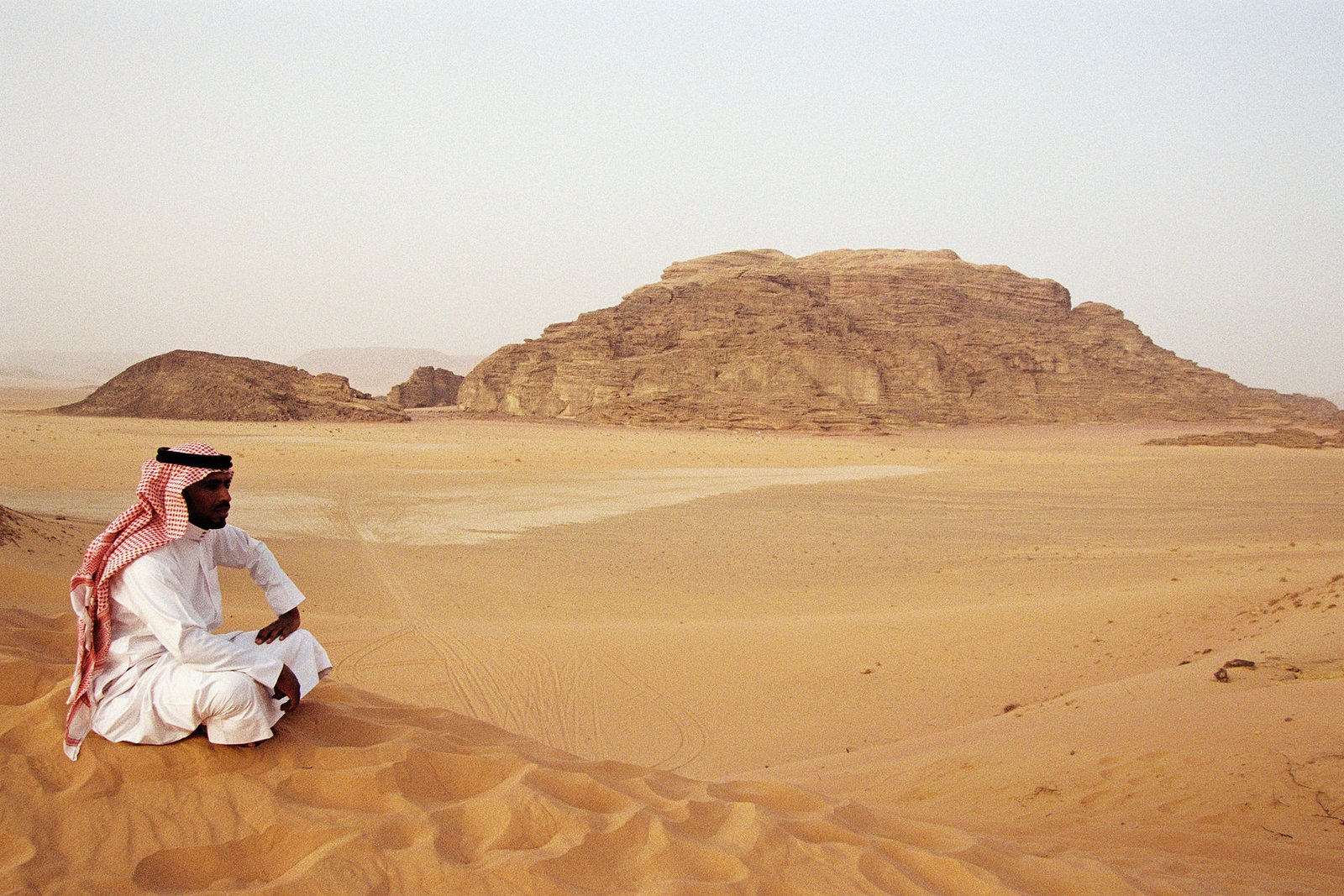
Wadi Rum rewards travelers who combine sandstone massifs, red valleys, rock bridges, desert camps, Bedouin knowledge, and extraordinarily clear night skies with enough time for tea stops, silent walks, sunset without vehicle racing, and an early morning beyond the busiest day-tour circuit. It is especially rewarding for desert landscapes, photography, stargazing, hiking, couples, families, and cultural travel. Camp standards, operator authorization, heat, cold, flash floods, rough tracks, and staged experiences vary widely. Wadi Rum Village edge is the most balanced first base, A small established desert camp offers balanced overnight experience, and A remote comfort camp suits visitors prioritizing privacy and amenities. Wadi Rum planning links Aqaba (AQJ) or Amman (AMM), licensed 4wd with local driver, Wadi Rum Village edge, and Choose an authorized Bedouin camp to the six-row Jordanian dinar (JOD) costs and 1–2 nights itinerary below. Before paying for a Wadi Rum booking, confirm current weather limits, closures, permits, licensed 4wd with local driver, and timed entry through an official source.
AT A GLANCE
Wadi Rum quick travel summary
For Wadi Rum, protected area entry jod 5 (about us$7); tours jod 35–80+. Wadi Rum estimates can exclude taxes; verify Choose an authorized Bedouin camp fees, card charges, transport, and seasonal supplements.
WHEN TO GO
Best time to visit
Spring (March–May)
Across Wadi Rum, expect mild-to-hot days, cool nights, wind, and occasional dust; conditions near Choose an authorized Bedouin camp can vary. Crowd and price pressure is high around school and religious holidays. The strongest reason to travel then is the best balance for long archaeological walks and desert camps; the trade-off is that midday heat and holiday closures require careful timing. Extreme heat, freezing nights, flash floods, rough tracks, limited mobile service, camp standards, and remote medical response can still change a carefully planned day, so retain one lower-risk alternative and check official forecasts, road or marine notices, and reservation calendars shortly before every exposed outing.
Summer (June–August)
Across Wadi Rum, expect very hot dry afternoons, intense sun, and warm nights; conditions near Take a half- or full-day jeep route can vary. Crowd and price pressure is lower outside regional holidays. The strongest reason to travel then is quiet early hours and broad daylight; the trade-off is that heat illness makes exposed midday activity unsafe. Extreme heat, freezing nights, flash floods, rough tracks, limited mobile service, camp standards, and remote medical response can still change a carefully planned day, so retain one lower-risk alternative and check official forecasts, road or marine notices, and reservation calendars shortly before every exposed outing.
Autumn (September–November)
Across Wadi Rum, expect declining heat, dry air, and cooler evenings; conditions near Walk one short guided canyon or arch trail can vary. Crowd and price pressure is moderate to high. The strongest reason to travel then is comfortable walking, desert sunsets, and camp nights; the trade-off is that early autumn remains hot and popular dates sell out. Extreme heat, freezing nights, flash floods, rough tracks, limited mobile service, camp standards, and remote medical response can still change a carefully planned day, so retain one lower-risk alternative and check official forecasts, road or marine notices, and reservation calendars shortly before every exposed outing.
Winter (December–February)
Across Wadi Rum, expect pleasant days, cold desert nights, wind, and occasional rain; conditions near Stay through sunset and dark skies can vary. Crowd and price pressure is high around year-end. The strongest reason to travel then is long walks and clear daytime sightseeing; the trade-off is that flash floods, cold camps, and short daylight remain real constraints. Extreme heat, freezing nights, flash floods, rough tracks, limited mobile service, camp standards, and remote medical response can still change a carefully planned day, so retain one lower-risk alternative and check official forecasts, road or marine notices, and reservation calendars shortly before every exposed outing.
ARRIVING
How to get there
Wadi Rum Village and the protected-area visitor center are reached from Aqaba, Petra, or Amman by planned bus, licensed driver, rental car, or tour. Private vehicles do not simply roam the desert. Confirm the meeting point, pickup time, secure parking, camp identity, and return connection before leaving paved transport. From Aqaba (AQJ) or Amman (AMM), compare luggage handling and service hours through to Wadi Rum Village edge; the cheapest Wadi Rum fare may leave an impractical final connection. For a late Aqaba (AQJ) or Amman (AMM) arrival, get the Wadi Rum transfer instructions in writing and decline undocumented rides.
MOVING AROUND
Getting around
Licensed local drivers use 4WD vehicles between authorized sites and camps. The route, shade, vehicle seating, water, and group size determine comfort. Hiking and climbing require appropriately qualified local guidance, while camel experiences should be judged by welfare, duration, rider limits, and transparent pricing. Group visitor-center formalities with one coherent 4WD circuit, an overnight camp and star period, and a separate guided walk or slow morning before the onward Petra or Aqaba transfer. This Wadi Rum order avoids repeated transfers and keeps Take a half- or full-day jeep route available when weather, queues, or transport disrupt Choose an authorized Bedouin camp. Accessible Wadi Rum plans should verify licensed 4wd with local driver boarding, surfaces, restrooms, and the final approach to Choose an authorized Bedouin camp.
CHOOSE A BASE
Where to stay
Wadi Rum Village edge — best for simple logistics
Guesthouses and meeting points help travelers arriving late or leaving early connect with desert operators. The village is not the immersive protected-area camp experience. A room labeled Wadi Rum Village edge can still be inconvenient in Wadi Rum; check its location, after-dark route, and connection.
A small established desert camp — best for balanced overnight experience
Local hosting, meals, stars, and early desert access support a complete first stay. Bathroom, heating, electricity, vehicle transfer, and noise standards vary. For A small established desert camp, verify the exact Wadi Rum block, evening access, transfer time, and cancellation terms.
A remote comfort camp — best for privacy and amenities
Private bathrooms, structured excursions, and quiet locations suit travelers who prioritize comfort. High prices and “bubble” branding do not guarantee authenticity or environmental practice. Before selecting A remote comfort camp, compare the Wadi Rum walking distance, luggage transfer, late arrival plan, and refund terms.
PLAN YOUR DAYS
Best things to do
Choose an authorized Bedouin camp
A responsible 4WD circuit links inscriptions, canyons, dunes, bridges, and broad valleys with local interpretation. Allow 4–8 hours. Verify vehicle seating, shade, water, group size, route, and whether the driver is also an interpretive guide. Shared tours often cost roughly JOD 35–80 (about US$49–113) per person depending on length and group.. Before Choose an authorized Bedouin camp, verify Wadi Rum access, then assess the fitness demands and return connection for Choose an authorized Bedouin camp.
Take a half- or full-day jeep route
A licensed camp night adds sunset, meals, stars, and the quiet early hours that day visitors miss. Allow One or two nights. Confirm the exact camp location, room, bathroom, heating, electricity, meals, transfer, and cancellation terms. Camp packages commonly range from JOD 35–150 (about US$49–212) per person nightly.. Take a half- or full-day jeep route must fit the traveler’s ability and current Wadi Rum conditions; wildlife distances remain firm.
Walk one short guided canyon or arch trail
Sunset and sunrise transform sandstone color, but safe viewpoint choice matters more than isolated photo positions. Allow 1–2 hours each. Use the operator’s approved stop, stay away from unprotected drops, and carry warm layers and a light. Usually included with overnight or full-day programs.. Confirm transport to Walk one short guided canyon or arch trail, then follow any Wadi Rum closure, barrier, or guide direction.
Stay through sunset and dark skies
Stargazing can be excellent when moon, cloud, camp lighting, and guide knowledge align. Allow 1–3 hours. Ask whether the experience includes interpretation or telescopes and how light pollution is managed. Simple sky watching is included; specialist astronomy may add JOD 20–60 (about US$28–85).. For Stay through sunset and dark skies, let Wadi Rum access rules and staff instructions set the safe limit.
A guided desert walk or sandstone route
A guided walk through a canyon, dune, or sandstone route creates a slower connection than repeated vehicle stops. Allow 2–6 hours. Use a route matched to heat and ability, carry water, and never attempt technical scrambling without qualified support. Guided walks commonly add JOD 30–100 (about US$42–141).. Before A guided desert walk or sandstone route, verify Wadi Rum access, then assess the fitness demands and return connection for A guided desert walk or sandstone route.
A PRACTICAL ROUTE
Suggested itinerary
Arrive and orient
Reach Wadi Rum Village edge, settle in near Wadi Rum Village edge, check licensed 4wd with local driver hours, and orient only around the route to Choose an authorized Bedouin camp.
Choose an authorized Bedouin camp
Give the first full day to choose an authorized bedouin camp. After Choose an authorized Bedouin camp, eat near Wadi Rum Village edge instead of adding a cross-Wadi Rum transfer.
Take a half- or full-day jeep route
Build the next day around take a half- or full-day jeep route, adding walk one short guided canyon or arch trail only if Wadi Rum access and the transfer from Wadi Rum Village edge remain practical.
A different side of the destination
Use A small established desert camp or A remote comfort camp to reach stay through sunset and dark skies with less backtracking. Keep an independent meal, rest, or indoor alternative.
Flexible priority and departure
Choose a guided desert walk or sandstone route, repeat time near Wadi Rum Village edge, or recover Choose an authorized Bedouin camp after a weather delay. End the Wadi Rum route with a real buffer for luggage, traffic, security, and the Aqaba (AQJ) or Amman (AMM) connection.
REALISTIC BUDGET
Estimated travel costs
Wadi Rum costs move most with March–May or September–November, the location of Wadi Rum Village edge, and the choice between licensed 4wd with local driver and private transfers. Wadi Rum’s dollar figures use August 1, 2026 reference rates; recalculate them before payment.
TRAVEL WELL
Practical travel tips
- Verify the exact operator, camp, vehicle, route, bathroom, heating, electricity, and meals before paying.
- Arrange the paved-road meeting point and onward pickup in writing.
- Carry sun cover and water by day plus warm layers for desert night.
- Check official flash-flood, heat, wind, and protected-area notices before entry.
- Never climb an unmarked bridge or exposed rock merely because other visitors do.
- Choose camel experiences only when animal welfare, rider load, duration, and handler practice are acceptable.
- Keep desert waste with you and avoid loud music or lighting that disrupts other camps and wildlife.
- Solo women should share the camp coordinates and operator, request clear sleeping arrangements, and avoid isolated rides with an unverified guide.
COMMON QUESTIONS
Wadi Rum travel FAQ
How many days do you need in Wadi Rum?
1–2 nights is a realistic first-visit range for Wadi Rum. If 1–2 nights is not possible, keep Wadi Rum Village edge and Choose an authorized Bedouin camp; extra Wadi Rum days should absorb recovery, weather, or reservation changes.
Is Wadi Rum expensive?
A practical daily planning range is JOD 60–100 (about US$85–141) budget; JOD 150–280 (about US$212–395) mid-range, per person. For Wadi Rum, room location, peak dates, private transport, permits, and guided access to Choose an authorized Bedouin camp drive the largest increases; compare full inclusions, not headline prices.
How many nights do you need in Wadi Rum?
One night covers a coherent vehicle circuit, sunset, and stars; two nights allow a guided walk and slower desert time without rushing onward.
How do you choose a camp?
Compare authorization, exact map location, transfer, room and bathroom photographs, heating, electricity, meals, guide practice, waste, noise, and cancellation terms.
Is a bubble tent necessary?
No. A well-run traditional or simple private tent can provide a stronger desert experience. Pay for verified comfort and operator quality, not a photograph alone.
What should you book first?
Reserve a vetted camp and operator, the transfer from Petra or Aqaba, and any specialist hike first; leave the exact outdoor sequence weather-dependent.
KEEP EXPLORING
Related The Wander Muse guides
PLAN WITH CURRENT INFORMATION
Official resources
Opening hours, fares, permits, weather rules, and transport arrangements in Wadi Rum can change. For Wadi Rum, use these official links to confirm what is operating during March–May or September–November, rather than relying on an older itinerary.