START HERE
Why visit Bangkok
A neighborhood-based Bangkok guide for royal sights, canals, street food, shopping, and heat-aware transport. Bangkok works best for travelers interested in temples, street food, markets, shopping, canals, wellness, and nightlife, and becomes easier when Riverside or Old Town edge, Grand Palace and Wat Phra Kaew, and Wat Pho and riverside temples are scheduled by area and current Bangkok conditions. A first visit should connect Grand Palace and Wat Phra Kaew, Wat Pho and riverside temples, and Chinatown and food streets while keeping transfers between Riverside or Old Town edge and Grand Palace and Wat Phra Kaew realistic. Riverside or Old Town edge suits temples and first-time culture, Sukhumvit works for transport and dining, and Silom or Sathorn is strongest for balanced city access. Bangkok planning links Suvarnabhumi (BKK) or Don Mueang (DMK) and bts skytrain to Riverside or Old Town edge, Grand Palace and Wat Phra Kaew, a six-row THB budget, and the route below. In Bangkok, the route leaves room for a meal near Riverside or Old Town edge, weather changes around Grand Palace and Wat Phra Kaew, and unplanned Bangkok time. Keep arrival near Riverside or Old Town edge, place Grand Palace and Wat Phra Kaew in the strongest booking or weather window, and leave the final Bangkok day light enough for departure. Riverside or Old Town edge gives the Bangkok route a practical rhythm around Grand Palace and Wat Phra Kaew, with a delay buffer before the final connection. Before leaving for Bangkok, verify current opening days, bts skytrain, and reservation rules for Grand Palace and Wat Phra Kaew.
AT A GLANCE
Bangkok quick travel summary
Bangkok prices are planning ranges rather than quotes. Before paying in THB, check taxes, card charges, cancellation terms, and whether transport to Grand Palace and Wat Phra Kaew is included.
WHEN TO GO
Best time to visit
Cooler dry period (November–February)
Across Bangkok, expect lower humidity, warm days, and generally calmer travel conditions; conditions near Grand Palace and Wat Phra Kaew can vary. For Bangkok, visitor demand is at its peak, with stronger room prices. The main advantages are temples, beaches, markets, and outdoor excursions; the main trade-off is that popular tours and transport need advance reservations. extreme heat, monsoon flooding, taxi scams, traffic, dress-code issues, and river-level changes can affect a carefully planned day. Recheck official Bangkok conditions shortly before any exposed outing or fixed booking, especially Grand Palace and Wat Phra Kaew.
Hot period (March–May)
Across Bangkok, expect very warm temperatures, strong sun, and building humidity; conditions near Wat Pho and riverside temples can vary. Demand is mixed around festivals and school holidays. The main advantages are early starts, water activities, and evening food trips; the main trade-off is that midday heat requires shade, hydration, and shorter transfers. extreme heat, monsoon flooding, taxi scams, traffic, dress-code issues, and river-level changes can affect a carefully planned day. Recheck official Bangkok conditions shortly before any exposed outing or fixed booking, especially Grand Palace and Wat Phra Kaew.
Rainy period (June–September)
Across Bangkok, expect frequent showers, rougher seas, and occasional severe storms; conditions near Chinatown and food streets can vary. Demand is lower outside regional holidays. The main advantages are green scenery, city culture, and value-focused stays; the main trade-off is that boats, hikes, and beach safety can change at short notice. extreme heat, monsoon flooding, taxi scams, traffic, dress-code issues, and river-level changes can affect a carefully planned day. Recheck official Bangkok conditions shortly before any exposed outing or fixed booking, especially Grand Palace and Wat Phra Kaew.
Transition (October)
Across Bangkok, expect unsettled weather as rainfall and wind patterns shift; conditions near Canal or river journey can vary. Demand is moderate. The main advantages are flexible itineraries and quieter attractions; the main trade-off is that transport buffers and refundable reservations are valuable. extreme heat, monsoon flooding, taxi scams, traffic, dress-code issues, and river-level changes can affect a carefully planned day. Recheck official Bangkok conditions shortly before any exposed outing or fixed booking, especially Grand Palace and Wat Phra Kaew.
ARRIVING
How to get there
Suvarnabhumi (BKK) or Don Mueang (DMK) anchors the arrival plan; choose a connection that reaches Riverside or Old Town edge with a real luggage buffer. Choose a documented connection from Suvarnabhumi (BKK) or Don Mueang (DMK) that still operates at the arrival hour and reaches the booked Bangkok base without an improvised final leg. In Bangkok, Riverside or Old Town edge arrivals should compare luggage and traffic with the total Bangkok fare. Use an official operator for the long-distance Bangkok leg, then recheck its final departure and connection buffer.
MOVING AROUND
Getting around
BTS Skytrain, MRT, airport rail, river boat, bus, taxi, and walking form the practical transport mix in Bangkok. Give Grand Palace and Wat Phra Kaew its own compact Bangkok area; move to Wat Pho and riverside temples only when that transfer stays short in Bangkok. Protect the best weather or reservation window for Grand Palace and Wat Phra Kaew, then combine Wat Pho and riverside temples with nearby stops. extreme heat, monsoon flooding, taxi scams, traffic, dress-code issues, and river-level changes can alter the Bangkok route; keep Wat Pho and riverside temples as the usable alternative. Accessible Bangkok planning should check the bts skytrain boarding point, restroom access, and final approach to Grand Palace and Wat Phra Kaew.
CHOOSE A BASE
Where to stay
Riverside or Old Town edge — best for temples and first-time culture
Boats and early access to historic sites reduce cross-city travel. Riverside or Old Town edge varies block by block in Bangkok; verify luggage access, nighttime transport, noise, and refunds.
Sukhumvit — best for transport and dining
BTS and MRT connections, hotels, malls, and restaurants simplify logistics. In Sukhumvit, check the precise Bangkok street, room access, evening noise, and late-arrival route.
Silom or Sathorn — best for balanced city access
Rail, river links, food, and business hotels suit mixed itineraries. A Silom or Sathorn label in Bangkok is not enough: compare the final walk, room entry, and quiet hours.
PLAN YOUR DAYS
Best things to do
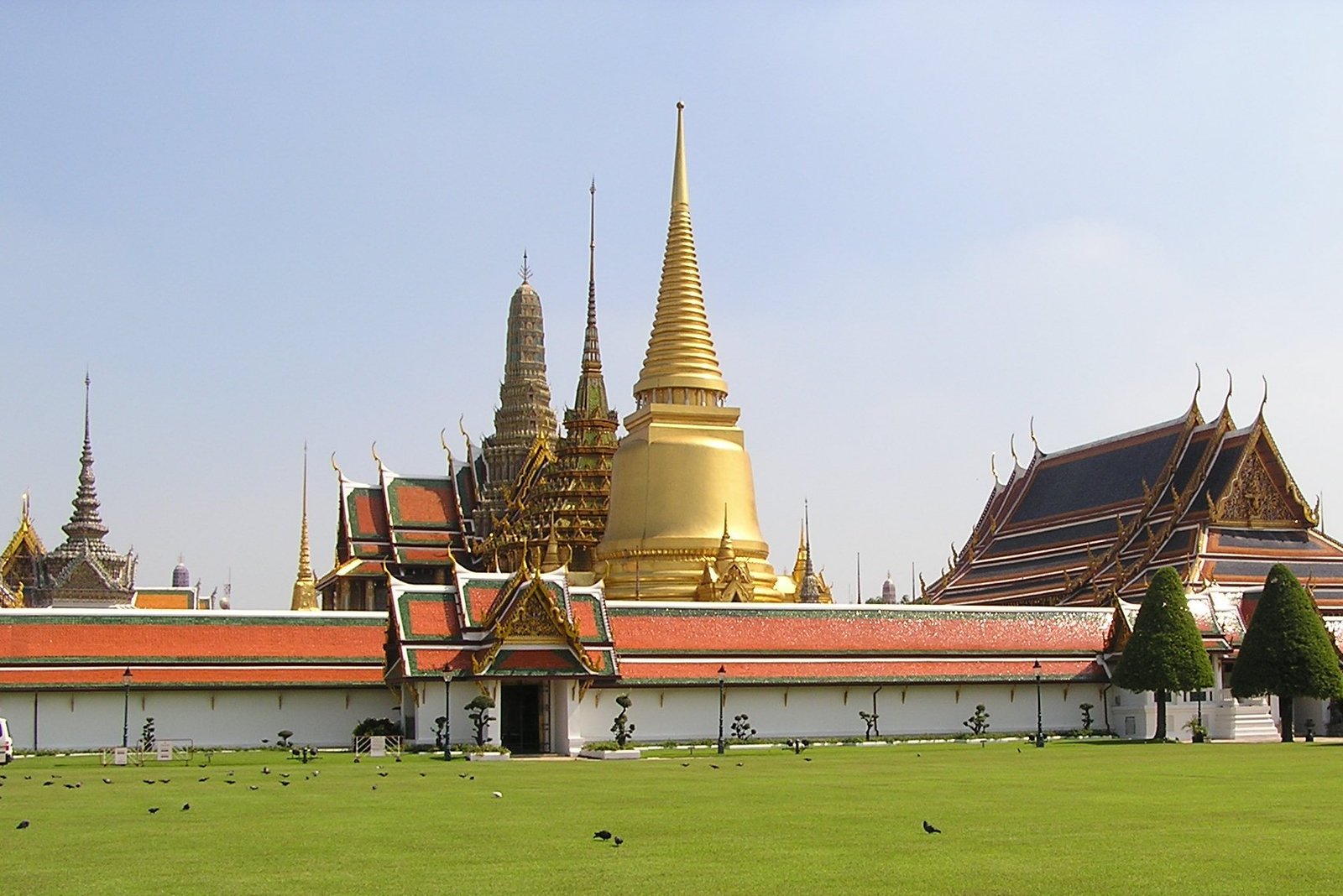
Grand Palace and Wat Phra Kaew
Royal architecture and sacred spaces provide essential national context. Allow 2–4 hours. Check official opening and dress rules. Confirm Grand Palace and Wat Phra Kaew access, reservation rules, and inclusions through the responsible Bangkok source. If weather or energy deteriorates, drop Grand Palace and Wat Phra Kaew before compressing the rest of the Bangkok route.
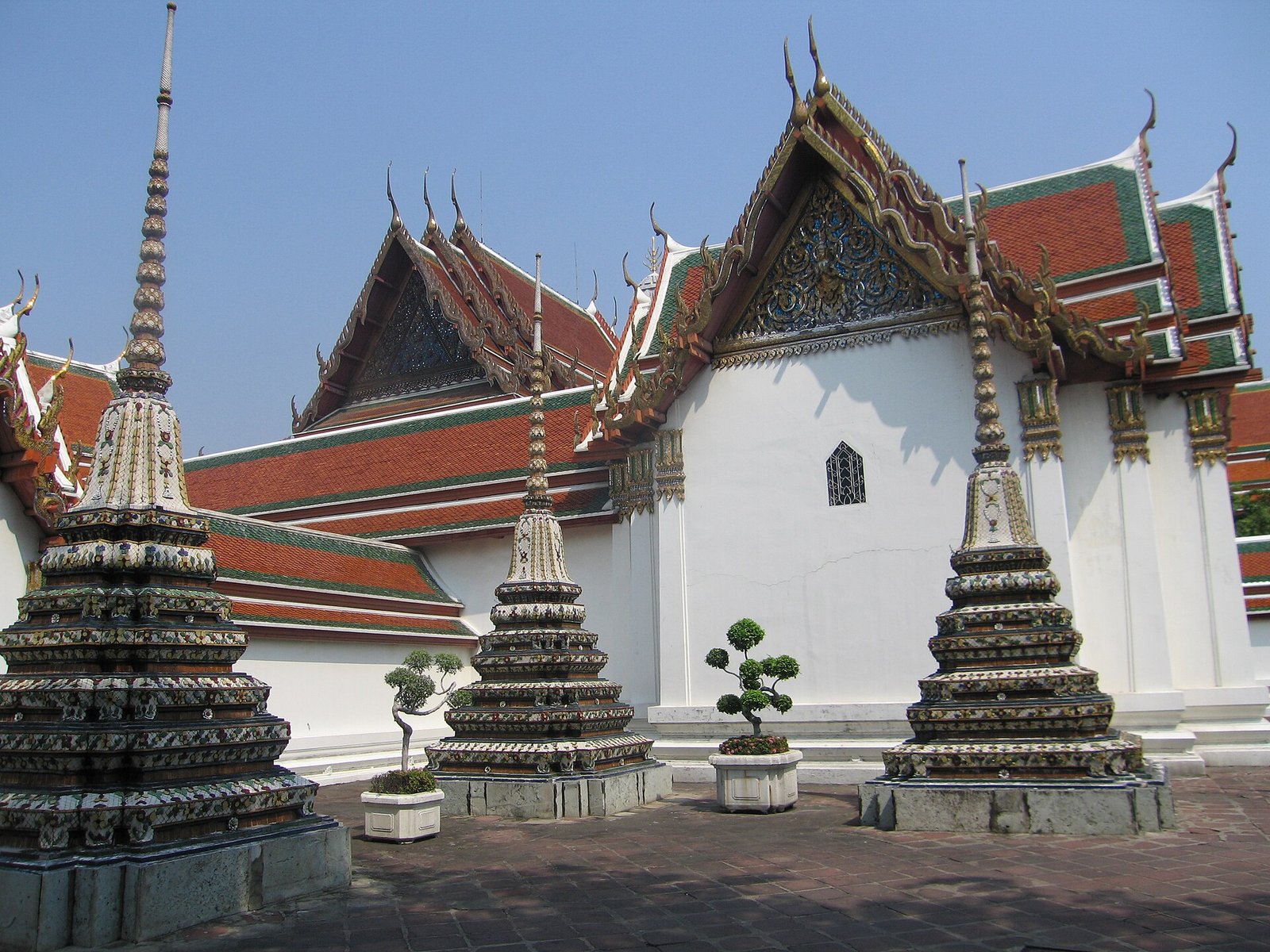
Wat Pho and riverside temples
Buddhist art, courtyards, and ferry links form a coherent historic half-day. Allow 3–5 hours. Cross only at official piers. Confirm Grand Palace and Wat Phra Kaew access, reservation rules, and inclusions through the responsible Bangkok source. If weather or energy deteriorates, drop Wat Pho and riverside temples before compressing the rest of the Bangkok route.
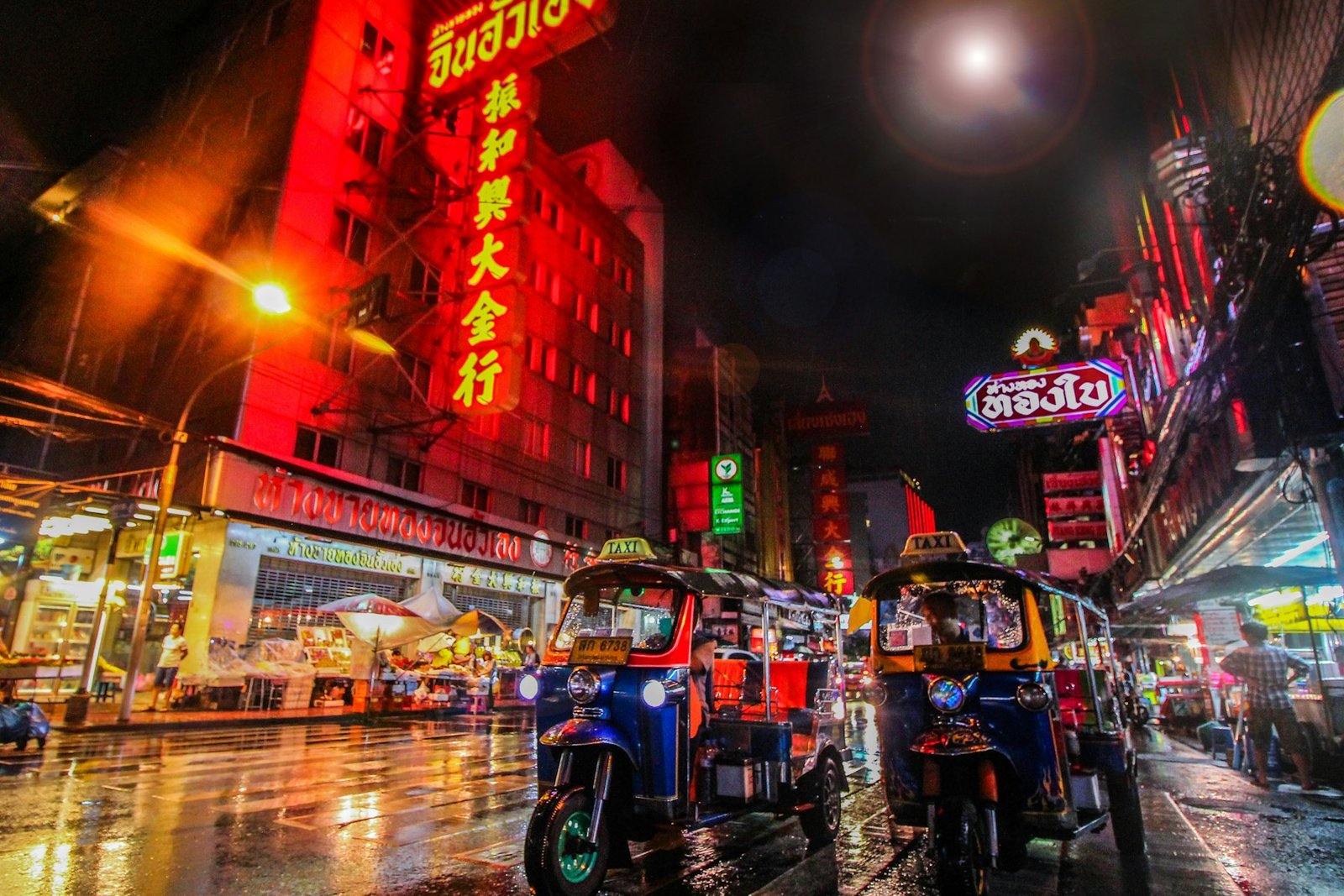
Chinatown and food streets
Markets, shrines, gold shops, and evening food reveal layered commerce. Allow half day. Choose hygienic busy stalls. Confirm Grand Palace and Wat Phra Kaew access, reservation rules, and inclusions through the responsible Bangkok source. On a short Bangkok trip, keep Chinatown and food streets only when the day’s access and energy support it.
Canal or river journey
Water routes show older neighborhoods away from major roads. Allow 2–4 hours. Use official piers or licensed tours. Confirm Grand Palace and Wat Phra Kaew access, reservation rules, and inclusions through the responsible Bangkok source. On a short Bangkok trip, keep Canal or river journey only when the day’s access and energy support it.
Chatuchak or a focused market
A planned visit can cover design, clothing, plants, and food. Allow 3–5 hours. Check operating days. Confirm Grand Palace and Wat Phra Kaew access, reservation rules, and inclusions through the responsible Bangkok source. Chatuchak or a focused market should remain only if it fits the same Bangkok area without rushing another priority.
A PRACTICAL ROUTE
Suggested itinerary
Arrive and orient
Settle into Riverside or Old Town edge and orient around Riverside or Old Town edge; leave Grand Palace and Wat Phra Kaew for its planned day.
Grand Palace and Wat Phra Kaew
Start Grand Palace and Wat Phra Kaew in its strongest Bangkok window; keep the rest of that day near Riverside or Old Town edge.
Wat Pho and riverside temples
Build the day around this experience and Chinatown and food streets, allowing a real meal and transport buffer.
Canal or river journey
Explore this geographic cluster and keep the evening close to Sukhumvit rather than crossing Bangkok again.
Flexible Bangkok day
Use the remaining conditions for Chatuchak or a focused market, revisit a favorite area, or preserve this as a disruption buffer.
REALISTIC BUDGET
Estimated travel costs
Bangkok costs move most with November–February, booking timing, taxes, and the precise location of a room in Riverside or Old Town edge. Recalculate Bangkok’s dollar comparison when booking. The figures here convert THB at August 1, 2026 reference rates and exclude later card charges.
TRAVEL WELL
Practical travel tips
- Ignore strangers who claim a major attraction is closed
- Carry a light temple cover
- Use official taxi queues, rail, or licensed apps
- Schedule outdoor temples early
- Keep screenshots of the Bangkok accommodation address, official bookings, and last dependable transport.
- Recheck extreme heat, monsoon flooding, taxi scams, traffic, dress-code issues, and river-level changes before every exposed or long-distance day in Bangkok.
- Use documented Bangkok transport and share any late return or remote visit to Grand Palace and Wat Phra Kaew with someone you trust.
- Protect one flexible block in the Bangkok itinerary instead of filling every hour with reservations.
COMMON QUESTIONS
Bangkok travel FAQ
How many days do you need in Bangkok?
4–5 days is a practical first-visit range for Bangkok. A trip shorter than 4–5 days should prioritize one base and Grand Palace and Wat Phra Kaew; use additional days for rest, weather changes, or transport delays.
Is Bangkok expensive?
A realistic daily planning range is ฿1,700–฿3,000 (about US$52–92) budget; ฿4,300–฿8,500 (about US$132–262) mid-range, per person. In Bangkok, the biggest budget jumps usually come from room location, peak dates, private bts skytrain, and guided access to Grand Palace and Wat Phra Kaew.
Do you need a car in Bangkok?
No car is needed. Rail, river boats, taxis, buses, and walking are more practical.
What is the best month to visit Bangkok?
January usually offers lower humidity and less rain, though air quality still needs checking.
Is Bangkok safe for solo female travelers?
Bangkok can work well for prepared solo women. For Bangkok, document the ride to Grand Palace and Wat Phra Kaew, carry valuables discreetly, share remote plans, and follow current advice.
What should you book in advance for Bangkok?
Reserve high-demand hotels, river experiences, major dining, and limited cultural workshops.
KEEP EXPLORING
Related The Wander Muse guides
PLAN WITH CURRENT INFORMATION
Official resources
For Bangkok, opening hours, fares, permits, weather rules, and transport arrangements can change. Recheck current Bangkok operating information below, especially before reserving Wat Pho and riverside temples.