START HERE
Why visit Porto
Porto is compact enough for a long weekend yet layered enough to reward a slower stay. Steep tiled streets, riverfront warehouses, contemporary food, historic churches, and easy rail connections create a city break that suits couples, solo travelers, architecture lovers, and first-time Portugal visitors. Three days cover the historic center, Vila Nova de Gaia, and one focused museum or food experience; four or five days allow the Atlantic coast or a Douro Valley excursion without compressing the city. This guide explains airport transfers, the Andante transport system, which side of the river makes the best base, realistic euro and dollar budgets, and an itinerary designed around Porto’s hills. The main practical issue is elevation: short distances can involve stairs and cobbles, so group upper-city and riverfront sights rather than climbing between them repeatedly.
AT A GLANCE
Porto quick travel summary
Porto prices are planning ranges in euros with rounded U.S.-dollar comparisons. Exchange rates, river-cruise dates, festivals, accommodation demand, and transport products change, so verify current amounts before payment.
WHEN TO GO
Best time to visit
Spring (March–May)
Spring brings gardens, mild walking temperatures, and increasing daylight, but rain remains possible. Easter and long weekends raise demand, while ordinary weekdays can offer good value. Use this period for hillside walks, markets, and the Atlantic coast. Carry a light waterproof layer and shoes with grip because polished stone and steep streets become slippery.
Summer (June–August)
Summer is warm, dry, and busy, especially around São João festivities and European school holidays. Riverfront accommodation, tastings, and Douro excursions sell early. Midday heat makes steep climbs tiring, while evenings stay lively. Reserve fixed activities, walk the upper city in the morning, and use the metro, funicular, or bus instead of treating every hill as mandatory.
Fall (September–November)
September and early October often combine warm days with fewer family crowds and an active harvest season in the wider Douro region. Rain increases later in fall, and daylight shortens. Prices can stay high around events and wine travel. This is an excellent period for food, viewpoints, and a day trip, provided the itinerary keeps an indoor alternative.
Winter (December–February)
Winter is cooler, wetter, and quieter outside Christmas and New Year. Hotel value improves, but heavy rain and wind can disrupt river activities, viewpoints, and coastal plans. Museums, churches, cafes, and markets become more useful. Pack a real waterproof jacket, confirm reduced attraction hours, and avoid building the entire trip around a single cruise.
ARRIVING
How to get there
Francisco Sá Carneiro Airport connects with central Porto via Metro do Porto’s Line E, with travel products based on zones and validation rules. The airport’s official transport page and Metro do Porto should be checked for the current frequency, service window, and required ticket. A taxi or app-based ride is simpler for late arrivals, heavy luggage, or accommodation far from a station. Long-distance trains generally use Campanhã, while some services continue to São Bento in the historic center; local rail or metro connections bridge the stations. Travelers arriving from Lisbon should reserve discounted intercity fares early when dates are fixed. Driving is rarely helpful inside central Porto because one-way streets, restricted zones, hills, and parking complicate a short visit.
MOVING AROUND
Getting around
Walking is essential for the historic center, but it should be combined with metro, bus, funicular, tram, or taxi when elevation becomes inefficient. Buy the correct Andante product for the zones traveled and validate it as required; do not assume one card can be shared simultaneously. São Bento, Trindade, Bolhão, and Jardim do Morro are useful orientation points. Vila Nova de Gaia’s riverside is reached across the lower bridge deck or by descending from the upper level. Cars are unnecessary for central sightseeing. Travelers with limited mobility should study step-free station access and use taxis between upper and lower districts because cobbles and stairs remain significant.
CHOOSE A BASE
Where to stay
Baixa and Aliados — best for first-time visitors
Baixa places São Bento, Clérigos, Bolhão, restaurants, and several metro connections within a central walking radius. It offers the easiest first-visit logistics and lively evenings. Hills, street noise, and premium weekend rates are the main disadvantages. Choose a room away from nightlife streets if sleep matters.
Cedofeita and Bonfim — best for local atmosphere and value
Cedofeita has galleries, cafes, and access to the upper center, while Bonfim feels more residential and connects well through metro and buses. Both can provide better value than the immediate riverfront. They require additional walking and are less convenient for repeated Douro crossings. These areas suit repeat visitors, solo travelers, and food-focused stays.
Ribeira or Vila Nova de Gaia — best for river scenery
Ribeira gives postcard views and immediate riverfront access; Gaia offers cellar districts and city panoramas from across the Douro. Both feel special at night, but steep access, crowds, and higher scenic-room prices can reduce convenience. Stay here for atmosphere and couples’ trips, not when easy step-free transport is the priority.
PLAN YOUR DAYS
Best things to do
Ribeira and the Dom Luís I Bridge
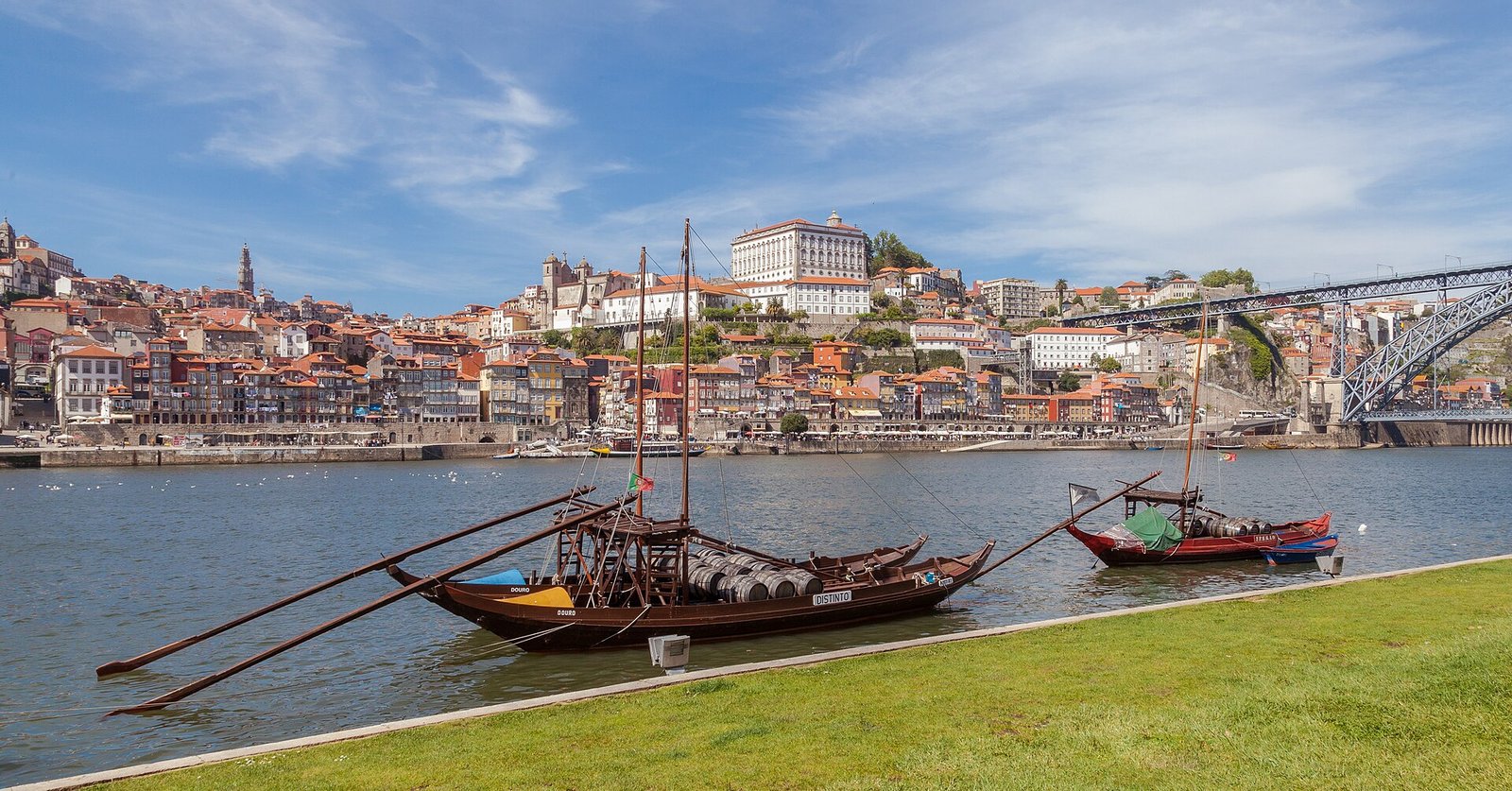
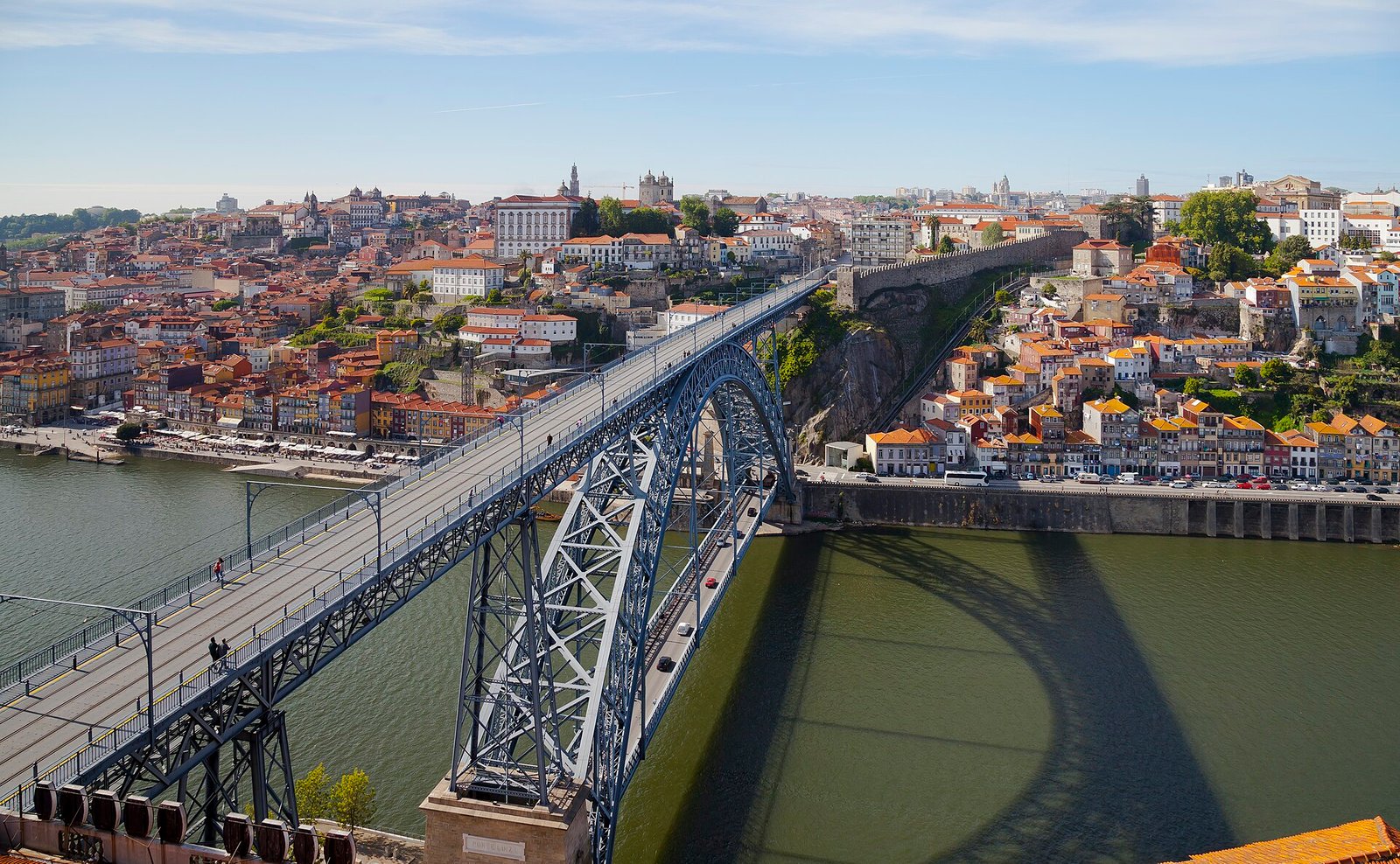
The riverfront and bridge form Porto’s defining urban landscape. Allow two to three hours for a slow walk, viewpoints, and the crossing, ideally early morning before tour groups or near sunset. The upper deck is exposed to wind and height, while the lower level is easier for the riverfront. No reservation is needed, but use designated walkways and avoid stopping where pedestrian flow narrows.
São Bento, Clérigos, and the upper historic center
São Bento’s tile panels, nearby churches, Clérigos, and surrounding lanes can fill half a day. Visit São Bento outside commuter peaks and check ticket or time-slot requirements for towers and interiors. Morning produces calmer streets. Dress respectfully for active churches and do not block station passengers while photographing the main hall.
Bolhão Market and food neighborhoods
Mercado do Bolhão provides a practical introduction to produce, prepared food, and city routines. Allow one to two hours, preferably earlier in the day, then continue through nearby shops rather than treating the market as a staged attraction. Opening days and vendor hours vary. Food-focused travelers should reserve only one major tasting so spontaneous neighborhood meals remain possible.
Vila Nova de Gaia cellars
Gaia’s lodges explain port wine production and offer structured tastings. Choose a producer and experience level rather than attempting several consecutive tours. Allow two to three hours including the river crossing, and reserve popular English-language slots. Alcohol-free visitors can still enjoy the architecture and viewpoints. Eat beforehand, pace tastings, and use public transport or walk rather than drive.
Foz do Douro and the Atlantic
Foz shifts the trip from dense historic streets to promenades, beaches, and Atlantic light. Reach it by bus, historic tram when operating, taxi, or a long riverside walk. Allow half a day and check wind and surf conditions. Swimming conditions are not guaranteed, and the ocean can be rough. This excursion suits travelers needing space after two days in the center.
A PRACTICAL ROUTE
Suggested itinerary
Baixa, São Bento, and Ribeira
Begin in the upper center around Bolhão and São Bento, then move downhill through historic streets toward Ribeira. Cross the lower bridge deck for evening views from Gaia, avoiding an unnecessary climb back and forth during the same afternoon.
Clérigos, Cedofeita, and city food
Visit Clérigos or a chosen museum in the morning, continue west through Cedofeita, and reserve the afternoon for independent shops and cafes. Return through the upper center for dinner rather than descending to the river again.
Gaia and a focused cellar visit
Cross the upper bridge level toward Jardim do Morro in morning light, descend through Gaia, and attend one reserved cellar tour. Keep the rest of the day for the waterfront, a short cruise if conditions are good, and a relaxed return.
Atlantic coast or Douro day trip
Choose Foz for a low-logistics half-day or reserve a Douro rail, boat, or guided excursion. Do not combine both. Travelers using independent rail should confirm the return and station before leaving the city.
REALISTIC BUDGET
Estimated travel costs
Porto dollar equivalents use the late-July 2026 ECB reference rate and are rounded planning comparisons. Recheck exchange rates, transport zones, attraction hours, and cellar or Douro cancellation terms.
TRAVEL WELL
Practical travel tips
- Wear shoes with grip; Porto’s polished stone, cobbles, slopes, and rain make fashionable smooth soles impractical.
- Validate Andante tickets according to current rules and buy the correct zones for airport or suburban journeys.
- Group the upper city, Ribeira, and Gaia separately so the route does not repeat steep climbs.
- Reserve one cellar tour rather than stacking multiple tastings, and never drive after alcohol.
- Cards are common, but keep small euro notes or coins for minor purchases and temporary terminal problems.
- Lunch and dinner times may be later than some American visitors expect; verify kitchen hours instead of assuming all-day service.
- Solo women travelers should use well-lit central routes late at night and choose a taxi or verified ride for steep, quiet streets after venues close.
- Step-free access varies in historic buildings and stations; contact attractions directly when elevators or accessible entrances are essential.
COMMON QUESTIONS
Porto travel FAQ
How many days do you need in Porto?
Three days cover the historic center, Gaia, and major viewpoints. Four or five days allow the Atlantic coast or a Douro excursion without rushing the city.
Is Porto walkable?
The central sights are geographically close but very hilly. Walking works best when the day moves downhill or stays within one level, with metro, funicular, bus, or taxi used strategically.
Do you need a car in Porto?
No for the city. Metro, buses, trains, walking, and occasional taxis are easier than parking. Rent a car only for a wider regional route that public transport cannot serve efficiently.
Is Porto expensive?
Porto is often less expensive than major northern European cities, but river-view rooms and summer weekends can be costly. Local restaurants, transit, and free viewpoints keep budgets flexible.
What is the best month to visit Porto?
May, June, September, and early October usually balance weather and daylight. Rain is possible in every season, and festival or harvest dates increase demand.
Is Porto safe for solo female travelers?
Central Porto is generally manageable with normal city precautions. Watch valuables in crowded transport, avoid poorly lit steep lanes late at night, and use verified transport after nightlife.
KEEP EXPLORING
Related The Wander Muse guides
CHECK BEFORE DEPARTURE
Sources and official resources
Schedules, fares, closures, access rules, and reservations affecting Porto can change. Recheck the official resources below shortly before departure.