START HERE
Why visit Madrid
Madrid offers a rare combination of major art collections, monumental public spaces, late-night food culture, and neighborhoods that remain lively well beyond the ceremonial center. It suits museum lovers, couples, solo travelers, food-focused visitors, and first-time Spain itineraries because rail connections make onward travel straightforward. Three days cover the Prado, royal Madrid, Retiro, and one evening neighborhood; four to six allow deeper museums, markets, and a carefully chosen day trip. This guide explains the city’s seasonal heat, airport and station transfers, public transport, accommodation areas, reservations, realistic euro costs, and an itinerary designed around Spanish opening and dining rhythms. The key preparation is timing: summer afternoons can be punishing, many independent businesses pause or change hours, and the most popular museum and palace slots sell out, so reserve the fixed entries and leave meals flexible.
AT A GLANCE
Madrid quick travel summary
Madrid budgets below are planning ranges, not quotes. For Madrid, exchange rates, taxes, seasonal demand, event dates, and operator terms can change the final amount, so confirm current details before booking.
WHEN TO GO
Best time to visit
Spring (March–May)
Spring brings mild-to-warm days, flowering parks, rain showers, and excellent walking conditions. Easter, public holidays, football, and major events can increase prices and crowds. Reserve museums and the Royal Palace, carry a light waterproof layer, and expect cool evenings. May is lively but can become hot by late month.
Summer (June–August)
Summer is hot, dry, and bright, with afternoon temperatures capable of making exposed sightseeing uncomfortable. Some residents leave in August and independent businesses may reduce hours, while major attractions remain busy. Start outdoors early, use museums during peak heat, rest in late afternoon, and resume after sunset. Air-conditioned accommodation is worth confirming before booking.
Fall (September–November)
September and October often offer warm days, cooler evenings, and a full cultural schedule. Crowds remain significant at headline museums, but conditions are more comfortable than midsummer. November is quieter and cooler with occasional rain. Retiro Park, neighborhood walks, and day trips are strong choices, with advance rail booking important on busy weekends.
Winter (December–February)
Winter is generally cool and dry, with cold nights and occasional rain. Holiday periods bring lights, markets, and crowds, while January and February can offer better hotel value. Museums, food halls, and performances create an easy indoor itinerary. Pack a warm layer and remember that daylight is shorter for Toledo or Segovia excursions.
ARRIVING
How to get there
Adolfo Suárez Madrid–Barajas Airport connects to the city by Metro, Cercanías rail from Terminal 4, airport express bus, taxi, and private transfer. The best option depends on terminal, hotel location, luggage, arrival time, and planned transfers. Metro can be economical but may require stairs and line changes; the train is convenient for stations on its route; the official airport bus operates to central stops under its published schedule. Licensed taxis use official airport arrangements—confirm current terms rather than accepting unsolicited offers. High-speed and regional trains arrive mainly at Atocha or Chamartín, with works sometimes shifting platforms or services. Buy long-distance tickets through official rail operators and reserve popular routes early; do not schedule a museum entry immediately after an intercity arrival.
MOVING AROUND
Getting around
Madrid’s Metro is extensive, frequent, and useful for nearly every visitor district. EMT buses fill surface gaps, while Cercanías trains are valuable for selected suburbs, stations, and airport travel. A tourist travel pass can make sense for repeated journeys, but compare its zones and validity with single or multi-trip options on the official site. Central Madrid is walkable, although daily distances grow quickly between the Royal Palace, museum triangle, and neighborhoods. Shared bikes suit confident riders familiar with traffic. Taxis are regulated and useful late at night. A rental car is unnecessary and restricted by low-emission and parking rules in central areas. Travelers needing step-free routes should inspect specific station accessibility rather than assuming every interchange has lifts.
CHOOSE A BASE
Where to stay
Centro, Sol, or Gran Vía — best for first-time visitors
These areas place major sights, theaters, shops, and many Metro lines close together. They suit short stays and travelers who want to walk home after dinner. Noise, crowds, small rooms, and premium prices are common. Choose a side street and confirm soundproofing if sleep matters.
Retiro or Barrio de las Letras — best for museums and calmer evenings
Barrio de las Letras sits between the museum triangle and central dining streets, while Retiro offers a more residential edge beside the park. Both work well for art-focused couples and solo visitors. Rates remain high, and some nightlife streets can still be noisy, but the daytime location is excellent.
Malasaña, Chueca, or Lavapiés — best for nightlife and neighborhood culture
Malasaña and Chueca offer bars, design, LGBTQ+ culture, and late evenings; Lavapiés adds multicultural food and independent arts. They suit repeat visitors and travelers prioritizing nightlife. Noise, steep or uneven streets, and block-by-block atmosphere require careful hotel selection. Stay close to the Metro route needed most.
PLAN YOUR DAYS
Best things to do
Museo Nacional del Prado
The Prado’s collection of Spanish and European painting is one of Madrid’s defining experiences. Allow three to four hours for a focused visit rather than attempting every gallery. Reserve an official timed ticket for mornings, weekends, and holidays, and identify a short priority list before entry. Limited free periods may draw long queues and are not always the best use of a short trip.
Royal Palace and Almudena Cathedral area
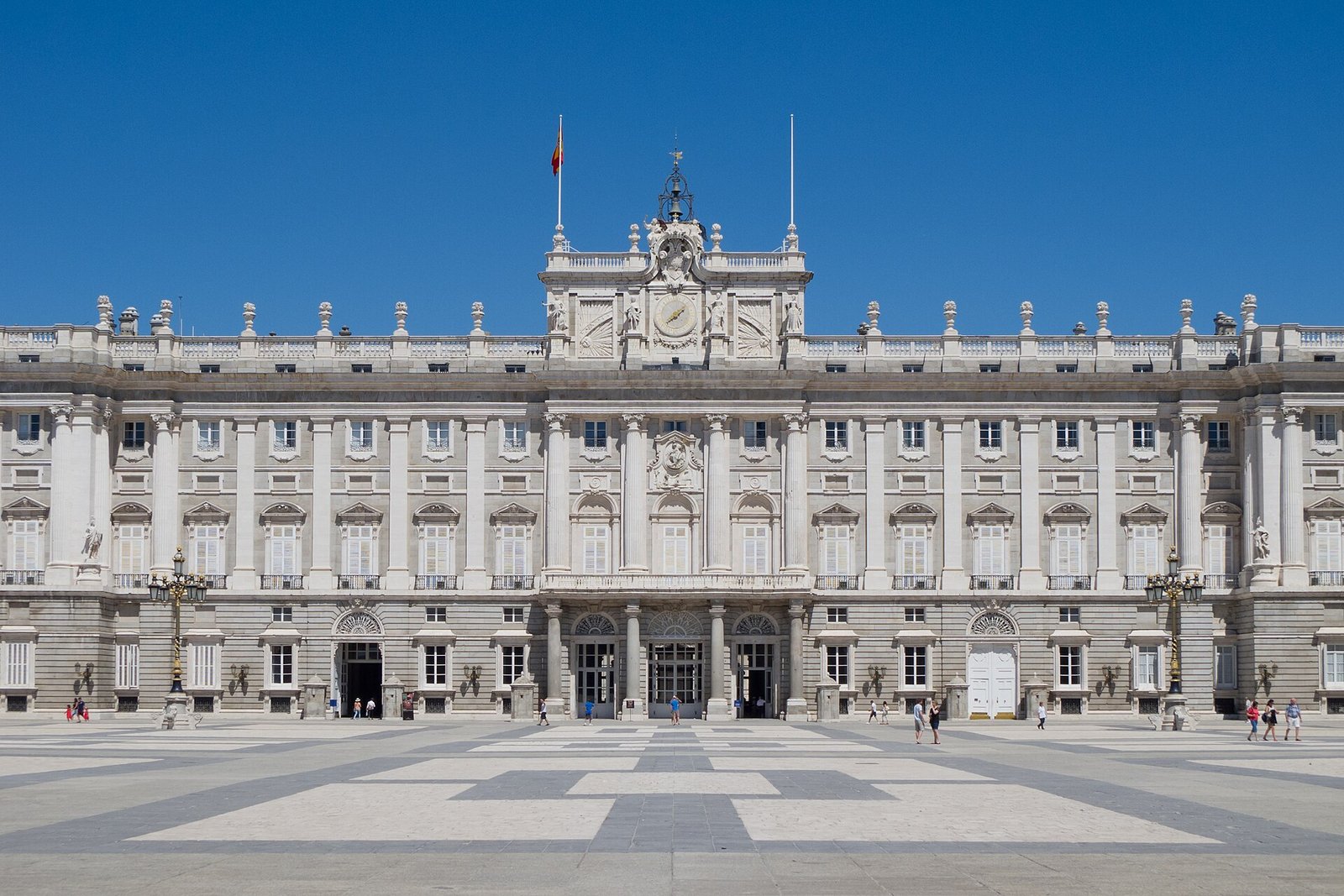
Royal apartments, ceremonial rooms, the armory, plazas, and viewpoints explain Madrid’s royal history. The palace visit generally needs 90 minutes to two hours plus screening. Buy through Patrimonio Nacional, check closure notices for official events, and arrive early. Combine the area with Plaza Mayor or La Latina rather than crossing to the Prado the same morning.
Retiro Park and the museum triangle
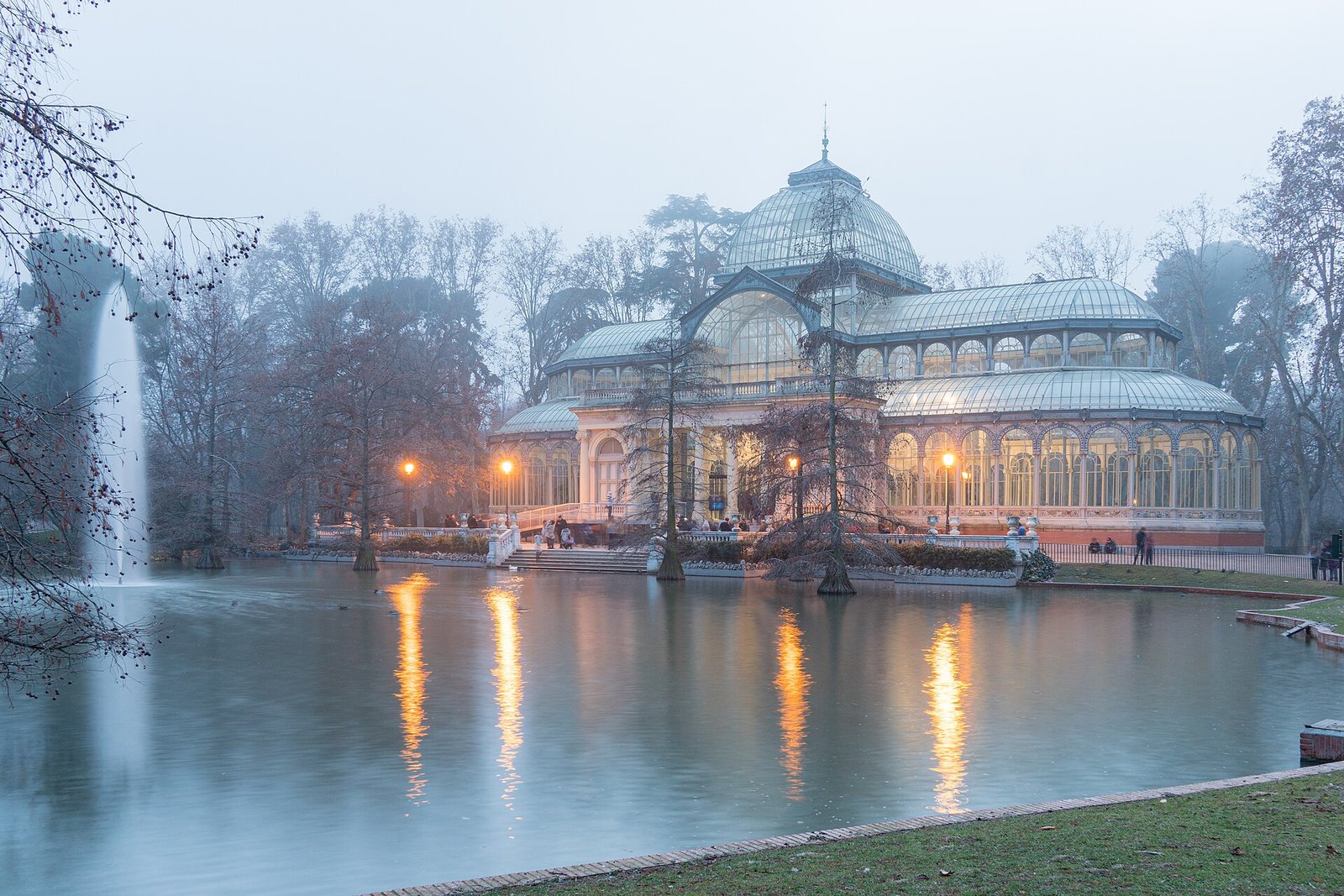
Retiro’s avenues, lake, gardens, and monuments provide essential outdoor relief beside the Prado, Reina Sofía, and Thyssen-Bornemisza. Allow two hours for the park alone. Morning or late afternoon avoids the harshest summer heat. Public park access is free, while special buildings and exhibitions follow their own schedules.
Reina Sofía or Thyssen-Bornemisza Museum
Choose according to interest: Reina Sofía emphasizes modern and contemporary art, including Picasso’s Guernica, while the Thyssen bridges periods and styles. Allow two to three hours for either. Reserve popular slots and check gallery closures. Pairing one with the Prado on the same day is possible but tiring; a second museum morning is often more rewarding.
Markets, tapas, and neighborhood evenings
Madrid’s food culture is not confined to one tourist market. Use a market for lunch or ingredients, then explore taverns in La Latina, Chamberí, Lavapiés, or another compact area. Dinner starts later than in much of northern Europe or the U.S. Reserve high-demand restaurants, but leave room for one or two spontaneous stops. Never assume a busy bar means poor service; ordering rhythms differ.
A PRACTICAL ROUTE
Suggested itinerary
Royal Madrid
Start at the Royal Palace with a reserved entry, continue through Plaza Mayor and nearby historic streets, and finish with a La Latina or Centro dinner. Keep the route west of Sol.
Prado and Retiro
Enter the Prado in the morning, take a long lunch, and walk Retiro Park later when the light and temperature improve. Spend the evening in Barrio de las Letras.
Modern art and neighborhood life
Visit Reina Sofía or the Thyssen, then choose Lavapiés, Chueca, or Malasaña for a focused afternoon and evening. Avoid trying to sample all three nightlife districts.
Deeper Madrid
Add a market, the Sorolla Museum when its current location and access fit, a football-related visit, or a less central district. Verify every institution’s present opening status.
Day trip or slower city time
Use official rail for Toledo, Segovia, or another single destination, allowing station and ticket buffer. Keep the other day for a missed museum, park, food experience, or schedule recovery.
REALISTIC BUDGET
Estimated travel costs
USD equivalents for Madrid are rounded planning comparisons where shown. For Madrid, check local tax, gratuity, accommodation fees, and cancellation terms before payment.
TRAVEL WELL
Practical travel tips
- Book the Prado, Royal Palace, and popular rail day trips through official sites. Screen captures from unauthorized resellers may not solve an invalid ticket.
- Adapt to local hours: lunch and dinner are later, while small shops and independent businesses may pause or change schedules.
- In summer, schedule exposed plazas before 11 a.m. or toward evening. Carry water, seek shade, and verify that accommodation has effective air conditioning.
- Cards are widely accepted, but small purchases may have a minimum. Carry some euros and decline home-currency conversion when the rate is unclear.
- Watch belongings in crowded Metro cars, markets, and around major squares. Use a zipped bag and keep phones away from table edges.
- Madrid’s tap water is generally used by residents and can reduce plastic waste; follow any current local notice if conditions change.
- Metro accessibility differs by station and interchange. Confirm lift routes when traveling with luggage, a stroller, or limited mobility.
- Solo female travelers commonly use central Madrid late into the evening, but should manage drinks, choose active streets, and use licensed taxis or verified apps for quiet final routes.
COMMON QUESTIONS
Madrid travel FAQ
How many days do you need in Madrid?
Three days cover the Prado, royal center, Retiro, and selected neighborhoods. Four to six days provide a better museum pace and room for one rail day trip.
Is Madrid expensive to visit?
Madrid is moderately priced by western European capital standards, but central hotels and major events can be costly. Menu del día lunches, Metro travel, and free parks help.
Do you need a car in Madrid?
No. Metro, buses, walking, Cercanías trains, and taxis cover the city. A car adds parking and low-emission-zone complexity and is unnecessary for rail-served day trips.
What is the best month to visit Madrid?
May, late September, and October usually offer warm days without peak summer heat. Easter, holidays, football, and events still affect prices and crowds.
Should you book Madrid museums in advance?
Yes for the Prado, Royal Palace, major temporary exhibitions, and weekend slots. Advance booking reduces uncertainty even when limited free admission periods exist.
Is Madrid safe for solo female travelers?
Many women visit independently. Central areas remain active late, but pickpocketing is a concern in crowded places. Use standard precautions and verified transport when needed.
KEEP EXPLORING
Related The Wander Muse guides
CHECK BEFORE DEPARTURE
Sources and official resources
Schedules, fares, closures, and timed-entry systems affecting Madrid can change. Recheck the official resources below shortly before departure.