START HERE
Why visit Bilbao
Bilbao has transformed an industrial river valley into one of Europe’s strongest compact city breaks without losing its Basque character. Contemporary architecture, major art, an atmospheric old quarter, markets, football culture, and quick access to the Bay of Biscay make it rewarding beyond the Guggenheim. The city suits couples, solo travelers, design enthusiasts, food lovers, and rail or road trips across northern Spain. Four days allow the principal museums, Casco Viejo, a modern neighborhood day, and one coastal excursion. This guide explains Atlantic weather, airport access, Metro use, accommodation areas, realistic costs, and an efficient itinerary. The planning key is meal timing and weather: kitchens, pintxo bars, museums, and shops follow local rhythms, while rain can arrive quickly. Reserve only a few priorities and move indoor and outdoor blocks as the forecast changes.
AT A GLANCE
Bilbao quick travel summary
Hotel, restaurant, museum, and transport prices vary around events and weekends. Use these euro ranges for planning and verify fares, tickets, service charges, and cancellation terms.
WHEN TO GO
Best time to visit
Spring (March–May)
Spring is green and increasingly mild, but Atlantic rain and cool evenings remain frequent. Easter and May weekends bring domestic visitors. Prices are moderate outside major events. This season suits museums, riverside walks, and coastal villages with a rain backup. Pack a waterproof jacket rather than only an umbrella, and check holiday restaurant and museum hours.
Summer (June–August)
Summer has long days, lively streets, festivals, and the best chance of beach weather, though rain is still possible. August events can raise demand and change traffic or opening patterns. Reserve central lodging and popular restaurants, start museums early, and expect crowded coastal Metro trains on sunny weekends. Temperatures are generally milder than inland Spain but occasional heat occurs.
Fall (September–November)
September often retains warm, comfortable conditions with strong food and cultural activity. Rain and shorter days increase through October and November, while prices soften outside events. Coastal walks and day trips remain rewarding with flexible planning. Carry layers, verify seasonal boat or funicular operations, and use museums when storms make exposed viewpoints unappealing.
Winter (December–February)
Winter is cool, wet, and occasionally windy, with fewer visitors outside Christmas and New Year. Museums, pintxo bars, markets, and football keep the city active. Mountain and coast views are less predictable. Waterproof shoes and a reliable outer layer are essential. Confirm holiday closures and allow extra transport time during severe rain.
ARRIVING
How to get there
Bilbao Airport lies outside the city and is connected by official airport buses, taxis, rental cars, and regional services listed by Aena and local operators. Bus stops and fares should be checked for the travel date; a central journey is generally straightforward but traffic affects timing. Bilbao-Abando receives long-distance and regional rail, while other stations serve local networks, so confirm the station name on every ticket. Intercity buses use Bilbao Intermodal, connected with Metro and tram services. The easiest airport arrival for most visitors is the direct bus followed by a short walk or Metro connection; a taxi is convenient for late flights or heavy luggage. A rental car is unnecessary in central Bilbao and best collected only for a wider Basque road trip. Leave a buffer around flight transfers because airport buses use roads shared with city traffic.
MOVING AROUND
Getting around
Metro Bilbao links central districts with residential areas and coastal destinations such as Getxo, while trams and buses fill urban gaps. Euskotren and other regional services support selected day trips. Use current operator maps, zones, payment products, and service alerts because not every ticket covers every network. The riverfront, Ensanche, and Casco Viejo are walkable, though steep streets appear beyond the center. The Artxanda funicular provides a quick elevation change and city view when operating. Taxis are useful after late meals, while a rental car adds parking cost. For a four-day trip, walk by district, use Metro for the coast, and avoid buying a pass until comparing actual journeys.
CHOOSE A BASE
Where to stay
Ensanche or Abando — best for first-time visitors
The central grid places the Guggenheim, shopping, riverfront, Abando station, and many restaurants within a comfortable walk. It suits first-time visitors, couples, and short business extensions. Rates are high on event weekends and some broad avenues carry traffic noise. Choose a side street or upper-floor room if quiet matters.
Casco Viejo — best for atmosphere and pintxo evenings
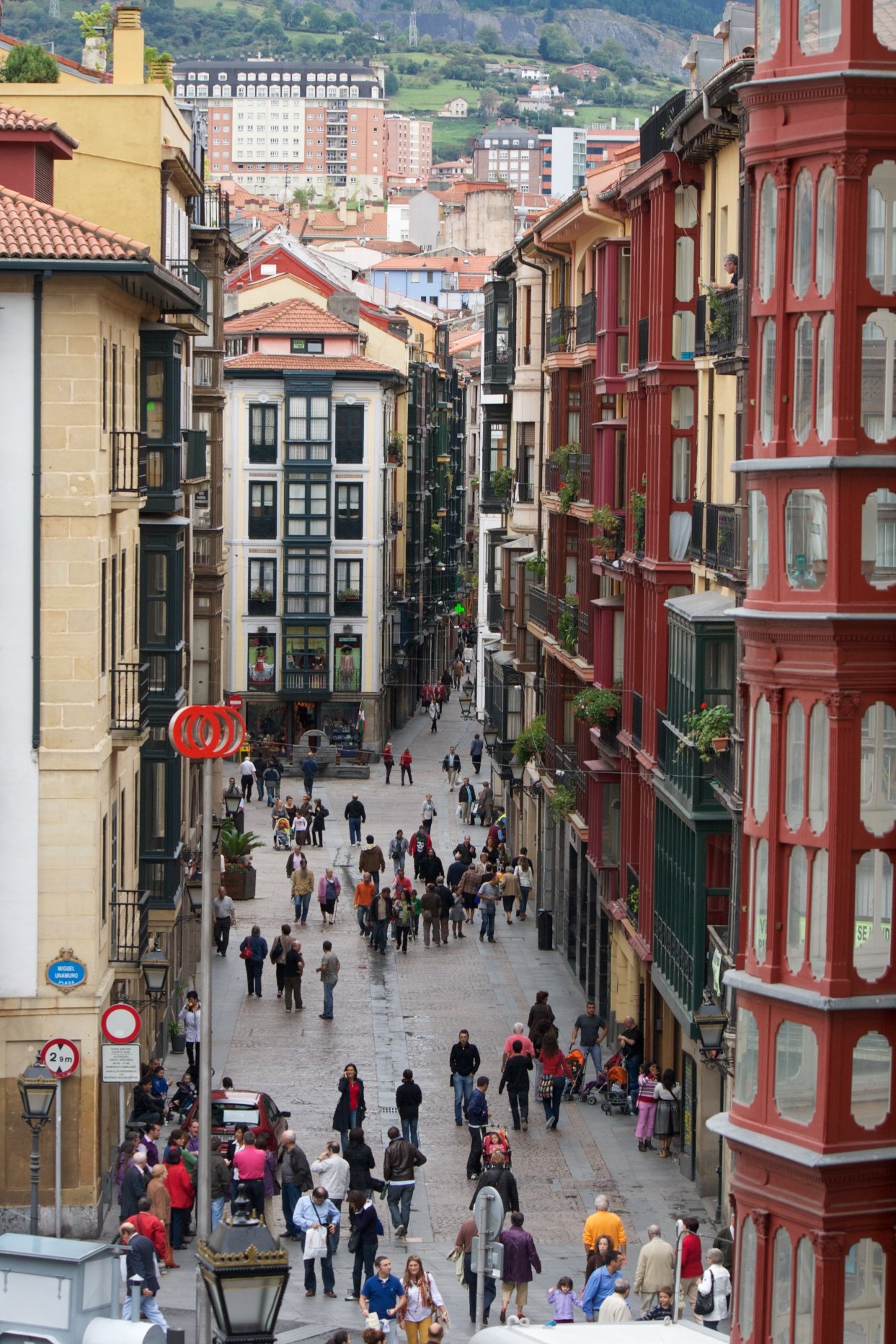
The Seven Streets area offers historic lanes, markets, churches, bars, and easy Metro access. It suits food travelers and visitors who want character outside the hotel door. Weekend noise, cobbles, and compact historic rooms are drawbacks. Confirm lift access and request a room away from bar clusters if early sleep is important.
Indautxu or Deusto — best for value and local convenience
Indautxu combines transport, restaurants, and a lived-in central district; Deusto sits across the river near university life and can offer better value. Both suit repeat visitors or longer stays. The oldest sights require a short Metro ride or longer walk. Map the exact station entrance and late-night route before booking.
PLAN YOUR DAYS
Best things to do
Guggenheim Museum Bilbao
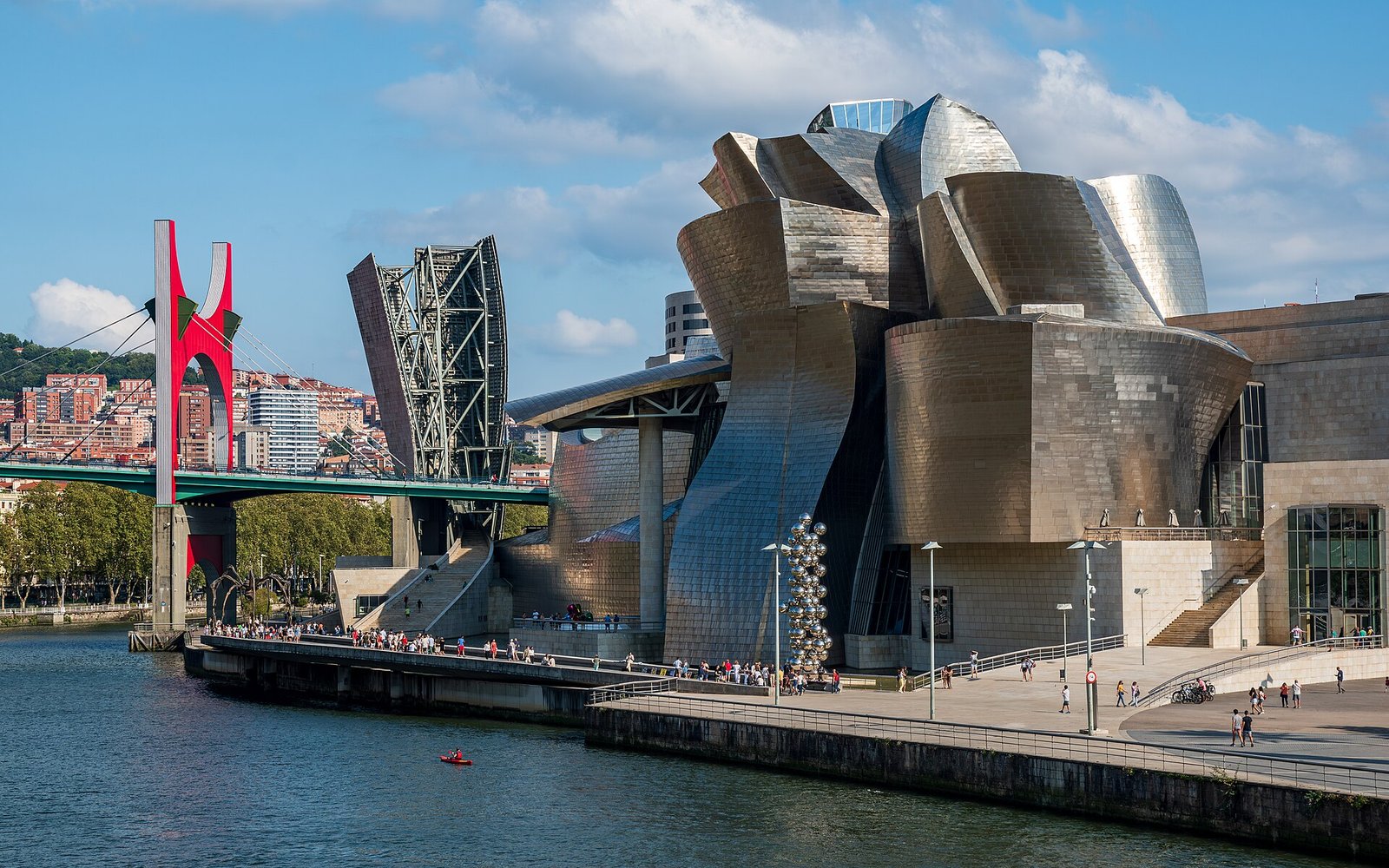
Frank Gehry’s building, riverside setting, and modern collection form the city’s signature visit, but exhibitions should determine the time spent inside. Allow two to four hours and reserve a suitable entry slot during busy periods. Morning reduces crowd pressure. Check gallery closures and photography rules officially. Architecture-focused visitors should walk the exterior from multiple river angles before or after the galleries.
Casco Viejo and Mercado de la Ribera
The historic center rewards a half-day of churches, arcades, river views, and market browsing. Visit the market during active food hours rather than late when stalls may be closed. Religious interiors and individual attractions keep separate schedules. Wear shoes suited to wet stone, respect residents, and move beyond one crowded plaza for a more balanced view of the neighborhood.
Pintxo route
A pintxo outing works best as a sequence of two or three bars, ordering one or two specialties at each, rather than settling into the busiest doorway. Allow two to three hours and follow local meal timing. Ask what is prepared fresh, keep track of the bill system, and mention allergies clearly. Guided routes can help first-time visitors understand Basque ingredients and etiquette.
Artxanda viewpoint and river walk
The funicular and hilltop viewpoint provide an efficient overview of Bilbao’s valley geography. Combine it with a river walk and allow two to three hours. Visibility is best on a clear morning or after rain, while strong weather can reduce value. Check funicular operations and avoid exposed edges. It suits photographers, families, and visitors needing a lighter activity between museums.
Getxo, Portugalete, and the coast
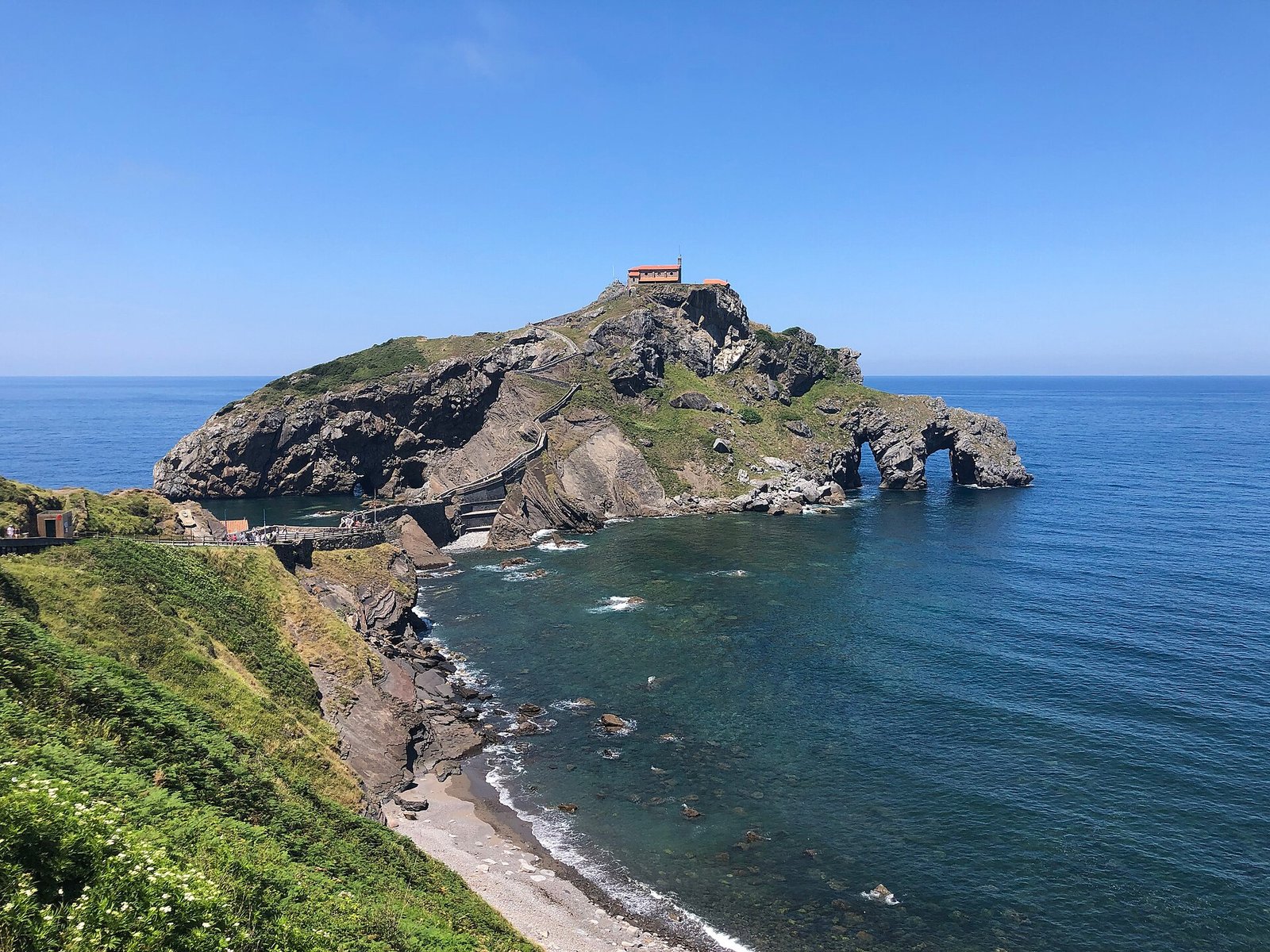
Metro access makes the estuary and coast an easy full-day excursion. The UNESCO-listed Vizcaya Bridge, waterfront districts, and beaches can be combined without a car when routes are planned. Check bridge operations, tides, and beach conditions officially. Sunny weekends are crowded. Walk one coherent section rather than attempting every coastal town, and carry wind protection even in summer.
A PRACTICAL ROUTE
Suggested itinerary
Riverfront and Ensanche
Arrive, walk a manageable river section, explore central streets, and reserve dinner nearby. Save the major museum for a rested morning.
Guggenheim and Artxanda
Enter the Guggenheim early, take a long lunch, then use the funicular and return along the river if weather remains clear.
Casco Viejo and food
Visit the market and historic lanes in the morning, choose one cultural interior, and return in the evening for a deliberate pintxo route.
Estuary and coast
Take Metro toward Portugalete or Getxo, cross or view the Vizcaya Bridge, and continue to one waterfront or beach area before returning.
REALISTIC BUDGET
Estimated travel costs
A budget traveler using simple lodging and casual bars can plan around €85–140 per person per day. A mid-range trip with a shared central hotel, museum admissions, varied pintxos, a restaurant dinner, and coastal transit commonly reaches €185–330. Festival and football dates can exceed this range. Compare taxes, breakfast, museum bundles, and card conversion before payment. Treat Bilbao’s dollar figures as orientation. They convert Euro (EUR) at August 1, 2026 reference rates for Bilbao, before later market movement or payment fees.
TRAVEL WELL
Practical travel tips
- Carry a waterproof layer in every season; Atlantic rain can begin before an umbrella is practical.
- Learn basic Spanish or Basque greetings and avoid assuming every small bar uses English ordering.
- Move between pintxo bars politely, pay according to the venue’s system, and do not crowd the counter after finishing.
- Cards are common, but carry euros for small purchases and choose euro billing over unfavorable conversion.
- Reserve the Guggenheim and a few priority meals on busy dates, leaving neighborhood walks flexible.
- Check football, festival, and conference calendars because they affect rooms, transport, and street access.
- Use official coastal weather and beach guidance rather than judging swimming conditions from the city forecast.
- Solo travelers should use normal nightlife precautions and choose a verified taxi after very late meals if Metro service is limited.
COMMON QUESTIONS
Bilbao travel FAQ
How many days do you need in Bilbao?
Three days cover the Guggenheim, Casco Viejo, food, and the riverfront. Four or five days allow the coast, more museums, and a slower pace.
Is Bilbao worth visiting?
Yes. Its art, architecture, Basque food, walkable center, and easy coastal access make it a strong destination beyond the Guggenheim alone.
What is the best month to visit Bilbao?
June often combines long days with moderate temperatures, while September offers lively culture and somewhat lower peak-summer pressure. Rain remains possible in both.
Do you need a car in Bilbao?
No. Metro, tram, buses, regional rail, and walking cover the city and many coastal excursions. A car is useful only for a wider rural Basque route.
Is Bilbao expensive?
Central hotels and renowned restaurants can be expensive, while pintxo meals, public transport, and free river walks keep a moderate trip possible.
Can you visit San Sebastián as a day trip?
It is possible by bus or car, but San Sebastián deserves more than a rushed visit. Verify current transport and consider an overnight stay on a broader Basque itinerary.
KEEP EXPLORING
Related The Wander Muse guides
CHECK BEFORE DEPARTURE
Sources and official resources
Schedules, fares, closures, and timed-entry systems affecting Bilbao can change. Recheck the official resources below shortly before departure.