START HERE
Why visit Asheville
Asheville pairs an independent mountain city with immediate access to the Blue Ridge Parkway, making it a rewarding base for travelers who want art, food, craft traditions, and trail time in one trip. It suits couples, solo travelers, road-trippers, and outdoors-focused families, though the best experience depends on matching transportation to the itinerary. Downtown and the River Arts District can be explored without driving, but ridge overlooks, waterfalls, and mountain trailheads require a car or organized tour. Three days cover the city and one scenic outing; four or five days allow a slower Biltmore visit, neighborhood meals, and a weather-flexible mountain day. This guide explains the most practical bases, seasonal trade-offs, arrival options from Asheville Regional Airport, realistic daily costs, and a route that avoids repeated cross-town driving. Check Blue Ridge Parkway conditions shortly before departure because weather and repair work can close individual sections even when Asheville itself is clear.
AT A GLANCE
Asheville quick travel summary
Mountain lodging, fall weekends, parking, attraction tickets, and rental cars can move the total sharply. Treat these as planning ranges and confirm taxes and fees before paying.
WHEN TO GO
Best time to visit
Spring (March–May)
Spring begins cool and changeable, then turns green as lower-elevation wildflowers and gardens open. Rain and fog can obscure overlooks, while higher trails may remain muddy or cold. Prices rise around spring breaks but usually sit below peak leaf season. Choose late April or May for city walking, Biltmore gardens, and lower-elevation hikes; carry rain protection and keep a museum or studio alternative for poor visibility.
Summer (June–August)
Summer brings warm, humid city afternoons but noticeably cooler conditions on exposed ridges. Families and weekend road-trippers increase demand, especially around festivals and holidays, while afternoon thunderstorms can interrupt hikes. Begin outdoor days early, use midday for galleries or lunch, and check radar before committing to a long trail. This season works well for waterfall outings, music, and shaded forest walks, but accommodation is rarely at its cheapest.
Fall (September–November)
Fall is Asheville’s most competitive season. Color progresses by elevation rather than arriving everywhere at once, so late September can suit higher ridges while lower valleys often peak later. Rooms, rental cars, and weekend restaurants book early, and the Blue Ridge Parkway becomes congested. Visit midweek, reserve lodging well ahead, and start scenic drives after checking closures. Clear days are excellent for overlooks, craft studios, and harvest-focused dining.
Winter (December–February)
Winter offers quieter galleries, easier restaurant reservations, and occasional value outside holiday dates. Downtown is generally accessible, but ice, snow, wind, or freeze-thaw cycles can close parkway sections with little notice. Some seasonal attractions reduce hours. Build the trip around city neighborhoods, the Folk Art Center when accessible, and flexible short walks; do not plan a winter itinerary that depends on one high-elevation road remaining open.
ARRIVING
How to get there
Asheville Regional Airport is the closest commercial airport. Its official ground-transportation options include taxis, ride-app pickup, rental cars, hotel shuttles, and Asheville ART’s South 3 bus toward downtown. The public bus is the cheapest choice, but its frequency and operating hours make it better for daytime arrivals with light luggage than for late flights. A taxi or rideshare is usually the simplest airport transfer, while renting at the airport is practical when the itinerary includes the Blue Ridge Parkway, Pisgah National Forest, or several outlying towns. Travelers also drive from Charlotte, Greenville-Spartanburg, Knoxville, or Atlanta; allow extra time for mountain roads, construction, and weekend traffic rather than trusting the fastest map estimate. Asheville does not have intercity passenger rail service. Long-distance bus schedules can change, so confirm the exact terminal and arrival time before booking. If visiting during October, reserve the rental car with the room instead of assuming same-day availability.
MOVING AROUND
Getting around
Downtown Asheville is compact enough for walking, although hills and uneven sidewalks can add effort. Asheville Rides Transit operates city routes from the ART Transit Station; the standard cash fare is inexpensive, but exact change and a transfer slip may be needed, and evening or Sunday service is more limited. Rideshares work well between downtown, West Asheville, Biltmore Village, and the River Arts District. A car is unnecessary for a city-only weekend and can become a parking expense, yet it is the practical choice for scenic drives and trailheads. The Blue Ridge Parkway has a lower speed limit, winding grades, weather closures, and weak navigation coverage in places, so download maps and use mileposts. Cyclists should expect steep terrain and fast-changing weather. For a balanced four-day trip, stay centrally, walk the first two days, then rent or retain a car for one consolidated mountain loop.
CHOOSE A BASE
Where to stay
Downtown — best for first-time visitors and a car-light stay
Downtown puts restaurants, independent shops, galleries, breweries, and performance venues within a walkable core. It is the easiest base for a short trip and works well for travelers arriving by rideshare or bus. The trade-offs are weekend noise, paid parking, and higher rates during festivals and fall foliage. Choose it when evening convenience matters more than mountain views from the room.
West Asheville — best for neighborhood food and better value
West Asheville centers on Haywood Road’s casual restaurants, music venues, vintage shops, and residential streets. Lodging inventory is smaller, but apartments and modest properties can offer more space than downtown. Walking is useful along the main corridor, not for reaching every city sight, so expect buses or rideshares. It suits repeat visitors, couples, and budget-conscious travelers who prefer local evenings over a polished hotel district.
Biltmore Village or South Asheville — best for road access and families
Biltmore Village is convenient for the estate, while South Asheville provides straightforward access to the airport and highways toward outdoor areas. Larger hotels may include parking and family-friendly facilities. The disadvantages are reduced walkability, traffic around major roads, and fewer spontaneous evenings on foot. Pick this area for an early flight, a Biltmore-centered visit, or a road trip that leaves the city most mornings.
PLAN YOUR DAYS
Best things to do
Drive a carefully chosen section of the Blue Ridge Parkway
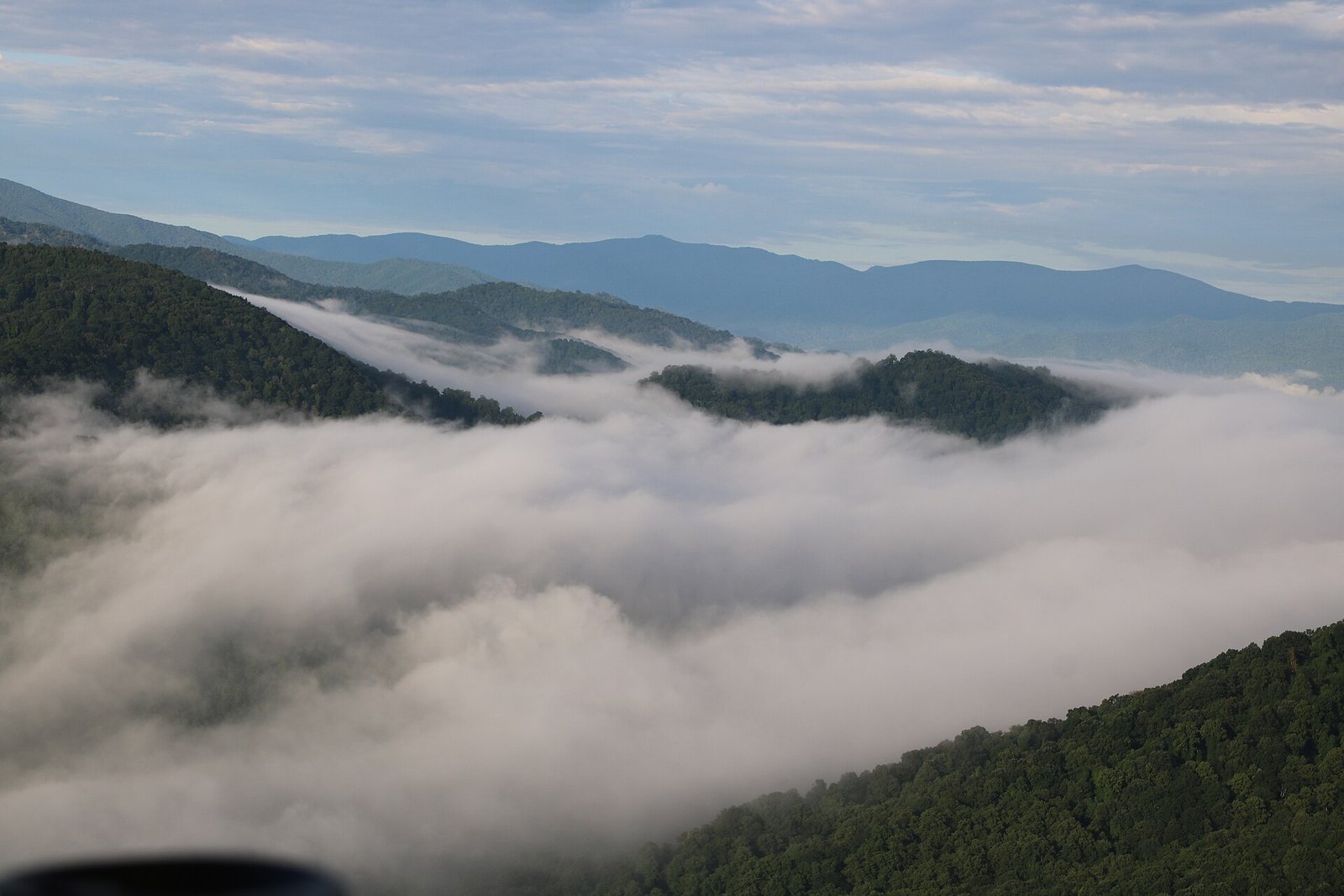
The parkway is a slow scenic road, not a shortcut. From Asheville, the visitor center near milepost 384 is a useful planning stop before selecting overlooks and a short trail that match current conditions. Allow half a day for a compact out-and-back and a full day for a longer loop. No entrance fee is charged for driving the parkway, but facilities and connecting attractions may charge separately. Check official road status that morning, avoid overloading the route, and expect the heaviest traffic on summer and October weekends.
Explore the River Arts District
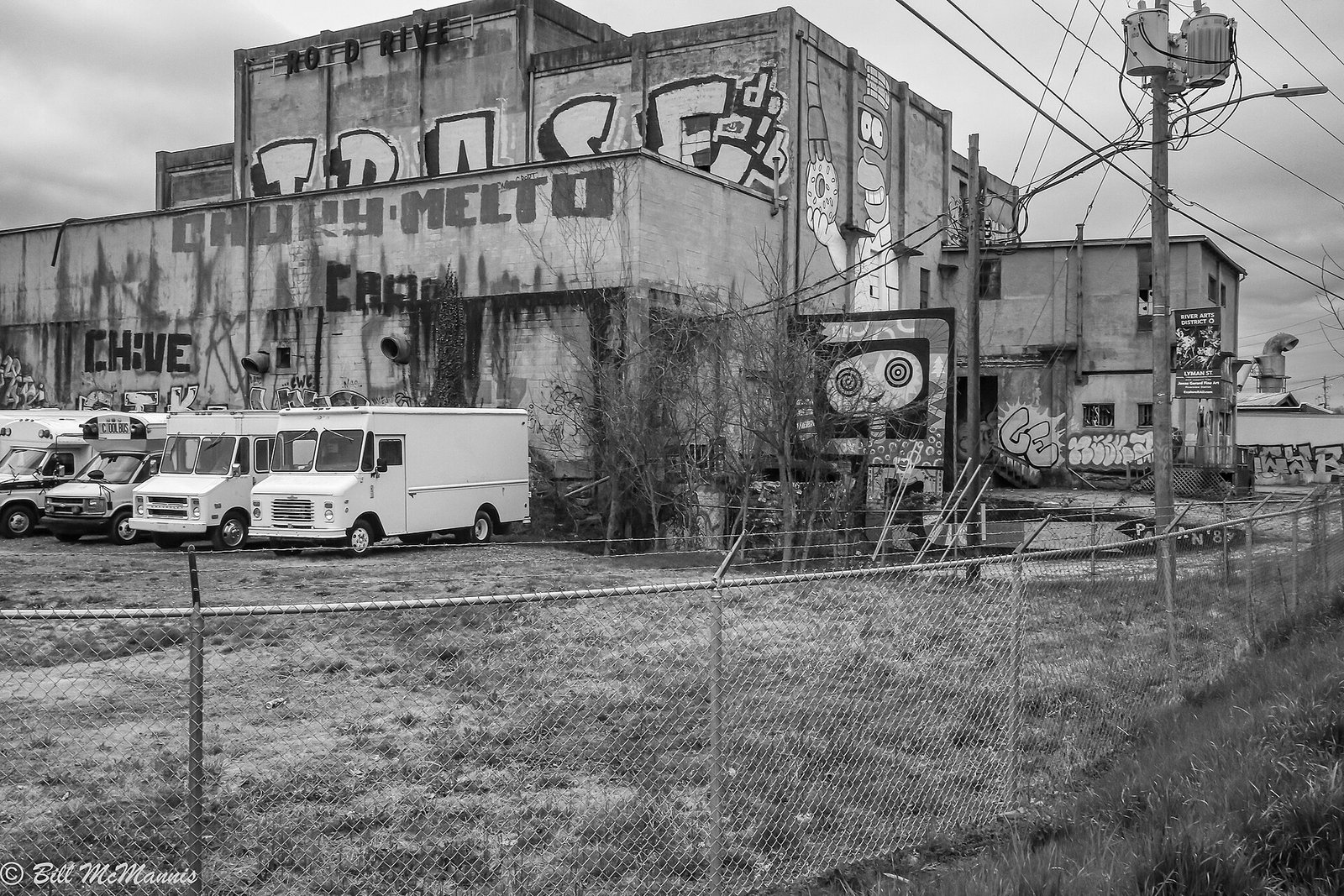
Former industrial buildings along the French Broad River now hold working studios, galleries, cafés, and small businesses. Allow two to four hours, ideally on a weekday or a scheduled studio event when more doors are open. The district is spread out, so use its current map rather than expecting one continuous shopping street. Much of the area has undergone recovery and phased reopening after major flooding; verify individual hours. It is especially worthwhile for craft buyers, photographers, and visitors who want to meet artists without a formal museum schedule.
Reserve enough time for Biltmore Estate
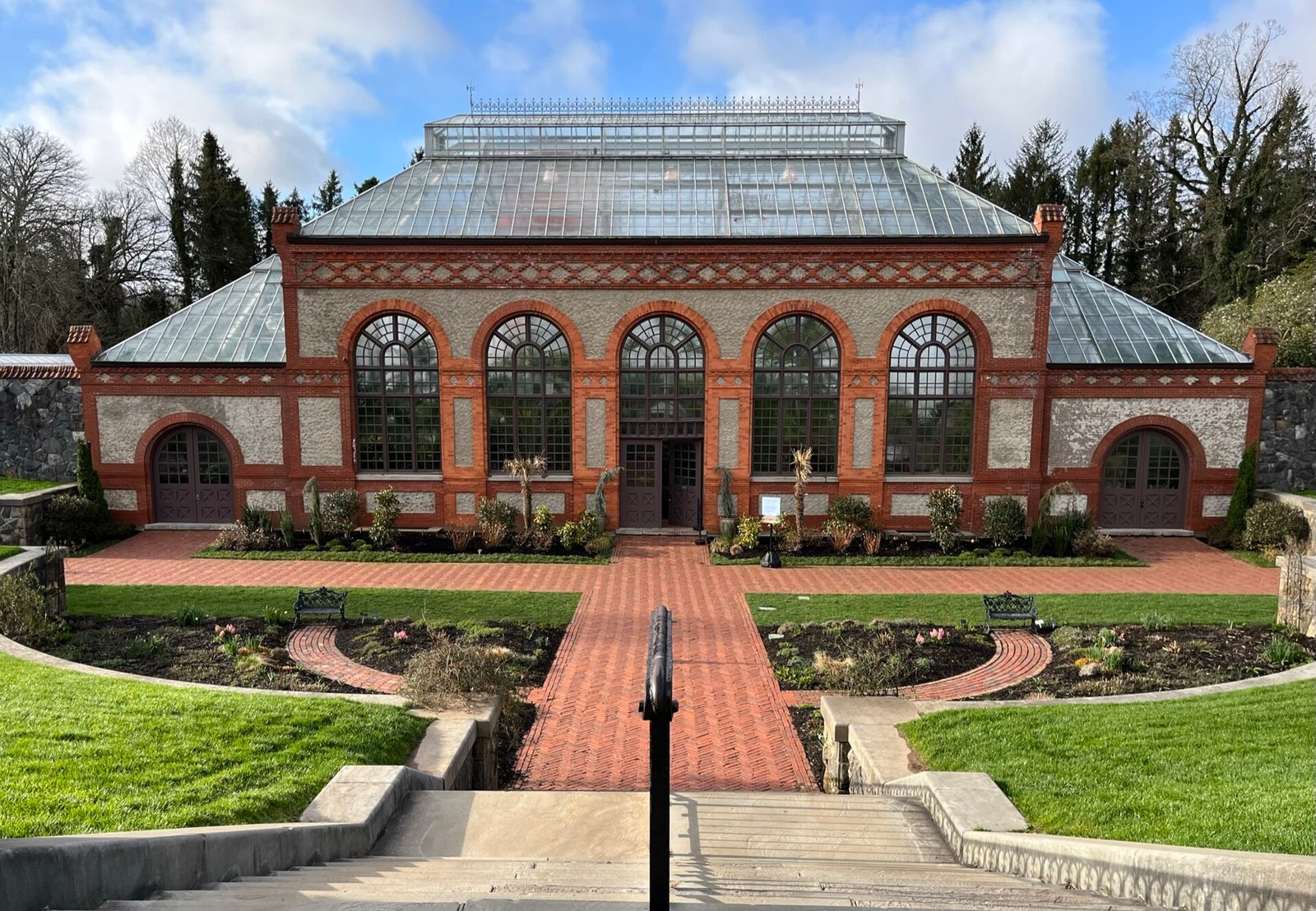
Biltmore is a large ticketed property that can absorb most of a day once the house, gardens, winery, shuttle movements, and meals are included. Advance purchase is sensible on weekends, holidays, and fall dates, and ticket products vary by season. Arrive at the time shown on the reservation and do not schedule a distant hike immediately afterward. The estate suits architecture, garden, and history travelers; visitors uninterested in the house may prefer Asheville’s public heritage trails and craft venues instead.
Walk downtown’s architecture and Black Cultural Heritage Trail
A self-guided downtown walk connects Art Deco buildings, Pack Square, local shops, and sections of the Asheville Black Cultural Heritage Trail. Allow two to three hours, longer with galleries or lunch. The heritage trail’s interpretive panels add essential context about neighborhoods, enterprise, resistance, and community life that a generic architecture walk can miss. It is free and needs no reservation. Start during daylight, wear shoes for hills, and check whether any route segment is affected by construction.
Visit the Folk Art Center and add one suitable trail
The Folk Art Center on the Blue Ridge Parkway presents Southern Appalachian craft traditions and offers a useful indoor anchor for a scenic day. Allow one to two hours, then add a nearby short walk only if roads and weather are favorable. The center and adjacent parkway access can be affected by closures even when city conditions look good. This pairing works for mixed-interest groups because it combines interpretation with outdoor time; confirm current hours and do not leave valuables visible at trailhead parking.
A PRACTICAL ROUTE
Suggested itinerary
Downtown orientation and heritage
Arrive, settle into a central base, and keep the route compact. Walk Pack Square, architecture highlights, and a section of the Black Cultural Heritage Trail. Browse independent shops, then reserve dinner downtown so the first evening does not require another transfer.
River Arts District and West Asheville
Start in the River Arts District when studios are active and allow time for conversations rather than rushing between buildings. Continue to West Asheville for lunch, neighborhood shopping, and an early evening meal or music booking. Use one rideshare loop instead of returning downtown between districts.
Biltmore and Biltmore Village
Use the reserved entry time for Biltmore and treat the estate as the day’s main commitment. After the house and gardens, stop in Biltmore Village only if energy and opening hours allow. Avoid adding a parkway drive because both experiences need daylight and flexible time.
Blue Ridge Parkway scenic loop
Check official road status and weather before departure. Begin at the Asheville visitor center, select a few open overlooks and one realistic trail, then return before dark. Keep a city museum, the Folk Art Center, or a food-focused alternative ready if fog, storms, ice, or repair closures undermine the drive.
REALISTIC BUDGET
Estimated travel costs
Asheville can be moderate for a city weekend and expensive during peak fall foliage. Compare the full room price, including parking and taxes, and never treat an attraction ticket or rental-car quote as final until checkout.
TRAVEL WELL
Practical travel tips
- Check the Blue Ridge Parkway’s official road status on the morning of any drive; weather and repair closures can affect isolated sections without warning.
- Do not rely on cell service for mountain navigation. Save the parkway map, note mileposts, and carry water before leaving the city.
- Fall color moves by elevation, so a single advertised “peak weekend” cannot guarantee the same conditions at every overlook.
- Reserve Biltmore, popular weekend restaurants, and October accommodation in advance, but leave one outdoor block flexible for weather.
- Cards are common in town; keep small bills for bus fare, tips, market purchases, and places with temporary connection problems.
- Dress in layers. Downtown can be warm while exposed ridges are windy, wet, or substantially colder on the same afternoon.
- Never leave bags visible in a parked car at overlooks or trailheads, and move valuables before arriving at the parking area.
- Travelers with limited mobility should confirm slopes, shuttle arrangements, and step-free entrances directly; historic buildings and natural trails vary widely.
COMMON QUESTIONS
Asheville travel FAQ
How many days do you need in Asheville?
Three days cover downtown, the River Arts District, and either Biltmore or a scenic drive. Four or five days allow both major outings, neighborhood meals, and a weather backup without rushing.
Do you need a car in Asheville?
Not for a downtown-focused weekend. A car is strongly recommended for the Blue Ridge Parkway, waterfalls, remote trailheads, and multiple mountain towns because public transit does not serve a full scenic itinerary.
What is the best month to visit Asheville?
May offers green landscapes and generally manageable demand, while October is famous for color but much busier and costlier. Late September or early November can work if you accept variable foliage and weather.
Is Asheville expensive?
It can be, especially on October weekends and festival dates. A central stay without a car, free heritage walks, moderate neighborhood meals, and one major paid attraction keep the budget more controlled.
Is Asheville safe for solo female travelers?
Busy visitor districts are generally manageable with ordinary city precautions. Use well-lit routes after dark, verify rideshares, protect drinks, and avoid isolated trailheads or mountain hikes without sharing the plan.
Can you visit the Blue Ridge Parkway without hiking?
Yes. Scenic overlooks, visitor information, and short accessible stops can create a rewarding drive. Road status and facility access still need to be checked, and views can disappear in fog.
KEEP EXPLORING
Related The Wander Muse guides
CHECK BEFORE DEPARTURE
Sources and official resources
Schedules, fares, closures, access rules, and reservations affecting Asheville can change. Recheck the official resources below shortly before departure.