START HERE
Why visit Seville
Seville layers royal and Islamic architecture, tiled courtyards, neighborhood tapas, flamenco, river history, and orange-lined streets into one of Europe’s strongest walking cities. It suits architecture, food, flamenco, couples, history, solo travel, and rail trips and works best when Real Alcázar and Cathedral and Giralda stay on separate compact days. A first visit works best when Real Alcázar, Cathedral and Giralda, and Plaza de España and María Luisa Park are arranged around realistic transport and weather windows. Santa Cruz and El Arenal suit a short first visit, Alameda offers nightlife and value, and Triana provides food and local character across the river. Seville planning connects Seville Airport (SVQ) or Sevilla Santa Justa station, walking, Santa Cruz or El Arenal, and Real Alcázar with the six-row Euro (EUR) budget and 3–4 days route below. Before booking Seville, use the linked authorities to verify opening days, walking, and any timed entry for Real Alcázar.
AT A GLANCE
Seville quick travel summary
Seville prices are planning ranges rather than quotes. Check the cancellation rule and full inclusions before booking Cathedral and Giralda; small surcharges can materially change the total.
WHEN TO GO
Best time to visit
Spring (March–May)
Across Seville, expect mild days, changeable rain, and lengthening daylight; conditions near Real Alcázar can vary. For Seville, crowds and prices are moderate except around school and public holidays. This period creates better conditions for Real Alcázar in Seville; the main drawback is that visitors in Seville should pack a waterproof layer and expect cool mornings. Extreme summer heat, Holy Week and Feria dates, monument capacity, Monday closures, and late dining hours define the practical calendar. Recheck Seville weather and the operating status of Real Alcázar shortly before any weather-sensitive or reservation-dependent day.
Summer (June–August)
Across Seville, expect the warmest weather and the longest usable days; conditions near Cathedral and Giralda can vary. This is the busiest and most expensive period for Seville. Cathedral and Giralda is the most practical Seville focus during this period. The limitation is that visitors in Seville should reserve accommodation and timed attractions early. Extreme summer heat, Holy Week and Feria dates, monument capacity, Monday closures, and late dining hours define the practical calendar. Recheck Seville weather and the operating status of Real Alcázar shortly before any weather-sensitive or reservation-dependent day.
Autumn (September–November)
Across Seville, expect cooler air, changing foliage, and shorter daylight; conditions near Plaza de España and María Luisa Park can vary. Expect lighter crowds after early September. Plaza de España and María Luisa Park is the most practical Seville focus during this period. The limitation is that visitors in Seville should check reduced hours and weather-sensitive services. Extreme summer heat, Holy Week and Feria dates, monument capacity, Monday closures, and late dining hours define the practical calendar. Recheck Seville weather and the operating status of Real Alcázar shortly before any weather-sensitive or reservation-dependent day.
Winter (December–February)
Across Seville, expect cold conditions with the possibility of rain, snow, or storms; conditions near Triana food and ceramics route can vary. Expect quiet periods interrupted by holiday peaks. For Seville, this window favors Triana food and ceramics route. Schedule it only after accounting for the fact that in Seville, transport disruption and limited daylight require buffers. Extreme summer heat, Holy Week and Feria dates, monument capacity, Monday closures, and late dining hours define the practical calendar. Recheck Seville weather and the operating status of Real Alcázar shortly before any weather-sensitive or reservation-dependent day.
ARRIVING
How to get there
SVQ connects to central stops and Santa Justa by official airport bus, taxi, and private transfer. High-speed trains link Seville with Madrid, Córdoba, Málaga, and other cities. The airport bus is usually cheapest and a taxi is easiest with heavy luggage or an inaccessible final lane. Buy rail and urban tickets through official operators, verify the correct Santa Justa platform, and allow security time for long-distance trains. A rental car is unnecessary in central Seville and adds restricted-street and parking complications.
MOVING AROUND
Getting around
The historic center, Arenal, Triana, and Alameda are best combined through walking and short transit trips. TUSSAM buses and tram cover central corridors; Metro is useful for selected outer districts rather than every sight. Public bicycles work for confident riders on designated routes, but heat and crowds require care. Taxis are practical late at night. Cobbles, steps, and old-building lifts affect accessibility, so verify the route to entrances. During heat alerts, schedule monuments early, rest after lunch, and return outdoors in the evening. For a 3–4 days visit, group Real Alcázar with Cathedral and Giralda, then protect Plaza de España and María Luisa Park for the strongest weather or access window. Real Alcázar and Cathedral and Giralda belong on separate compact Seville stages; that leaves room for a delayed walking connection. Accessible Seville planning needs four checks: walking boarding, surfaces, restrooms, and the final approach to Real Alcázar.
CHOOSE A BASE
Where to stay
Santa Cruz or El Arenal — best for first-time visitors
The cathedral, Alcázar, river, tapas, and major walking routes sit close to a short-stay base. Rooms are costly and central lanes can be noisy or difficult for taxis.
Alameda and northern center — best for budget and nightlife
Bars, restaurants, creative spaces, and a wider range of rooms suit younger and repeat travelers. The cathedral zone requires a longer walk or bus.
Triana — best for food and neighborhood character
Markets, ceramics, flamenco history, and river views provide a distinct evening base. Most monumental sights lie across bridges and festival nights can be loud.
PLAN YOUR DAYS
Best things to do
Real Alcázar
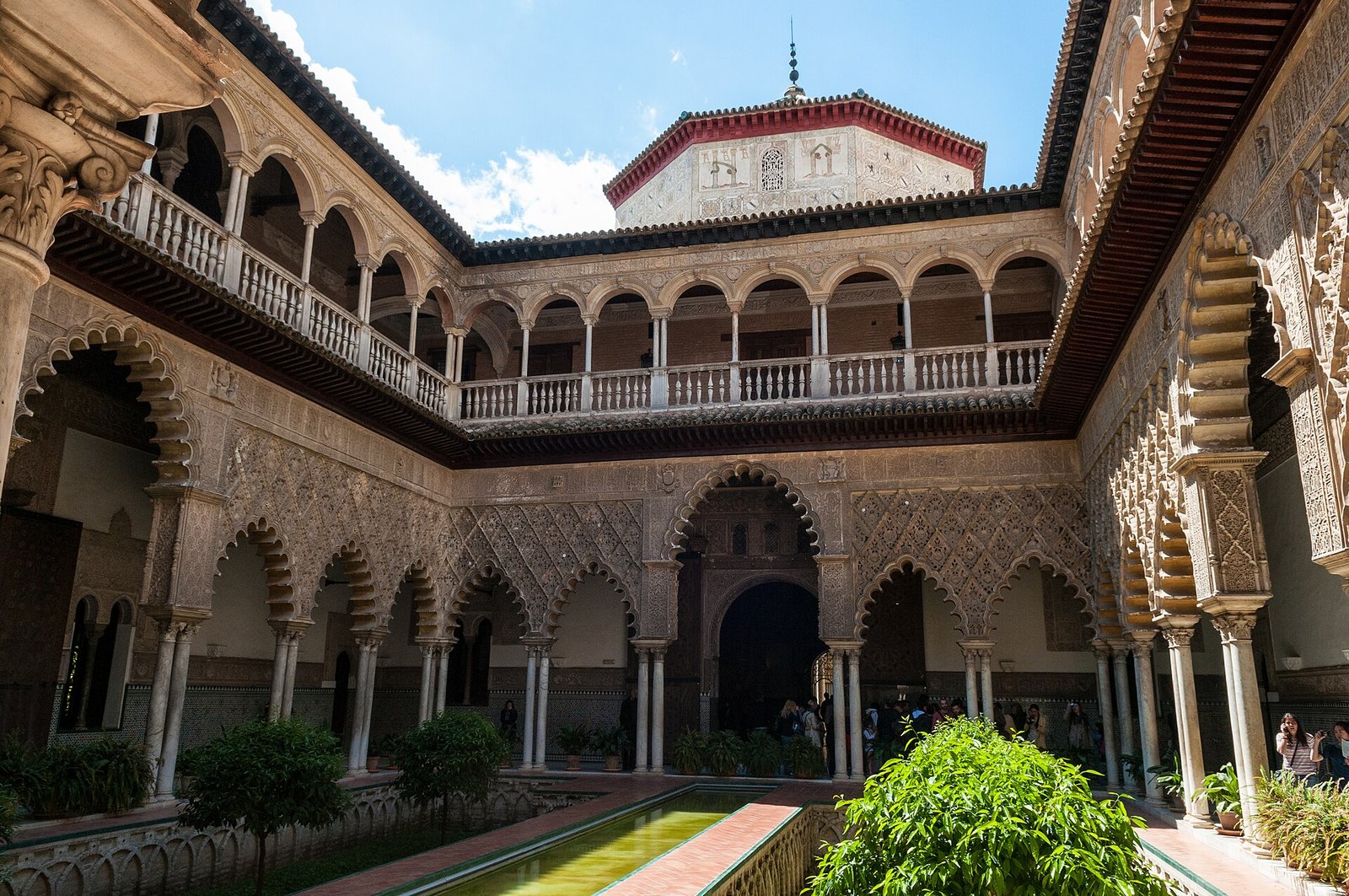
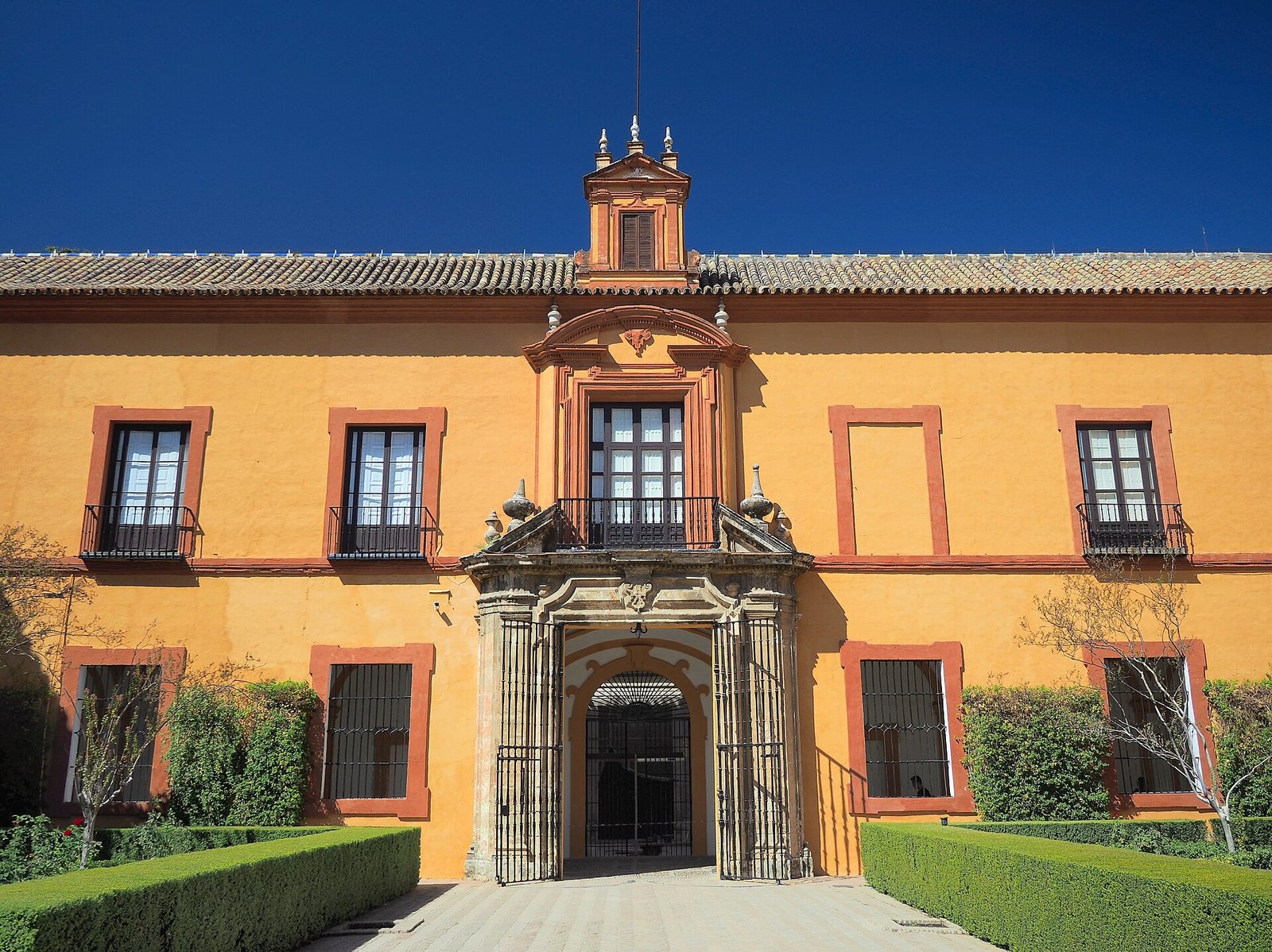
Layered royal architecture, gardens, tilework, and preserved interiors explain centuries of political and artistic change. Allow 2.5–4 hours. Use the first timed entry and remain for the gardens. Official timed booking is strongly recommended. Paid admission applies and palace-room access may be separate. Bring identification when required and avoid unofficial resellers. It is best suited to history, architecture, and garden travelers; On a short Seville visit, Real Alcázar should not force a cross-destination transfer.
Cathedral and Giralda
The vast Gothic interior, art, tombs, and former minaret create Seville’s essential monumental visit. Allow 2–3 hours. Book a morning slot and climb only if heat and mobility allow. Advance official entry is recommended. Paid admission and eligibility rules vary. Dress for a place of worship and protect valuables in the surrounding crowd. It is best suited to first-time and history travelers; time-limited visitors should add Cathedral and Giralda only when it fits the same area and current conditions.
Plaza de España and María Luisa Park
Ceramic details, grand civic architecture, shade, and garden paths form a useful lower-cost circuit. Allow 2–4 hours. Visit early or near sunset outside intense heat. No public-square reservation is normally needed. Public areas are free; special activities cost extra. Avoid unlicensed performances or animal activities with unclear welfare. It is best suited to families and architecture travelers; visitors with little time should retain Plaza de España and María Luisa Park only if it stays near another priority.
Triana food and ceramics route
Market stalls, workshops, riverside history, and small bars connect craft and everyday city life. Allow 3–5 hours. Use late morning for the market and evening for tapas. Workshops and priority restaurants may require booking. Walking is free; tastings and museums vary. Order gradually and keep the route within one neighborhood. It is best suited to food and craft travelers; on a short stay, keep Triana food and ceramics route only when access and geography suit that day.
Responsible flamenco performance
A well-curated tablao or cultural venue can present music, song, and dance without reducing flamenco to a photo prop. Allow 1.5–2.5 hours. Choose an evening after nearby dinner or book a venue with clear timing. Advance reservation is recommended. Prices vary by seating, drinks, and dinner inclusion. Prefer venues transparent about performers and performance conditions. It is best suited to music, culture, and evening travelers; On a short Seville visit, Responsible flamenco performance should not force a cross-destination transfer.
A PRACTICAL ROUTE
Suggested itinerary
Santa Cruz orientation
Arrive, walk a short cathedral and river circuit, and adjust to local meal times.
Alcázar and cathedral
Use separate timed entries with a real rest between them, then keep dinner in Arenal.
Park and Triana
Visit Plaza de España early, cross to Triana for market and ceramics, and attend a reserved performance nearby.
Northern neighborhoods
Use Alameda, a selected museum, and final food stops before a direct station or airport route.
REALISTIC BUDGET
Estimated travel costs
Seville costs move most with March–May or October–November, booking timing, taxes, and the exact position of a room in Santa Cruz or El Arenal. Recalculate Seville’s dollar comparison when booking. For Seville, the figures here convert Euro (EUR) at August 1, 2026 reference rates and exclude later card charges.
TRAVEL WELL
Practical travel tips
- Reserve the Alcázar and cathedral through official sites; street sellers may not offer valid access.
- Avoid July and August midday walking and respond to official heat warnings.
- Check Holy Week and Feria dates because rooms, transport, processions, and access change dramatically.
- Begin conversations with a greeting and respect later lunch and dinner rhythms.
- Order tapas in stages rather than filling the table before understanding portions.
- Use a licensed taxi or active central route after late flamenco performances.
- Carry some euros for small bars while cards remain common in museums and hotels.
- Solo women usually travel comfortably; secure valuables in crowds and avoid empty riverside sections very late.
COMMON QUESTIONS
Seville travel FAQ
How many days do you need in Seville?
3–4 days is a practical first-visit range for Seville. If 3–4 days is not available, keep one compact Seville base and Real Alcázar; additional days are most useful as weather and transport buffers.
Is Seville expensive?
In Seville, a realistic daily planning range is €65–110 (about US$75–127) budget; €160–300 (about US$185–346) mid-range, per person. Room choice and reserved transport matter more to the Seville total than small savings on meals or local fares.
Do you need a car in Seville?
No. Walking, buses, tram, Metro, bicycles, and taxis cover the city. A car is a burden in restricted central streets.
What is the best month to visit Seville?
April and October often offer comfortable walking weather, but Holy Week and Feria dates can make April exceptionally busy.
Is Seville safe for solo female travelers?
Seville is generally comfortable for solo women. Use normal late-night precautions, secure valuables during festivals, and choose active routes. A final review of official advice, local conditions, and the route from Seville Airport (SVQ) or Sevilla Santa Justa station belongs in the departure checklist.
What should you book in advance for Seville?
Reserve the Alcázar, cathedral, major-event rooms, long-distance rail, priority flamenco, and special restaurants.
KEEP EXPLORING
Related The Wander Muse guides
PLAN WITH CURRENT INFORMATION
Official resources
For Seville, opening hours, fares, permits, weather rules, and transport arrangements can change. The official sources below are the final reference for Seville schedules, restrictions, and visitor rules.