START HERE
Why visit Vienna
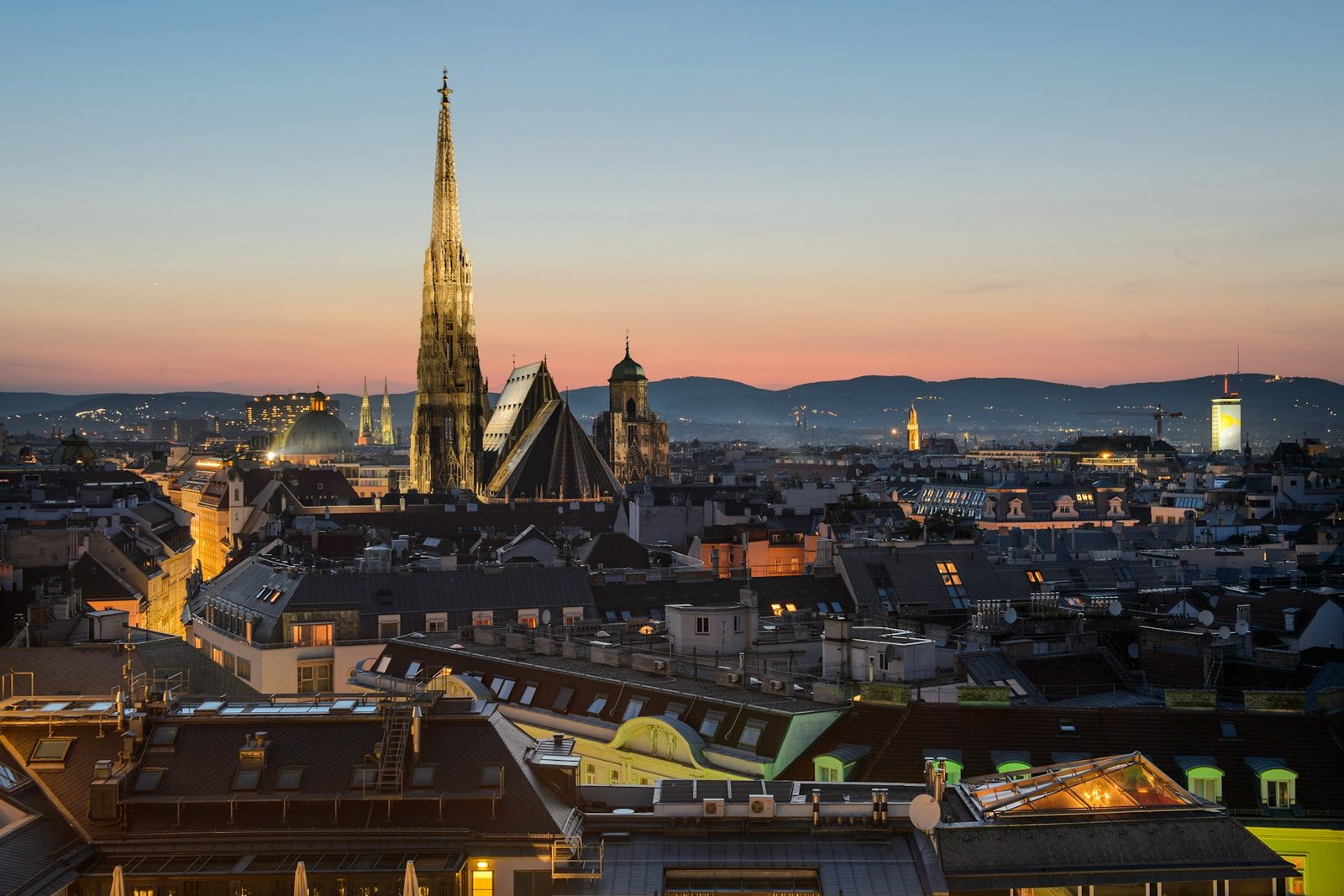
Vienna combines imperial collections, modern art, music, coffeehouse culture, markets, vineyards, and one of Europe’s easiest public-transport systems. It suits art, classical music, architecture, food, cafés, couples, solo travel, and rail trips and works best when Kunsthistorisches Museum and Schönbrunn Palace and gardens stay on separate compact days. A first visit works best when Kunsthistorisches Museum, Schönbrunn Palace and gardens, and Belvedere are arranged around realistic transport and weather windows. Innere Stadt is best for a short first visit, Neubau and Mariahilf suit design and food, and Leopoldstadt provides parks and value across the canal. Vienna planning connects Vienna International Airport (VIE), Wien Hauptbahnhof, or Wien Westbahnhof, u-bahn, Innere Stadt, and Kunsthistorisches Museum with the six-row Euro (EUR) budget and 4–5 days route below. Before booking Vienna, use the linked authorities to verify opening days, u-bahn, and any timed entry for Kunsthistorisches Museum.
AT A GLANCE
Vienna quick travel summary
Vienna prices are planning ranges rather than quotes. Ask for the complete Vienna price in writing, including taxes, payment fees, booking terms, and any connection from Vienna International Airport (VIE), Wien Hauptbahnhof, or Wien Westbahnhof.
WHEN TO GO
Best time to visit
Spring (March–May)
Across Vienna, expect mild days, changeable rain, and lengthening daylight; conditions near Kunsthistorisches Museum can vary. For Vienna, crowds and prices are moderate except around school and public holidays. This period creates better conditions for Kunsthistorisches Museum in Vienna; the main drawback is that visitors in Vienna should pack a waterproof layer and expect cool mornings. Monday or Tuesday museum closures, ball and concert calendars, Christmas-market crowds, heat, and construction affect an otherwise reliable city plan. Recheck Vienna weather and the operating status of Kunsthistorisches Museum shortly before any weather-sensitive or reservation-dependent day.
Summer (June–August)
Across Vienna, expect the warmest weather and the longest usable days; conditions near Schönbrunn Palace and gardens can vary. This is the busiest and most expensive period for Vienna. For Vienna, this window favors Schönbrunn Palace and gardens. Schedule it only after accounting for the fact that visitors in Vienna should reserve accommodation and timed attractions early. Monday or Tuesday museum closures, ball and concert calendars, Christmas-market crowds, heat, and construction affect an otherwise reliable city plan. Recheck Vienna weather and the operating status of Kunsthistorisches Museum shortly before any weather-sensitive or reservation-dependent day.
Autumn (September–November)
Across Vienna, expect cooler air, changing foliage, and shorter daylight; conditions near Belvedere can vary. Expect lighter crowds after early September. Belvedere is the most practical Vienna focus during this period. The limitation is that visitors in Vienna should check reduced hours and weather-sensitive services. Monday or Tuesday museum closures, ball and concert calendars, Christmas-market crowds, heat, and construction affect an otherwise reliable city plan. Recheck Vienna weather and the operating status of Kunsthistorisches Museum shortly before any weather-sensitive or reservation-dependent day.
Winter (December–February)
Across Vienna, expect cold conditions with the possibility of rain, snow, or storms; conditions near Historic center and Ring can vary. Expect quiet periods interrupted by holiday peaks. This period creates better conditions for Historic center and Ring in Vienna; the main drawback is that in Vienna, transport disruption and limited daylight require buffers. Monday or Tuesday museum closures, ball and concert calendars, Christmas-market crowds, heat, and construction affect an otherwise reliable city plan. Recheck Vienna weather and the operating status of Kunsthistorisches Museum shortly before any weather-sensitive or reservation-dependent day.
ARRIVING
How to get there
VIE connects by S-Bahn, Railjet, airport train, bus, taxi, and private transfer. The fastest branded service is not automatically the best for every hotel; compare final station, fare, frequency, and transit connection through official sources. International trains reach Hauptbahnhof and other stations depending on route. Buy tickets through ÖBB or Wiener Linien and confirm airport-zone validity. A taxi is easiest with heavy luggage, while rail is generally cheaper. A rental car is unnecessary and restricted parking makes it inconvenient.
MOVING AROUND
Getting around
Wiener Linien U-Bahn, trams, and buses cover monuments and neighborhoods, while S-Bahn supports outer routes. Central Vienna is highly walkable, but Schönbrunn, Belvedere, museums, and vineyards belong in separate geographic circuits. Validate or activate tickets under the current product rules and compare passes only against actual paid trips. Cycling works on designated routes for confident riders. Taxis are a late-night backup. Most modern transport is accessible, though historic buildings and cobbled courtyards need separate verification. For a 4–5 days visit, group Kunsthistorisches Museum with Schönbrunn Palace and gardens, then protect Belvedere for the strongest weather or access window. Kunsthistorisches Museum and Schönbrunn Palace and gardens belong on separate compact Vienna stages; that leaves room for a delayed u-bahn connection. Accessible Vienna planning needs four checks: u-bahn boarding, surfaces, restrooms, and the final approach to Kunsthistorisches Museum.
CHOOSE A BASE
Where to stay
Innere Stadt — best for a short first visit
Cathedral, museums, cafés, opera, and several transit lines sit within or near the Ring. Rooms and restaurants are expensive and tourist pressure remains high.
Neubau or Mariahilf — best for design, food, and value
Independent shops, markets, museums, and strong transit suit couples and repeat visitors. Imperial sights require a short ride and nightlife noise differs by block.
Leopoldstadt — best for families and parks
Prater, Danube access, apartments, and quick U-Bahn links provide space and often better rates. The district lacks the immediate monumental atmosphere of the center.
PLAN YOUR DAYS
Best things to do
Kunsthistorisches Museum
Imperial art collections and the building itself reward a focused visit to selected galleries. Allow 3–4 hours. Enter near opening and choose priorities rather than every room. Advance official tickets help during exhibitions. Paid admission applies. Check weekly closures and temporary gallery access. It is best suited to art and history travelers; time-limited visitors should add Kunsthistorisches Museum only when it fits the same area and current conditions.
Schönbrunn Palace and gardens
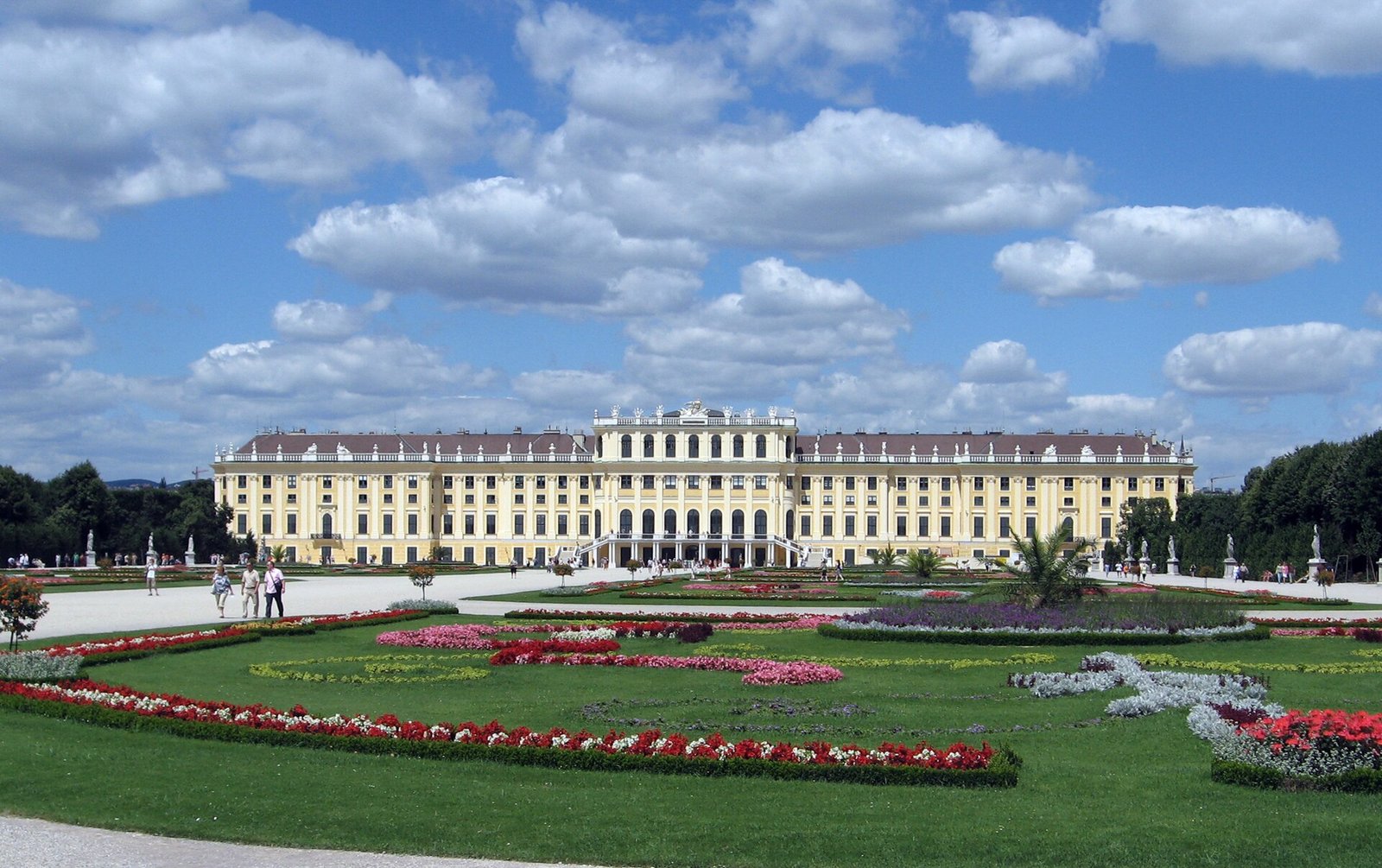
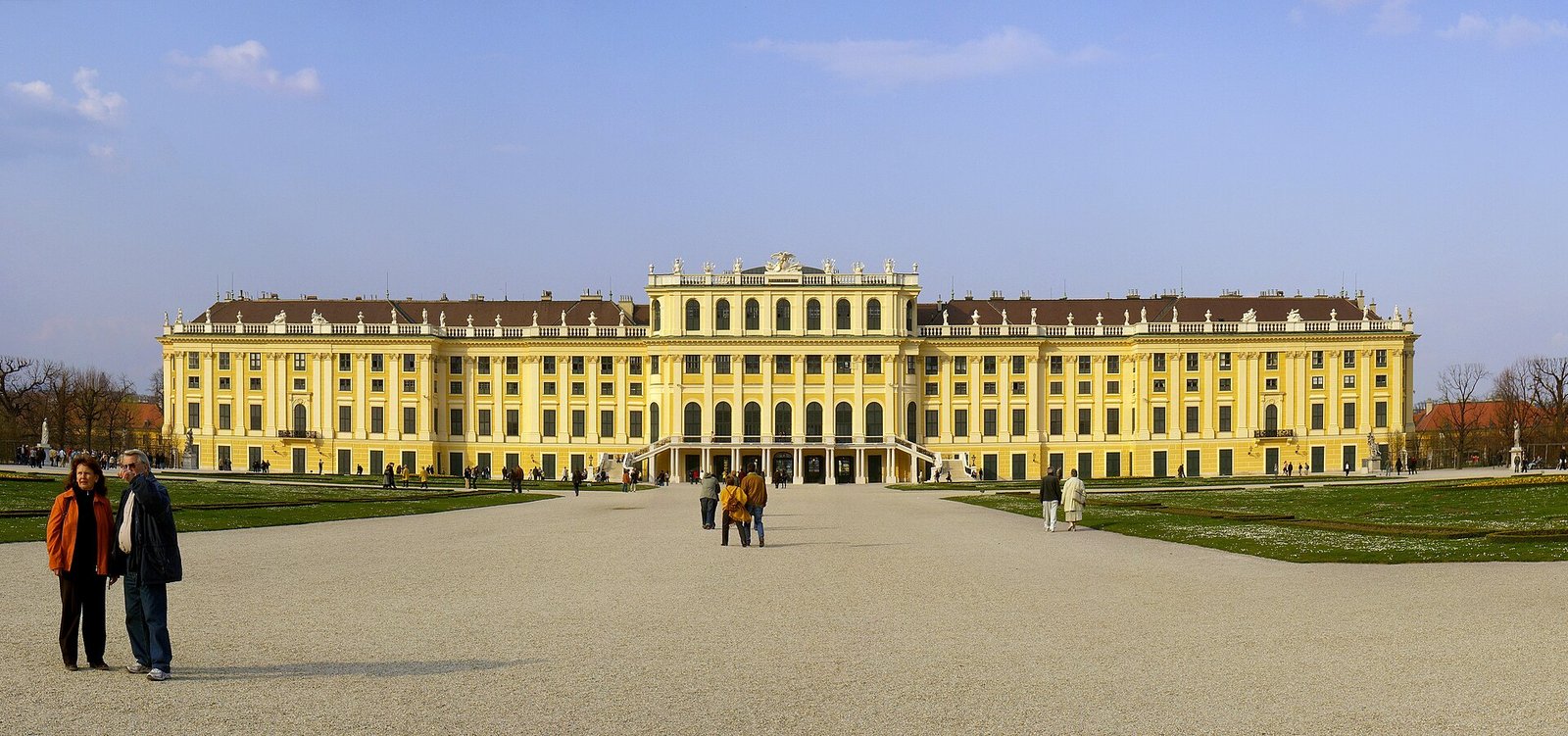
Imperial rooms, formal gardens, hillside views, and estate scale require a dedicated half day. Allow 4–6 hours. Use a reserved early entry and walk gardens before heat. Official timed palace booking is strongly recommended. Tour and garden-attraction prices vary. Do not combine Schönbrunn with distant vineyards or Belvedere. It is best suited to first-time and family travelers; On a short Vienna visit, Schönbrunn Palace and gardens should not force a cross-destination transfer.
Belvedere
Palace architecture and Austrian art, including major modern works, form a compact museum visit. Allow 2.5–4 hours. Choose the booked building and time carefully. Advance timed entry is recommended. Upper and Lower Belvedere may use separate tickets. Confirm the correct entrance before travel. It is best suited to art, architecture, and couples; on a short stay, keep Belvedere only when access and geography suit that day.
Historic center and Ring
Cathedral streets, civic monuments, arcades, parks, and trams explain the city’s layers without one giant queue. Allow 4–6 hours. Walk early and use a tram segment for rest. Specific towers, churches, and tours may require booking. Public walking is free; interiors vary. Respect worship and avoid blocking cycle or tram lanes. It is best suited to architecture and first-time visitors; visitors with little time should retain Historic center and Ring only if it stays near another priority.
Music performance or wine tavern
A formal concert or responsible Heuriger visit connects living music and wine traditions beyond museums. Allow 3–5 hours. Choose a transparent program or an officially recognized wine area. Advance booking is recommended for high-quality performances and weekend tables. Prices range from standing-room tickets to premium seating and meals. Avoid costume-concert sellers with unclear venue or program details. It is best suited to music, food, and evening travelers; time-limited visitors should add Music performance or wine tavern only when it fits the same area and current conditions.
A PRACTICAL ROUTE
Suggested itinerary
Historic center
Arrive, learn the U-Bahn, and walk a short cathedral and Ring circuit.
Imperial art
Visit Kunsthistorisches near opening and keep the afternoon around MuseumsQuartier or Neubau.
Schönbrunn
Use the timed palace entry, gardens, and nearby district without crossing to Belvedere.
Belvedere and music
Visit the booked collection, rest, then attend one verified evening performance.
Leopoldstadt or vineyards
Use parks and Danube routes, or a seasonally appropriate public-transport trip to a wine district.
REALISTIC BUDGET
Estimated travel costs
Vienna costs move most with April–June or September–December, booking timing, taxes, and the exact position of a room in Innere Stadt. For Vienna, let the final Euro (EUR) total control the decision. For Vienna, its August 1, 2026 dollar conversion may differ at checkout.
TRAVEL WELL
Practical travel tips
- Compare airport rail products by final station and total fare rather than assuming the fastest brand is necessary.
- Book Schönbrunn, Belvedere, major exhibitions, opera, and serious concerts through official channels.
- Check museum closing days before assigning each district to a day.
- Stand clear of tram tracks and bicycle lanes when photographing Ring architecture.
- Begin shop and café interactions with a German greeting and wait to be seated when indicated.
- Cards are common but cash remains useful in smaller cafés and traditional taverns.
- Reserve Christmas-season rooms and restaurants early and expect shorter daylight.
- Solo women generally travel comfortably; use normal late-night precautions around quiet stations and parks.
COMMON QUESTIONS
Vienna travel FAQ
How many days do you need in Vienna?
4–5 days is a practical first-visit range for Vienna. If 4–5 days is not available, keep one compact Vienna base and Kunsthistorisches Museum; additional days are most useful as weather and transport buffers.
Is Vienna expensive?
In Vienna, a realistic daily planning range is €70–120 (about US$81–138) budget; €175–330 (about US$202–381) mid-range, per person. The main premiums are well-placed accommodation, travel during April–June or September–December, and private or guided versions of Kunsthistorisches Museum.
Do you need a car in Vienna?
No. Vienna’s U-Bahn, trams, buses, S-Bahn, and walking are easier than driving and parking.
What is the best month to visit Vienna?
May and September often offer good walking weather; December is atmospheric but busy, cold, and dark early.
Is Vienna safe for solo female travelers?
Vienna is generally comfortable for solo women. Use normal late-night awareness around quiet parks and stations and keep valuables secured. Before departing for Vienna, review current government advice alongside local weather and transport notices.
What should you book in advance for Vienna?
Reserve peak rooms, Schönbrunn, Belvedere, major exhibitions, opera, high-quality concerts, and special restaurants.
KEEP EXPLORING
Related The Wander Muse guides
PLAN WITH CURRENT INFORMATION
Official resources
For Vienna, opening hours, fares, permits, weather rules, and transport arrangements can change. Before leaving for Vienna, confirm the details that affect Kunsthistorisches Museum directly with the official links below.