
START HERE
Why visit Venice
A Venice guide built around early mornings, vaporetto routes, neighborhood walks, and crowd-aware island time. Venice works best for travelers interested in canals, architecture, art, photography, lagoon islands, and car-free walking, and becomes easier when San Polo or Santa Croce, St Mark’s Square and Basilica, and Doge’s Palace are scheduled by area and current Venice conditions. A first visit should connect St Mark’s Square and Basilica, Doge’s Palace, and Grand Canal by vaporetto while keeping transfers between San Polo or Santa Croce and St Mark’s Square and Basilica realistic. San Polo or Santa Croce suits markets and transport balance, Dorsoduro works for art and quieter evenings, and Cannaregio is strongest for local evenings and rail access. Venice planning links Venice Marco Polo (VCE) and walking to San Polo or Santa Croce, St Mark’s Square and Basilica, a six-row EUR budget, and the route below. In Venice, the route leaves room for a meal near San Polo or Santa Croce, weather changes around St Mark’s Square and Basilica, and unplanned Venice time. Keep arrival near San Polo or Santa Croce, place St Mark’s Square and Basilica in the strongest booking or weather window, and leave the final Venice day light enough for departure. San Polo or Santa Croce gives the Venice route a practical rhythm around St Mark’s Square and Basilica, with a delay buffer before the final connection. Before leaving for Venice, verify current opening days, walking, and reservation rules for St Mark’s Square and Basilica.
AT A GLANCE
Venice quick travel summary
Venice prices are planning ranges rather than quotes. Check the cancellation rule and full inclusions before booking Doge’s Palace; small surcharges can materially change the total.
WHEN TO GO
Best time to visit
Spring (March–May)
Across Venice, expect mild-to-warm days, green landscapes, and occasional rain; conditions near St Mark’s Square and Basilica can vary. Crowds and prices are moderate, rising around holidays. The main advantages are walking, archaeology, gardens, and outdoor meals; the main trade-off is that popular timed monuments still sell out. acqua alta, summer heat, bridge-heavy luggage routes, cruise-day congestion, and lagoon weather can affect a carefully planned day. Recheck official Venice conditions shortly before any exposed outing or fixed booking, especially St Mark’s Square and Basilica.
Summer (June–August)
Across Venice, expect hot, bright weather and long evenings, with punishing midday heat; conditions near Doge’s Palace can vary. For Venice, crowds and prices are high, with cruise pressure and expensive rooms. The main advantages are beaches, festivals, and late dinners; the main trade-off is that heat management and early starts are essential. acqua alta, summer heat, bridge-heavy luggage routes, cruise-day congestion, and lagoon weather can affect a carefully planned day. Recheck official Venice conditions shortly before any exposed outing or fixed booking, especially St Mark’s Square and Basilica.
Autumn (September–November)
Across Venice, expect warm early weeks followed by cooler air and periodic storms; conditions near Grand Canal by vaporetto can vary. Crowds and prices are lighter outside school breaks. The main advantages are swimming early in the season, food, and comfortable sightseeing; the main trade-off is that ferries, trails, or outdoor plans can change after storms. acqua alta, summer heat, bridge-heavy luggage routes, cruise-day congestion, and lagoon weather can affect a carefully planned day. Recheck official Venice conditions shortly before any exposed outing or fixed booking, especially St Mark’s Square and Basilica.
Winter (December–February)
Across Venice, expect cooler days, rain, wind, and short daylight; conditions near Dorsoduro art route can vary. Crowds and prices are low outside festive dates. The main advantages are museums, local life, and value-focused stays; the main trade-off is that seasonal businesses and transport may run reduced schedules. acqua alta, summer heat, bridge-heavy luggage routes, cruise-day congestion, and lagoon weather can affect a carefully planned day. Recheck official Venice conditions shortly before any exposed outing or fixed booking, especially St Mark’s Square and Basilica.
ARRIVING
How to get there
Venice Marco Polo (VCE) anchors the arrival plan; choose a connection that reaches San Polo or Santa Croce with a real luggage buffer. Choose a documented connection from Venice Marco Polo (VCE) that still operates at the arrival hour and reaches the booked Venice base without an improvised final leg. In Venice, San Polo or Santa Croce arrivals should compare luggage and traffic with the total Venice fare. Use an official operator for the long-distance Venice leg, then recheck its final departure and connection buffer.
MOVING AROUND
Getting around
Walking, vaporetto, airport boat or bus, regional rail, and licensed water taxi form the practical transport mix in Venice. Give St Mark’s Square and Basilica its own compact Venice area; move to Doge’s Palace only when that transfer stays short in Venice. Protect the best weather or reservation window for St Mark’s Square and Basilica, then combine Doge’s Palace with nearby stops. acqua alta, summer heat, bridge-heavy luggage routes, cruise-day congestion, and lagoon weather can alter the Venice route; keep Doge’s Palace as the usable alternative. Accessible Venice planning should check the walking boarding point, restroom access, and final approach to St Mark’s Square and Basilica.
CHOOSE A BASE
Where to stay
San Polo or Santa Croce — best for markets and transport balance
Rialto access and shorter routes from the station reduce repeated crossings. A San Polo or Santa Croce label in Venice is not enough: compare the final walk, room entry, and quiet hours.
Dorsoduro — best for art and quieter evenings
Galleries, canals, and waterfront walks feel calmer after day visitors leave. In Dorsoduro, check the precise Venice street, room access, evening noise, and late-arrival route.
Cannaregio — best for local evenings and rail access
Residential canals, dining, and proximity to Santa Lucia suit longer stays. Cannaregio varies block by block in Venice; verify luggage access, nighttime transport, noise, and refunds.
PLAN YOUR DAYS
Best things to do
St Mark’s Square and Basilica
The basilica, campanile, façades, and lagoon edge define the ceremonial center. Allow 3–5 hours. Use official timed entries and arrive early. Confirm St Mark’s Square and Basilica access, reservation rules, and inclusions through the responsible Venice source. On a short Venice trip, keep St Mark’s Square and Basilica only when the day’s access and energy support it.
Doge’s Palace
State rooms, art, prisons, and political history explain the maritime republic. Allow 2–3 hours. Reserve a morning slot. Confirm St Mark’s Square and Basilica access, reservation rules, and inclusions through the responsible Venice source. On a short Venice trip, keep Doge’s Palace only when the day’s access and energy support it.
Grand Canal by vaporetto
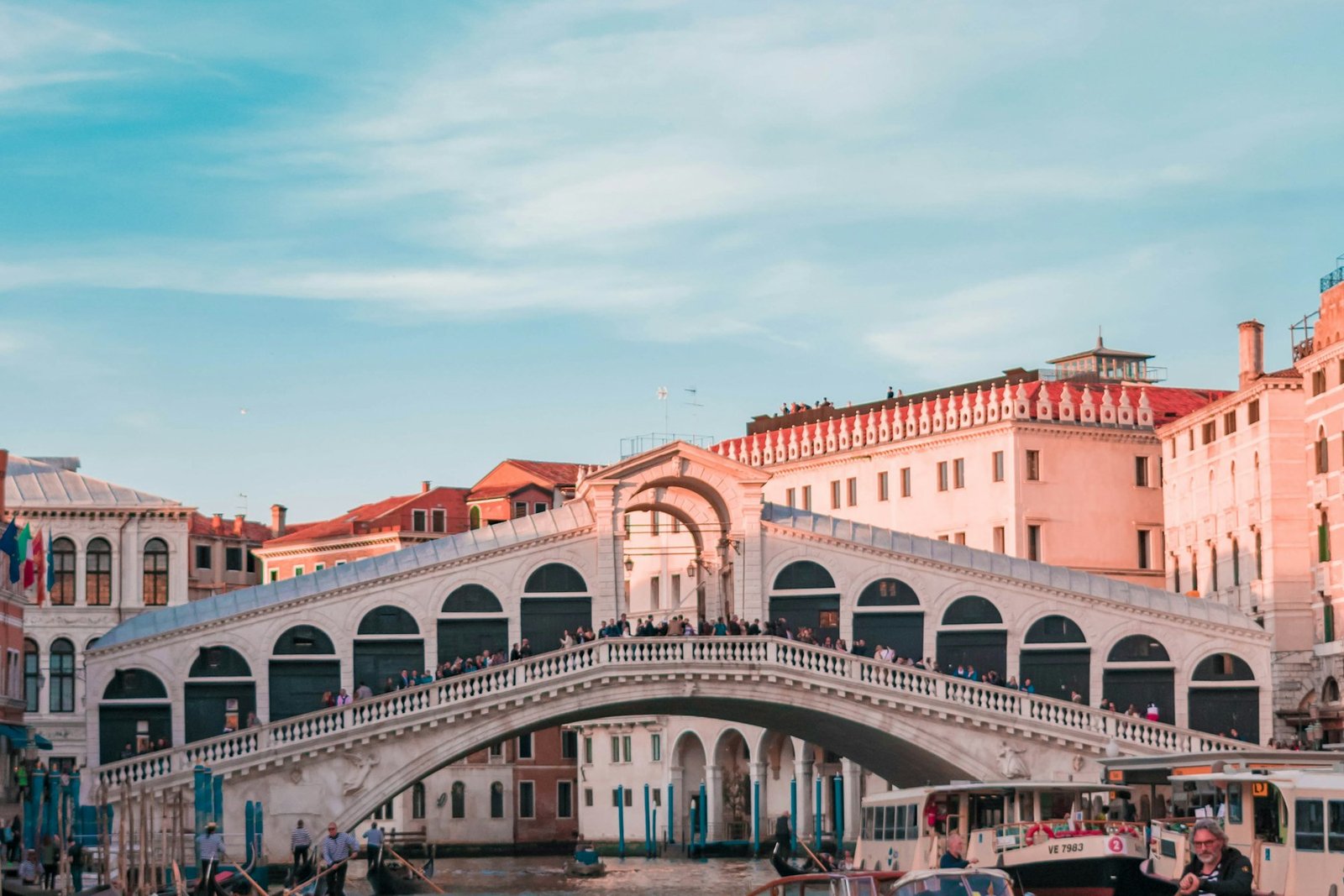
Public transport provides a moving view of palaces, bridges, and waterfront life. Allow 1–2 hours. Ride outside commute and midday peaks. Confirm St Mark’s Square and Basilica access, reservation rules, and inclusions through the responsible Venice source. If weather or energy deteriorates, drop Grand Canal by vaporetto before compressing the rest of the Venice route.
Dorsoduro art route
The Accademia area, churches, and Zattere form a coherent cultural day. Allow half day. Choose one major collection. Confirm St Mark’s Square and Basilica access, reservation rules, and inclusions through the responsible Venice source. On a short Venice trip, keep Dorsoduro art route only when the day’s access and energy support it.
Murano, Burano, or Torcello
Lagoon islands add glassmaking, color, wetlands, and another settlement scale. Allow half to full day. Choose one or two islands. Confirm St Mark’s Square and Basilica access, reservation rules, and inclusions through the responsible Venice source. If weather or energy deteriorates, drop Murano, Burano, or Torcello before compressing the rest of the Venice route.
A PRACTICAL ROUTE
Suggested itinerary
Arrive and orient
Settle into San Polo or Santa Croce and orient around San Polo or Santa Croce; leave St Mark’s Square and Basilica for its planned day.
St Mark’s Square and Basilica
Start St Mark’s Square and Basilica in its strongest Venice window; keep the rest of that day near San Polo or Santa Croce.
Doge’s Palace
Build the day around this experience and Grand Canal by vaporetto, allowing a real meal and transport buffer.
Dorsoduro art route
Explore this geographic cluster and keep the evening close to Dorsoduro rather than crossing Venice again.
Flexible Venice day
Use the remaining conditions for Murano, Burano, or Torcello, revisit a favorite area, or preserve this as a disruption buffer.
REALISTIC BUDGET
Estimated travel costs
Venice costs move most with March–May or October–November, booking timing, taxes, and the precise location of a room in San Polo or Santa Croce. Keep the Venice budget in EUR. Rounded dollar equivalents for Venice use August 1, 2026 reference rates; actual card statements will differ.
TRAVEL WELL
Practical travel tips
- Pack light because bridges and crowded boats punish large cases
- Check the official tide forecast during acqua alta periods
- Never assume a gondola fare without confirming official conditions
- Sleep on the island to experience early and late hours
- Keep screenshots of the Venice accommodation address, official bookings, and last dependable transport.
- Recheck acqua alta, summer heat, bridge-heavy luggage routes, cruise-day congestion, and lagoon weather before every exposed or long-distance day in Venice.
- Use documented Venice transport and share any late return or remote visit to St Mark’s Square and Basilica with someone you trust.
- Protect one flexible block in the Venice itinerary instead of filling every hour with reservations.
COMMON QUESTIONS
Venice travel FAQ
How many days do you need in Venice?
2–4 days is a practical first-visit range for Venice. A trip shorter than 2–4 days should prioritize one base and St Mark’s Square and Basilica; use additional days for rest, weather changes, or transport delays.
Is Venice expensive?
A realistic daily planning range is €75–€130 (about US$87–151) budget; €180–€330 (about US$209–383) mid-range, per person. Room choice and reserved transport matter more to the Venice total than small savings on meals or local fares.
Do you need a car in Venice?
No. Venice’s historic center has no roads; leave a car at authorized mainland or terminal parking.
What is the best month to visit Venice?
October can provide a better crowd balance, although rain and high-tide events remain possible.
Is Venice safe for solo female travelers?
Venice can work well for prepared solo women. For Venice, document the ride to St Mark’s Square and Basilica, carry valuables discreetly, share remote plans, and follow current advice.
What should you book in advance for Venice?
Reserve St Mark’s Basilica, Doge’s Palace, high-demand exhibitions, and special guided access.
KEEP EXPLORING
Related The Wander Muse guides
PLAN WITH CURRENT INFORMATION
Official resources
For Venice, opening hours, fares, permits, weather rules, and transport arrangements can change. Recheck current Venice operating information below, especially before reserving Doge’s Palace.