START HERE
Why visit Barcelona
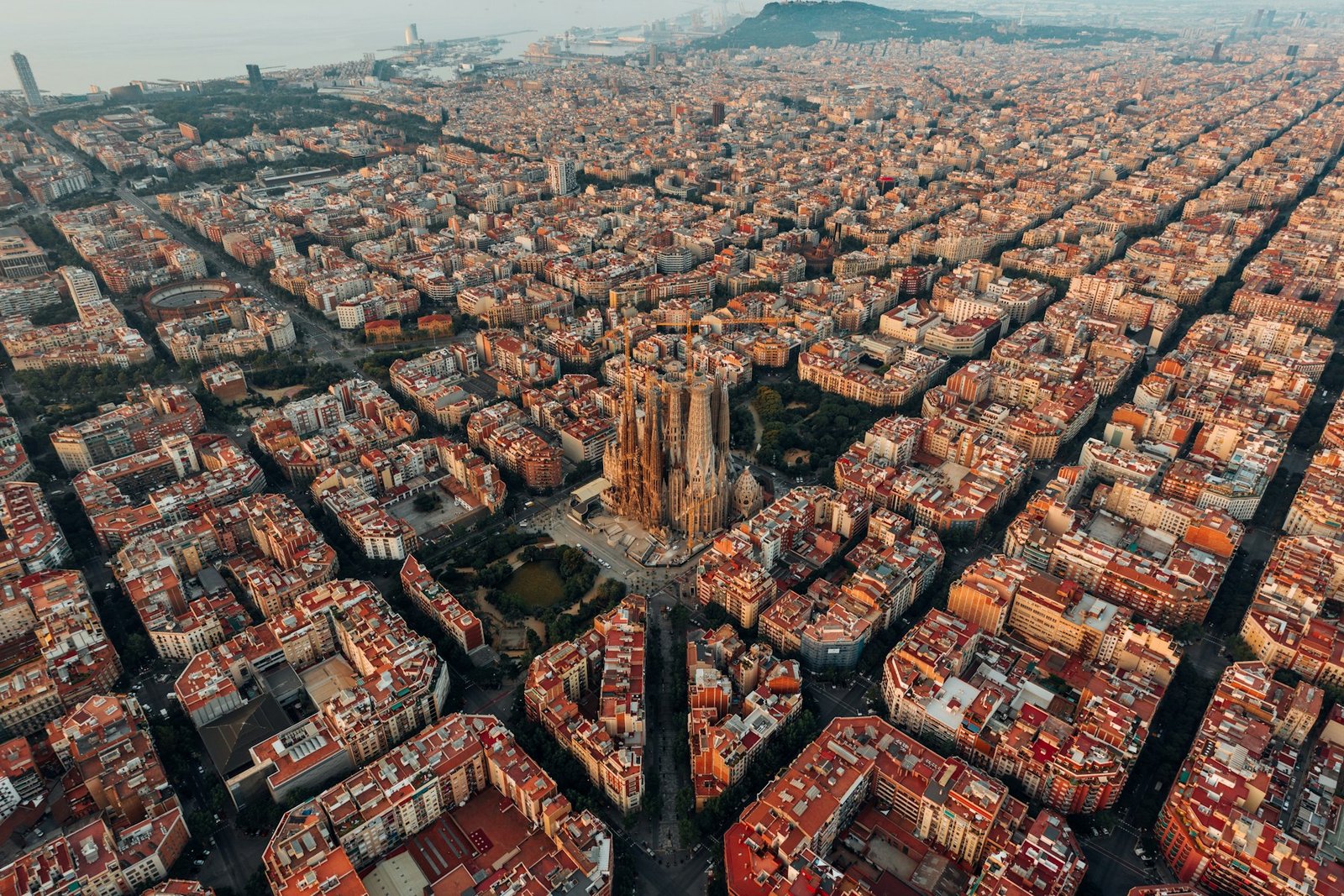
Barcelona combines Gaudí architecture, medieval lanes, modern art, markets, neighborhood food, hills, and an urban beach, but timed entries and overtourism make route design essential. It suits architecture, art, food, couples, solo travel, beaches, nightlife, and rail trips and works best when Sagrada Família and Park Güell stay on separate compact days. A first visit works best when Sagrada Família, Park Güell, and Gothic Quarter and El Born are arranged around realistic transport and weather windows. Eixample is the most balanced first base, Gràcia offers neighborhood evenings, and El Born provides history and nightlife with more crowd and noise pressure. Barcelona planning connects Barcelona–El Prat Airport (BCN), Barcelona Sants, or regional coach terminals, metro, Eixample, and Sagrada Família with the six-row Euro (EUR) budget and 4–5 days route below. Before booking Barcelona, use the linked authorities to verify opening days, metro, and any timed entry for Sagrada Família.
AT A GLANCE
Barcelona quick travel summary
Barcelona prices are planning ranges rather than quotes. Before paying in Euro (EUR), check taxes, card charges, cancellation terms, and whether transport to Sagrada Família is included.
WHEN TO GO
Best time to visit
Spring (March–May)
Across Barcelona, expect mild days, changeable rain, and lengthening daylight; conditions near Sagrada Família can vary. For Barcelona, crowds and prices are moderate except around school and public holidays. Sagrada Família is the most practical Barcelona focus during this period. The limitation is that visitors in Barcelona should pack a waterproof layer and expect cool mornings. Heat, drought restrictions, pickpocket pressure, cruise calls, festival dates, timed-entry sellouts, and neighborhood noise affect a first visit. Recheck Barcelona weather and the operating status of Sagrada Família shortly before any weather-sensitive or reservation-dependent day.
Summer (June–August)
Across Barcelona, expect the warmest weather and the longest usable days; conditions near Park Güell can vary. This is the busiest and most expensive period for Barcelona. This period creates better conditions for Park Güell in Barcelona; the main drawback is that visitors in Barcelona should reserve accommodation and timed attractions early. Heat, drought restrictions, pickpocket pressure, cruise calls, festival dates, timed-entry sellouts, and neighborhood noise affect a first visit. Recheck Barcelona weather and the operating status of Sagrada Família shortly before any weather-sensitive or reservation-dependent day.
Autumn (September–November)
Across Barcelona, expect cooler air, changing foliage, and shorter daylight; conditions near Gothic Quarter and El Born can vary. Expect lighter crowds after early September. This period creates better conditions for Gothic Quarter and El Born in Barcelona; the main drawback is that visitors in Barcelona should check reduced hours and weather-sensitive services. Heat, drought restrictions, pickpocket pressure, cruise calls, festival dates, timed-entry sellouts, and neighborhood noise affect a first visit. Recheck Barcelona weather and the operating status of Sagrada Família shortly before any weather-sensitive or reservation-dependent day.
Winter (December–February)
Across Barcelona, expect cold conditions with the possibility of rain, snow, or storms; conditions near Montjuïc can vary. Expect quiet periods interrupted by holiday peaks. For Barcelona, this window favors Montjuïc. Schedule it only after accounting for the fact that in Barcelona, transport disruption and limited daylight require buffers. Heat, drought restrictions, pickpocket pressure, cruise calls, festival dates, timed-entry sellouts, and neighborhood noise affect a first visit. Recheck Barcelona weather and the operating status of Sagrada Família shortly before any weather-sensitive or reservation-dependent day.
ARRIVING
How to get there
BCN connects by airport Metro, Rodalies train from the appropriate terminal, official bus, taxi, and private transfer. Each option reaches different central points and ticket products do not all share identical airport validity, so compare through official TMB, Rodalies, and airport channels. Long-distance trains arrive at Sants. A taxi is easiest with luggage and the official bus is simple for central stops; rail or Metro can be cheapest depending on the pass. A rental car is unnecessary and environmental, parking, and pedestrian restrictions make it difficult.
MOVING AROUND
Getting around
Metro and buses cover the city, while walking works inside Eixample, Gothic Quarter, Born, Gràcia, and waterfront circuits. Do not combine Park Güell, the beach, and Montjuïc merely because all appear on one map. Trams support selected corridors and taxis are useful late at night. Bicycles require attention to designated lanes and pedestrian rules. Pickpockets target crowded transport and landmark approaches; secure phones before doors open. Historic lanes can be uneven and some stations lack ideal step-free connections. For a 4–5 days visit, group Sagrada Família with Park Güell, then protect Gothic Quarter and El Born for the strongest weather or access window. Sagrada Família and Park Güell belong on separate compact Barcelona stages; that leaves room for a delayed metro connection. Accessible Barcelona planning needs four checks: metro boarding, surfaces, restrooms, and the final approach to Sagrada Família.
CHOOSE A BASE
Where to stay
Eixample — best for first-time visitors
Grid streets, Metro lines, Gaudí architecture, restaurants, and broad hotel supply provide balance. Premium blocks are expensive and traffic noise affects lower floors.
Gràcia — best for neighborhood evenings
Small squares, independent food, and access toward Park Güell suit couples and longer stays. The waterfront and old city require transit and festival nights can be loud.
El Born or Gothic edge — best for history and nightlife
Medieval streets, museums, bars, and waterfront walking create an atmospheric short stay. Crowds, pickpockets, stairs, and late noise require careful block choice.
PLAN YOUR DAYS
Best things to do
Sagrada Família
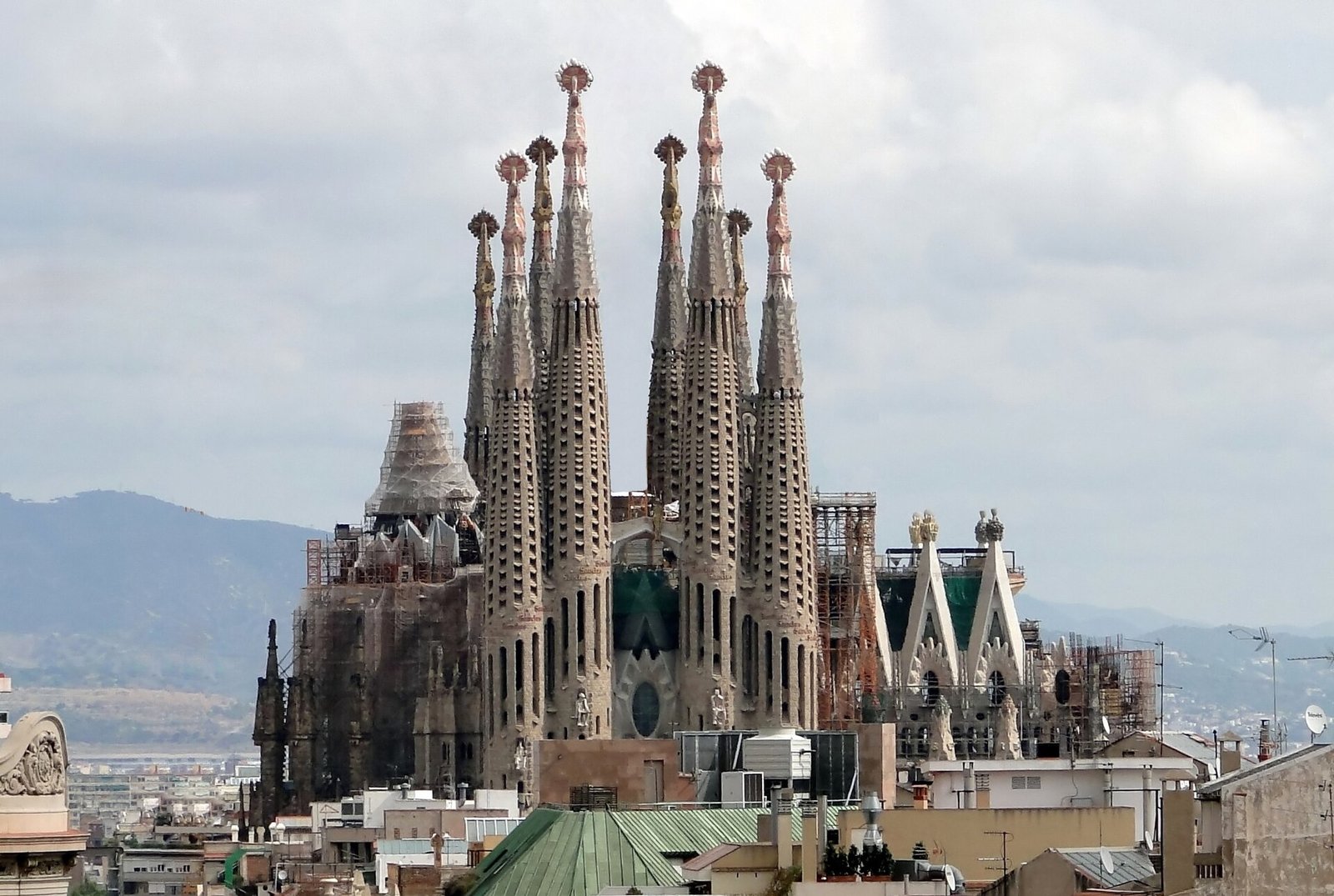
Gaudí’s evolving basilica combines structural experimentation, light, sculpture, and an active construction story. Allow 2–3 hours. Use an early official timed entry and arrive before security time. Advance official booking is essential. Ticket price depends on towers and guided options. Dress for a basilica and buy only from the official seller. It is best suited to first-time, architecture, and family travelers; on a short stay, keep Sagrada Família only when access and geography suit that day.
Park Güell
Landscape architecture, mosaics, city views, and residential context reward a planned route through regulated and public zones. Allow 2–3 hours. Visit early in mild weather and use the correct entrance. Timed monumental-zone entry should be booked officially. Paid regulated access and free park areas differ. Respect residents and do not climb protected structures. It is best suited to architecture and outdoor travelers; visitors with little time should retain Park Güell only if it stays near another priority.
Gothic Quarter and El Born
Roman traces, medieval institutions, churches, markets, and small museums provide a layered walking day. Allow 4–6 hours. Walk in daylight and choose one or two interiors. Special monuments or museum exhibitions may need booking. Public streets are free; attractions vary. Avoid empty alleys late and secure valuables in bottlenecks. It is best suited to history, food, and first-time visitors; time-limited visitors should add Gothic Quarter and El Born only when it fits the same area and current conditions.
Montjuïc
Museums, gardens, Olympic sites, viewpoints, and cable transport offer a full hillside day. Allow 4–7 hours. Choose clear mild weather and check fountains or cable operations. Major exhibitions and cable cars may need booking. Public gardens are free; museums and lifts charge. Group the hill in one direction to avoid repeated climbs. It is best suited to art, gardens, and family travelers; On a short Barcelona visit, Montjuïc should not force a cross-destination transfer.
Barceloneta and waterfront
Urban beaches, maritime history, promenade, and seafood can provide a slower half day outside peak sun. Allow 3–5 hours. Use morning or late afternoon and check beach flags. No public-beach booking is needed; restaurants may. Beach access is free; facilities and meals vary. Protect valuables and never swim under unsafe flags. It is best suited to beach and easy-day travelers; on a short stay, keep Barceloneta and waterfront only when access and geography suit that day.
A PRACTICAL ROUTE
Suggested itinerary
Eixample
Arrive, walk the grid around one Gaudí exterior circuit, and keep dinner near the base.
Sagrada Família and Gràcia
Use the timed basilica entry, continue north once, and explore Gràcia without returning to the coast.
Old city
Walk Gothic and Born districts, selecting one museum and a reserved food stop.
Park Güell and modernism
Enter the park early and pair it with a nearby district rather than Montjuïc.
Montjuïc or waterfront
Use the hill for art and gardens, or retain a beach and weather buffer before departure.
REALISTIC BUDGET
Estimated travel costs
Barcelona costs move most with April–June or September–October, booking timing, taxes, and the exact position of a room in Eixample. Barcelona’s dollar figures use August 1, 2026 reference rates; recalculate them before payment.
TRAVEL WELL
Practical travel tips
- Book Sagrada Família and Park Güell only through official sites and verify the entrance time.
- Secure phones and wallets before entering crowded Metro cars and landmark approaches.
- Choose accommodation by exact block because nightlife and street noise change quickly.
- Respect Catalan language, residential spaces, and neighborhood rules around visitor apartments.
- Do not eat every meal on the busiest Rambla or landmark frontage; compare posted menus.
- Follow beach flags and carry only essentials to the sand.
- Reserve peak rooms, major Gaudí sites, priority restaurants, and festival travel early.
- Solo women should use active late routes, avoid empty old-city lanes, and choose licensed taxis or approved rides.
COMMON QUESTIONS
Barcelona travel FAQ
How many days do you need in Barcelona?
4–5 days is a practical first-visit range for Barcelona. If 4–5 days is not available, keep one compact Barcelona base and Sagrada Família; additional days are most useful as weather and transport buffers.
Is Barcelona expensive?
In Barcelona, a realistic daily planning range is €75–125 (about US$87–144) budget; €180–350 (about US$208–404) mid-range, per person. In Barcelona, the biggest budget jumps usually come from room location, peak dates, private metro, and guided access to Sagrada Família.
Do you need a car in Barcelona?
No. Metro, buses, trams, suburban rail, walking, and taxis cover the city. A car adds parking and restricted-zone problems.
What is the best month to visit Barcelona?
May and October often combine comfortable walking weather with broad services, though festivals can raise demand.
Is Barcelona safe for solo female travelers?
Barcelona is widely visited by solo women. Pickpocketing is the main concern, so secure valuables and use active late-night routes. Use current government guidance and destination notices—not an old booking page—to make the final Barcelona risk check.
What should you book in advance for Barcelona?
Reserve Sagrada Família, Park Güell, peak rooms, long-distance trains, major exhibitions, and priority restaurants.
KEEP EXPLORING
Related The Wander Muse guides
PLAN WITH CURRENT INFORMATION
Official resources
For Barcelona, opening hours, fares, permits, weather rules, and transport arrangements can change. For Barcelona, use these official links to confirm what is operating during April–June or September–October, rather than relying on an older itinerary.