Future-city scale beside the desert

Dubai Travel Guide: Itinerary, Costs, Best Areas & Transport

Record-breaking architecture, beach clubs, old-city waterways, and desert experiences beyond the skyline.

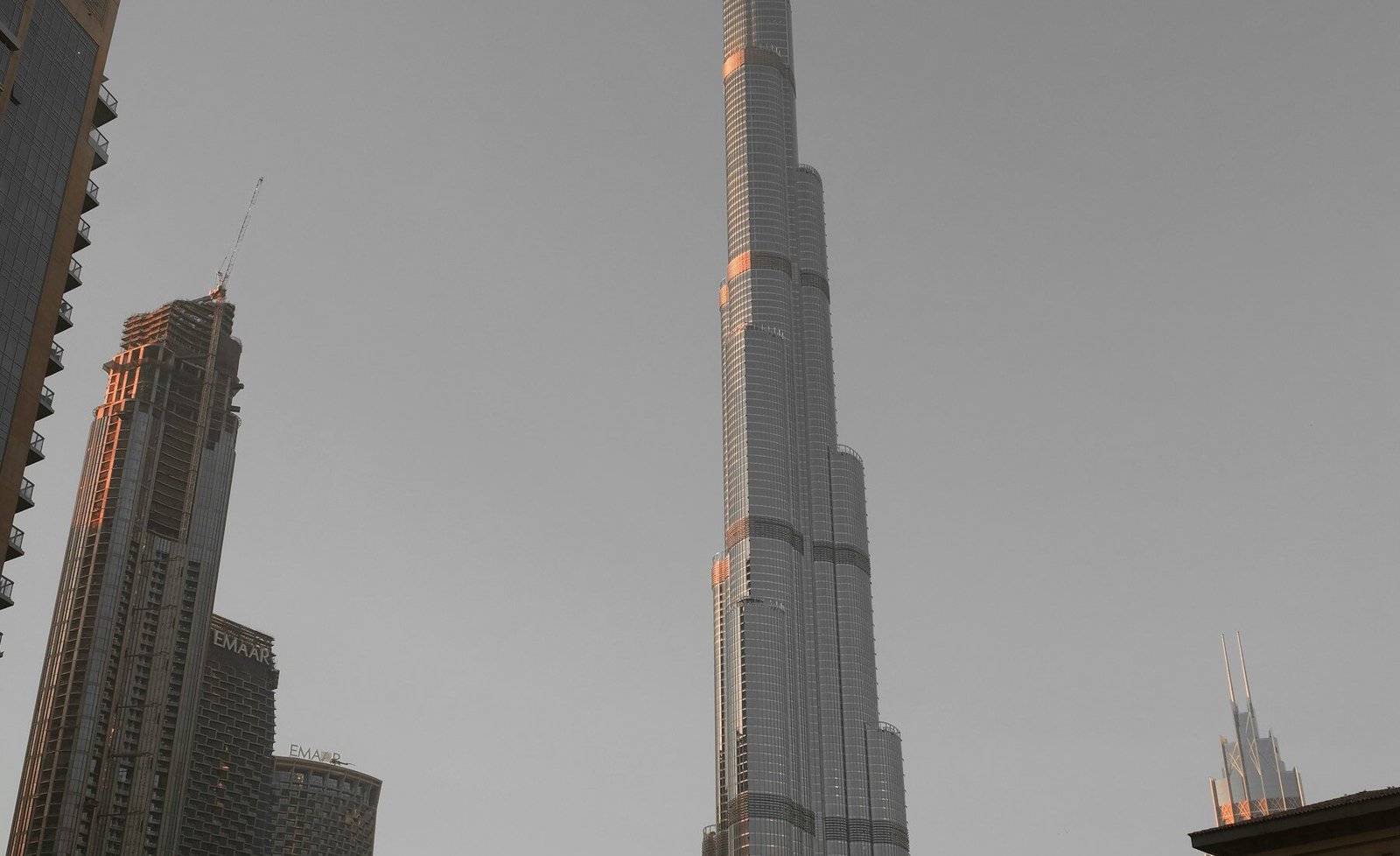
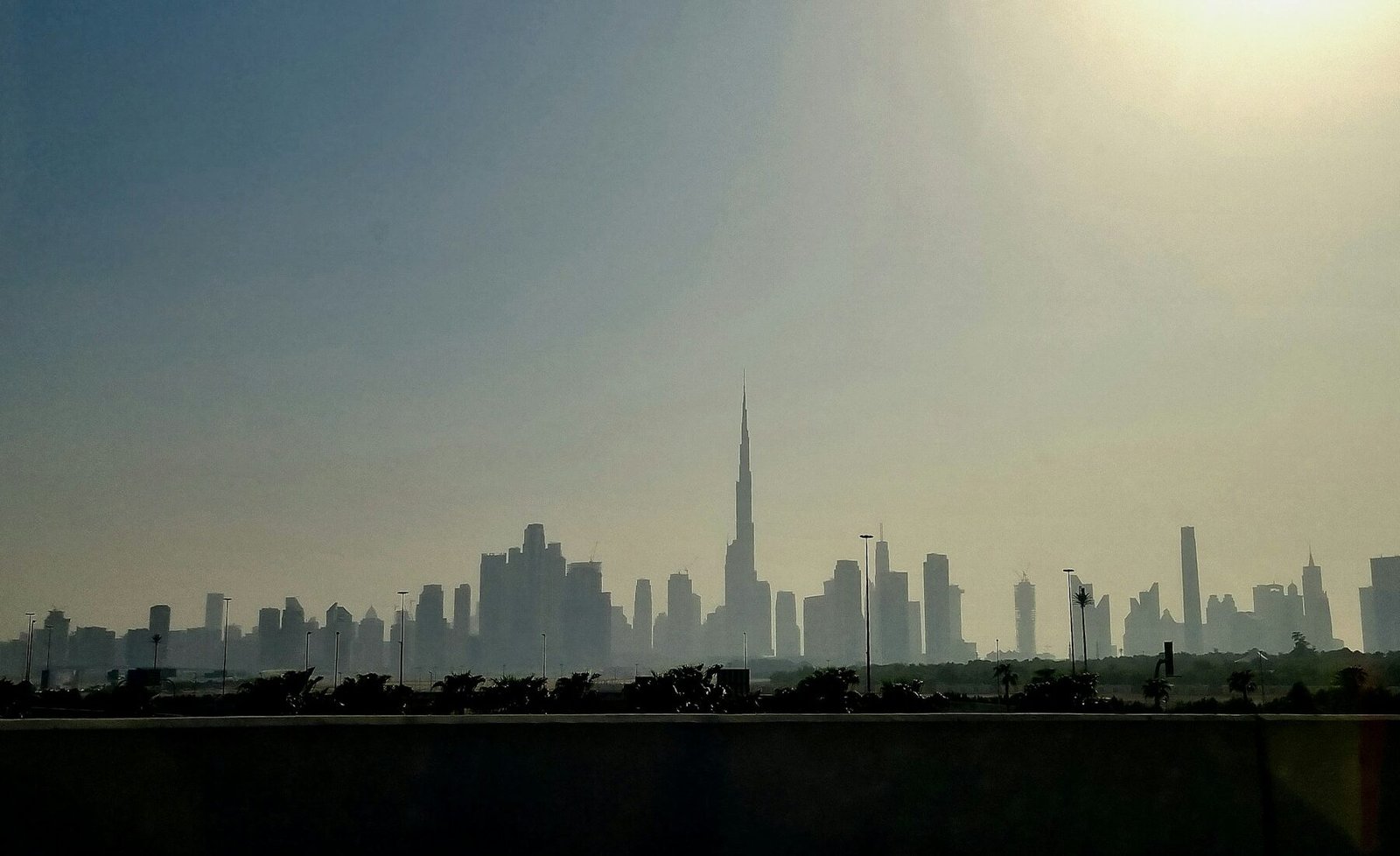
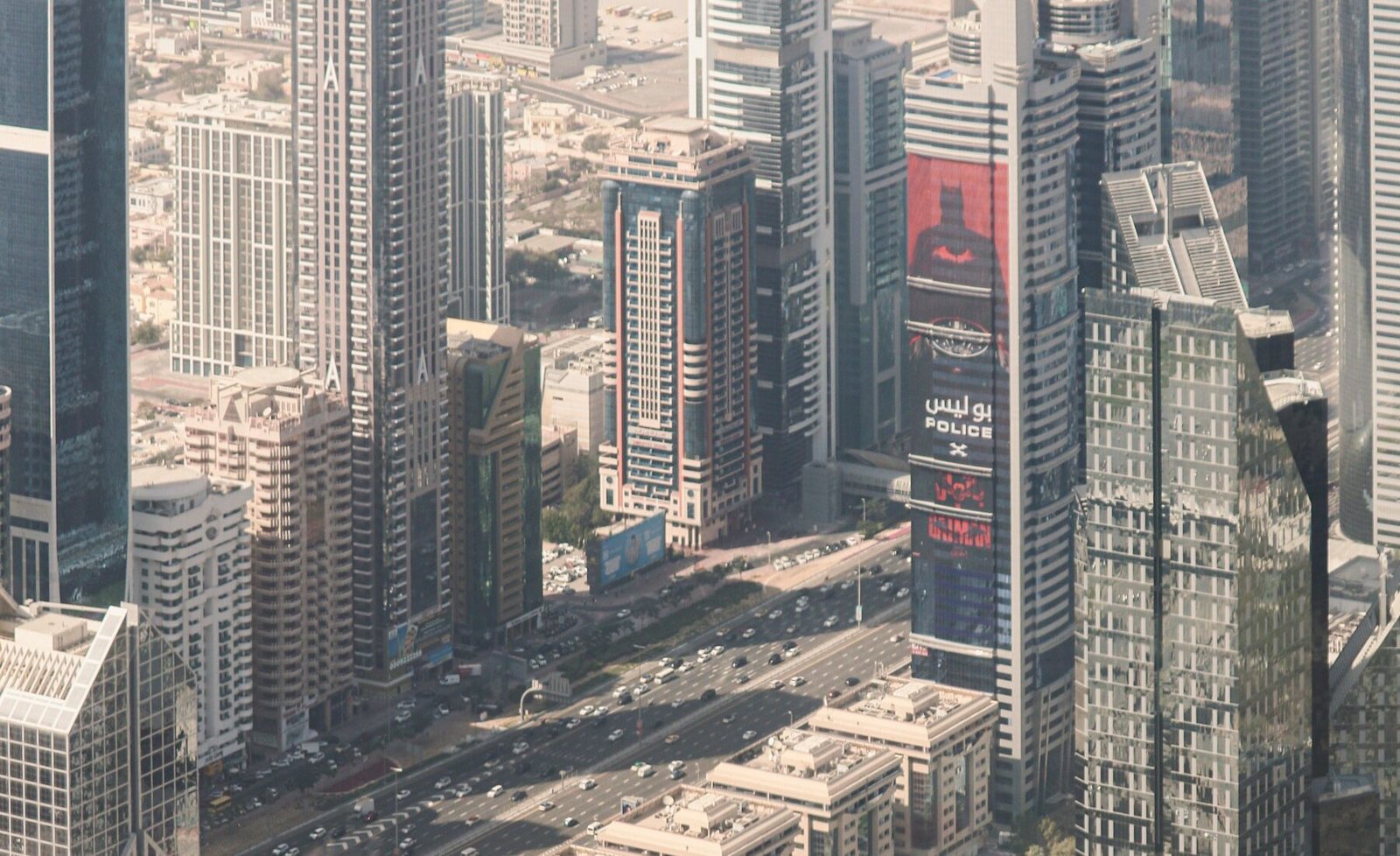
Dubai’s modern skyline and Burj Khalifa
· Source ↗

START HERE

Why visit Dubai

Dubai combines record-scale architecture, public beaches, an active creek, restored trading districts, and desert landscapes across a city where distance matters. It suits architecture, beaches, shopping, food, stopovers, families, and desert experiences and works best when Al Fahidi and Dubai Creek and Burj Khalifa observation decks stay on separate compact days. A first visit works best when Al Fahidi and Dubai Creek, Burj Khalifa observation decks, and Jumeirah public beaches are arranged around realistic transport and weather windows. Downtown suits headline landmarks, Marina and JBR fit beach evenings, and Bur Dubai or Deira offer better-value access to the Creek and older city. Dubai planning connects Dubai International Airport (DXB); Al Maktoum International Airport (DWC) for selected flights, dubai metro, Downtown Dubai, and Al Fahidi and Dubai Creek with the six-row UAE dirham (AED) budget and 3–5 days route below. Before booking Dubai, use the linked authorities to verify opening days, dubai metro, and any timed entry for Al Fahidi and Dubai Creek.

AT A GLANCE

Dubai quick travel summary

LocationEmirate of Dubai, United Arab Emirates
Best time to visitNovember–March
Recommended trip length3–5 days
Nearest airport or major stationDubai International Airport (DXB); Al Maktoum International Airport (DWC) for selected flights
Typical daily budgetAED 260–440 (about US$71–120) budget; AED 700–1,400 (about US$191–381) mid-range, per person
Best forarchitecture, beaches, shopping, food, stopovers, families, and desert experiences
Main transportationDubai Metro, tram, RTA bus, abra, licensed taxi, ride-hailing, and walking within districts
CurrencyUAE dirham (AED)
LanguageArabic; English is widely used
Time zoneGulf Standard Time, UTC+4 year-round

Dubai prices are planning ranges rather than quotes. Before paying in UAE dirham (AED), check taxes, card charges, cancellation terms, and whether transport to Al Fahidi and Dubai Creek is included.

WHEN TO GO

Best time to visit

Spring (March–May)

Across Dubai, expect warm days, cooler evenings, and generally comfortable sightseeing; conditions near Al Fahidi and Dubai Creek can vary. Crowds and prices are high around holidays and festivals. This period creates better conditions for Al Fahidi and Dubai Creek in Dubai; the main drawback is that in Dubai, midday heat increases quickly by late spring. Outdoor comfort changes drastically with heat, and religious observances or public holidays can alter hours and alcohol service. Recheck Dubai weather and the operating status of Al Fahidi and Dubai Creek shortly before any weather-sensitive or reservation-dependent day.

Summer (June–August)

Across Dubai, expect extreme daytime heat and strong air-conditioning indoors; conditions near Burj Khalifa observation decks can vary. For Dubai, hotel prices are lower for hotels, although indoor attractions can be busy. For Dubai, this window favors Burj Khalifa observation decks. Schedule it only after accounting for the fact that in Dubai, long outdoor plans can be unsafe and impractical. Outdoor comfort changes drastically with heat, and religious observances or public holidays can alter hours and alcohol service. Recheck Dubai weather and the operating status of Al Fahidi and Dubai Creek shortly before any weather-sensitive or reservation-dependent day.

Autumn (September–November)

Across Dubai, expect heat easing gradually into pleasant evenings; conditions near Jumeirah public beaches can vary. Demand and prices are rising as outdoor conditions improve. For Dubai, this window favors Jumeirah public beaches. Schedule it only after accounting for the fact that in Dubai, September can still feel intensely hot. Outdoor comfort changes drastically with heat, and religious observances or public holidays can alter hours and alcohol service. Recheck Dubai weather and the operating status of Al Fahidi and Dubai Creek shortly before any weather-sensitive or reservation-dependent day.

Winter (December–February)

Across Dubai, expect mild days and cooler nights; conditions near Dubai Marina and Palm viewpoints can vary. For Dubai, crowds and prices are at peak levels, with premium room rates. Dubai Marina and Palm viewpoints is the most practical Dubai focus during this period. The limitation is that in Dubai, popular timed entries and camps need advance booking. Outdoor comfort changes drastically with heat, and religious observances or public holidays can alter hours and alcohol service. Recheck Dubai weather and the operating status of Al Fahidi and Dubai Creek shortly before any weather-sensitive or reservation-dependent day.

ARRIVING

How to get there

DXB connects directly to the Red and Green Metro lines, making rail the cheapest practical arrival when the hotel is near a station and luggage is manageable. Licensed airport taxis are easiest after late flights or for beach districts requiring a final transfer. DWC lies much farther south and needs a longer taxi, bus combination, or arranged transfer. Buy and top up the correct Nol card through RTA channels, confirm the terminal before departure, and leave extra time for the large airport. Travelers connecting between DXB and DWC should treat them as separate airports and allow a substantial road margin.

MOVING AROUND

Getting around

The Metro covers the main spine but stations can be a long, hot walk from the final entrance. Tram and bus connections help in Marina and beach districts, while licensed taxis are useful for the Creek’s less direct routes, Palm areas, and late evenings. Traditional abras provide an inexpensive Creek crossing on designated routes. A rental car is unnecessary for a first city visit and brings tolls, parking, and complex interchanges. Walking works inside Al Fahidi, Downtown, Marina, and individual malls, not between those zones. Use official taxi or ride-hailing apps and check that the destination pin identifies the correct hotel entrance. For a 3–5 days visit, group Al Fahidi and Dubai Creek with Burj Khalifa observation decks, then protect Jumeirah public beaches for the strongest weather or access window. Al Fahidi and Dubai Creek and Burj Khalifa observation decks belong on separate compact Dubai stages; that leaves room for a delayed dubai metro connection. Accessible Dubai planning needs four checks: dubai metro boarding, surfaces, restrooms, and the final approach to Al Fahidi and Dubai Creek.

CHOOSE A BASE

Where to stay

Downtown Dubai — best for first-time landmarks

Burj Khalifa, Dubai Mall, and evening attractions are close, reducing transfers on a short stopover. Rooms, dining, and event-night traffic are expensive, and the district feels less residential.

Dubai Marina and JBR — best for beach, nightlife, and long stays

Beach access, restaurants, tram connections, and evening promenades suit couples and repeat visitors. The airport transfer is longer and peak traffic can isolate the area from Old Dubai.

Bur Dubai or Deira — best for budget and Creek access

Metro stations, souks, inexpensive food, and heritage areas create better daily value. The beach and southern landmarks require longer rides, and hotel quality varies street by street.

PLAN YOUR DAYS

Best things to do

Al Fahidi and Dubai Creek

Restored lanes, museums, souks, and abra crossings explain Dubai’s trading history beyond the skyline. Allow 3–5 hours. Start in the morning, cross the Creek before midday heat, and return for food if desired. Most public areas need no reservation; museums keep individual hours. Walking is free and an abra fare is inexpensive. Dress modestly in heritage and religious settings and confirm market opening times. It is best suited to history, food, and budget travelers; on a short stay, keep Al Fahidi and Dubai Creek only when access and geography suit that day.

Burj Khalifa observation decks

Timed lifts provide a clear lesson in the city’s scale when visibility and light cooperate. Allow 1.5–2.5 hours. Choose a daylight-to-sunset slot only if the premium and haze risk are acceptable. Timed booking through the official site is strongly recommended. Ticket tiers and peak-time prices vary. Arrive early because access begins inside a very large mall. It is best suited to first-time visitors and architecture enthusiasts; visitors with little time should retain Burj Khalifa observation decks only if it stays near another priority.

Jumeirah public beaches

Clean urban beaches offer a lower-cost counterweight to indoor attractions and private clubs. Allow 2–4 hours. Use early morning or late afternoon outside winter. Public beaches usually need no reservation. Access may be free; parking, lockers, and facilities vary. Follow swimming flags, dress rules away from the sand, and avoid extreme heat. It is best suited to families, swimmers, and budget travelers; time-limited visitors should add Jumeirah public beaches only when it fits the same area and current conditions.

Dubai Marina and Palm viewpoints

Waterfront promenades and elevated views show the planned coastal city at its most dramatic. Allow 3–5 hours. Visit late afternoon and remain for evening lights without crossing the whole city twice. Reserve paid viewpoints or cruises; promenades are open access. Walking is free and activities vary widely. Use tram or Metro where possible because road congestion is heavy. It is best suited to couples and cityscape photographers; On a short Dubai visit, Dubai Marina and Palm viewpoints should not force a cross-destination transfer.

Responsible desert experience

Dunes and protected desert landscapes add context, but operator quality and animal practices differ substantially. Allow 5–7 hours. Choose cooler months and avoid itineraries promising too many staged stops. Reserve a licensed operator with clear inclusions and safety terms. Shared trips span a wide price range. Prefer conservation-focused programs and disclose motion or medical concerns. It is best suited to families with older children, couples, and landscape travelers; on a short stay, keep Responsible desert experience only when access and geography suit that day.

A PRACTICAL ROUTE

Suggested itinerary

Day 1

Old Dubai and the Creek

Use the Metro to Al Fahidi, cross by abra, explore one souk circuit, and keep the evening near the hotel after the flight.

Day 2

Downtown architecture

Visit one museum or design stop, use a timed Burj Khalifa entry, and avoid leaving Downtown before the evening rush clears.

Day 3

Jumeirah coast and Marina

Start at a public beach, continue toward Marina by transit, and stay in the same southern zone through dinner.

Day 4

Desert or culture day

Use a vetted desert operator in cooler hours, or replace the outing with museums and shaded heritage spaces during extreme heat.

Day 5

Flexible landmark and departure buffer

Choose a Palm viewpoint, repeat a beach, or shop near the airport rather than stacking a distant attraction before the flight.

REALISTIC BUDGET

Estimated travel costs

AccommodationAED 180–650 (about US$49–177) for a hostel, simple hotel, or mid-range room
FoodAED 90–260 (about US$25–71) for food-court meals, cafés, and one restaurant dinner
Local transportationAED 30–140 (about US$8–38) for Metro, bus, abra, and occasional taxis
Attraction ticketsAED 80–350 (about US$22–95) depending on museums and observation decks
ActivitiesAED 180–650 (about US$49–177) for a desert trip, cruise, beach club, or premium viewpoint
MiscellaneousAED 50–140 (about US$14–38) for water, tips, lockers, and schedule changes

Dubai costs move most with November–March, booking timing, taxes, and the exact position of a room in Downtown Dubai. Recalculate Dubai’s dollar comparison when booking. The figures here convert UAE dirham (AED) at August 1, 2026 reference rates and exclude later card charges.

TRAVEL WELL

Practical travel tips

  • Use the official RTA journey planner and buy the correct Nol card rather than paying repeated taxi fares across the city.
  • Group Old Dubai, Downtown, Marina, and the desert into separate zones to avoid hours of backtracking.
  • Dress modestly in mosques, heritage areas, government buildings, and ordinary public spaces away from beaches.
  • Do not plan prolonged outdoor walking during extreme heat; dehydration and hot pavement are serious risks.
  • Cards are widely accepted, but keep small dirhams for abras and check whether the terminal offers an unfavorable home-currency conversion.
  • Alcohol is restricted to licensed venues and public intoxication or disruptive behavior can have legal consequences.
  • Reserve premium viewpoints, special restaurants, and conservation-led desert trips for winter weekends.
  • Solo female travelers should use licensed taxis or official apps late at night and apply local laws and dress norms.

COMMON QUESTIONS

Dubai travel FAQ

How many days do you need in Dubai?

3–5 days is a practical first-visit range for Dubai. If 3–5 days is not available, keep one compact Dubai base and Al Fahidi and Dubai Creek; additional days are most useful as weather and transport buffers.

Is Dubai expensive?

In Dubai, a realistic daily planning range is AED 260–440 (about US$71–120) budget; AED 700–1,400 (about US$191–381) mid-range, per person. In Dubai, the biggest budget jumps usually come from room location, peak dates, private dubai metro, and guided access to Al Fahidi and Dubai Creek.

Do you need a car in Dubai?

No. Metro, tram, buses, taxis, and abras are more practical for a first visit. A car is useful only for a specific regional route and brings parking and toll complexity.

What is the best month to visit Dubai?

February often provides comfortable outdoor weather after the festive peak, while November is a strong early-season alternative.

Is Dubai safe for solo female travelers?

Dubai is commonly navigated by solo women and public transport is organized. Follow local laws, use licensed transport at night, and dress appropriately for the setting. Use current government guidance and destination notices—not an old booking page—to make the final Dubai risk check.

What should you book in advance for Dubai?

Reserve winter accommodation, Burj Khalifa or other timed viewpoints, a reputable desert experience, and high-priority restaurants.

KEEP EXPLORING

Related The Wander Muse guides

PLAN WITH CURRENT INFORMATION

Official resources

For Dubai, opening hours, fares, permits, weather rules, and transport arrangements can change. Recheck current Dubai operating information below, especially before reserving Burj Khalifa observation decks.