START HERE
Why visit Great Barrier Reef
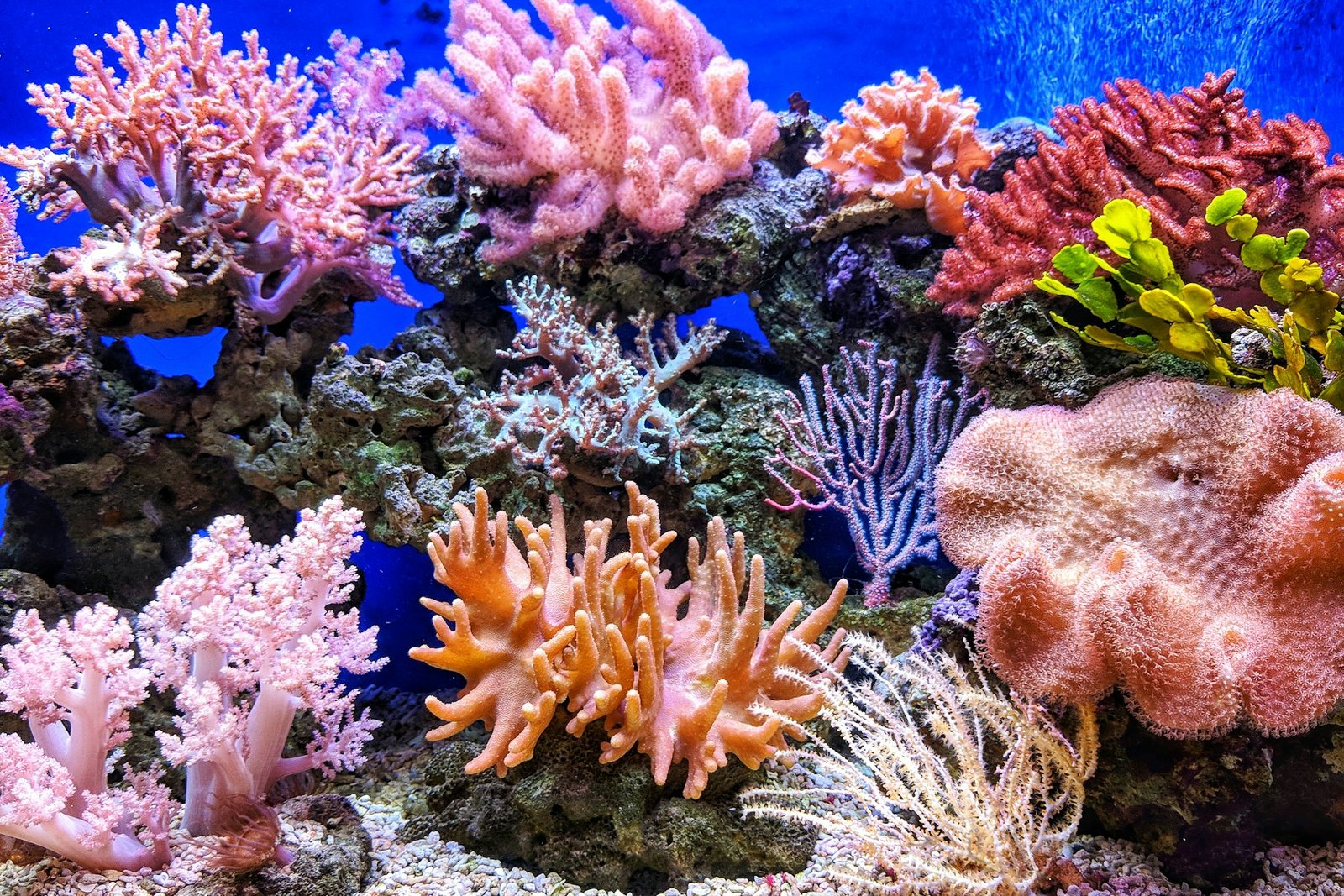
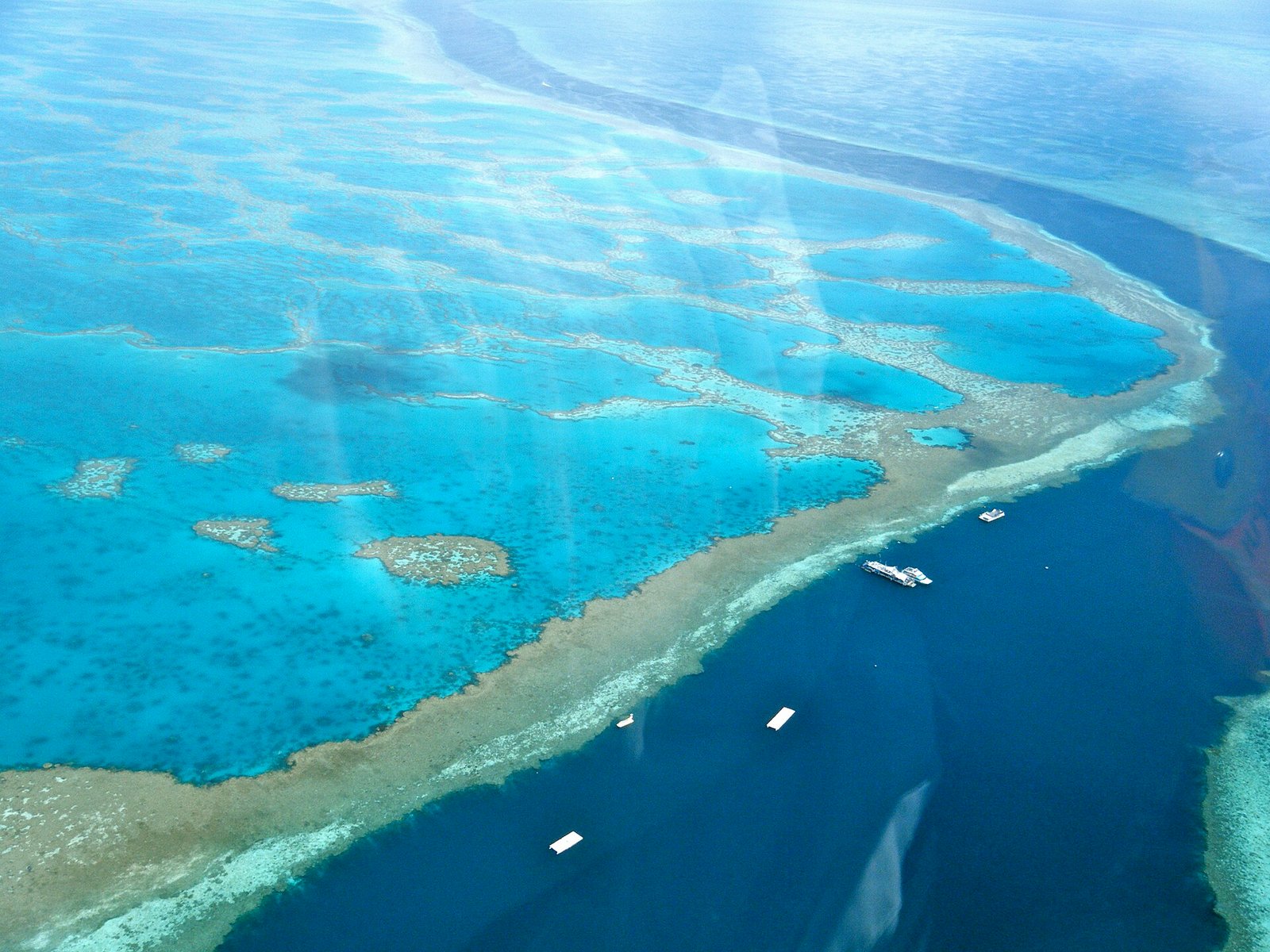
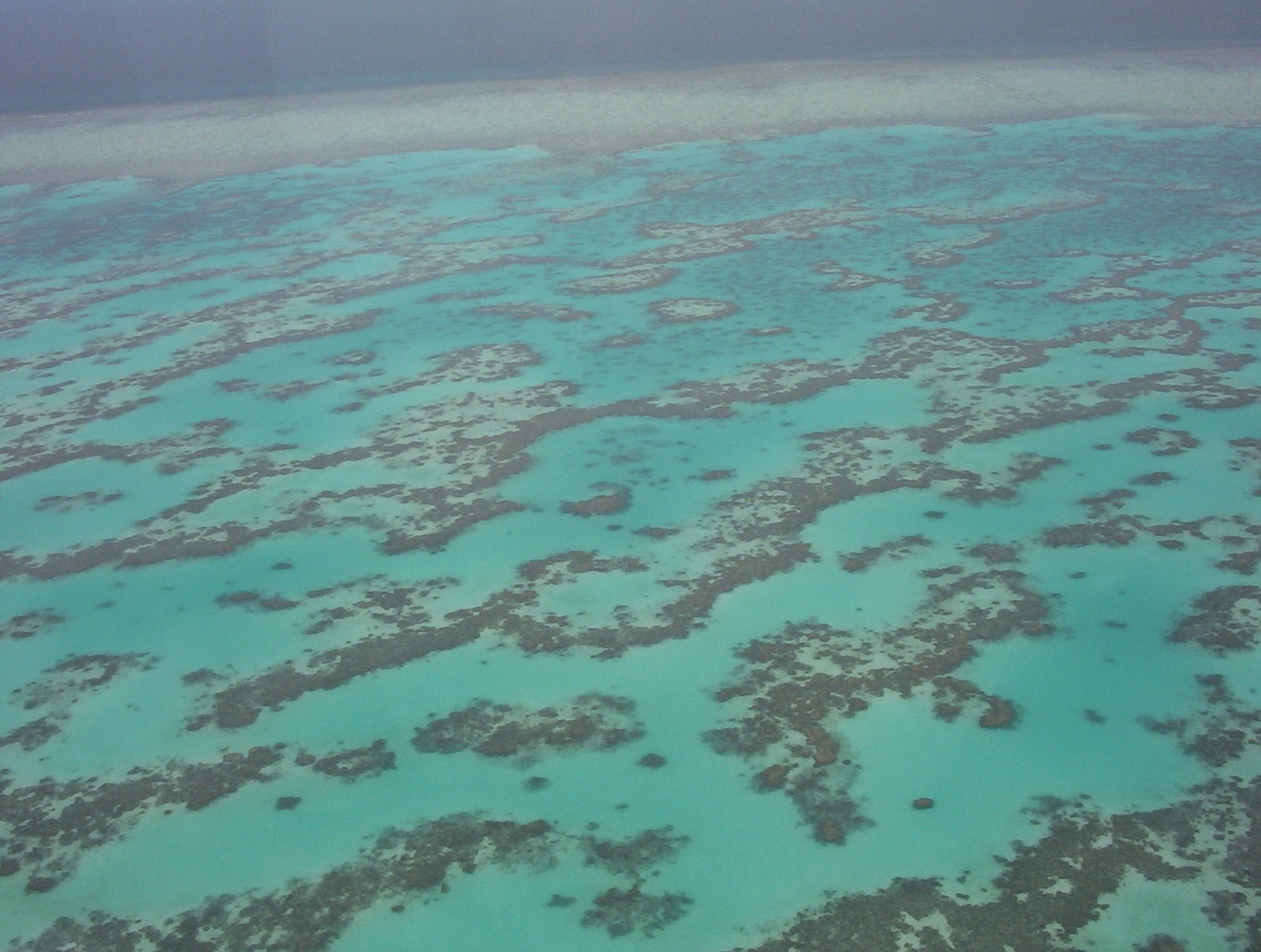
Great Barrier Reef rewards travelers who combine coral ecosystems, tropical islands, marine wildlife, Indigenous sea-country knowledge, and one of Earth’s great living structures with enough time for weather buffers, rainforest days, careful briefings, and time to compare boats instead of buying the first harbor offer. It is especially rewarding for snorkeling, diving, marine wildlife, families, couples, photography, and responsible nature travel. Operator quality, boat size, wind, visibility, stingers, currents, bleaching, and medical suitability shape every reef day. Cairns is the most balanced first base, Port Douglas offers quieter resort base, and A reef or Whitsunday island suits visitors prioritizing beach and water immersion. Great Barrier Reef planning links Cairns (CNS) or Hamilton Island (HTI), licensed reef vessel, Cairns, and Choose an eco-certified operator to the six-row Australian dollar (AUD) costs and 4–6 days itinerary below. Before paying for a Great Barrier Reef booking, confirm current weather limits, closures, permits, licensed reef vessel, and timed entry through an official source.
AT A GLANCE
Great Barrier Reef quick travel summary
For Great Barrier Reef, full-day reef trips commonly a$250–380 (about us$167–254). Great Barrier Reef estimates can exclude taxes; verify Choose an eco-certified operator fees, card charges, transport, and seasonal supplements.
WHEN TO GO
Best time to visit
Late wet season (March–May)
Across Great Barrier Reef, expect warm humid days, heavy showers, green landscapes, and unsettled seas; conditions near Choose an eco-certified operator can vary. Crowd and price pressure is low to moderate. The strongest reason to travel then is value, lush scenery, and quieter resorts; the trade-off is that cyclones, flooding, mosquitoes, and boat cancellations remain possible. Trade winds, tropical cyclones, marine stingers, strong sun, currents, seasickness, coral stress, and diving medical requirements can still change a carefully planned day, so retain one lower-risk alternative and check official forecasts, road or marine notices, and reservation calendars shortly before every exposed outing.
Dry season (June–August)
Across Great Barrier Reef, expect warm sunny days, cooler evenings, lower humidity, and steady trade winds; conditions near Compare pontoon, small-boat, and island experiences can vary. Crowd and price pressure is high. The strongest reason to travel then is reliable wildlife, beach, hiking, and boat conditions; the trade-off is that popular rooms and guides sell out while wind affects some coasts. Trade winds, tropical cyclones, marine stingers, strong sun, currents, seasickness, coral stress, and diving medical requirements can still change a carefully planned day, so retain one lower-risk alternative and check official forecasts, road or marine notices, and reservation calendars shortly before every exposed outing.
Hot shoulder season (September–November)
Across Great Barrier Reef, expect warming air, clear spells, increasing humidity, and changing wind; conditions near Allow a spare weather day can vary. Crowd and price pressure is moderate. The strongest reason to travel then is balanced prices, wildlife, and water activities; the trade-off is that heat and early storms require flexible timing. Trade winds, tropical cyclones, marine stingers, strong sun, currents, seasickness, coral stress, and diving medical requirements can still change a carefully planned day, so retain one lower-risk alternative and check official forecasts, road or marine notices, and reservation calendars shortly before every exposed outing.
Wet season (December–February)
Across Great Barrier Reef, expect hot humid weather, tropical rain, warm water, and possible cyclones; conditions near Pair the reef with rainforest or island time can vary. Crowd and price pressure is high around holidays then lower. The strongest reason to travel then is festive travel, warm seas, and vivid vegetation; the trade-off is that official cyclone, flood, stinger, and marine warnings take priority. Trade winds, tropical cyclones, marine stingers, strong sun, currents, seasickness, coral stress, and diving medical requirements can still change a carefully planned day, so retain one lower-risk alternative and check official forecasts, road or marine notices, and reservation calendars shortly before every exposed outing.
ARRIVING
How to get there
Cairns Airport provides the broadest gateway for Cairns, Port Douglas transfers, and northern reef boats; Hamilton Island and other airports serve different Whitsunday routes. Choose one reef region rather than treating the full coast as one destination. Protect a land night before and after any liveaboard or flight-dependent vessel. From Cairns (CNS) or Hamilton Island (HTI), compare luggage handling and service hours through to Cairns; the cheapest Great Barrier Reef fare may leave an impractical final connection. For a late Cairns (CNS) or Hamilton Island (HTI) arrival, get the Great Barrier Reef transfer instructions in writing and decline undocumented rides.
MOVING AROUND
Getting around
Cairns marina departures are walkable from central hotels, while Port Douglas needs a road transfer and islands use scheduled ferries. Vessel style matters: pontoons offer infrastructure, small boats may reach selected sites, and liveaboards add remote time. Compare passenger count, reef permits, flotation, shade, toilets, medical oxygen, and cancellation. Group one primary reef vessel day, one island or second marine experience only if conditions and budget support it, and a Daintree or rainforest buffer rather than consecutive fragile boat days. This Great Barrier Reef order avoids repeated transfers and keeps Compare pontoon, small-boat, and island experiences available when weather, queues, or transport disrupt Choose an eco-certified operator. Accessible Great Barrier Reef plans should verify licensed reef vessel boarding, surfaces, restrooms, and the final approach to Choose an eco-certified operator.
CHOOSE A BASE
Where to stay
Cairns — best for tour choice and logistics
Airport access, a large marina program, restaurants, and rainforest connections create the easiest first base. The city esplanade is not an ocean-swimming beach. A room labeled Cairns can still be inconvenient in Great Barrier Reef; check its location, after-dark route, and connection.
Port Douglas — best for quieter resort base
Restaurants, Four Mile Beach, Daintree access, and selected outer-reef boats suit a slower stay. Airport transfers are longer and tour choice is smaller. A room labeled Port Douglas can still be inconvenient in Great Barrier Reef; check its location, after-dark route, and connection.
A reef or Whitsunday island — best for beach and water immersion
Staying on an island reduces repeated mainland boat commuting and supports early water time. Rooms, meals, transfers, and weather dependence are expensive. For A reef or Whitsunday island, verify the exact Great Barrier Reef block, evening access, transfer time, and cancellation terms.
PLAN YOUR DAYS
Best things to do
Choose an eco-certified operator
An eco-certified reef operator should provide strong briefings, trained crew, legal sites, flotation, and active conservation practice. Allow 8–10 hours. Compare actual reef locations, passenger count, travel time, medical oxygen, shade, and every equipment inclusion. Full-day trips commonly cost A$250–380 (about US$165–251).. Confirm transport to Choose an eco-certified operator, then follow any Great Barrier Reef closure, barrier, or guide direction.
Compare pontoon, small-boat, and island experiences
Pontoon, small-boat, island, and liveaboard formats suit different confidence, mobility, diving, and seasickness needs. Allow One day to several nights. Choose format before price, disclose medical conditions, and never assume introductory diving is suitable for everyone. Introductory diving commonly adds A$90–160 (about US$59–106), while liveaboards cost much more.. For Compare pontoon, small-boat, and island experiences, let Great Barrier Reef access rules and staff instructions set the safe limit.
Allow a spare weather day
A second site or island can reveal different coral, seabirds, beaches, and Indigenous sea-country context without repeating one boat. Allow 5–9 hours. Keep it conditional on wind and energy, follow island biosecurity, and use licensed ferries or vessels. Island ferries and day trips commonly cost A$100–300 (about US$66–198).. Before Allow a spare weather day, verify Great Barrier Reef access, then assess the fitness demands and return connection for Allow a spare weather day.
Pair the reef with rainforest or island time
Snorkeling quality depends on current, visibility, coral zone, guide ratio, and personal comfort rather than the promotional species list. Allow 1–4 hours in the water. Use flotation if helpful, remain with the buddy or guide, and never stand on coral. Equipment is often included; prescription masks, wetsuits, cameras, and guides may cost extra.. Pair the reef with rainforest or island time must fit the traveler’s ability and current Great Barrier Reef conditions; wildlife distances remain firm.
Daintree Rainforest or an Indigenous-guided land day
Daintree or an Indigenous-guided land day adds ancient rainforest, cultural knowledge, rivers, and a useful marine-weather alternative. Allow A full day. Use a responsible guide, check road and flood conditions, and avoid unsafe cassowary or crocodile approaches. Quality small-group days commonly cost A$180–350 (about US$119–231).. Confirm transport to Daintree Rainforest or an Indigenous-guided land day, then follow any Great Barrier Reef closure, barrier, or guide direction.
A PRACTICAL ROUTE
Suggested itinerary
Arrive and orient
Reach Cairns, settle in near Cairns, check licensed reef vessel hours, and orient only around the route to Choose an eco-certified operator.
Choose an eco-certified operator
Use the first full itinerary stage for choose an eco-certified operator. After Choose an eco-certified operator, eat near Cairns instead of adding a cross-Great Barrier Reef transfer.
Compare pontoon, small-boat, and island experiences
Build the next itinerary stage around compare pontoon, small-boat, and island experiences, adding allow a spare weather day only if Great Barrier Reef access and the transfer from Cairns remain practical.
A different side of the destination
Use Port Douglas or A reef or Whitsunday island to reach pair the reef with rainforest or island time with less backtracking. Keep an independent meal, rest, or indoor alternative.
Flexible priority and departure
Choose daintree rainforest or an indigenous-guided land day, repeat time near Cairns, or recover Choose an eco-certified operator after a weather delay. End the Great Barrier Reef route with a real buffer for luggage, traffic, security, and the Cairns (CNS) or Hamilton Island (HTI) connection.
REALISTIC BUDGET
Estimated travel costs
Great Barrier Reef costs move most with May–October, the location of Cairns, and the choice between licensed reef vessel and private transfers. Treat Great Barrier Reef’s dollar figures as orientation. They convert Australian dollar (AUD) at August 1, 2026 reference rates for Great Barrier Reef, before later market movement or payment fees.
TRAVEL WELL
Practical travel tips
- Choose an eco-certified licensed operator by reef sites, passenger count, crew, safety equipment, and conservation practice.
- Disclose health conditions, medications, swimming ability, and diving history honestly before departure.
- Use flotation and remain with the guide or buddy; never stand on coral or chase marine life.
- Check wind, cyclone, stinger, visibility, and marine warnings before every boat day.
- Use sun protection that does not rely on entering the water immediately after applying product.
- Prepare for seasickness before boarding and protect medication and electronics from spray.
- Keep a rainforest, aquarium, or cultural day available when vessels cancel.
- Solo women should choose established vessels and staffed accommodation, verify cabin or dive-buddy arrangements, and share liveaboard details.
COMMON QUESTIONS
Great Barrier Reef travel FAQ
How many days do you need in Great Barrier Reef?
4–6 days is a realistic first-visit range for Great Barrier Reef. If 4–6 days is not possible, keep Cairns and Choose an eco-certified operator; extra Great Barrier Reef days should absorb recovery, weather, or reservation changes.
Is Great Barrier Reef expensive?
A practical daily planning range is A$200–330 (about US$132–218) budget; A$450–850 (about US$297–561) mid-range, per person. For Great Barrier Reef, room location, peak dates, private transport, permits, and guided access to Choose an eco-certified operator drive the largest increases; compare full inclusions, not headline prices.
Is Cairns or Port Douglas a better base?
Cairns has the widest boats and easiest airport access; Port Douglas is calmer and closer to Daintree but needs a longer transfer.
Can non-swimmers experience the reef?
Some pontoons offer observatories, semi-submersibles, flotation, and guided platforms. Disclose ability before booking and never enter beyond confidence.
When is the best visibility?
May to October often has drier conditions, but wind, tide, site, and recent weather determine visibility on any date.
What should you book first?
Reserve a reputable reef vessel or liveaboard, peak rooms, island ferries, and specialist diving first; retain a weather buffer.
KEEP EXPLORING
Related The Wander Muse guides
PLAN WITH CURRENT INFORMATION
Official resources
Opening hours, fares, permits, weather rules, and transport arrangements in Great Barrier Reef can change. The official sources below are the final reference for Great Barrier Reef schedules, restrictions, and visitor rules.