
START HERE
Why visit Valencia
Valencia offers a rare city-break balance: a walkable historic center, ambitious contemporary architecture, broad urban beaches, major food traditions, and a park created from a former riverbed. It suits couples, families, solo travelers, cyclists, and visitors who want Mediterranean weather without building the entire trip around nightlife. Three days cover the old city, the City of Arts and Sciences, and the coast; four days allow the Albufera wetlands, a market-focused morning, or a slower beach schedule. Metro, tram, buses, and cycling make a car unnecessary for most travelers, although attraction tickets and festival dates require advance thought. This guide compares the most useful neighborhoods, explains airport and beach transport, provides euro budget ranges, and lays out a four-day route with minimal backtracking. The main planning decision is whether the trip coincides with Las Fallas or another major event, when crowds, street closures, noise, and accommodation prices differ dramatically from an ordinary Valencia week.
AT A GLANCE
Valencia quick travel summary
Festival dates, beach weekends, attraction bundles, and apartment fees can move the total. Compare the final euro price and current inclusions.
WHEN TO GO
Best time to visit
Spring (March–May)
March centers on Las Fallas, bringing spectacular public art and intense crowds, noise, fireworks, closures, and peak prices. April and May are calmer, mild, and excellent for cycling and gardens, although showers occur and sea temperatures remain cool. Reserve March far ahead or choose late April for a more ordinary city experience.
Summer (June–August)
Summer is hot, sunny, and beach-oriented. Coastal rooms and weekend dining fill, while midday walking in exposed plazas becomes tiring. Prices rise around holidays, and humid nights make air-conditioning important. Sightsee early, pause during the hottest period, and use late afternoon for the beach or Turia Gardens.
Autumn (September–November)
September remains warm enough for the coast, while October often offers comfortable urban walking. Heavy rain events can occur and should be taken seriously, especially when official alerts are issued. Prices soften unevenly after summer. Keep one indoor day flexible and never enter flooded roads or underpasses.
Winter (December–February)
Winter is mild compared with northern Europe, with cool evenings, shorter daylight, and quieter beaches. Holiday dates still attract visitors, but ordinary weeks can offer value. Museums, markets, and food experiences work well, while swimming is not the focus. Carry layers and check reduced attraction schedules.
ARRIVING
How to get there
Metrovalencia lines connect Valencia Airport with central stations, and the official visitor card may include airport and urban transport depending on the product currently sold. The metro is usually the easiest balance of cost and time for travelers staying near the center. Taxis use the official rank and are useful for late arrivals, families, or accommodation far from rail. High-speed trains from Madrid and other Spanish cities use Joaquín Sorolla, with local transport toward the historic center. Some regional trains use Estació del Nord nearby. Long-distance buses arrive at the main bus station north of the old city. A rental car is unnecessary unless the trip continues through rural Valencia or along the coast. Verify the last metro after a late flight and check event-related street closures before booking a door-to-door transfer.
MOVING AROUND
Getting around
The old city is walkable, and the Turia Gardens create a long, mostly traffic-free axis toward the City of Arts and Sciences. EMT buses, Metrovalencia, and trams connect outer neighborhoods and beaches. A tourist card can be worthwhile when it matches the actual itinerary, but compare included zones and museums rather than assuming every major attraction is covered. Valenbisi and private bicycle rentals suit confident riders; use marked lanes and lock bikes properly. Taxis and ride services are best for late nights or the Albufera edge, not routine central trips. Parking and restricted central streets make a car inconvenient. Plan the old city as one zone, the modern complex and Turia as a second, and the maritime districts as a third.
CHOOSE A BASE
Where to stay
Ciutat Vella — best for first-time visitors
The historic center places the cathedral, Central Market, Silk Exchange, plazas, and restaurants within an easy walk. It is ideal for a short cultural visit and early sightseeing. Night noise, older buildings, restricted vehicle access, and premium event rates are the trade-offs. Confirm elevator and soundproofing before booking.
Ruzafa or Eixample — best for dining and contemporary city life
Ruzafa and the surrounding Eixample streets combine cafés, restaurants, nightlife, shops, and a local market while remaining walkable to the center. It suits couples and repeat visitors. Weekend noise and rising room prices can be significant, and the beach requires transit. Choose a side street for better sleep.
El Cabanyal or Malvarrosa — best for beach access
The maritime districts make morning beach walks and seafood meals easy, with tram and bus links toward the center. El Cabanyal offers historic street character while Malvarrosa is more directly beach-oriented. Summer demand, nightlife, and a longer commute to inland sights are the main disadvantages.
PLAN YOUR DAYS
Best things to do
Central Market, La Lonja, and the old city
Begin at the market during active morning hours, then visit the Gothic Silk Exchange and surrounding lanes. Allow three to four hours with breakfast or lunch. The market is not an evening attraction, and La Lonja’s opening times require checking. This pairing gives food and trade history before the plazas become busiest.
City of Arts and Sciences
The complex includes major architecture, a science museum, performance spaces, gardens, and Oceanogràfic, each with separate ticket logic. Allow half a day for exteriors and one venue, or a full day for several. Buy through official channels, arrive at the reserved time, and do not assume a combination ticket is cheaper for places you will rush.
Turia Gardens by bicycle or on foot
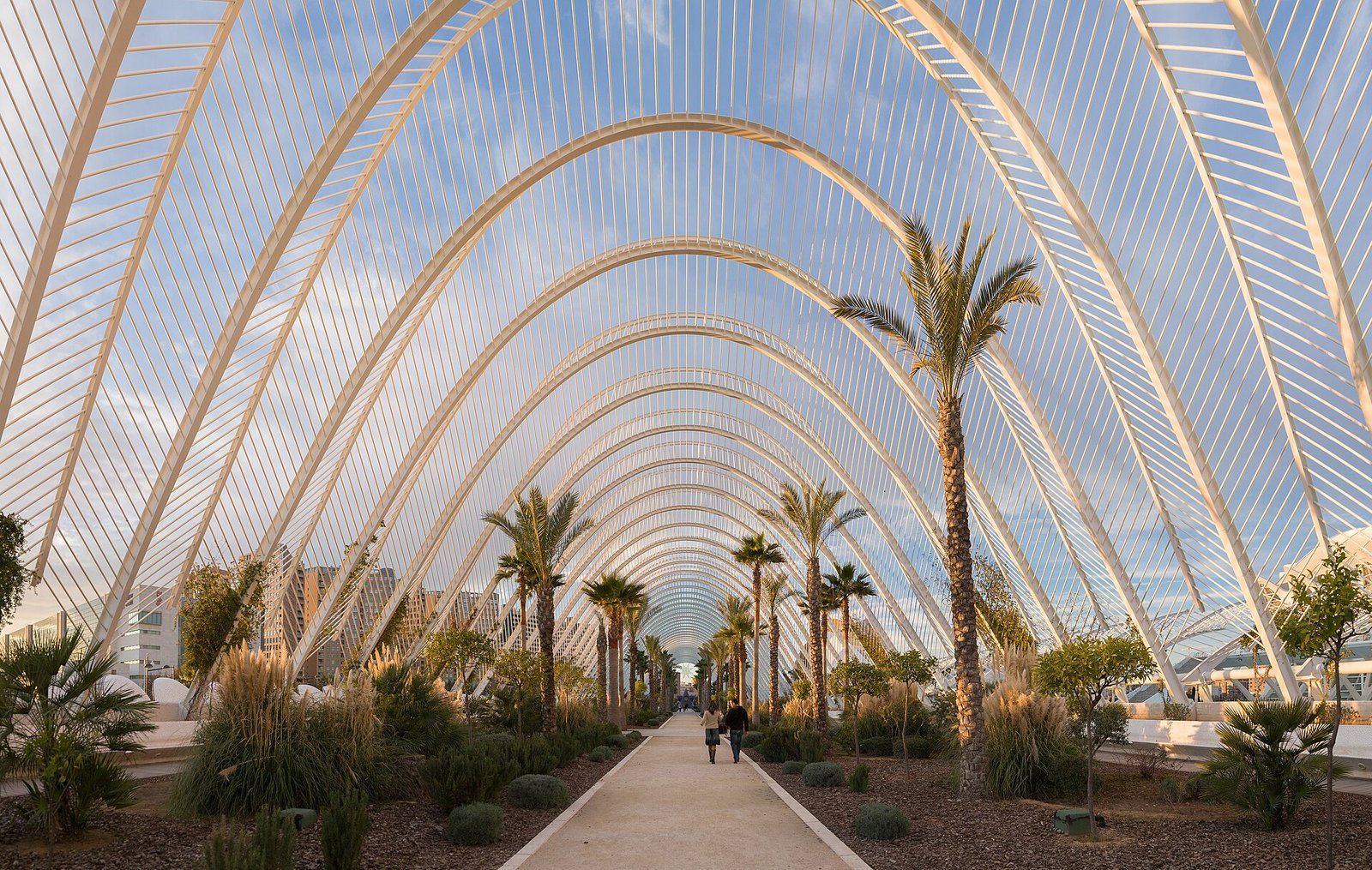
The former riverbed park links neighborhoods, sports areas, gardens, and the modern complex over several kilometers. Allow two to four hours for a selected section. Morning and late afternoon are most comfortable. Cyclists should use designated space, slow near families, and secure rental bikes at stops.
Valencia’s maritime districts and beaches
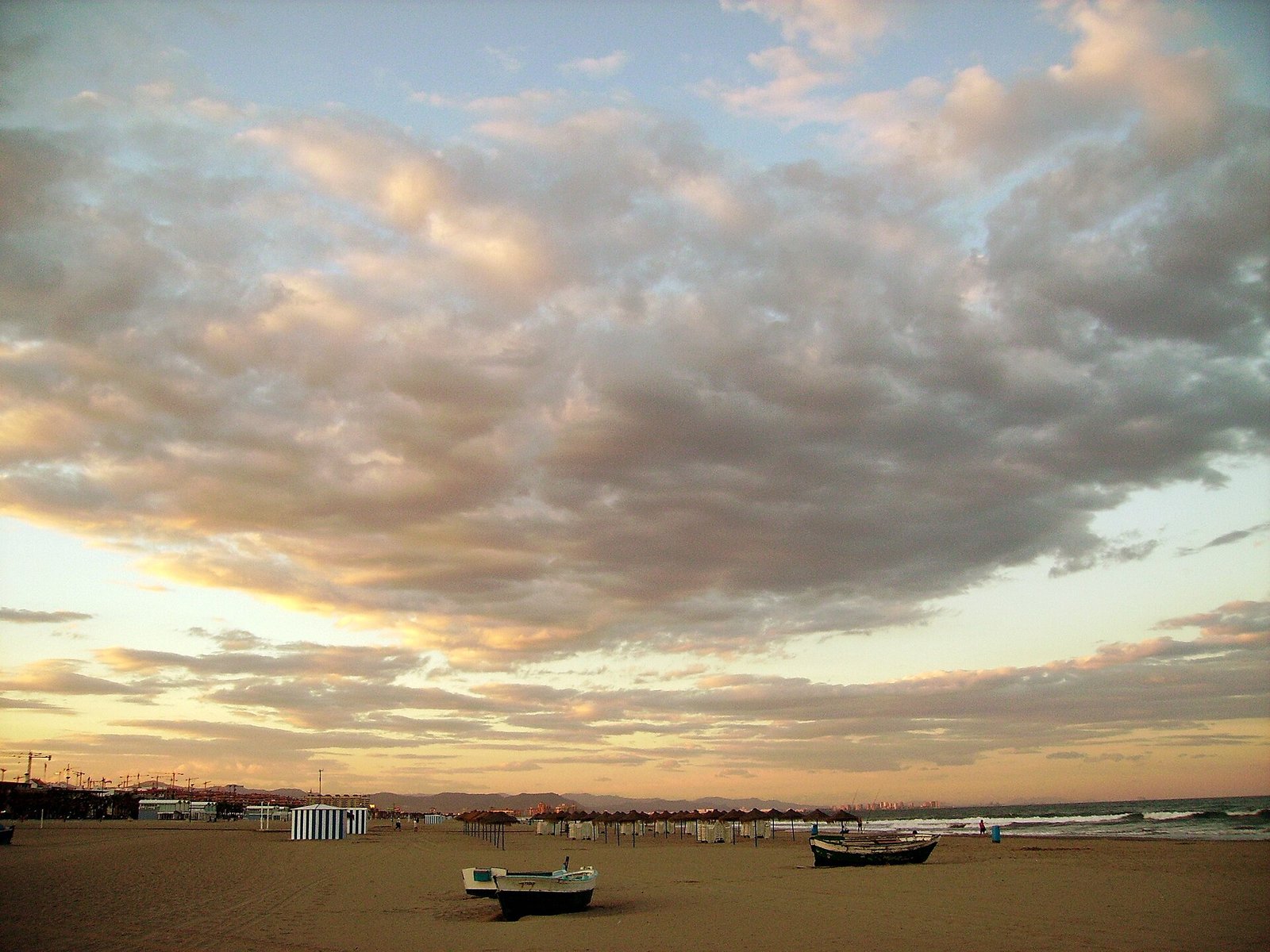
Malvarrosa and neighboring beaches offer broad sand, promenades, restaurants, and public transport rather than a remote resort experience. Allow half a day, longer in summer. Follow lifeguard flags, protect valuables, and reserve a serious rice lunch. Early morning is calmer; weekends fill quickly.
Albufera Natural Park
The lagoon, rice fields, villages, and sunset boat trips provide context for Valencia’s landscape and food culture. Allow half a day using a bus, tour, taxi, or rental vehicle according to current schedules. Reserve a reputable boat trip when needed and combine it with lunch rather than returning across the city twice.
A PRACTICAL ROUTE
Suggested itinerary
Markets and historic Valencia
Visit Central Market and La Lonja in the morning, then continue to the cathedral area, plazas, and city gates. Eat in the center and keep the evening within Ciutat Vella or Ruzafa.
Turia and modern architecture
Walk or cycle through the Turia Gardens toward the City of Arts and Sciences. Use a reserved ticket for one or two priority venues, then stay nearby through sunset instead of returning midday.
Cabanyal and the beach
Travel to El Cabanyal for neighborhood streets and a reserved rice lunch, then spend the afternoon at the beach. Return by tram or bus after the hottest hours.
Albufera or a slower city day
Choose a lagoon, rice-field, and boat outing with verified transport, or stay in Valencia for museums, Ruzafa, and additional Turia time. Keep the day flexible in poor weather.
REALISTIC BUDGET
Estimated travel costs
Valencia is often moderate outside Las Fallas and peak beach weekends. Confirm whether breakfast, transport zones, attraction combinations, and accommodation cleaning fees are included. Treat Valencia’s dollar figures as orientation. They convert Euro (EUR) at August 1, 2026 reference rates for Valencia, before later market movement or payment fees.
TRAVEL WELL
Practical travel tips
- Treat Las Fallas as a special event trip; ordinary transport, sleep, prices, and street access do not apply.
- Order paella or another rice dish for lunch and allow time; avoid restaurants displaying every cuisine beside major sights.
- Use official weather and emergency alerts during heavy rain, and never enter a flooded road, tunnel, or underpass.
- Compare a tourist card with separate fares based on the route you will actually use.
- Carry sun protection and water for Turia and beach days, but add a layer for windy winter evenings.
- Keep valuables attended on beaches and in crowded festival streets.
- Reserve Oceanogràfic or other priority venues directly on busy dates instead of relying on same-day bundles.
- Confirm step-free station exits and historic-building access; cobbles and older lifts vary.
COMMON QUESTIONS
Valencia travel FAQ
How many days do you need in Valencia?
Three days cover the old city, modern complex, and beach. Four days allow the Albufera or a slower food and museum schedule.
Is Valencia better than Barcelona for a short trip?
Valencia is smaller, generally calmer, and easier to combine with a beach, while Barcelona has a larger concentration of famous architecture and museums. The better choice depends on priorities.
Do you need a car in Valencia?
No for the city, beach, and many Albufera plans. Walking, metro, tram, buses, cycling, and occasional taxis are simpler.
What is the best month to visit Valencia?
May and October often provide comfortable walking weather. March is distinctive for Las Fallas but requires tolerance for crowds, noise, closures, and high prices.
Is Valencia expensive?
It is moderate by major Western European city standards outside festivals. Central hotels, the City of Arts and Sciences, and formal seafood or rice meals raise the budget.
Is Valencia safe for solo female travelers?
It is generally manageable with normal urban precautions. Protect valuables in crowds and on beaches, use well-lit routes at night, and verify late transport.
KEEP EXPLORING
Related The Wander Muse guides
CHECK BEFORE DEPARTURE
Sources and official resources
Schedules, fares, closures, and timed-entry systems affecting Valencia can change. Recheck the official resources below shortly before departure.