START HERE
Why visit Lanzarote
Lanzarote is a compact volcanic island where black lava fields, white villages, Atlantic beaches, vineyards, and César Manrique’s architecture create a landscape unlike a conventional resort destination. It suits road-trippers, couples, families, photographers, surfers, walkers, and design travelers who want daily variety without long drives. Seven days allow Timanfaya, the northern cultural sites, La Geria, two contrasting coasts, and a weather-flexible beach day. This guide explains the island’s wind and seasons, airport access, driving, accommodation bases, realistic costs, and a route that avoids zigzagging. The main planning challenge is exposure: sun, wind, and ocean conditions can be intense even when temperatures look mild. Reserve cars and constrained attractions early, use official information for access rules, and keep swimming separate from the assumption that every beautiful shore is safe.
AT A GLANCE
Lanzarote quick travel summary
Car hire, resort rooms, attractions, and activities vary by season and school holidays. Use these euro ranges as planning estimates and verify insurance, fuel, parking, taxes, and cancellation terms.
WHEN TO GO
Best time to visit
Spring (March–May)
Spring is mild to warm, often windy, and generally good for touring and walking. Atlantic water remains cool, while Easter and school holidays increase demand. Calima dust events can reduce air quality and visibility. Prices are moderate outside holidays. Pack wind protection, sun protection, and layers, and check trail or park conditions before exposed outings.
Summer (June–August)
Summer is dry, sunny, and windy, with strong ultraviolet exposure and busy family resorts. Temperatures are often moderated by trade winds, but inland lava landscapes feel hotter. Reserve cars and popular lodging, visit Timanfaya early, and never mistake cooling wind for weak sun. Surf and swimming conditions vary by coast; use lifeguarded beaches and flags.
Fall (September–November)
September and October retain warm sea temperatures, with less persistent trade wind on some days. Rain episodes and storms become possible later, though prolonged wet periods are uncommon. Prices depend on European school holidays. This is a strong season for beach and landscape balance. Keep boat or hike plans flexible and monitor official coastal warnings.
Winter (December–February)
Winter provides mild daytime temperatures and valuable European sunshine, but wind, cloud, rain, and cool evenings occur. Christmas and February school breaks raise demand. Swimming comfort differs by person, while hiking and sightseeing remain strong. Bring a warm layer and waterproof shell, and avoid booking an exposed boat or beach day as the only reason for visiting.
ARRIVING
How to get there
César Manrique–Lanzarote Airport lies between Arrecife and the main southeastern resort zone. Official buses connect the terminal with Arrecife and selected resorts according to current routes and days, while authorized taxis and rental-car companies operate from designated areas. Travelers staying in Puerto del Carmen may have a short road transfer; Costa Teguise and Playa Blanca take longer. Ferries connect Lanzarote with Fuerteventura and, on selected routes, other islands, but schedules and vehicle reservations require direct verification. The easiest arrival for a road trip is a pre-booked rental car with transparent insurance; buses are cheaper when the accommodation sits on a direct route. Photograph the vehicle, inspect fuel terms, and allow time for queues during holiday arrivals. Do not assume every rural villa includes airport transfer or nearby shops.
MOVING AROUND
Getting around
A rental car is the most practical way to link Timanfaya, La Geria, northern Manrique sites, trailheads, and smaller villages. Roads are generally good, but roundabouts, narrow village lanes, cyclists, wind, and unpaved turnoffs require patience. Parking at popular attractions fills early. Public buses connect Arrecife with larger resorts and towns, though they are less useful for a multi-stop landscape day. Taxis work for evenings but become expensive across the island. Experienced cyclists enjoy Lanzarote’s roads, yet wind, volcanic exposure, and traffic demand fitness and visibility. Stay in one central or eastern base for touring, or split north and south only on a longer trip. Never drive or park on protected lava terrain.
CHOOSE A BASE
Where to stay
Puerto del Carmen — best for first-time convenience and families
The established resort offers beaches, restaurants, shops, airport proximity, and broad accommodation choice. It suits families, first-time visitors, and travelers wanting easy evenings. The strip is tourism-oriented and can feel busy, while hillside properties involve steep walks. Check the exact beach section and whether the room faces nightlife or a quiet residential lane.
Costa Teguise or Arrecife — best for water sports or transport value
Costa Teguise provides beaches, wind sports, and resort services on the east coast. Arrecife offers a more urban base, bus connections, local restaurants, and sometimes better value. Wind exposure is a factor in Costa Teguise, while Arrecife is not a classic resort. Both work for car-light travelers with realistic route expectations.
Haría, Teguise, or Playa Blanca — best for landscape, character, or southern beaches
Haría and Teguise suit quieter stays, architecture, and access to northern landscapes; Playa Blanca offers resort comfort and ferry access to Fuerteventura. Rural bases require a car and advance dinner planning, while Playa Blanca is far from northern sites. Choose based on the trip’s priority rather than chasing one supposedly perfect island center.
PLAN YOUR DAYS
Best things to do
Timanfaya National Park
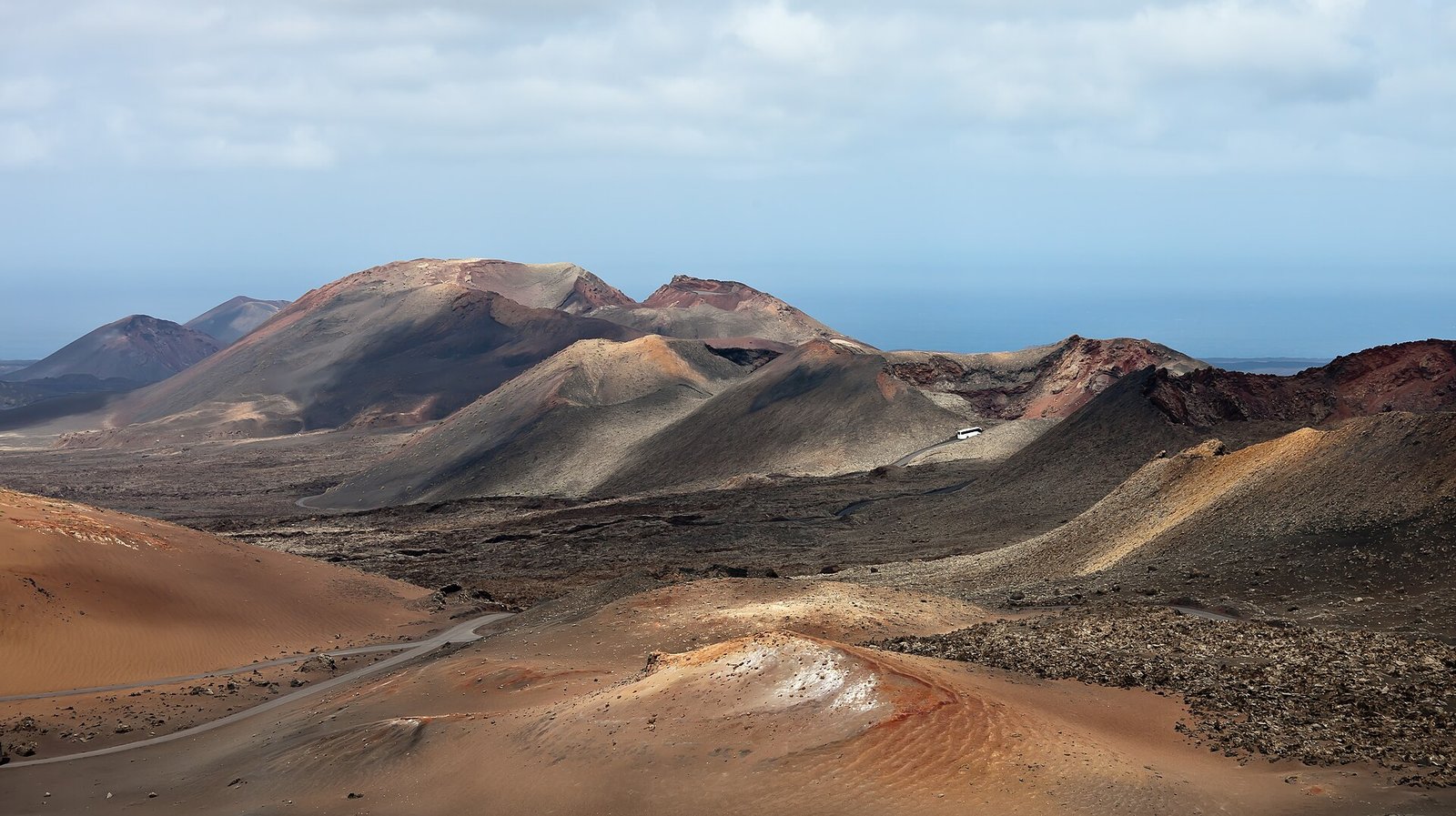
Timanfaya’s volcanic terrain is protected and accessed through regulated routes rather than free off-road exploration. Allow half a day including queues, the official circuit, and nearby stops. Arrive early and use current park information for access and closures. Summer lava fields are intensely exposed. Independent hikers should use only officially permitted routes, and no visitor should remove stones or enter closed ground.
Jameos del Agua and Cueva de los Verdes
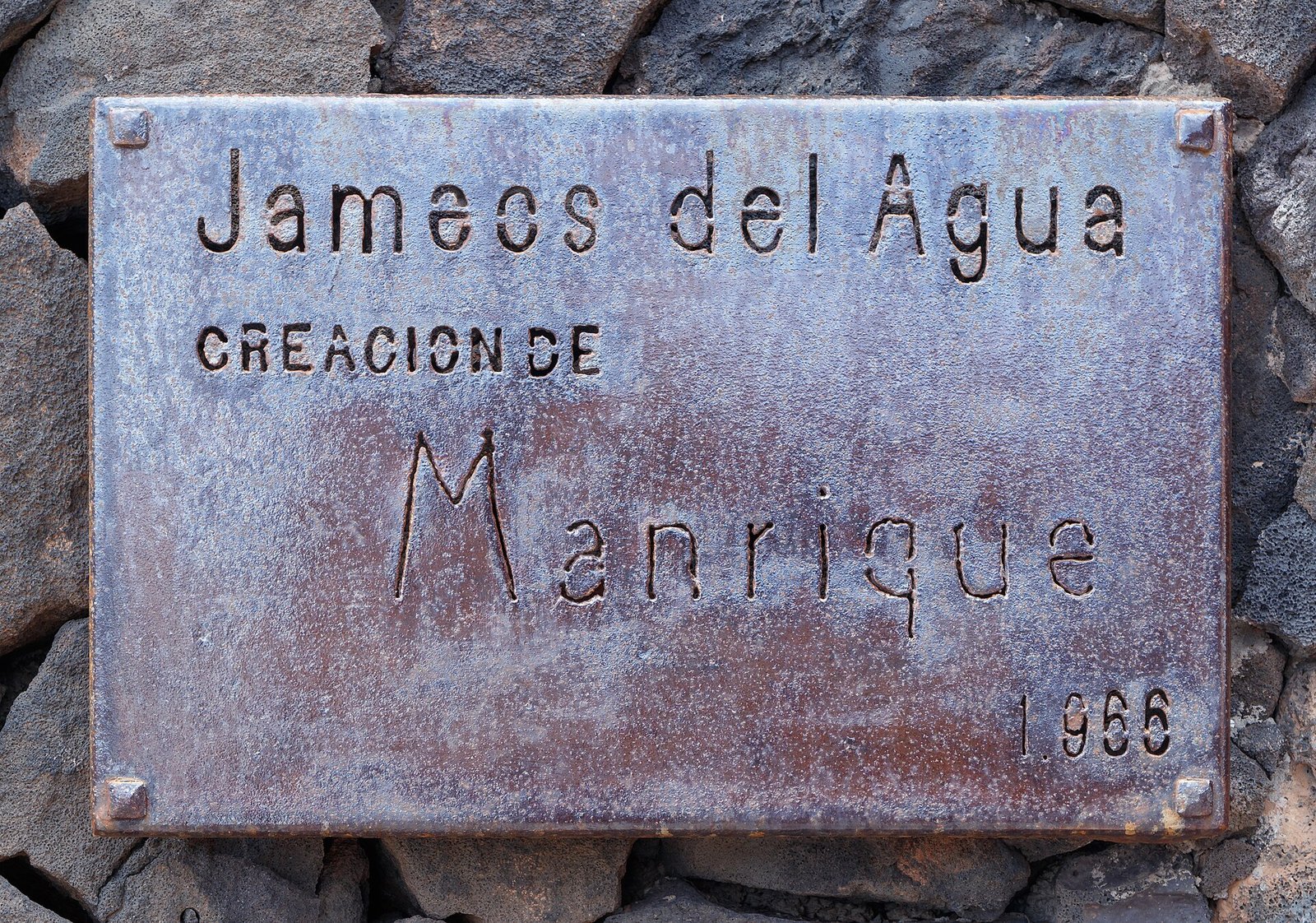
These northern lava-tube attractions combine geology, architecture, and cultural interpretation, but they are separate visits with individual tickets and time requirements. Allow most of a day when paired with coastal viewpoints. Reserve or arrive early during busy periods, wear shoes with grip, and review accessibility because caves involve steps and uneven surfaces. Follow guides and photography rules.
La Geria wine landscape
Vines grown in volcanic hollows create one of Lanzarote’s most distinctive cultural landscapes. Spend half a day with one or two reputable bodegas rather than driving between every tasting room. Reserve tours, designate a driver, and ask about production rather than treating the area as a photo set. Walking between roadside properties is not always safe, and harvest timing varies.
César Manrique Foundation and Teguise
The foundation helps explain how Manrique integrated art, architecture, and lava while influencing island development. Allow two hours, then continue to historic Teguise for streets, lunch, and one cultural stop. Check opening days and market-related congestion. Design travelers should prioritize the foundation early in the trip because it changes how later attractions are understood.
Papagayo, Famara, or a chosen coast
Papagayo offers sheltered-looking coves reached under regulated access, while Famara presents a dramatic surf beach with powerful wind and currents. Choose the coast that matches weather and ability. Spend half or a full day, carry water, and obey lifeguards and flags. Non-swimmers and families must not infer safety from photographs; authorized surf instruction is essential for beginners.
A PRACTICAL ROUTE
Suggested itinerary
Arrive and orient
Collect transport, stock water and breakfast needs, and explore the chosen resort or Arrecife. Avoid a long northern drive after a late flight.
Timanfaya and southwest
Enter Timanfaya early, continue through one official volcanic or coastal stop, and finish in Yaiza or the southern base without backtracking.
La Geria and Teguise
Reserve one winery experience with a designated driver, then explore Teguise and a museum or craft stop after lunch.
Northern Manrique sites
Visit Jameos del Agua and Cueva de los Verdes on a planned schedule, adding one viewpoint only if wind and time remain comfortable.
Art and architecture
Tour the César Manrique Foundation, then use the afternoon for Arrecife, gardens, or a slower local meal rather than another cave.
Beach or surf day
Choose Papagayo, Famara, or a lifeguarded resort beach according to official conditions. Keep a town alternative ready if wind closes the plan.
Flexible island day
Repeat the preferred coast, take a verified excursion, or visit a missed landscape close to the airport. Allow fuel and vehicle-return time.
REALISTIC BUDGET
Estimated travel costs
A budget traveler sharing a simple room or apartment can plan around €85–140 per person per day. A mid-range road trip with a shared hotel, rental car, restaurant dinner, major attraction tickets, and one activity commonly reaches €175–320. European school holidays cost more. Compare insurance excess, fuel policy, deposits, cleaning charges, attraction bundles, and luggage fees. For Lanzarote, let the final Euro (EUR) total control the decision. For Lanzarote, its August 1, 2026 dollar conversion may differ at checkout.
TRAVEL WELL
Practical travel tips
- Do not remove volcanic rock, leave marked routes, or park on protected lava surfaces.
- Use high-SPF sun protection even in wind or winter; ultraviolet exposure can be stronger than the temperature suggests.
- Carry water and a warm wind layer because exposed viewpoints have limited shade and sudden gusts.
- Obey beach flags and lifeguards; Famara and other Atlantic shores can have dangerous currents.
- Reserve rental cars early for holiday weeks and read the insurance excess rather than only the daily rate.
- Cards are common, but carry euros for markets, small cafés, parking, or rural purchases.
- Check calima and air-quality guidance if anyone has respiratory or cardiovascular sensitivity.
- Solo hikers should share routes, avoid unmarked volcanic terrain, and return before dark.
COMMON QUESTIONS
Lanzarote travel FAQ
How many days do you need in Lanzarote?
Seven days allow the volcanic south, northern attractions, art, wine, and two coast days. Ten days provide a slower pace or a Fuerteventura extension.
Do you need a car in Lanzarote?
A car is strongly recommended for a full island itinerary. A resort-based trip is possible with buses and tours, but rural stops will be less flexible.
What is the best month to visit Lanzarote?
April and May are strong for touring before peak summer. October and November can combine warm sea temperatures with somewhat lower wind and demand.
Is Lanzarote expensive?
Costs are moderate for the Canary Islands, but car hire, school-holiday lodging, attractions, and activities add up. Apartments and local restaurants help control spending.
Is Lanzarote good for families?
Yes, with resorts, beaches, caves, and short road distances. Families should choose supervised swimming areas, manage sun exposure, and review cave accessibility.
Can you visit Fuerteventura from Lanzarote?
Yes, ferries operate between Playa Blanca and Corralejo according to current schedules. A day trip is possible, but vehicle rules and return buffers require verification.
KEEP EXPLORING
Related The Wander Muse guides
CHECK BEFORE DEPARTURE
Sources and official resources
Schedules, fares, closures, and timed-entry systems affecting Lanzarote can change. Recheck the official resources below shortly before departure.