START HERE
Why visit Philadelphia
Philadelphia combines foundational U.S. history, major art collections, rowhouse neighborhoods, markets, murals, and an energetic food scene in a city that can be explored largely without a car. It works for first-time international visitors, families, museum travelers, solo city-breakers, and East Coast rail itineraries. Four days cover Independence National Historical Park, the Benjamin Franklin Parkway, two contrasting neighborhoods, and meals beyond the most famous sandwich. This guide explains arrival by air or rail, SEPTA transport, seasonal trade-offs, bases, costs, and an efficient itinerary. The main planning challenge is not distance but choice: historic tickets and museum hours vary, while attractions that look close may each need several hours. Reserve only the constrained visits, group the rest by district, and keep enough time to experience ordinary neighborhood streets.
AT A GLANCE
Philadelphia quick travel summary
Hotel, event, rail, and attraction prices change by date. Use these as planning ranges and verify timed-entry rules, SEPTA fares, taxes, accessibility, and cancellation terms before travel.
WHEN TO GO
Best time to visit
Spring (March–May)
March is changeable, while April and May bring blossoms, mild walking weather, and growing event demand. Rain and sudden cool days remain common. Hotel prices rise on graduation and festival weekends. This is a strong season for historic-district walks, gardens, and neighborhood exploration. Pack a waterproof layer and reserve central lodging early when university calendars are busy.
Summer (June–August)
Summer is hot, humid, and lively, with public events and family travel. Afternoon storms and heat can make exposed historic walks tiring, while hotel rates vary around conventions and holiday weekends. Begin outdoor sites early and schedule museums or markets later. Independence Day draws major crowds and security arrangements. Hydrate and use transit rather than forcing long midday walks.
Fall (September–November)
September and October usually offer comfortable temperatures and strong cultural programming. Weekend sports, conferences, and university events can raise room prices. Fall suits walking tours, riverfront time, and neighborhood dining. By November, daylight shortens and colder weather arrives. Book popular museum exhibitions and monitor event calendars before choosing a central hotel.
Winter (December–February)
Winter is cold with possible snow, ice, and transport disruption, but museums, markets, restaurants, and historic interiors still support a rewarding visit. Prices may be lower outside holidays and large events. Wear waterproof shoes, allow extra transfer time, and group indoor sites tightly. Some outdoor programs and smaller attractions reduce hours, so verify schedules directly.
ARRIVING
How to get there
Philadelphia International Airport connects with Center City on SEPTA Regional Rail. Check the official Airport Line schedule, fare method, and service alerts before departure; the ride to central stations is generally more predictable than road traffic. Taxis and app-based rides are easier with heavy luggage or for accommodation far from rail, but prices vary. Amtrak and regional services arrive at William H. Gray III 30th Street Station, providing convenient links with New York, Washington, Boston, and other Northeast cities. Intercity buses use several locations that can change, so confirm the terminal on the ticket. Drivers should compare hotel and garage rates before bringing a vehicle. For an East Coast itinerary, rail is usually easiest; for the cheapest trip, compare advance rail and bus fares without assuming the same operator or stop remains best.
MOVING AROUND
Getting around
SEPTA’s Market–Frankford and Broad Street subway lines, buses, trolleys, and Regional Rail cover the city, but routes and payment options should be checked on the official site. Contactless and card products may simplify travel depending on current rules. Center City, Old City, and the Parkway are walkable, though the blocks between districts add up. Buses are often more useful than the subway for east–west journeys, while taxis or rideshare help late at night or with mobility needs. A rental car is unnecessary for a central visit and creates parking expense. Indego bicycles suit confident riders on appropriate routes. Choose accommodation near a useful station, plan one district at a time, and allow for service changes after large events.
CHOOSE A BASE
Where to stay
Old City or Society Hill — best for first-time history visitors
These neighborhoods place Independence sites, cobbled streets, the Delaware River, and many restaurants within an early walk. They suit short first visits and families prioritizing history. Evenings can be lively on some blocks, rooms in older buildings vary, and reaching the Parkway requires transit or a longer walk. Confirm elevator access and nighttime noise before booking.
Rittenhouse Square or Center City West — best for dining and convenience
Rittenhouse offers polished streets, restaurants, parks, and straightforward access to the Parkway and central transit. It works well for couples, business extensions, and travelers who want active evenings. Rates and parking are usually high, while the most important colonial sites sit farther east. Choose this base for balanced city access rather than the shortest historic commute.
Washington Square West or University City — best for character or value
Washington Square West provides rowhouse atmosphere and nightlife near Center City; University City offers campus energy, transport links, and sometimes better hotel value. Both suit repeat visitors and longer stays. Noise, exact walking routes, and the feel of individual blocks differ. Map the specific property to your daily priorities instead of relying on a broad neighborhood label.
PLAN YOUR DAYS
Best things to do
Independence National Historical Park
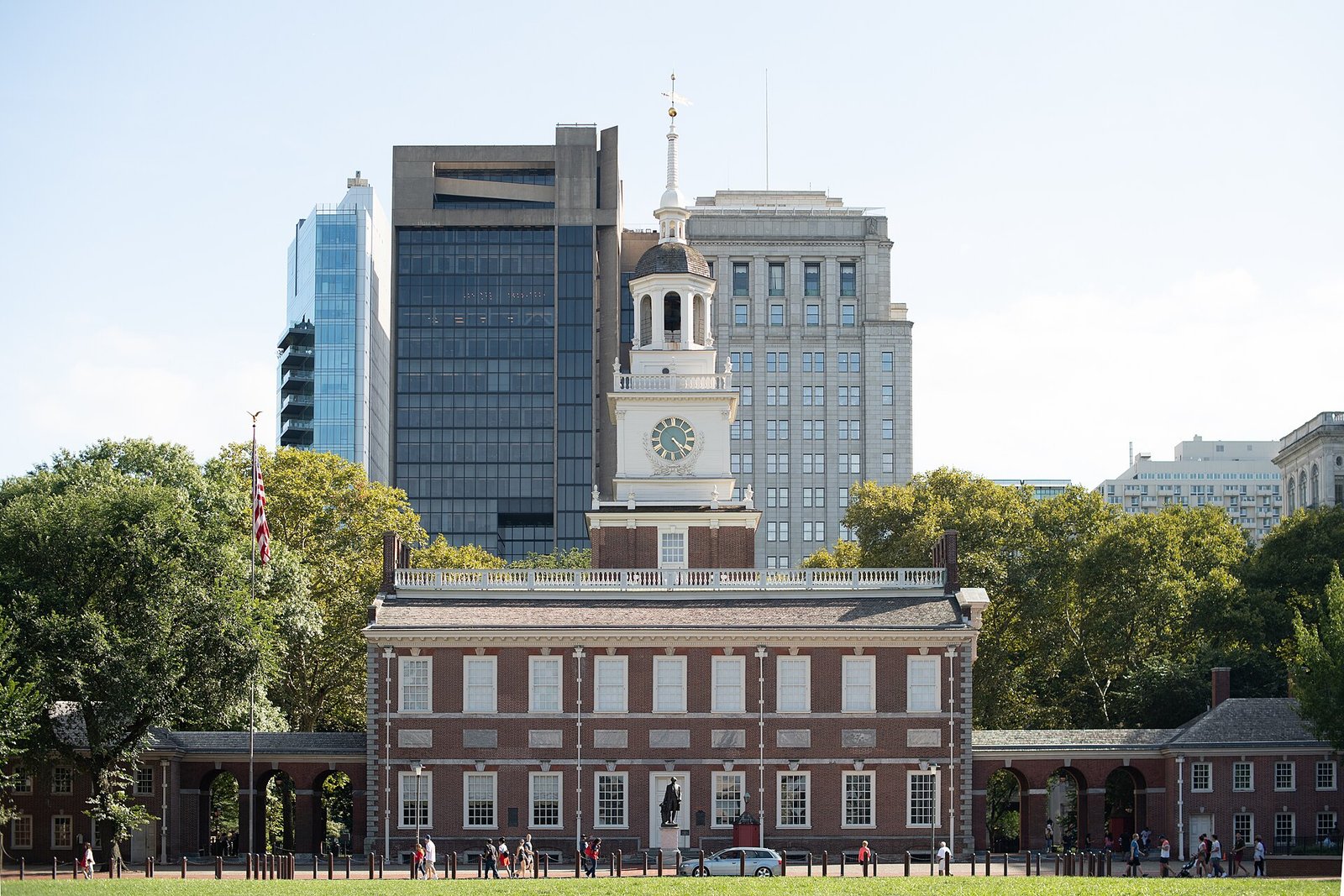
Independence Hall, the Liberty Bell, and surrounding sites explain key political debates and contradictions in early U.S. history. Allow half a day, longer for ranger programs and additional buildings. Independence Hall access may use timed tickets or security procedures, so check National Park Service details. Arrive early, carry minimal baggage, and include exhibits that address more than a celebratory national narrative.
Reading Terminal Market
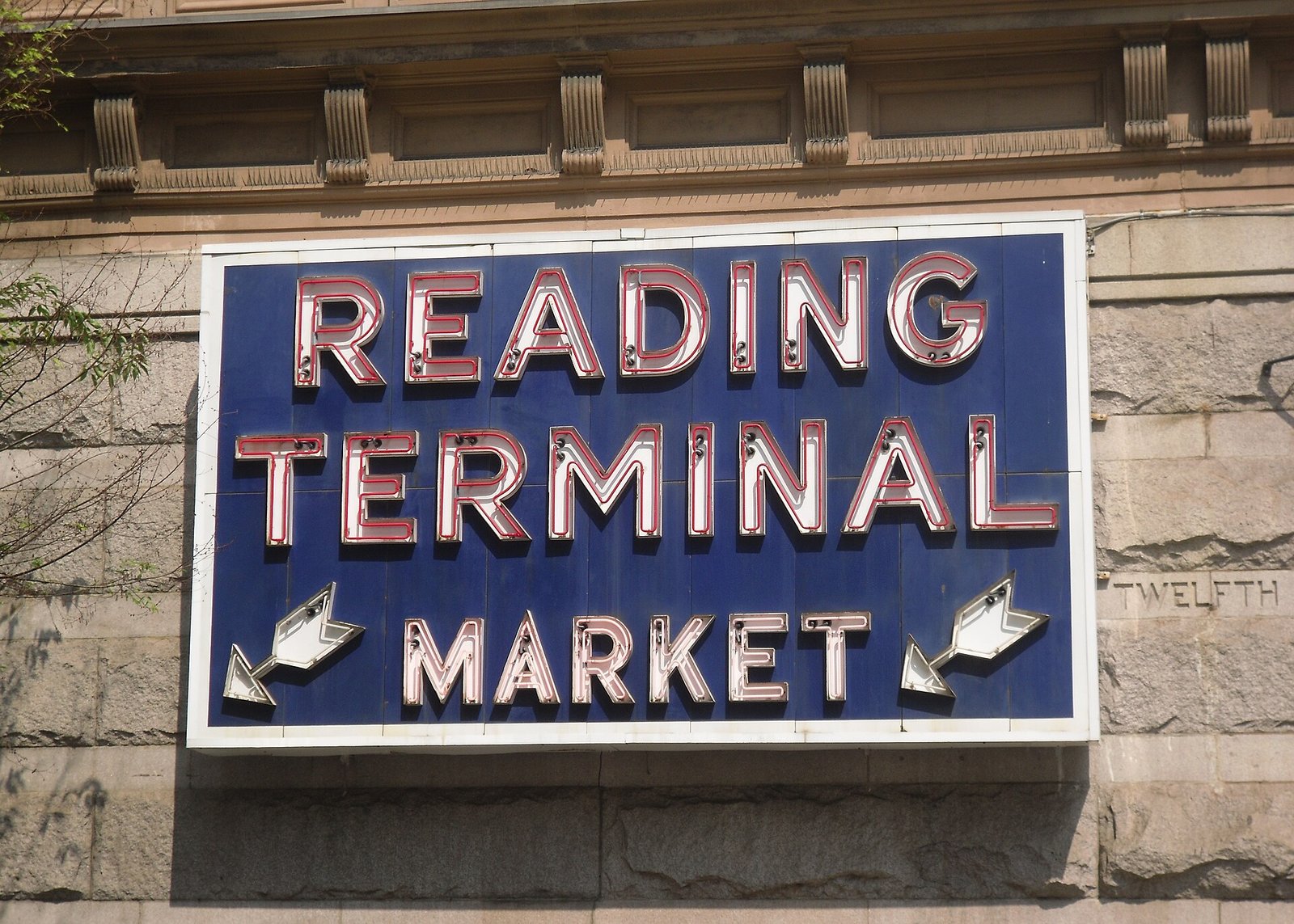
This active food market brings together Pennsylvania Dutch vendors, specialty counters, produce, and quick meals beneath one roof. Spend 60–90 minutes, preferably outside the busiest lunch period. Opening days and vendor schedules differ, so confirm current information. Go with a short tasting plan rather than ordering a full meal at the first counter. It suits food travelers, families, and rainy-day itineraries.
Philadelphia Museum of Art and the Parkway
The museum’s collections can occupy half a day, while nearby institutions and public spaces can fill another. Choose priority galleries in advance and use official hours and ticket details. Morning arrival reduces fatigue and crowds. The famous exterior steps are only a small part of the visit. Art enthusiasts should avoid combining multiple major museums unless they intentionally want a collection-focused day.
Eastern State Penitentiary
The preserved prison examines architecture, incarceration, reform, and the human consequences of penal systems through exhibitions and audio interpretation. Allow about two hours and reserve if current entry is timed. The site includes uneven surfaces and weather-exposed areas; review accessibility information. It best suits older children and adults prepared for difficult subject matter, not visitors seeking light entertainment.
South Philadelphia, murals, and neighborhood food
Italian Market streets, diverse restaurants, public art, and rowhouse neighborhoods show a different Philadelphia from the monumental core. Allow half a day and select a focused route using official mural or neighborhood resources. Visit businesses respectfully, avoid treating residential blocks as a set, and travel beyond the most famous cheesesteak counters. A guided food or mural walk can supply useful context.
A PRACTICAL ROUTE
Suggested itinerary
Old City and Independence sites
Begin with any timed Independence Hall access, then visit the Liberty Bell and selected surrounding exhibits. Finish along the Delaware River or in Society Hill.
Parkway art day
Start at the Philadelphia Museum of Art or another priority institution, walk a manageable Parkway section, and end around Rittenhouse Square rather than returning east.
Market and neighborhoods
Visit Reading Terminal before peak lunch, then explore City Hall and a planned South Philadelphia food or mural route. Use transit between districts.
Eastern State and a flexible district
Tour Eastern State Penitentiary, then choose Fairmount, University City, or additional history based on interests and opening hours. Leave time for an unhurried final meal.
REALISTIC BUDGET
Estimated travel costs
A budget traveler sharing a simple room and emphasizing free historic sites can plan around US$105–185 per person per day. A mid-range city break with a shared central hotel, museum admissions, transit, and a restaurant dinner commonly reaches US$230–420. Convention, graduation, and major sports dates can push lodging higher. Compare taxes, parking, breakfast, and ticket fees in the final total.
TRAVEL WELL
Practical travel tips
- Check National Park Service ticket and security details before arriving at Independence Hall.
- Use SEPTA service alerts and the actual station entrance, because construction can change a familiar route.
- Look beyond cheesesteaks: markets and neighborhood restaurants better represent the city’s range.
- Wear comfortable shoes for brick, cobbles, museum floors, and long east–west blocks.
- Cards are widely accepted, but keep a small amount of cash for markets, tips, or older machines.
- Reserve major exhibitions and constrained tours, while leaving free squares and neighborhoods flexible.
- Apply normal city precautions around stations at night and use a ride when a route feels isolated.
- Travelers needing step-free access should verify elevators and historic-building entrances directly.
COMMON QUESTIONS
Philadelphia travel FAQ
How many days do you need in Philadelphia?
Three days cover the main historic sites, one major museum area, and a neighborhood. Four or five days provide more food, art, and a less rushed pace.
Do you need a car in Philadelphia?
No. Walking, SEPTA, and occasional rides are more practical for a central visit. A car adds parking costs and is useful mainly for a broader regional road trip.
What is the best month to visit Philadelphia?
April and May offer spring conditions, while September and October often provide comfortable walking weather. Check graduation, festival, and sports calendars before selecting dates.
Is Philadelphia expensive?
Central hotels and paid museums can be costly, but free national historical sites, markets, and transit help control spending. Event dates have the greatest effect on lodging.
Is Philadelphia safe for solo travelers?
Solo travelers commonly visit the central districts. Use normal urban awareness, choose well-lit routes at night, secure valuables, and check local conditions around the exact accommodation.
Can you visit Philadelphia as a day trip from New York?
Yes by fast rail, but one day forces difficult choices. Stay at least one night if you want Independence sites, a major museum, and neighborhood dining without rushing.
KEEP EXPLORING
Related The Wander Muse guides
CHECK BEFORE DEPARTURE
Sources and official resources
Schedules, fares, closures, and timed-entry systems affecting Philadelphia can change. Recheck the official resources below shortly before departure.