START HERE
Why visit Muscat
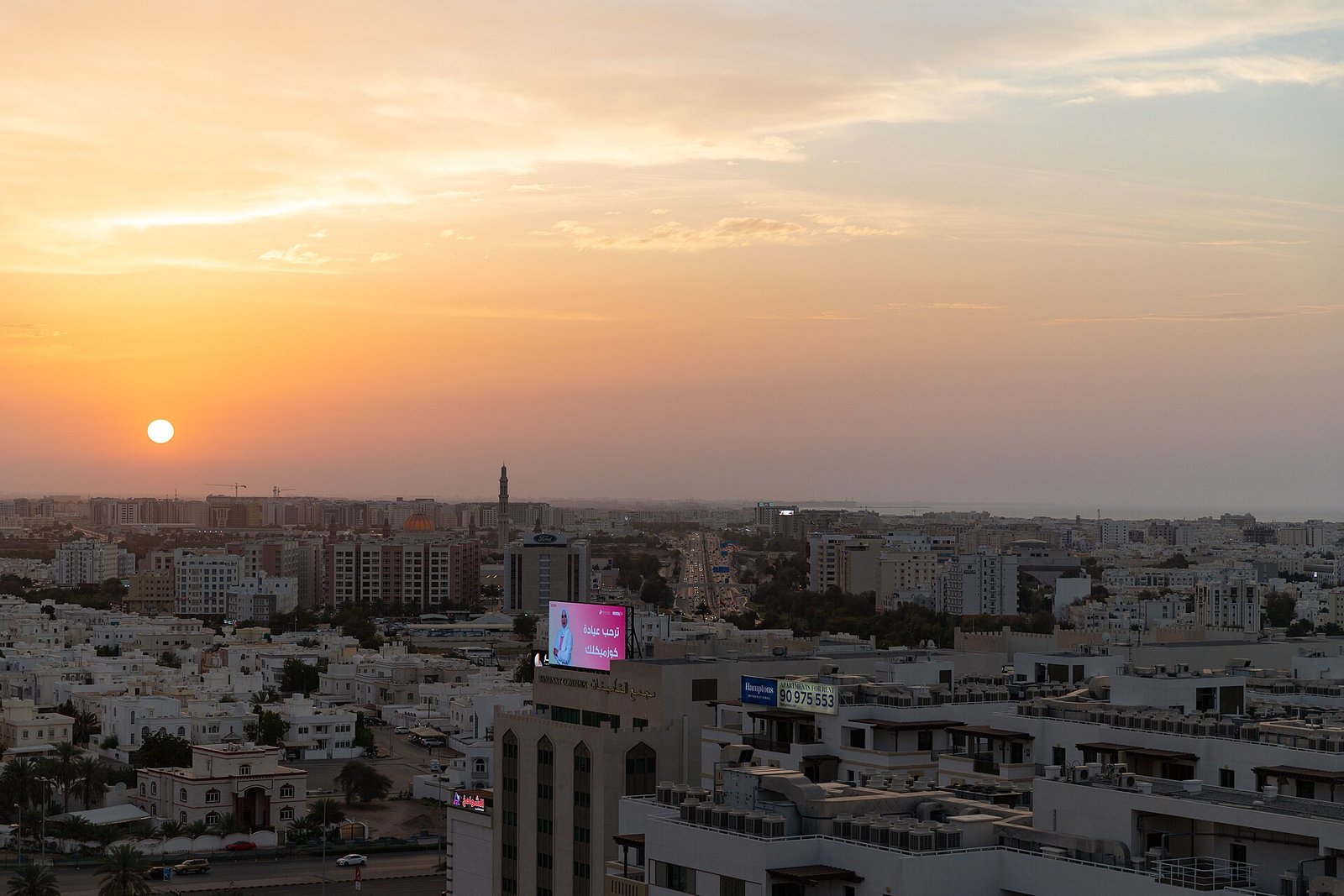
Muscat stretches between mountains and the Gulf, combining a major mosque, forts, museums, markets, beaches, and access to wadis and desert landscapes. It suits architecture, road trips, culture, wadis, beaches, food, couples, and winter sun and works best when Sultan Qaboos Grand Mosque and Muttrah Corniche and souq stay on separate compact days. A first visit works best when Sultan Qaboos Grand Mosque, Muttrah Corniche and souq, and National Museum and Old Muscat are arranged around realistic transport and weather windows. Muttrah is best for heritage atmosphere, Qurum balances beach and restaurants, and Al Khuwair offers value and practical road access. Muscat planning connects Muscat International Airport (MCT), rental car, Muttrah, and Sultan Qaboos Grand Mosque with the six-row Omani rial (OMR) budget and 4–5 days route below. Before booking Muscat, use the linked authorities to verify opening days, rental car, and any timed entry for Sultan Qaboos Grand Mosque.
AT A GLANCE
Muscat quick travel summary
Muscat prices are planning ranges rather than quotes. Ask for the complete Muscat price in writing, including taxes, payment fees, booking terms, and any connection from Muscat International Airport (MCT).
WHEN TO GO
Best time to visit
Spring (March–May)
Across Muscat, expect warm days, cooler evenings, and generally comfortable sightseeing; conditions near Sultan Qaboos Grand Mosque can vary. Crowds and prices are high around holidays and festivals. For Muscat, this window favors Sultan Qaboos Grand Mosque. Schedule it only after accounting for the fact that in Muscat, midday heat increases quickly by late spring. Extreme heat, tropical systems, flash floods, wadi water levels, Friday and Ramadan schedules, and mountain-road conditions shape safe travel. Recheck Muscat weather and the operating status of Sultan Qaboos Grand Mosque shortly before any weather-sensitive or reservation-dependent day.
Summer (June–August)
Across Muscat, expect extreme daytime heat and strong air-conditioning indoors; conditions near Muttrah Corniche and souq can vary. For Muscat, hotel prices are lower for hotels, although indoor attractions can be busy. Muttrah Corniche and souq is the most practical Muscat focus during this period. The limitation is that in Muscat, long outdoor plans can be unsafe and impractical. Extreme heat, tropical systems, flash floods, wadi water levels, Friday and Ramadan schedules, and mountain-road conditions shape safe travel. Recheck Muscat weather and the operating status of Sultan Qaboos Grand Mosque shortly before any weather-sensitive or reservation-dependent day.
Autumn (September–November)
Across Muscat, expect heat easing gradually into pleasant evenings; conditions near National Museum and Old Muscat can vary. Demand and prices are rising as outdoor conditions improve. This period creates better conditions for National Museum and Old Muscat in Muscat; the main drawback is that in Muscat, September can still feel intensely hot. Extreme heat, tropical systems, flash floods, wadi water levels, Friday and Ramadan schedules, and mountain-road conditions shape safe travel. Recheck Muscat weather and the operating status of Sultan Qaboos Grand Mosque shortly before any weather-sensitive or reservation-dependent day.
Winter (December–February)
Across Muscat, expect mild days and cooler nights; conditions near Wadi Shab or a condition-appropriate wadi can vary. For Muscat, crowds and prices are at peak levels, with premium room rates. For Muscat, this window favors Wadi Shab or a condition-appropriate wadi. Schedule it only after accounting for the fact that in Muscat, popular timed entries and camps need advance booking. Extreme heat, tropical systems, flash floods, wadi water levels, Friday and Ramadan schedules, and mountain-road conditions shape safe travel. Recheck Muscat weather and the operating status of Sultan Qaboos Grand Mosque shortly before any weather-sensitive or reservation-dependent day.
ARRIVING
How to get there
MCT connects by official taxi, public bus on selected corridors, rental car, and prearranged transfer. The city is long and linear, so a cheap hotel may require expensive daily rides. A rental car is useful for a five-day Muscat-and-wadi route, but drivers must understand local insurance, speed cameras, roundabouts, and flood warnings. Use licensed 4WD tours for terrain or routes excluded by the rental agreement. Confirm entry eligibility through the Royal Oman Police and use signed airport services rather than unsolicited transport.
MOVING AROUND
Getting around
Public buses cover some major roads but do not create a complete short-stay network. Taxis and approved apps are useful; confirm the meter or fare through current rules. Walking works along parts of Muttrah and Qurum in cool weather, but highways and heat separate districts. A car is the most flexible tool for mosque, coast, and regional days, with abundant parking at many modern sites. Never drive into flowing water or an active wadi, and verify whether mountain roads require four-wheel drive. For a 4–5 days visit, group Sultan Qaboos Grand Mosque with Muttrah Corniche and souq, then protect National Museum and Old Muscat for the strongest weather or access window. Sultan Qaboos Grand Mosque and Muttrah Corniche and souq belong on separate compact Muscat stages; that leaves room for a delayed rental car connection. Accessible Muscat planning needs four checks: rental car boarding, surfaces, restrooms, and the final approach to Sultan Qaboos Grand Mosque.
CHOOSE A BASE
Where to stay
Muttrah — best for heritage and first-time atmosphere
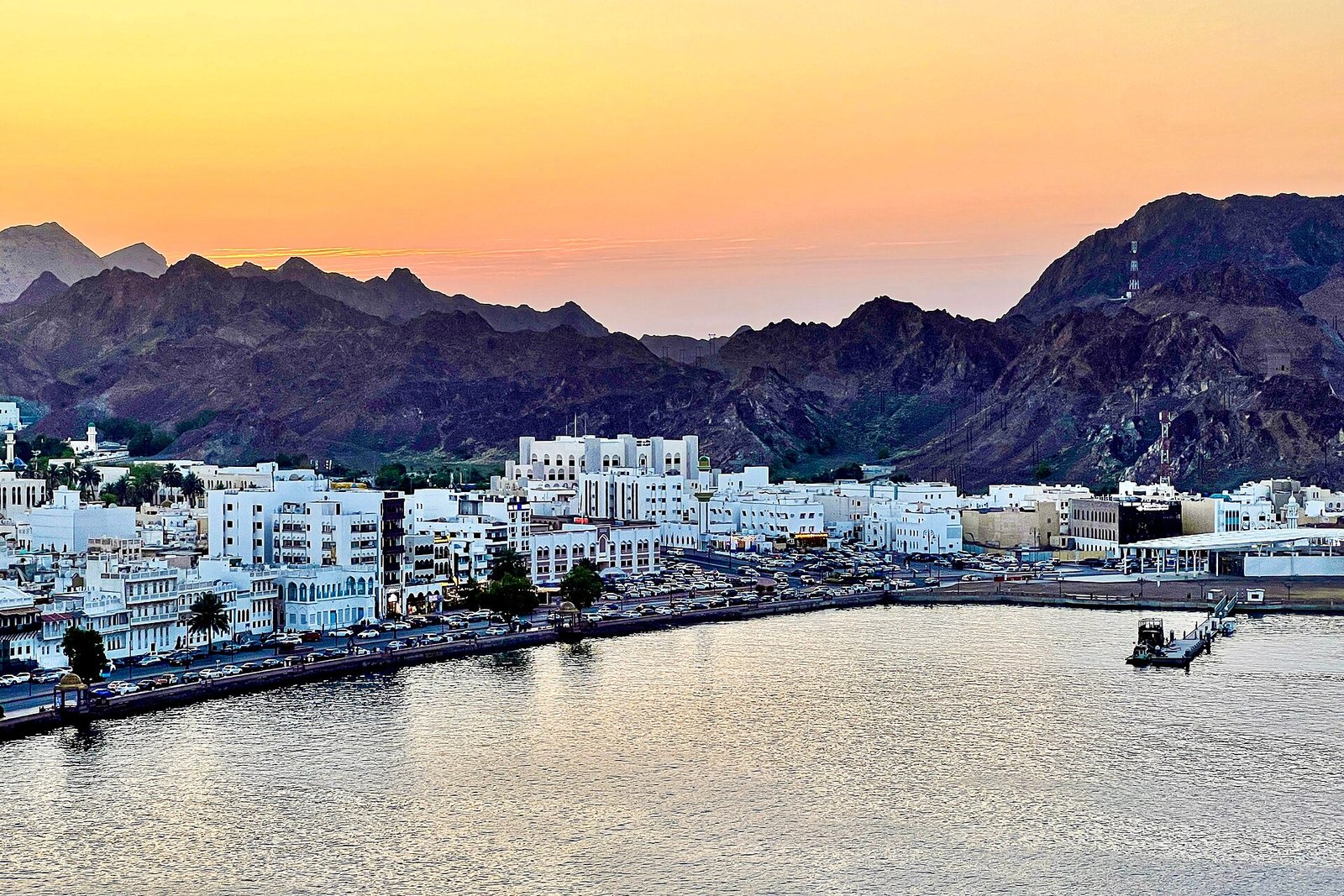
Corniche, souq, harbor, forts, and evening walking provide the strongest historic base. Airport and modern-city trips are longer and room supply is limited.
Qurum — best for beaches and restaurants
Beach access, parks, dining, and a central road position suit couples and families. The area is spread out and many trips still require a car or taxi.
Al Khuwair — best for budget and convenience
Hotels, local restaurants, shops, and road access provide practical value. It lacks Muttrah’s atmosphere and is not comfortably walkable as a whole.
PLAN YOUR DAYS
Best things to do
Sultan Qaboos Grand Mosque
Architecture, craftsmanship, worship, gardens, and a major library make the mosque an essential cultural visit. Allow 2–3 hours. Use the published non-Muslim visitor period on an appropriate morning. Normal visitor access follows official hours rather than a commercial ticket. Public access is generally free under current rules. Cover arms, legs, and hair where required and follow photography instructions. It is best suited to first-time, architecture, and cultural travelers; time-limited visitors should add Sultan Qaboos Grand Mosque only when it fits the same area and current conditions.
Muttrah Corniche and souq
Harbor history, markets, forts, and waterfront life form a compact evening district. Allow 3–5 hours. Arrive in cooler late afternoon and stay through dinner. No district reservation is needed; museums or forts may. Public walking is free; attractions and purchases vary. Bargain politely, compare frankincense quality, and ask before photographing people. It is best suited to food, shopping, and history travelers; On a short Muscat visit, Muttrah Corniche and souq should not force a cross-destination transfer.
National Museum and Old Muscat
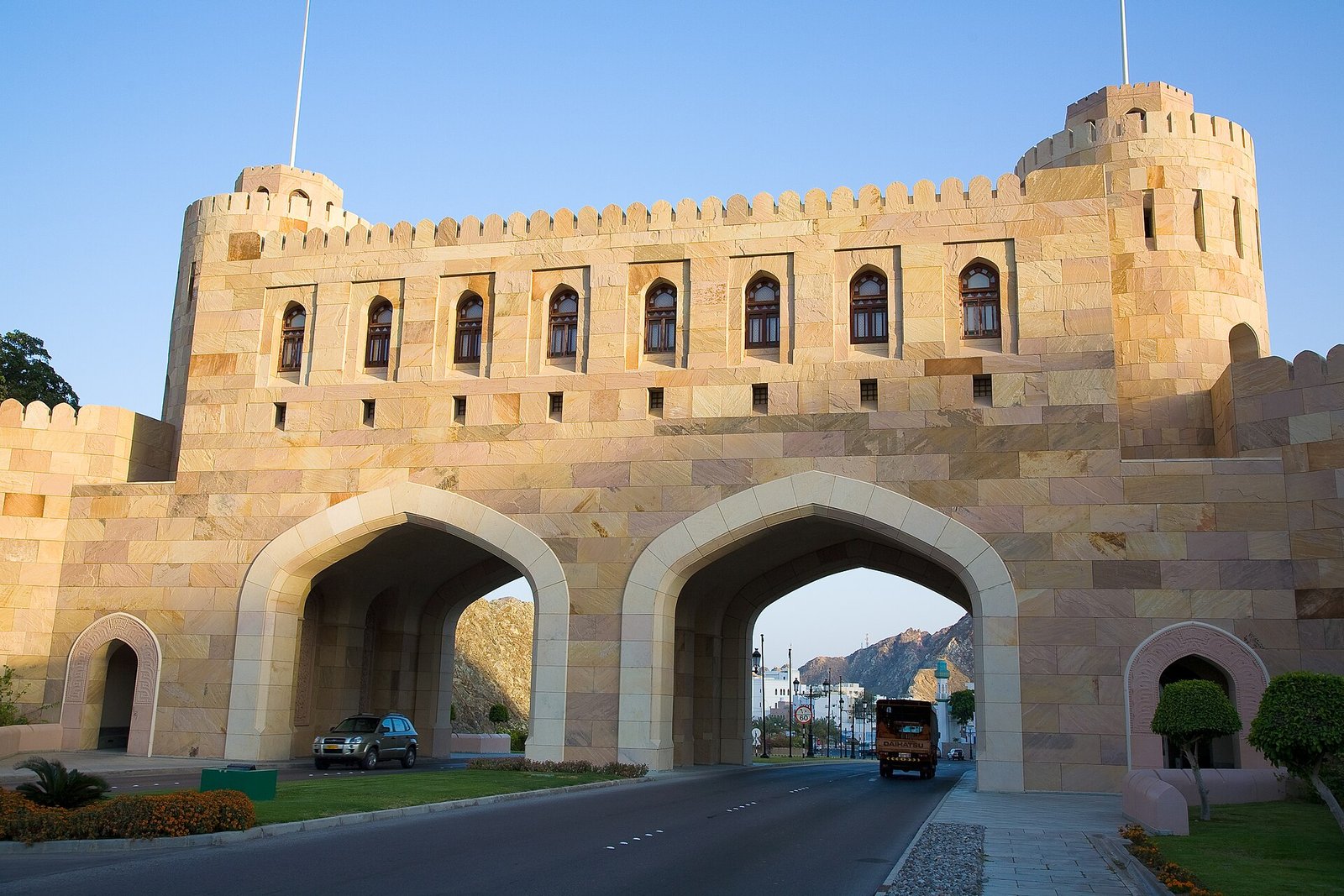
Curated collections, palace-area architecture, and forts provide context for Omani maritime and state history. Allow 3–4 hours. Use a hot afternoon and check weekly hours. Official advance tickets may help during holidays. Paid admission applies. Do not photograph restricted palace or security areas. It is best suited to history and family travelers; on a short stay, keep National Museum and Old Muscat only when access and geography suit that day.
Wadi Shab or a condition-appropriate wadi
A canyon walk and pools can reveal Oman’s water-shaped landscapes when flow and access are safe. Allow Full day. Go early only under stable weather and current local guidance. A licensed tour may be best for visitors without regional driving experience. Transport, parking, boat crossing, guide, and equipment vary. Never enter during rain or flood risk and do not swim beyond ability. It is best suited to active nature travelers; visitors with little time should retain Wadi Shab or a condition-appropriate wadi only if it stays near another priority.
Daymaniyat or coastal boat outing
Protected marine areas can offer snorkeling and wildlife viewing under permit and sea conditions. Allow 4–7 hours. Choose a low-wind morning in the authorized season. Use a licensed permitted operator and reserve ahead. Boat, permit, gear, and transfer inclusions vary. Never touch coral or wildlife and obey seasonal closures. It is best suited to snorkelers and marine-life travelers; time-limited visitors should add Daymaniyat or coastal boat outing only when it fits the same area and current conditions.
A PRACTICAL ROUTE
Suggested itinerary
Muttrah
Arrive by official transport, explore the Corniche in cool hours, and keep dinner nearby.
Mosque and modern Muscat
Use the official morning visitor window, then continue to one museum or Qurum stop.
Old Muscat
Visit the National Museum and surrounding civic architecture without repeated cross-city drives.
Wadi day
Use the safest current conditions for one licensed or carefully planned wadi excursion.
Coast or buffer
Take a permitted marine outing, or retain the day for wind, flood, and road disruption.
REALISTIC BUDGET
Estimated travel costs
Muscat costs move most with November–March, booking timing, taxes, and the exact position of a room in Muttrah. Treat Muscat’s dollar figures as orientation. They convert Omani rial (OMR) at August 1, 2026 reference rates for Muscat, before later market movement or payment fees.
TRAVEL WELL
Practical travel tips
- Check Civil Aviation and local warnings for cyclones, flash floods, and wadi conditions.
- Never drive or walk into flowing flood water, even when other vehicles attempt it.
- Dress modestly in public and follow the mosque’s exact visitor clothing and timing rules.
- Use licensed taxis or current approved apps and confirm fares before long cross-city trips.
- Carry Omani rials for souqs and small businesses while cards remain common at hotels.
- Confirm whether a rental agreement permits gravel, mountains, wadis, or four-wheel-drive roads.
- Reserve winter rooms, licensed marine trips, wadi guides, and special camps early.
- Solo women generally travel comfortably; follow local customs, use official rides, and avoid isolated wadis alone.
COMMON QUESTIONS
Muscat travel FAQ
How many days do you need in Muscat?
4–5 days is a practical first-visit range for Muscat. If 4–5 days is not available, keep one compact Muscat base and Sultan Qaboos Grand Mosque; additional days are most useful as weather and transport buffers.
Is Muscat expensive?
In Muscat, a realistic daily planning range is OMR 30–50 (about US$78–130) budget; OMR 85–170 (about US$221–442) mid-range, per person. The main premiums are well-placed accommodation, travel during November–March, and private or guided versions of Sultan Qaboos Grand Mosque.
Do you need a car in Muscat?
A car is useful for a five-day city-and-wadi route, but taxis and buses can cover a shorter central stay. Use licensed 4WD operators for excluded terrain.
What is the best month to visit Muscat?
January often offers mild outdoor weather, though mountain nights are cold and rain can still trigger dangerous flooding.
Is Muscat safe for solo female travelers?
Muscat is generally comfortable for solo women. Follow local dress norms, use licensed rides, and do not enter remote wadis or mountain roads alone. Before departing for Muscat, review current government advice alongside local weather and transport notices.
What should you book in advance for Muscat?
Reserve winter rooms, rental cars, mosque-compatible schedules, permitted marine trips, wadi guides, and desert or mountain stays.
KEEP EXPLORING
Related The Wander Muse guides
PLAN WITH CURRENT INFORMATION
Official resources
For Muscat, opening hours, fares, permits, weather rules, and transport arrangements can change. Recheck current Muscat operating information below, especially before reserving Muttrah Corniche and souq.